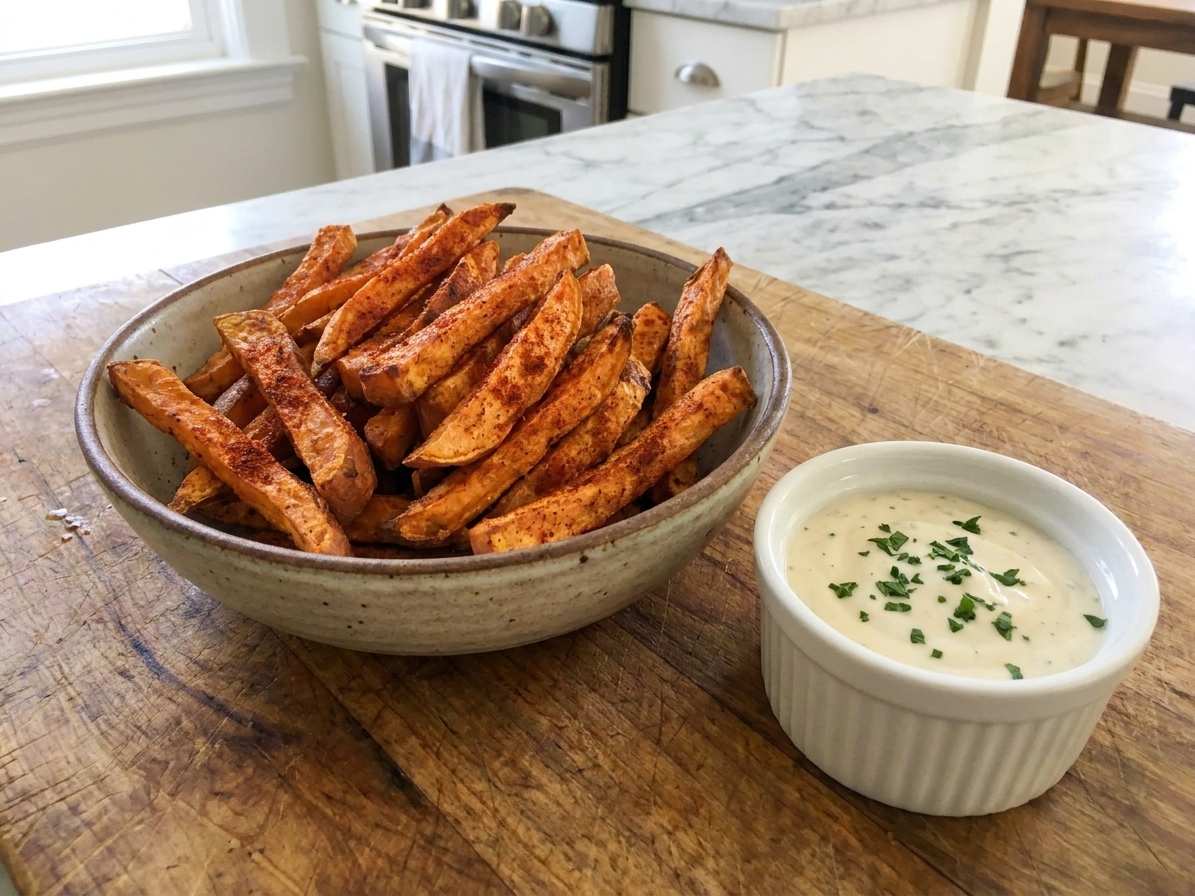
Crispy on the edges, tender in the middle. These air fryer sweet potato fries use a cornstarch toss and smart spacing for real crunch.
Air fryers have officially moved from “cool gadget” to “weekday workhorse.” And lately, there’s been a steady stream of air fryer news: bigger baskets, dual zones, steam modes, smarter presets, and enough marketing phrases to make your eyes glaze over while your chicken dries out.
So let’s do this the way I like to cook: relaxed, curious, and focused on results. Below you’ll find what’s actually useful in newer air fryer models, what changes how your food turns out, and the little technique tweaks that make any air fryer cook better. Then we’ll put it into practice with a dead-simple recipe that hits all my favorite notes: crisp edges, cozy savory flavor, and a sauce-adjacent finish that makes you keep “sampling” from the bowl.
What’s new with air fryers that actually matters
1) Dual-basket and divider designs are getting better
Two-zone cooking is the big practical upgrade. Not because you need to cook an entire buffet, but because it makes dinner less annoying. Think: crispy green beans on one side, salmon or chicken on the other, both finishing at the same time.
What to watch for: a true dual-fan or independent temperature control does more for results than a simple divider. If it is one fan pushing air across both zones, you still get benefits, just less precision.
2) “Steam + crisp” is showing up more
This is one of the most legit developments. A little steam early in cooking helps keep foods moist, then high airflow finishes the outside. It is especially helpful for thicker proteins and reheating rice-based leftovers without turning them into sadness.
Reality check: you can mimic some of this with technique in a basic air fryer, like adding a tiny splash of water under the basket (only if your model allows it) or cooking at a slightly lower temp first, then finishing hotter for browning.
3) Clear windows and internal lights are not just a gimmick
Being able to actually see your food browning is a bigger deal than it sounds. Air fryers cook fast, and a 90-second difference can be the gap between golden and bitter. Windows plus a light means less heat loss from opening the basket five times. That alone can improve crisping.
4) More accurate temperature control is the quiet winner
Some newer models hold temperature more steadily. That translates to more predictable browning and fewer “why is this pale” moments. If your current air fryer runs hot, take notes and adjust. The best feature is still you paying attention.
What hasn’t changed (and still makes or breaks your food)
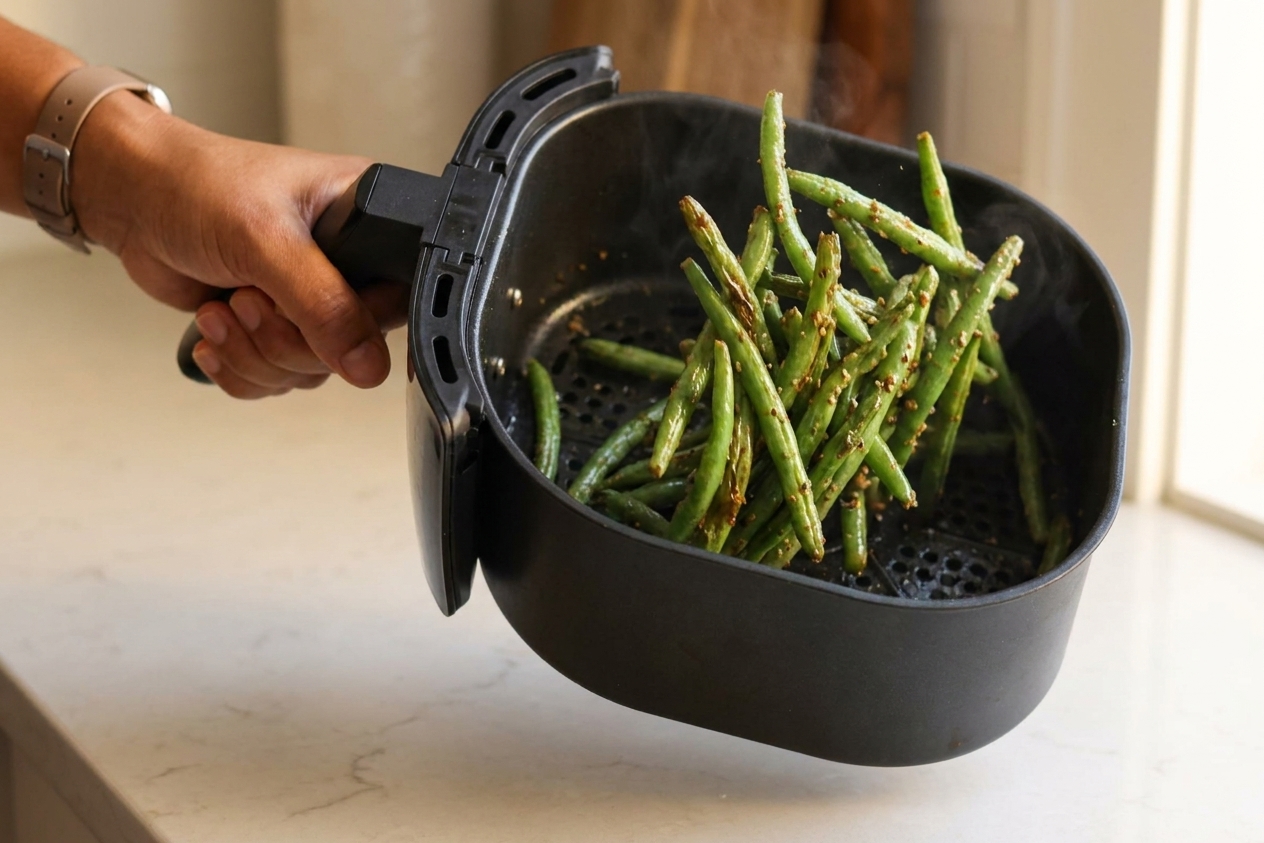
Overcrowding is still the enemy
If you pile food up like laundry, you are steaming, not crisping. Cook in batches when you need to. Or pick recipes that want a little softness and then finish with a hot blast.
Oil is not optional, it is strategic
Air fryers do not magically crisp without help. You do not need a lot of oil, but you do need enough to conduct heat and encourage browning. For vegetables, 1 to 2 teaspoons can be the difference between wrinkly and roasted.
Seasoning timing matters
Some seasonings burn early, especially parmesan, dried herbs, and very sugary spice blends. Add them in stages: salt and oil first, then finish with the delicate stuff at the end or during the last few minutes. Garlic powder is usually fine at high heat when it is mixed into oil, but fresh garlic is better added at the end so it stays fragrant instead of sharp.
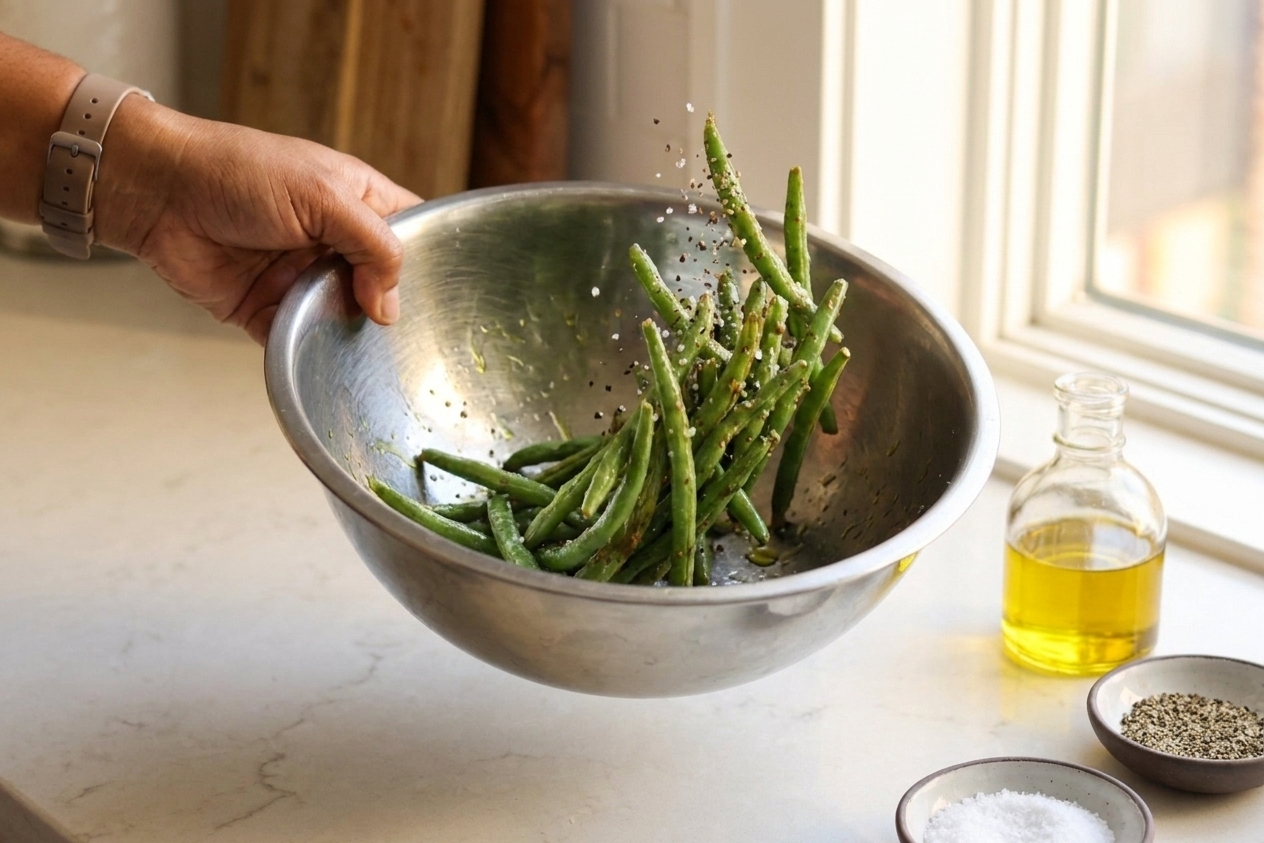
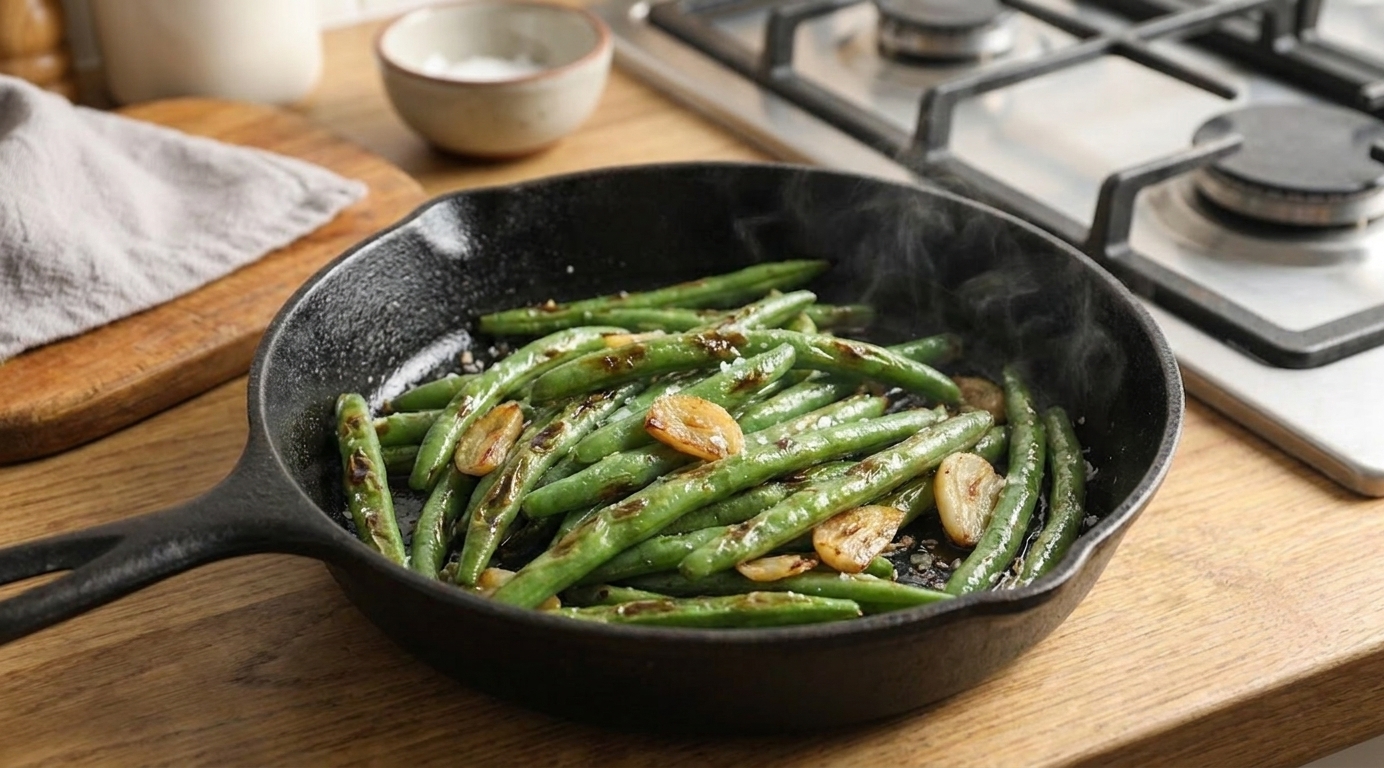
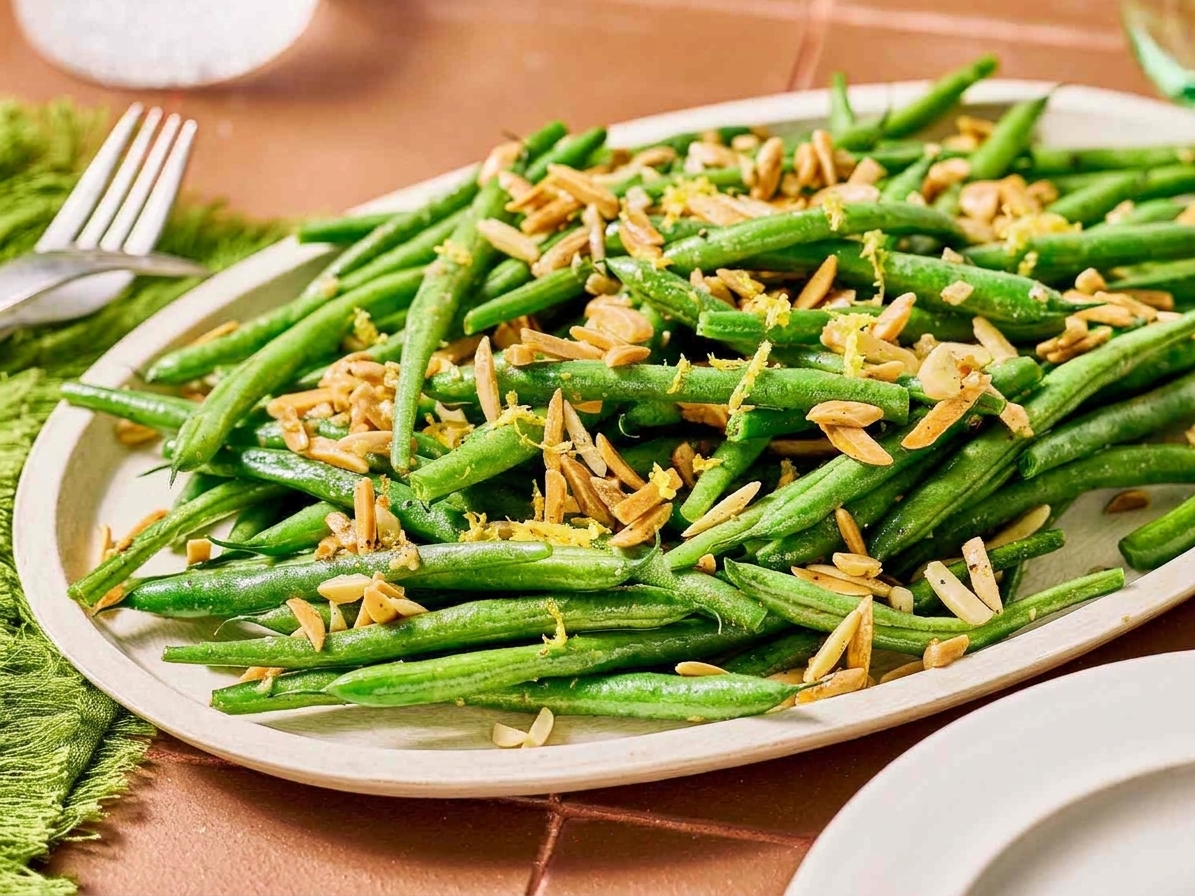
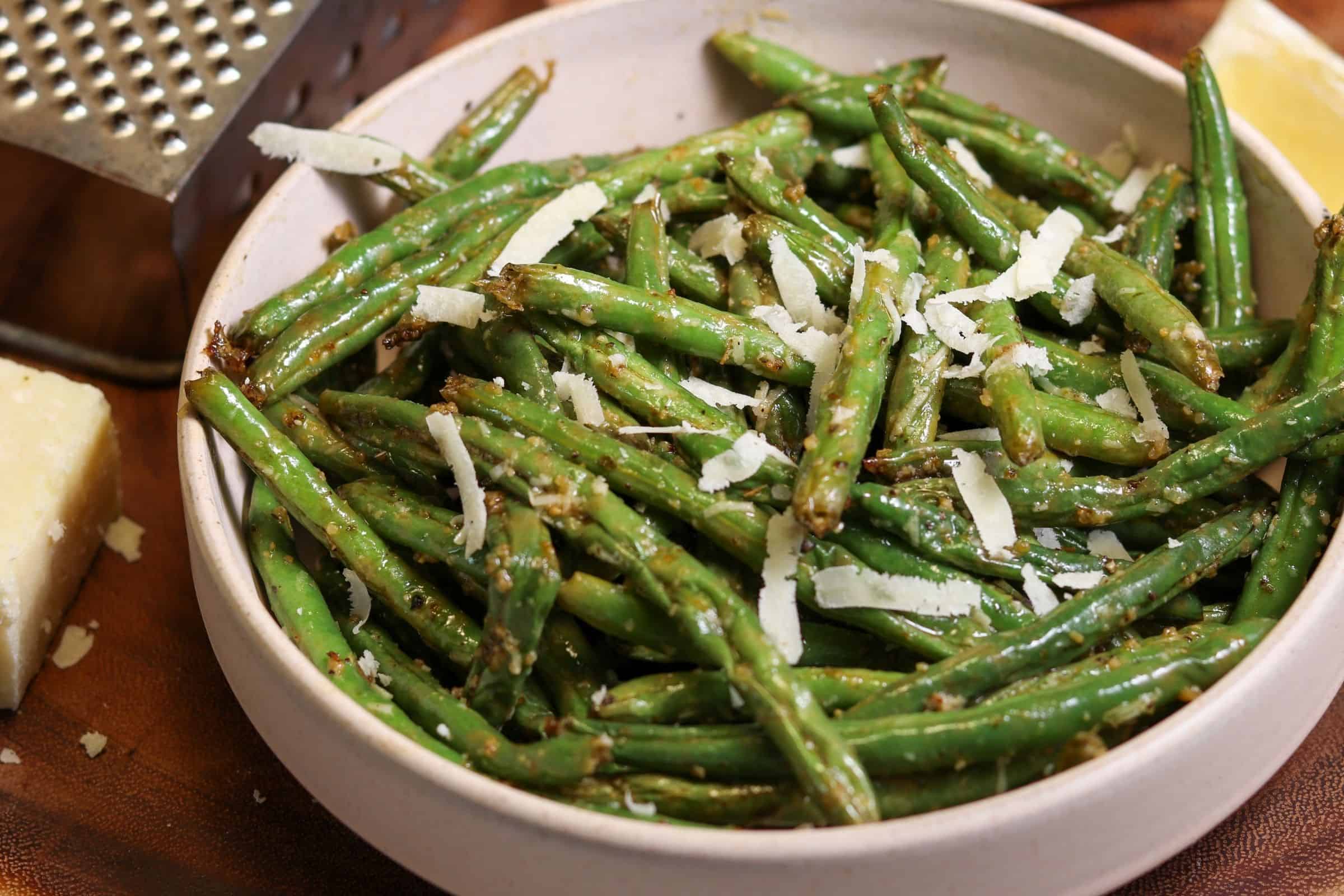
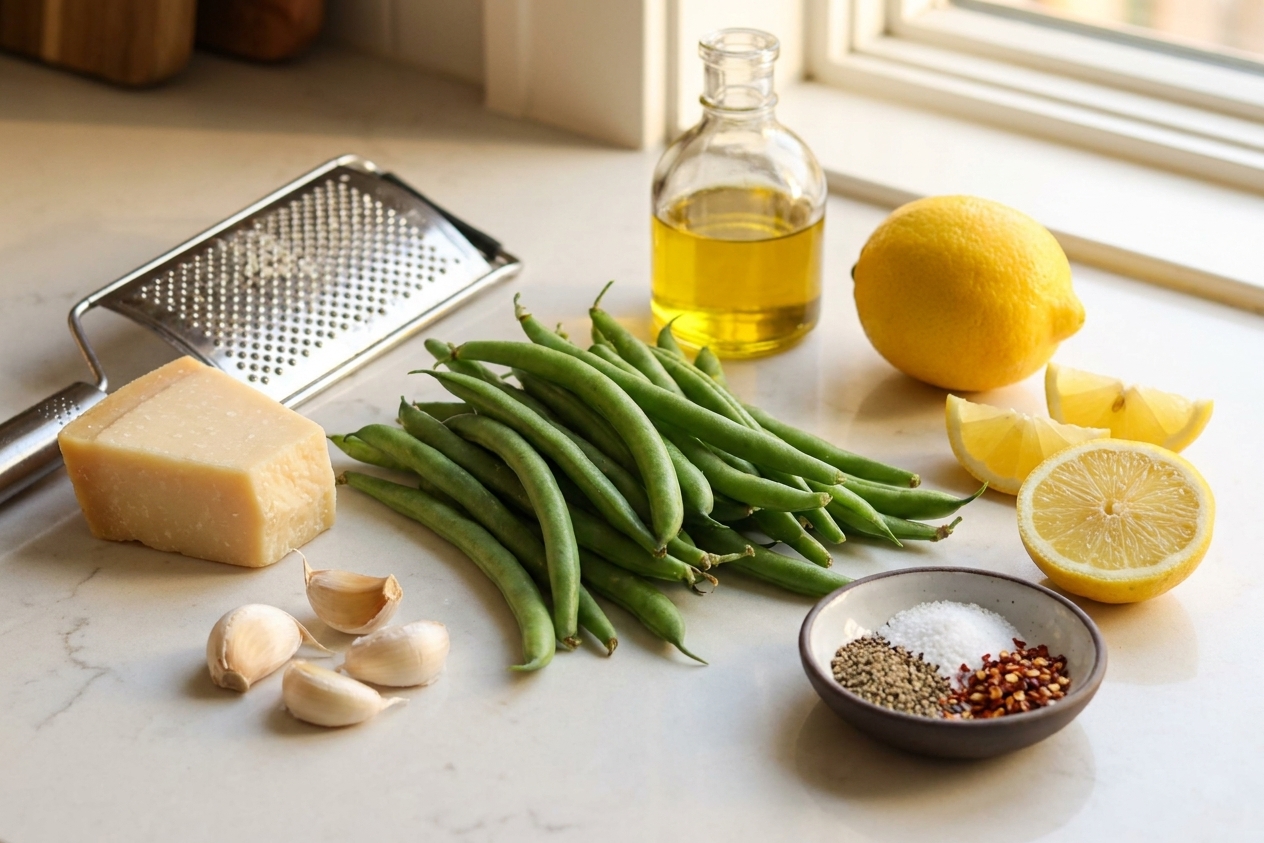
Today’s recipe: Crispy Garlic Parmesan Green Beans
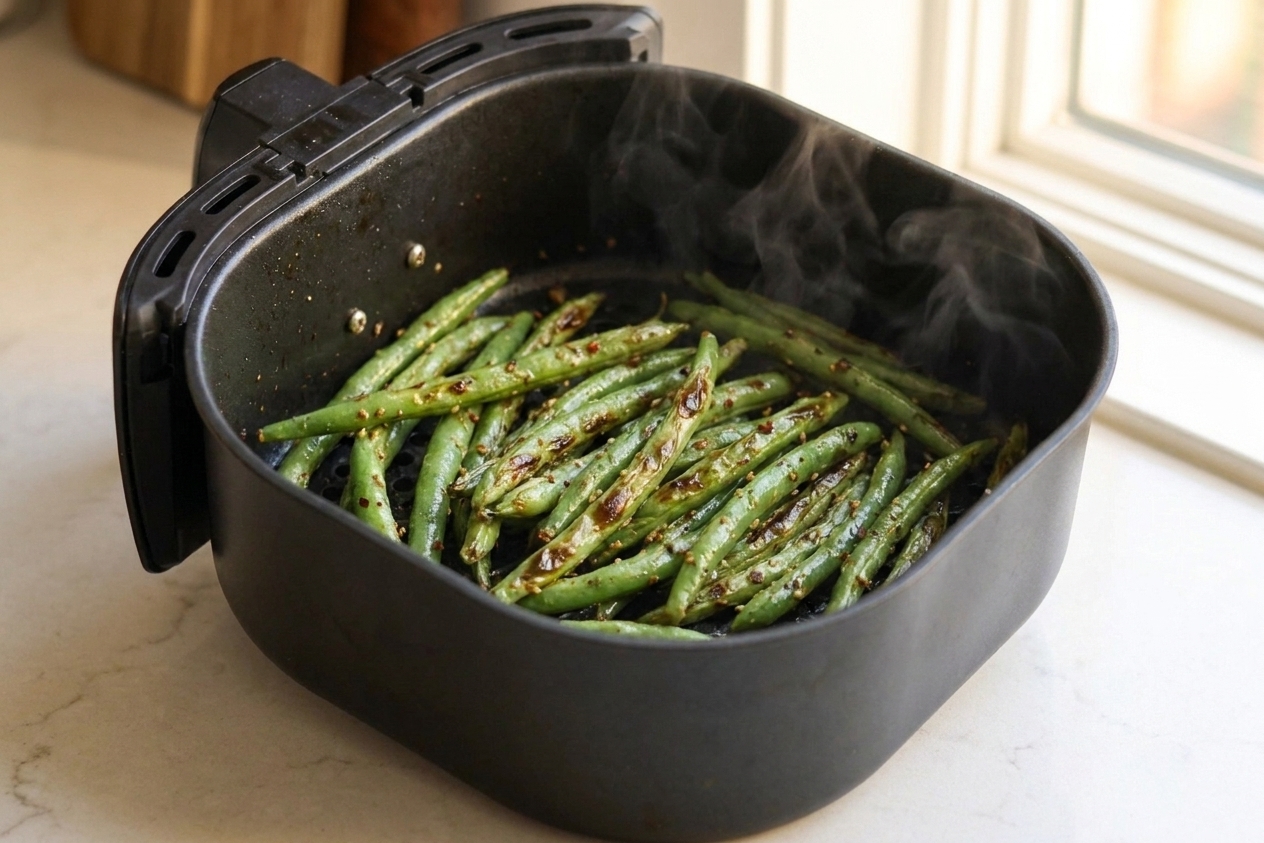
This is my go-to when I want a fast side that tastes like it tried harder than it did. The method also shows off the biggest air fryer truth: crispiness is mostly about space, heat, and timing, not fancy presets.