Mom's Best Recipes
Recipe

Ajitama: Soy-Seasoned Soft-Boiled Ramen Eggs

Jammy-yolk ramen eggs marinated in a balanced soy, mirin, and dashi blend with easy peel tips, a quick (optional) marinade heat step, and exact 6 to 7 minute timing.

Author By Matt Campbell
4.8
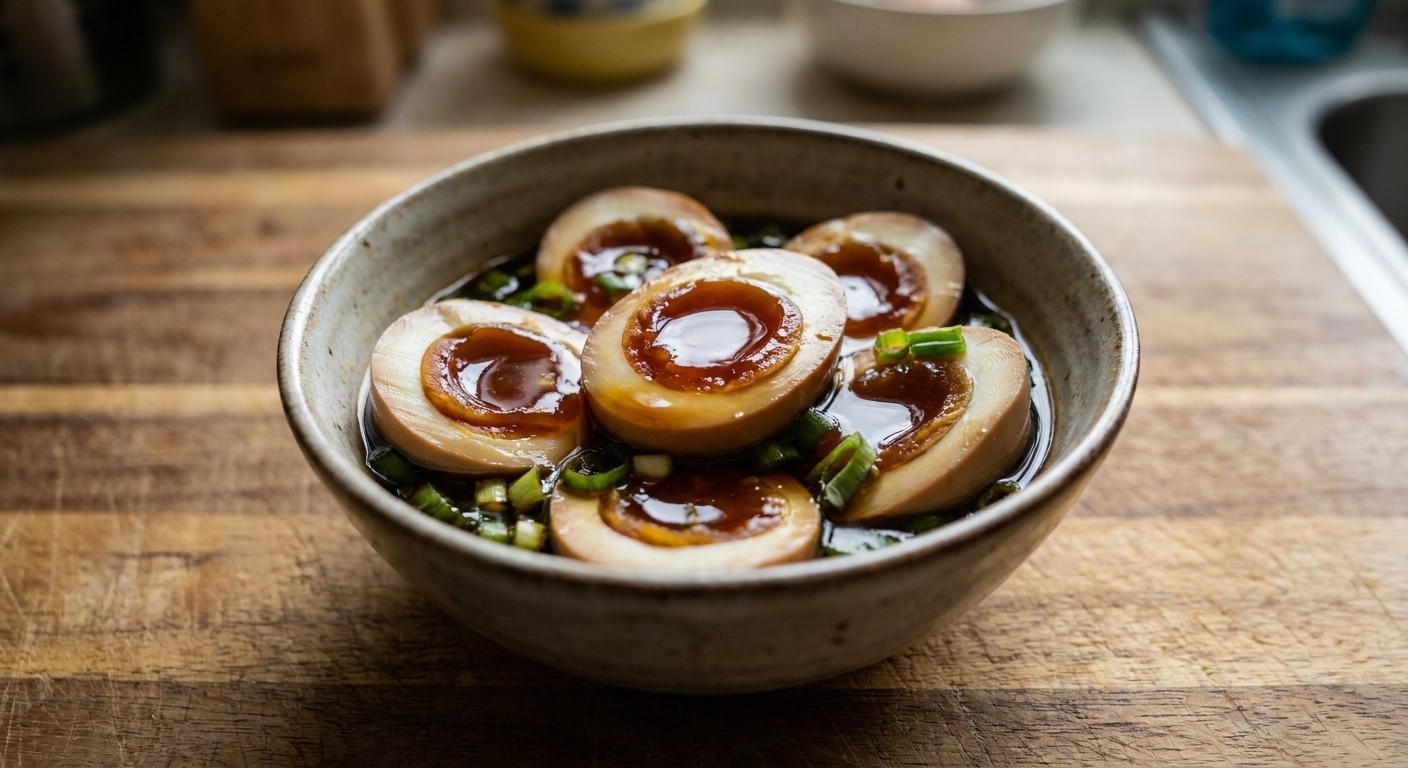
A close-up photo of halved ajitama ramen eggs with glossy jammy yolks, resting in a small bowl of soy mirin marinade with scallions on a wooden countertop

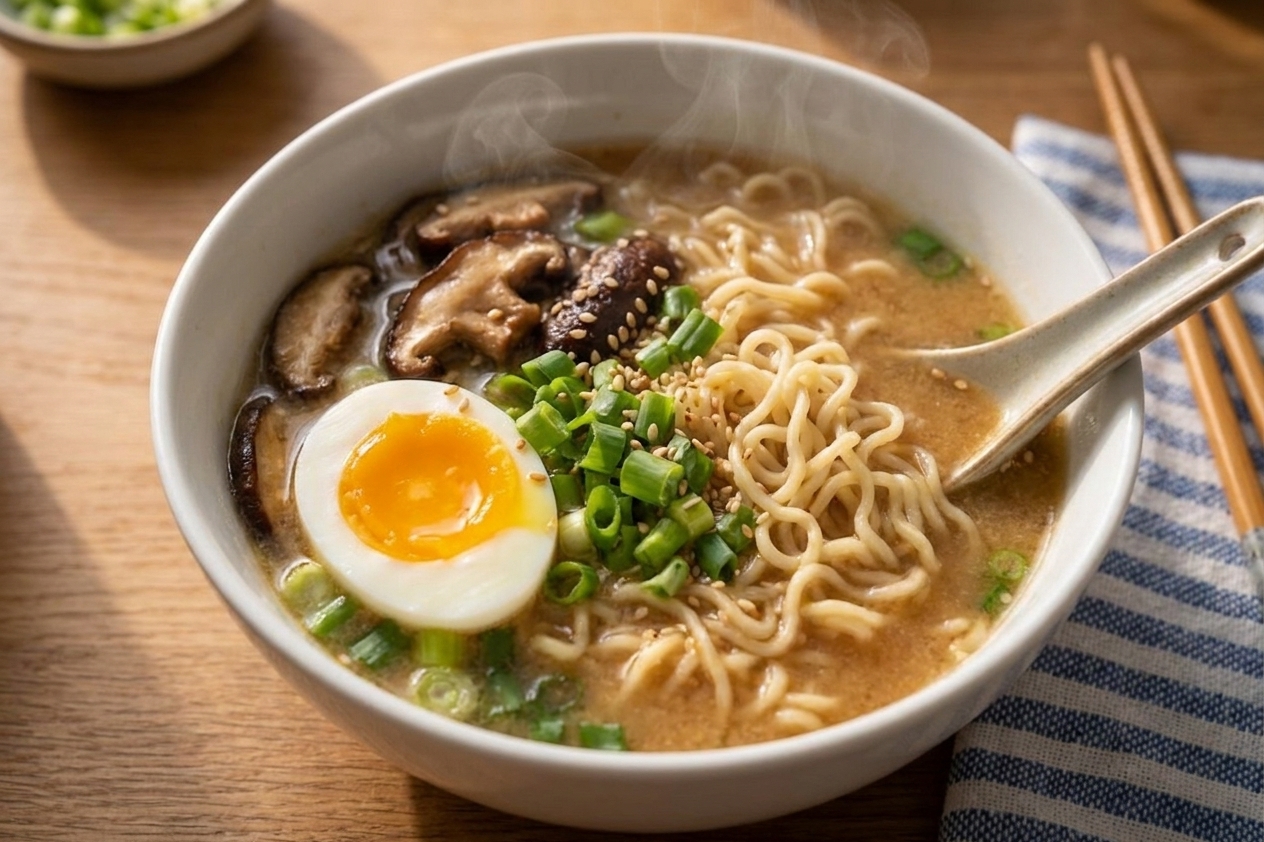
Ajitama is the ramen shop upgrade you can pull off on a Tuesday. Soft-boiled eggs with a jammy center, soaked in a savory-sweet marinade that tastes like you stole it from a tare jar behind the counter. And yes, the yolk is the point, but the real magic is what happens around it: the whites pick up this bronzed soy stain and a gentle sweetness that makes plain noodles feel like a plan.

We are keeping this version friendly for home cooks. No specialty gadgets, no mystery ingredients you will use once. You get a reliable 6 to 7 minute cook band, a 12 to 24 hour marinate window, an optional quick heat step to mellow mirin, and the peeling technique that saves your sanity when the shells want to cling for dear life.

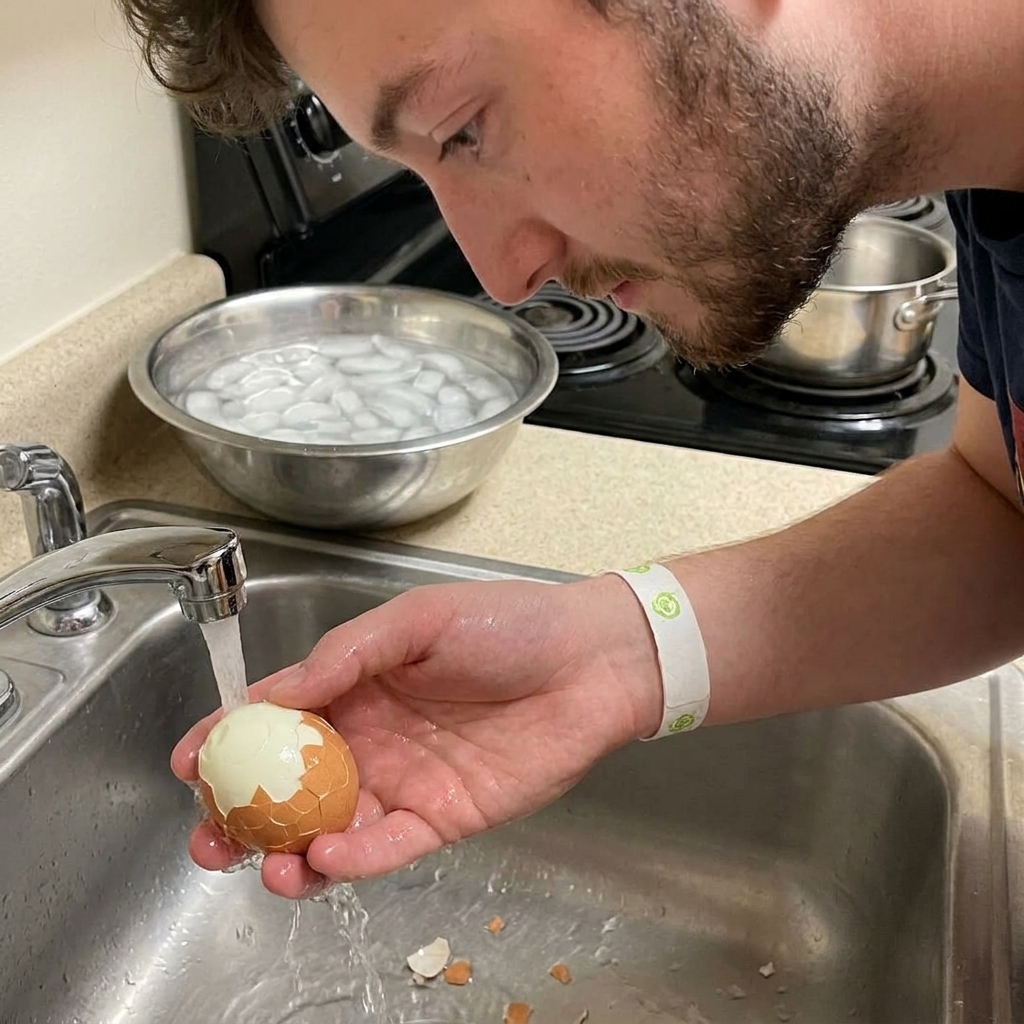
A real photo of a hand peeling a soft-boiled egg under gently running water with the shell cracked all over, an ice bath bowl and a small pot in the background

Why It Works

  • Jammy yolks, not roulette yolks: The timing bands tell you exactly what to expect at 6, 6.5, and 7 minutes.
  • A balanced marinade: Soy for salt, mirin for sweetness, and dashi for depth. If you do not have dashi, you still get a solid ramen egg with an easy swap.
  • Better peeling: A quick ice bath plus cracking the shell all over helps the membrane release so you keep the whites intact.
  • Optional mirin fix: A quick heat-and-chill step dissolves sugar and takes the sharp edge off the alcohol.
  • Meal-prep friendly: Make a batch, then use them in ramen, rice bowls, salads, and even toast when you want to feel fancy in sweatpants.

Pairs Well With

Storage Tips

How to Store Ajitama

  • In the fridge (best method): Keep eggs in an airtight container with enough marinade to cover at least halfway. Turn the eggs once or twice during storage if they are not fully submerged. Keep consistently refrigerated and use within up to 3 to 4 days (3 days is the safest bet for very soft eggs).
  • Food safety notes: Do not leave soft-boiled eggs at room temperature for long hangs. Discard the eggs and marinade if anything turns cloudy, slimy, or looks off, even if it does not smell terrible.
  • Marinade strength warning: After about 24 hours, the eggs keep absorbing. Totally edible, just saltier and darker. If you like a lighter flavor, pull them at 12 to 18 hours and store with a splash of fresh water or a little extra dashi.
  • Do not freeze: The whites turn rubbery and sad. Ajitama deserves better.
  • Leftover marinade: If you want to reuse it, bring it to a rolling boil for 1 to 2 minutes, cool quickly, and keep refrigerated. Reuse once within 24 to 48 hours as a seasoning for sautéed greens, mushrooms, or a drizzle over rice. Then toss it.

Leftover Uses That Actually Hit

  • Rice bowls: Hot rice, ajitama halves, scallions, sesame seeds, and a spoon of chili crisp.
  • Salads: Slice and add to a crunchy cabbage salad with sesame dressing.
  • Noodles: Instant ramen, soba, or udon with greens and ajitama makes it feel like you tried.
  • Toast: Buttered toast, ajitama, furikake or everything bagel seasoning, and a squeeze of lemon.

Common Questions

Common Questions

How long should I boil eggs for ajitama?

For large eggs straight from the fridge in fully boiling water (keep it at a steady boil, not a timid simmer):

  • 6 minutes: very soft set whites, runnier jammy yolk
  • 6 minutes 30 seconds: classic jammy center, my sweet spot
  • 7 minutes: firmer jam, still not hard-boiled

Egg size, starting temperature, water volume, stove strength, and altitude can shift results. If it is your first time, cook one tester egg and adjust by 15 to 30 seconds next round.

Do I need dashi?

No, but it adds that ramen shop depth. If you do not have dashi, use water plus 1/2 teaspoon mushroom powder or a small strip of kombu if you have it. You can also use a mild chicken broth, but keep it unsalted so the soy does not go overboard.

What kind of mirin should I use?

Either works, but they behave a little differently. Hon-mirin (true mirin) has more alcohol and a cleaner sweetness. Aji-mirin (seasoned cooking mirin) is sweeter and usually has less alcohol. If your marinade tastes a little sharp right after mixing, do the optional quick heat step to mellow the alcohol and dissolve the sugar, then chill before using.

Why are my eggs hard to peel?

Super fresh eggs tend to cling. The best fixes are: a good ice bath, cracking the shell all over, peeling under a thin stream of water, and starting from the wider end where the air pocket lives.

Can I marinate them longer than 24 hours?

You can, but they get noticeably saltier and darker. Past 36 hours the texture can start to feel a little cured. If you like a gentler flavor, stick to 12 to 24 hours.

Can I reuse the marinade?

You can reuse it once, but be strict about safety. Bring it to a rolling boil for 1 to 2 minutes, cool quickly, and keep it refrigerated. Reuse within 24 to 48 hours and discard if it turns cloudy, slimy, or looks off.

The first time I tried to make ajitama, I treated it like a hard-boiled egg situation. I walked away, came back, and accidentally made what I can only describe as “ramen eggs that went to work in an office.” Fine, but not the vibe. Once I started timing like a maniac and actually doing an ice bath, it clicked. Now I keep a couple marinating in the fridge like edible insurance. Any bowl of noodles can have a good day when a jammy egg shows up.