Small paws, big appetite, and a soft spot for comfort food. That is me, Pip, and yes, that includes the cozy little ritual of an aperitivo before dinner. If you have ever stared at two bright red-orange bottles, Aperol and Campari, and wondered if they are basically the same thing, you are in good company.
They are both Italian aperitifs, both famously bittersweet, and both make cocktails look like sunset in a glass. But they taste different, mix differently, and they are not always interchangeable. Let’s sort it out.
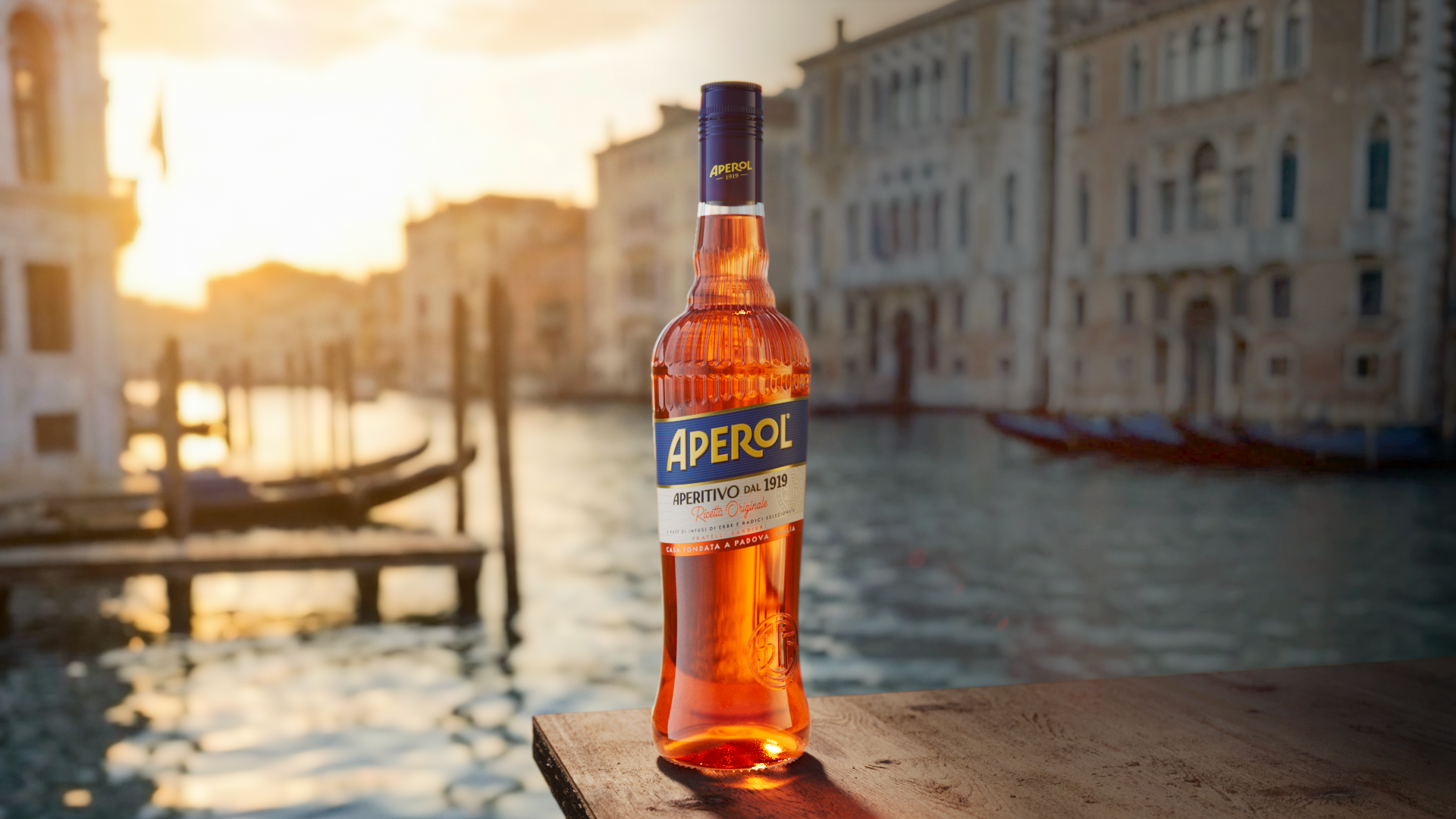
Aperol vs Campari at a glance
If you want the quick version, here is the cheat sheet.
- Bitterness: Campari is much more bitter. Aperol is gently bitter.
- Sweetness: Aperol reads sweeter and softer. Campari can taste drier because the bitterness leads.
- Alcohol content (ABV): Campari is typically stronger. Aperol is typically lower alcohol.
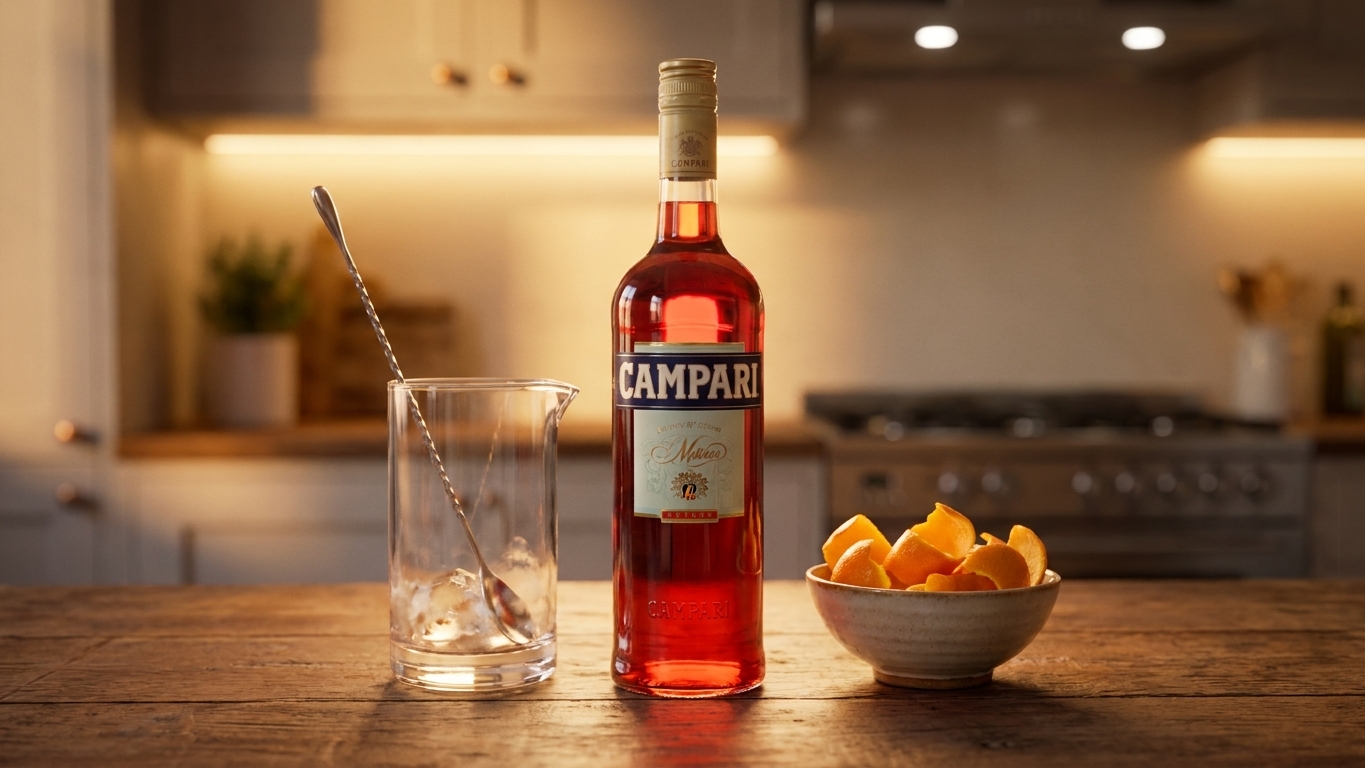
- Color: Campari is deeper ruby red. Aperol is brighter orange.
- Best-known drinks: Aperol loves the Spritz. Campari loves the Negroni.
What they are (and why both exist)
Aperol is an Italian aperitif designed to be friendly and easy to sip, especially in long drinks with bubbles. It is citrusy, lightly bitter, and lower in alcohol than many liqueurs.
Campari is also an Italian aperitif, but it is bolder and more assertive. It is known for a sharper bitterness and a richer, darker flavor profile that stands up to strong spirits like gin and whiskey.
Both are in the same general family, but they were built for different moods.
Taste: gentle vs bold
How Aperol tastes
Aperol tends to taste like bright orange and gentle herbs with a soft bitterness. Many people describe it as approachable, even if they are still learning to like bitter flavors.
Flavor vibes: orange peel, lightly herbal, pleasantly bittersweet
How Campari tastes
Campari is more intense and more bitter, with a deeper herbal bite. It can feel “grown-up” on the palate, and it absolutely does not hide in a cocktail.
Flavor vibes: bitter herbs, dark citrus, a more medicinal edge (in a good way, if you like bitterness)
Bitterness and sweetness in drinks
When people say “Aperol is sweeter” they usually mean it tastes less bitter, so the sweetness comes forward. With Campari, the bitterness is the headline, so even though both contain sugar, Campari often drinks drier to many palates.
This matters because bitterness changes everything: it changes how a drink finishes, how refreshing it feels, and how it pairs with snacks.
- If you want an easy sipper: Aperol is usually the safer pick.
- If you want a bracing aperitif that wakes up your taste buds: Campari is the move.
Color: orange vs ruby
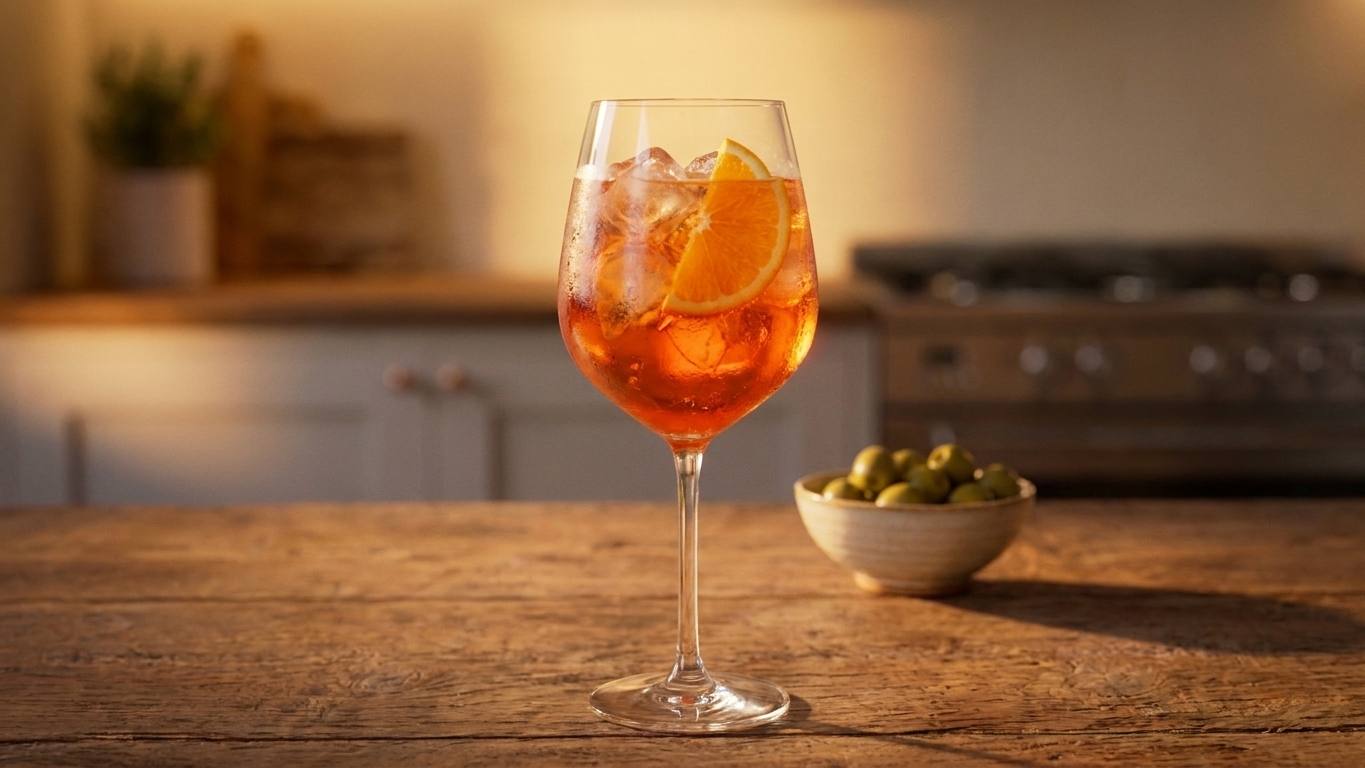
In the glass, Aperol is typically a bright orange. Campari is usually a deeper red. That is why an Aperol Spritz looks like a light sunset, while a Campari-based drink often looks more jewel-toned.
If presentation matters for your party spread, keep that in mind. Swapping Campari into a spritz will darken the drink and make it look more serious and moody.
Alcohol content: which is stronger?
In most markets, Aperol is lower alcohol, while Campari is higher. As a real-world example, Aperol is commonly around 11% ABV in many countries, while Campari often lands somewhere around 20.5% to 28.5% ABV depending on where you buy it.
Exact ABV varies by country and bottling, so the best habit is still to glance at the label where you live.
Practical takeaway: if you swap Campari into a drink that was designed for Aperol, you will usually get a cocktail that is stronger and more bitter.
Best cocktails for each
Best drinks for Aperol
Aperol shines in tall, bubbly, citrus-forward cocktails. It plays nicely with sparkling wine, soda water, and lots of ice.
- Aperol Spritz: the classic, light, bubbly aperitivo
- Aperol and soda: very simple, very refreshing
- Gin and Aperol highballs: an easy, citrusy option when you want lift without heavy bitterness
Best drinks for Campari
Campari is perfect when a cocktail needs structure and backbone. It pairs beautifully with gin and sweet vermouth, and it can handle whiskey too.
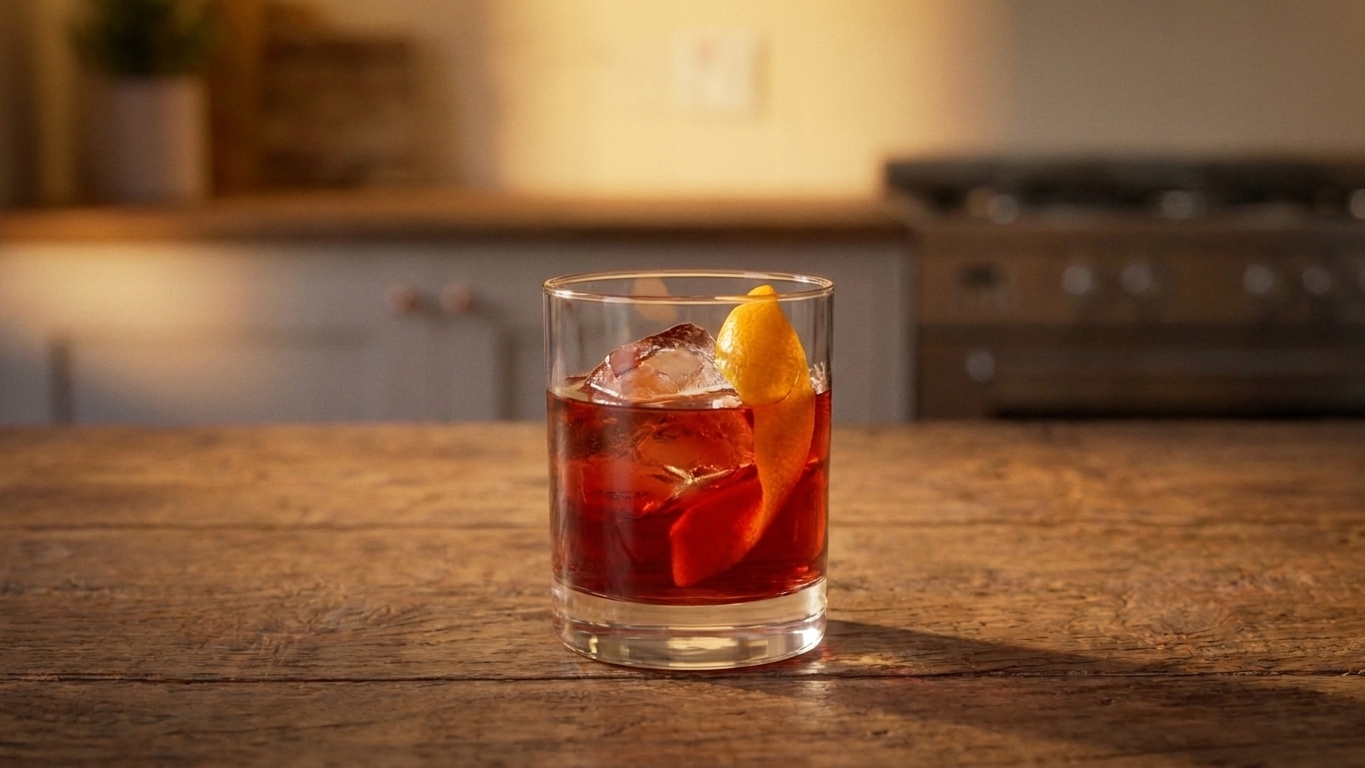
- Negroni: equal parts gin, sweet vermouth, Campari
- Boulevardier: whiskey, sweet vermouth, Campari
- Americano: Campari, sweet vermouth, topped with soda for a lighter, fizzy option
Spritz ratio (and how swaps change it)
If you are a “just tell me what to pour” person, the classic Aperol Spritz is often remembered as 3-2-1: 3 parts prosecco, 2 parts Aperol, 1 part soda, plus plenty of ice and an orange slice.
If you make that same build with Campari, expect a darker, more bitter spritz. My cozy tip: start with less Campari than you would Aperol, then adjust after a sip. Extra ice and extra bubbles go a long way.
Can you substitute them?
Yes, but it helps to swap with intention. These bottles are cousins, not twins.
If a recipe calls for Campari and you only have Aperol
Your drink will be less bitter, lighter, and often sweeter. That can be lovely, especially if you are easing into bitter cocktails.
Easy adjustment ideas:
- Add a smaller amount of Aperol at first, then taste and increase.
- If the drink tastes too sweet, add a splash more soda (for tall drinks) or a touch more dry spirit (for stirred drinks), keeping things balanced.
- Use a big orange peel to add citrus bite and aroma.
If a recipe calls for Aperol and you only have Campari
Your drink will be more bitter and usually stronger. Some people adore a Campari Spritz, but it is definitely punchier than the Aperol version.
Easy adjustment ideas:
- Start by using less Campari than the Aperol amount, then taste.
- Lean into extra bubbles and extra ice to soften the bitterness.
- Pair with snacks like salty nuts, chips, olives, or cheese. Salt helps bitter flavors feel smoother.
When to choose which
Choose Aperol if...
- You like citrus-forward drinks.
- You prefer gentle bitterness.
- You want a lower-alcohol aperitif for daytime hangs or early evenings.
- You are making spritzes for a crowd with mixed tastes.
Choose Campari if...
- You love bold, bitter cocktails.
- You want classic stirred drinks like a Negroni or Boulevardier.
- You want an aperitif that still tastes like itself next to gin or whiskey.
How to store them
Both Aperol and Campari are shelf-stable aperitifs. Keep them tightly capped in a cool, dark spot.
- Do you need to refrigerate them? Not required, but chilling is nice if you use them often for spritzes.
- Do they go bad? There is no single universal “expiry moment,” but heat, light, and oxygen can slowly dull flavors over time, especially once a bottle is opened and half-full for a long stretch. If it starts tasting flat or less aromatic, it might be time to replace it.
FAQ
Is Aperol basically a lighter Campari?
In a practical sense, yes. Aperol is typically lighter, less bitter, and lower alcohol. But the flavor is not identical, so it will not behave exactly the same in every cocktail.
Which one is more bitter?
Campari is more bitter than Aperol.
Can I make a spritz with Campari?
Absolutely. A Campari Spritz is more bitter and deeper in color than an Aperol Spritz. If you are unsure, start with a smaller pour of Campari and add more to taste.
Which one should I buy first?
If you want crowd-pleasing, bubbly patio drinks, start with Aperol. If you want classic, spirit-forward cocktails and you already like bitter flavors, start with Campari.
Pip’s cozy bottom line
If Aperol is a bright, citrusy hello, Campari is a bold, bitter handshake. Both belong in a happy kitchen, it just depends on what you are mixing and who is sipping.
If you want gentle and bubbly, grab Aperol. If you want classic, bitter, and unmistakably aperitivo, reach for Campari. And if you only have one, you can still make a lovely drink with the other. Just start small, taste as you go, and let the bubbles do a little smoothing.