Mom's Best Recipes
Recipe

Authentic Chicken Pho (Phở Gà)

Clear, aromatic broth, tender chicken, silky rice noodles, and a pile of fresh herbs. A cozy bowl that tastes like it took all day, without the drama.

Author By Matt Campbell
4.8
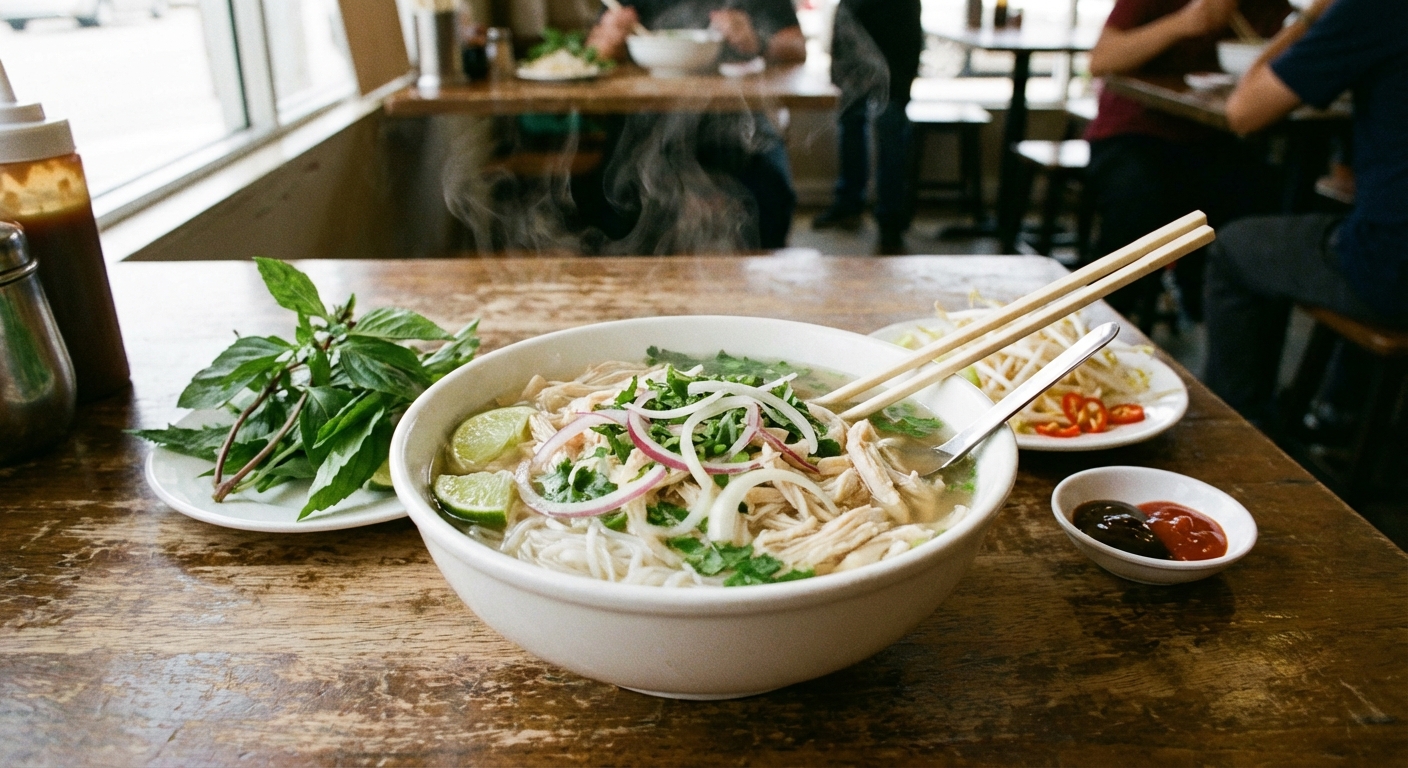
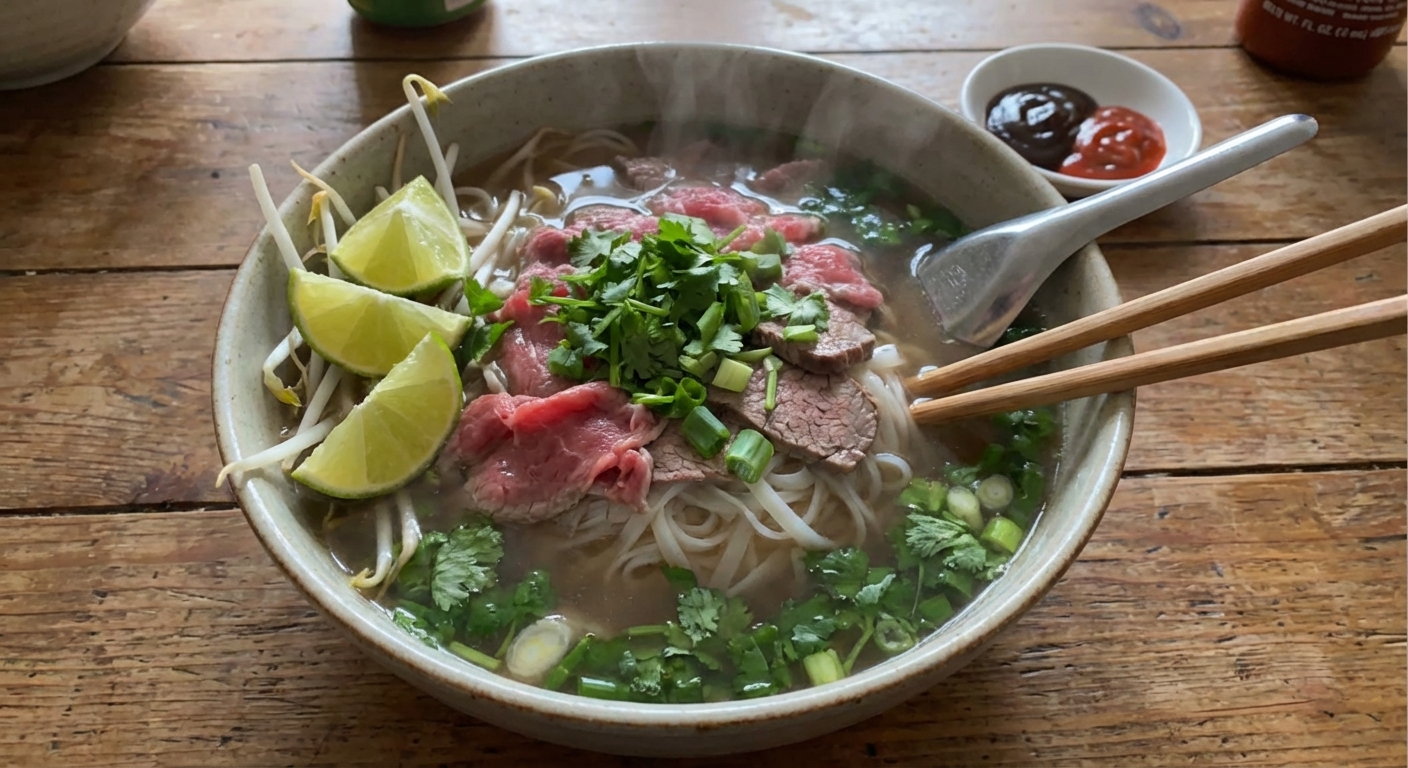
A steaming bowl of Vietnamese chicken pho with rice noodles, shredded chicken, sliced onion, cilantro, and lime wedges on a wooden table

Pho is not just soup. Pho is a whole mood. It is comfort you can slurp, a broth so fragrant you lean in like it is gossip, and the kind of dinner that makes leftovers look like a life choice you planned on purpose.

This is phở gà, Vietnamese chicken pho: a clear, gently spiced broth built from charred aromatics, toasted spices, and a properly simmered chicken. It is bright, savory, and quietly powerful, like a warm hug that also tells you to drink some water.

What makes it feel authentic is the method: parboil or scrub the chicken clean, char the onion and ginger, toast the spices, simmer low and slow, then season in layers with fish sauce and a little sugar for balance. Then you finish your bowl your way with herbs, lime, and chilies. You are the boss of your own pho destiny.
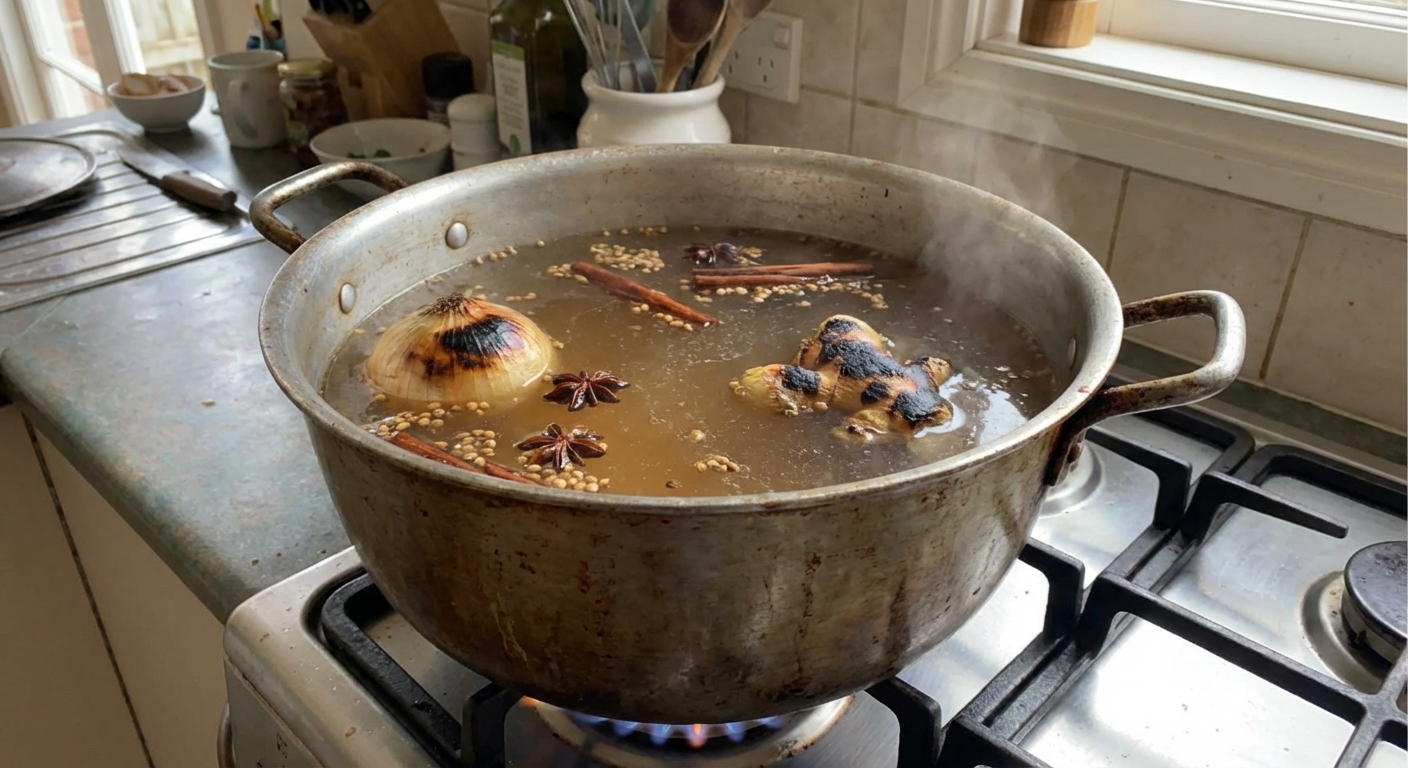
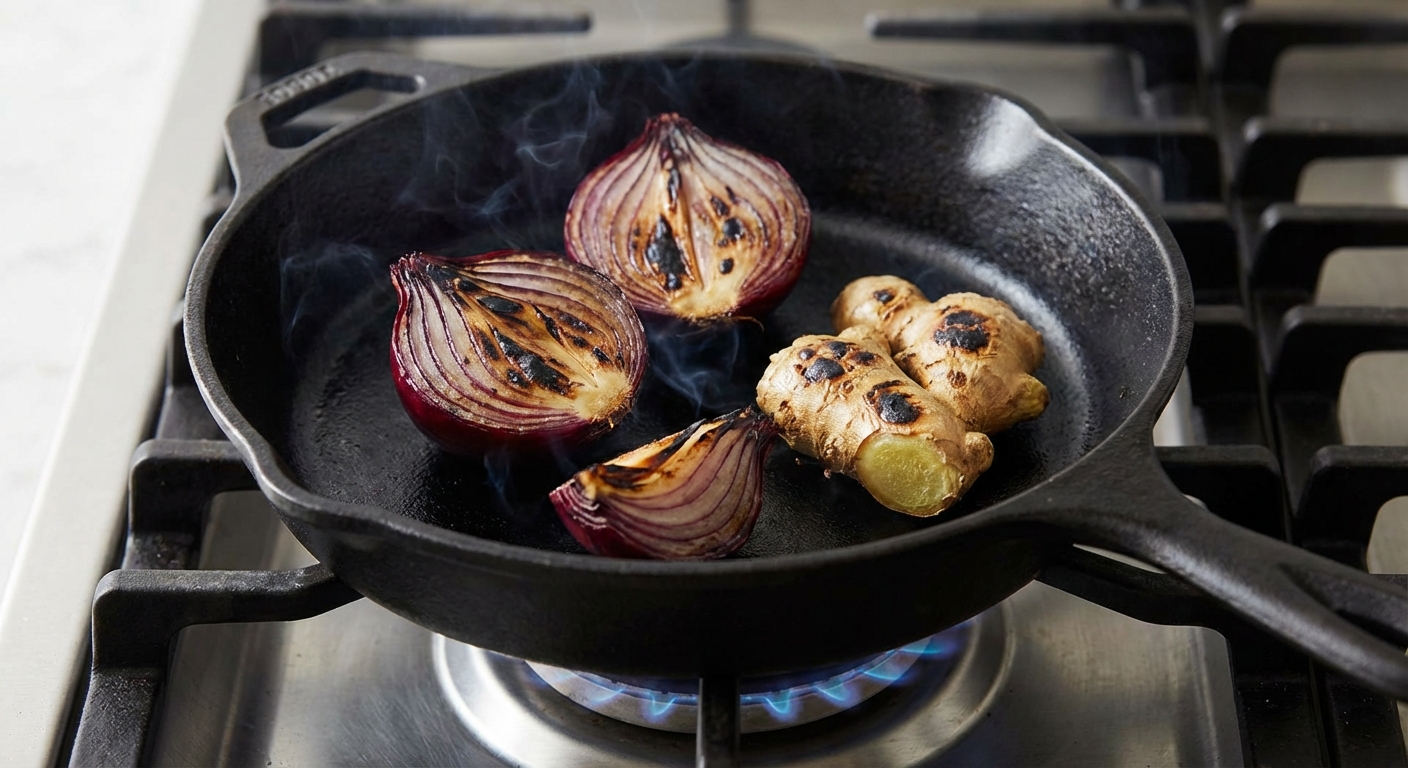
A pot of clear pho broth simmering with charred onion, ginger, and spices on a stovetop

Why It Works

  • Crystal-clear broth: Quick blanching and gentle simmering keep the soup clean and golden instead of cloudy.
  • Big aroma, not heavy spice: Toasted star anise, cinnamon, and coriander make the kitchen smell like a miracle, but the flavor stays balanced.
  • Juicy chicken: Pull the chicken when it is just cooked, then shred and keep it tender.
  • Make-your-own-bowl magic: The broth is the base, but the herbs, lime, bean sprouts, and chilies make it pop.

Storage Tips

Store broth, noodles, and toppings separately for the best reheated bowl. Pho is a little like a crisp shirt. It does not like being crumpled.

Refrigerator

  • Broth: Cool completely, then refrigerate in a sealed container for up to 4 days. Skim off and discard (or save) the fat cap if you want a cleaner taste.
  • Chicken: Store shredded chicken in broth or with a splash of broth to keep it moist, up to 3 to 4 days.
  • Noodles: Cooked noodles keep 1 to 2 days. Rinse, drain well, and toss with a few drops of neutral oil to prevent sticking.
  • Herbs and sprouts: Store dry in a container lined with paper towel, best within 2 days.

Freezer

  • Broth: Freeze up to 3 months. Leave headspace for expansion.
  • Chicken: Freeze up to 2 months, ideally in a little broth.

Reheating

  • Bring broth to a full simmer. Taste and adjust with fish sauce or a pinch of sugar.
  • Warm noodles by dunking them in hot broth or pouring boiling water over them for 10 to 20 seconds, then assemble.

Common Questions

Is this really “authentic” if I cannot find every single ingredient?

Authentic is technique first. The essentials are charred aromatics, toasted spices, and fish sauce seasoning. If you cannot find sawtooth herb (ngo gai) or culantro, just use cilantro and Thai basil. You will still land the plane.

Why char the onion and ginger?

Charring adds smoky sweetness and depth, and it makes the broth taste like you know what you are doing even if you are wearing mismatched socks.

How do I keep pho broth clear?

  • Blanch the chicken and bones, then rinse.
  • Simmer gently, do not hard-boil.
  • Skim foam early and often.
  • Strain through a fine-mesh sieve.

Can I use chicken breasts only?

You can, but the broth will be less rich. For best flavor, use a whole chicken or at least bone-in, skin-on thighs plus some backs, wings, or feet if you can get them.

What noodles should I buy?

Look for bánh phở (flat rice noodles). Dried is easiest. Fresh works too, just rinse and warm briefly.

Do I need hoisin and sriracha?

They are common table condiments, especially outside Vietnam, but they are optional. If you use them, add to your bowl, not the pot, so the broth stays clean and balanced.

The first time I tried to make chicken pho at home, I treated it like regular chicken soup. I tossed everything in a pot, cranked the heat, and wondered why my broth looked like it had secrets. It tasted fine, but it did not taste like pho.

Then I learned the two moves that change everything: char your aromatics and go low and slow. Suddenly the broth turned clear and golden, the spices smelled like a warm bakery that also sells tranquility, and my kitchen felt like a tiny noodle shop. Now I make a big pot when life needs soft edges, and I always “accidentally” cook extra noodles because midnight pho is a personality trait.