
Mom's Best Recipes
Recipe

Baked Haddock with Lemon Butter

Flaky, tender haddock baked fast and finished with a bright lemon butter sauce. A weeknight seafood win that tastes like you tried harder than you did.

Author By Matt Campbell
4.8
Baked haddock fillets in a white baking dish topped with lemon butter sauce and chopped parsley, with lemon slices on the side

If you have ever stood in front of the fish case thinking, “I want something healthy, but I also want it to taste like a restaurant did it,” hi, welcome. This baked haddock with lemon butter is my favorite kind of weeknight flex: minimal prep, maximum flavor, and it makes your kitchen smell like you have your life together.

Haddock is mild and lean, which means it loves a little help from fat and acid. Enter: lemon butter. We bake the fish gently until it flakes, then spoon over a quick sauce that tastes bright, rich, and slightly dramatic in the best way. Serve it with rice, roasted potatoes, or whatever carb is currently auditioning for “most comforting.”

Quick buying note: Fresh or previously frozen both work. Give fillets a quick check for pin bones, and use skin-off or skin-on, whatever you prefer.
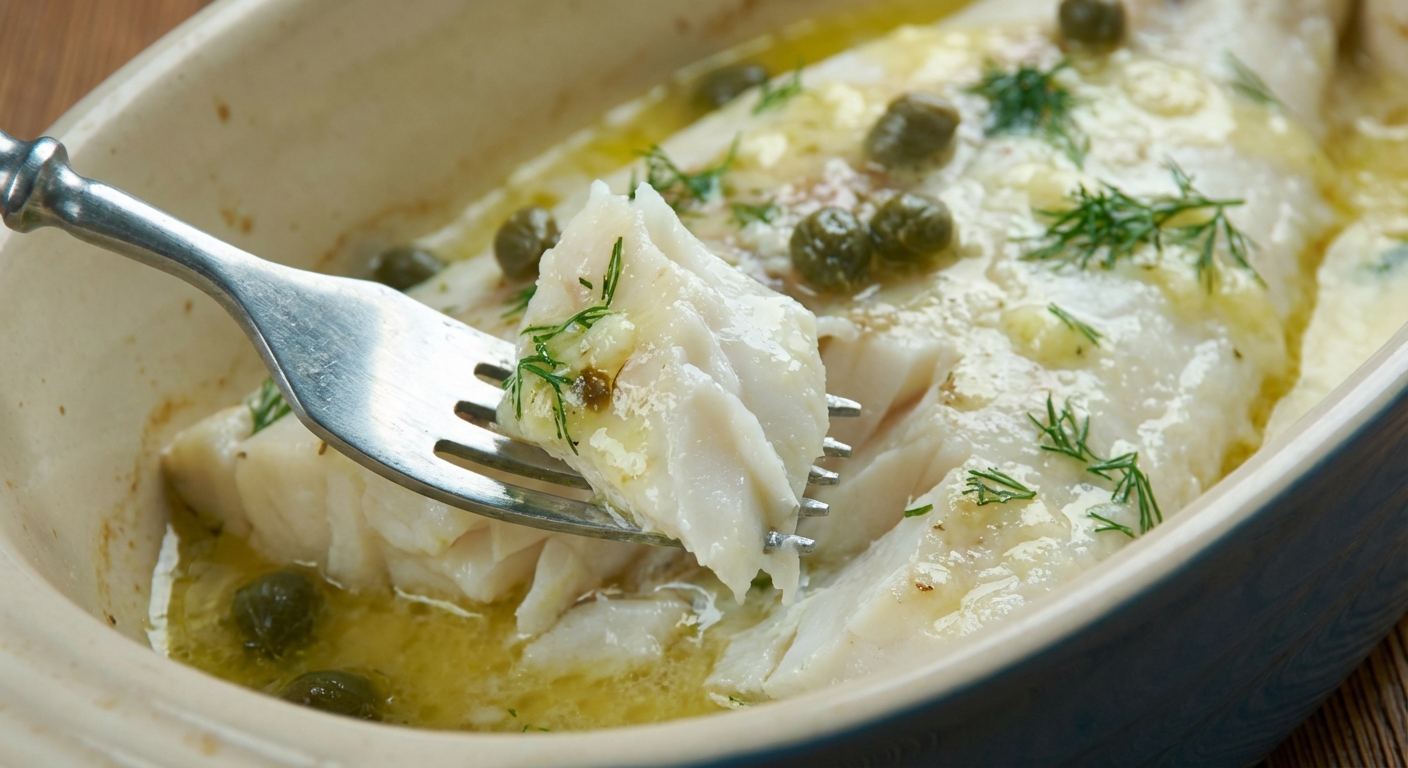
Fork flaking tender baked haddock into moist white layers with lemon butter

Why It Works

  • Fast and forgiving: Haddock cooks quickly in the oven, and the lemon butter covers a multitude of sins, including slightly overbaked edges.
  • Big flavor, small ingredient list: Butter, lemon, garlic, and a pinch of paprika turn mild fish into something you actually crave.
  • Moist, flaky results: Pat-dry plus a hot oven plus a saucy finish keep this lean fish tender.
  • Flexible: Works with cod, pollock, or even halibut, just adjust cook time by thickness.

Storage Tips

Fridge: Cool leftovers, then store in an airtight container for up to 2 days. Keep any extra lemon butter sauce separate if you can.

Reheat (best method): Warm gently in a 300°F oven for 8 to 12 minutes, covered loosely with foil. Add a small pat of butter or a splash of water to keep it from drying out.

Microwave (still fine): Use 50% power in short bursts. Fish goes from perfect to overdone fast.

Freezing: You can freeze cooked haddock, but it will be a little drier. If you do, wrap well and freeze up to 1 month. Thaw overnight in the fridge and reheat gently.

Leftover glow-up: Flake the fish into a salad with cucumbers and dill, or fold into warm rice with peas and extra lemon.

Common Questions

How do I know when haddock is done?

When it flakes easily with a fork and looks opaque throughout. If you use an instant-read thermometer, you have two good options: for USDA-style guidance, aim for 145°F in the thickest part. For a moist, restaurant-style result, pull it at 130 to 135°F, then let it rest 2 to 3 minutes for carryover cooking.

Can I use frozen haddock?

Yes. Thaw overnight in the fridge if possible, then pat it very dry. If you cook from frozen, expect a longer bake time and more water in the dish. Carefully pour off the liquid before saucing.

What is the best baking temperature for haddock?

400°F is my sweet spot. Hot enough for a little edge color, not so hot the fish dries out before you blink.

Can I make it dairy-free?

Swap butter for a good olive oil and finish with extra lemon and a pinch of flaky salt. You will lose the creamy richness, but you will gain a punchy, Mediterranean vibe.

What should I serve with it?

Roasted potatoes, rice, buttered noodles, or a big crunchy salad. If you want the full cozy package, do mashed potatoes and spoon the lemon butter over everything like you mean it.

The first time I made baked haddock on a weeknight, I treated it like a fragile museum artifact and still somehow overcooked it. Classic. The next time, I stopped being precious, turned the oven up, dried the fillets thoroughly, and gave them a lemon butter finish that basically acts like a soft-focus filter for dinner. Now it is one of those meals I make when I want something light but still want to feel emotionally supported.