Mom's Best Recipes
Recipe

Balsamic Vinaigrette

Tangy, slightly sweet, and perfectly balanced. Shake it in a jar and use it on salads, bowls, roasted veggies, and more.

Author By Matt Campbell
4.8
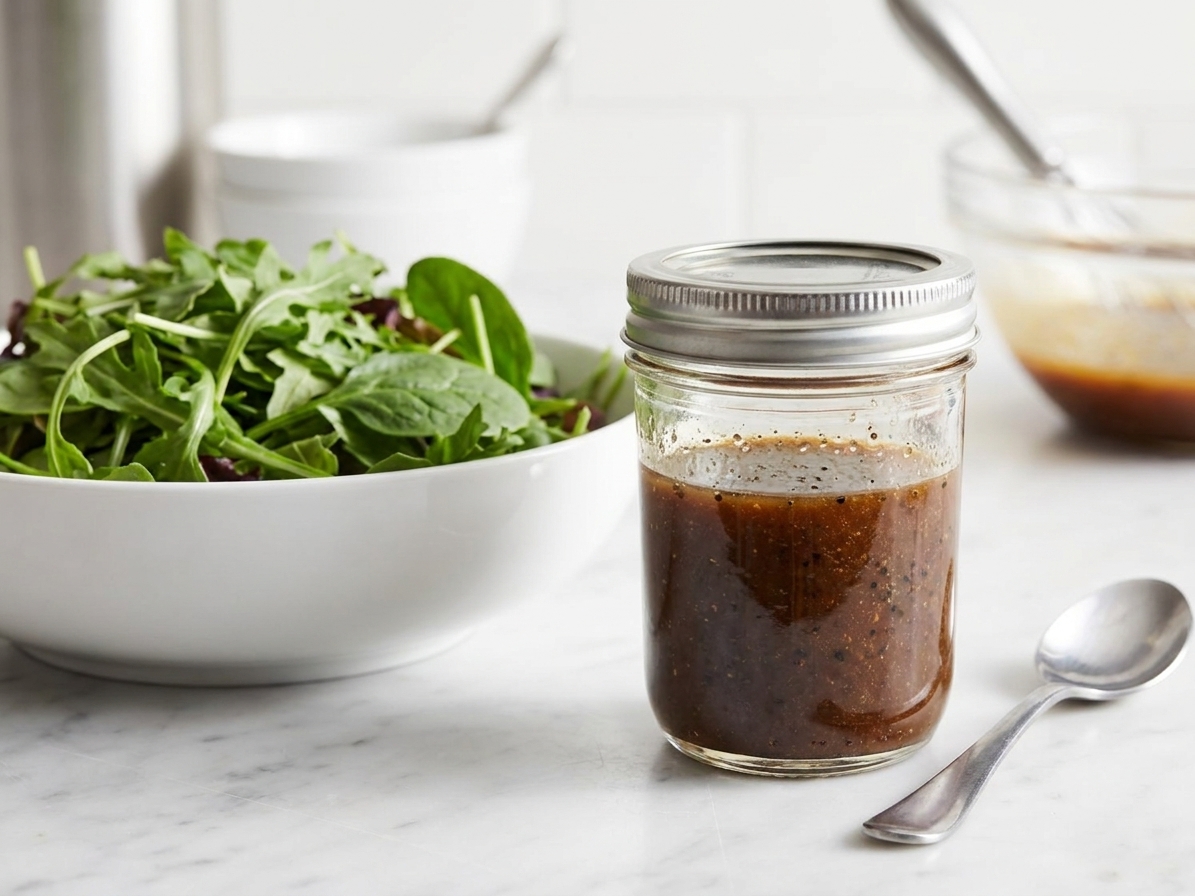
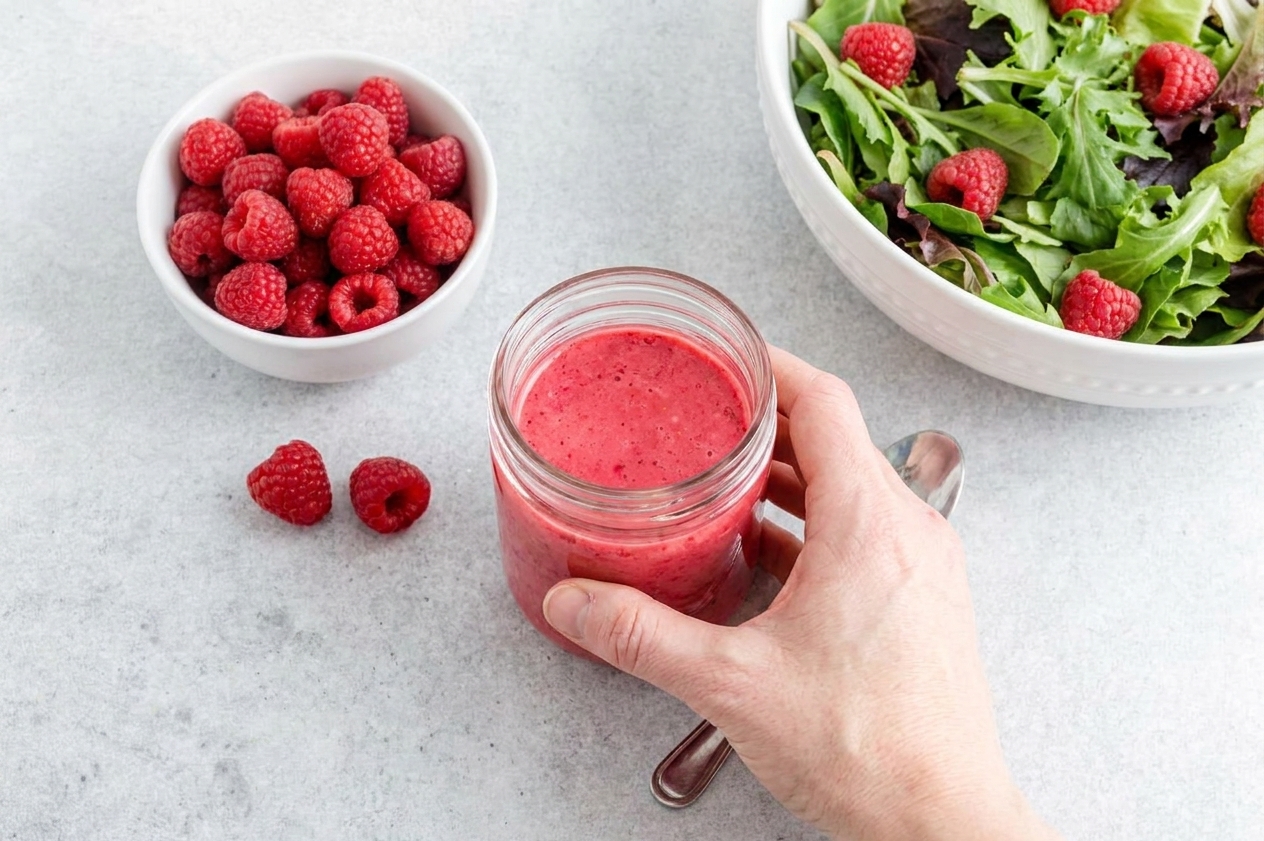
A small glass jar of balsamic vinaigrette with visible pepper specks on a bright kitchen counter beside a leafy green salad and a spoon

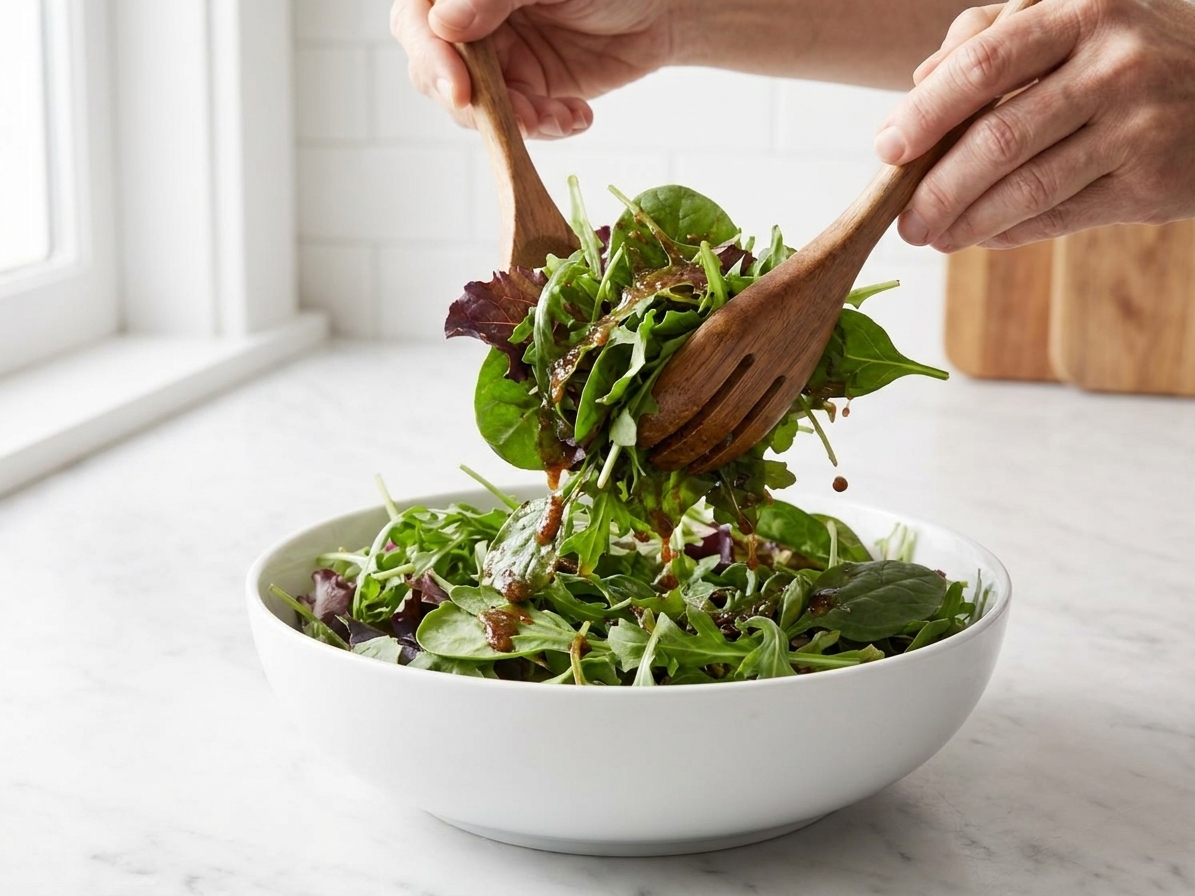
There are two kinds of salads. The kind you eat because you feel like you should, and the kind you keep “accidentally” making all week because the dressing is doing the heavy lifting. This balsamic vinaigrette is firmly in that second category.

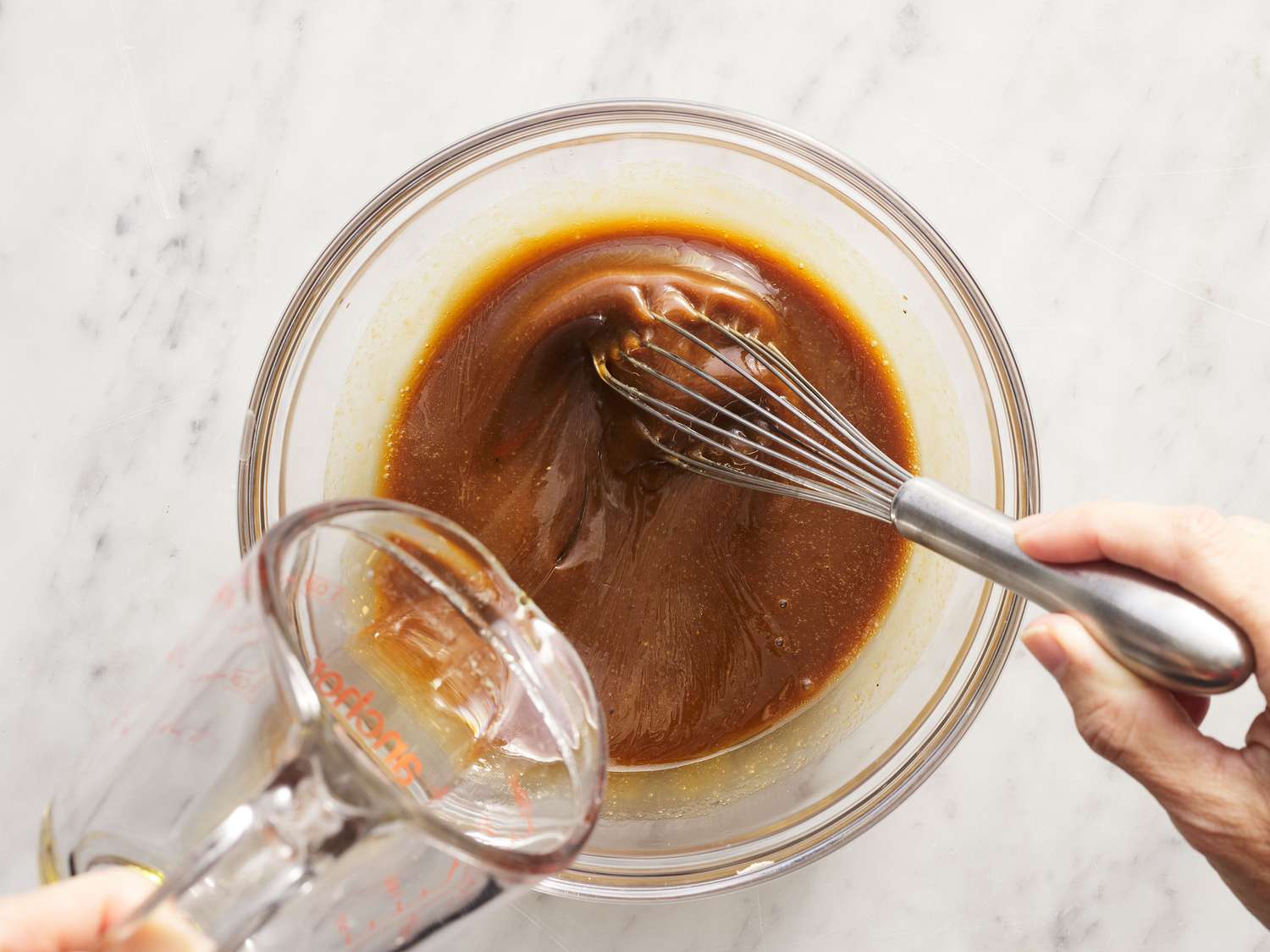
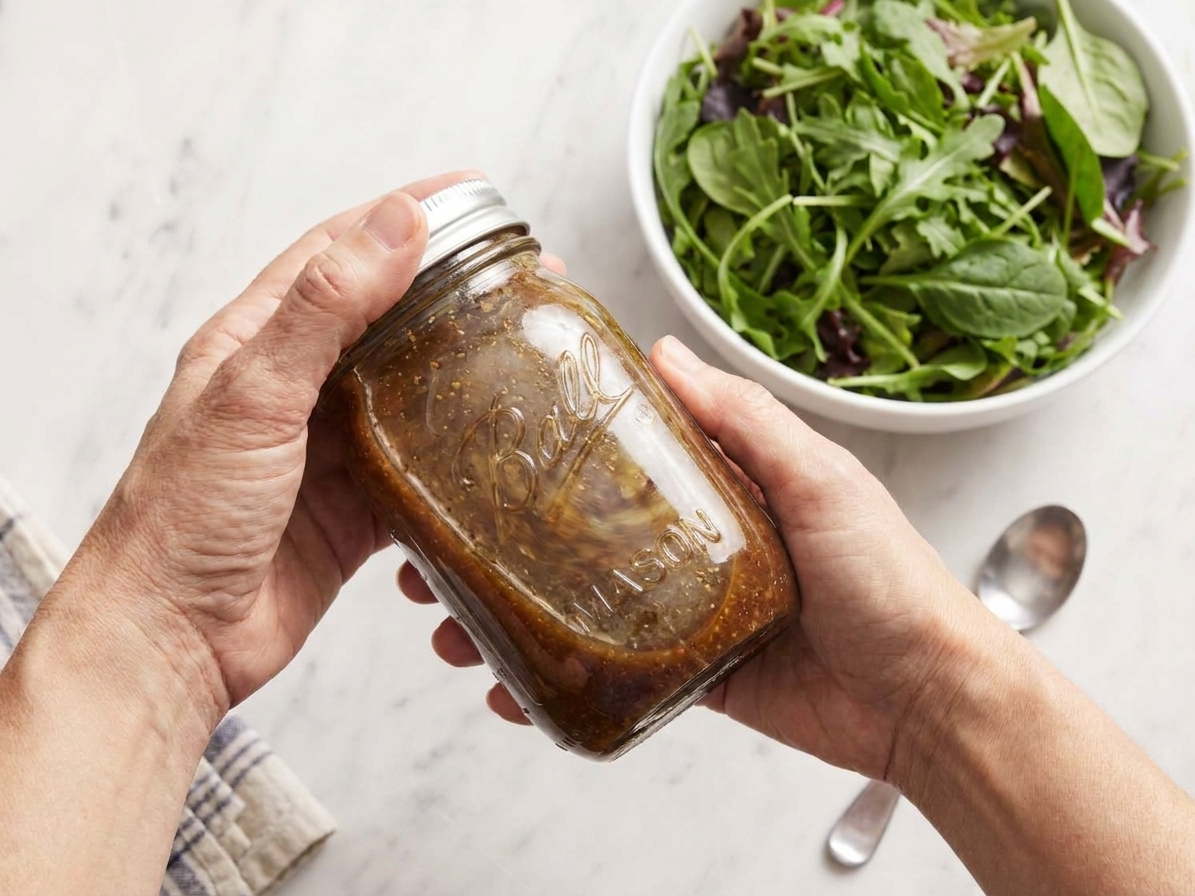
It is bright and tangy with a little sweetness, a gentle garlic bite, and enough body to cling to greens instead of sliding sadly to the bottom of the bowl. You can whisk it in a bowl, but I usually go full low-drama and shake it in a jar. Taste as you go, tweak it like you mean it, and suddenly your Tuesday salad is giving restaurant energy.
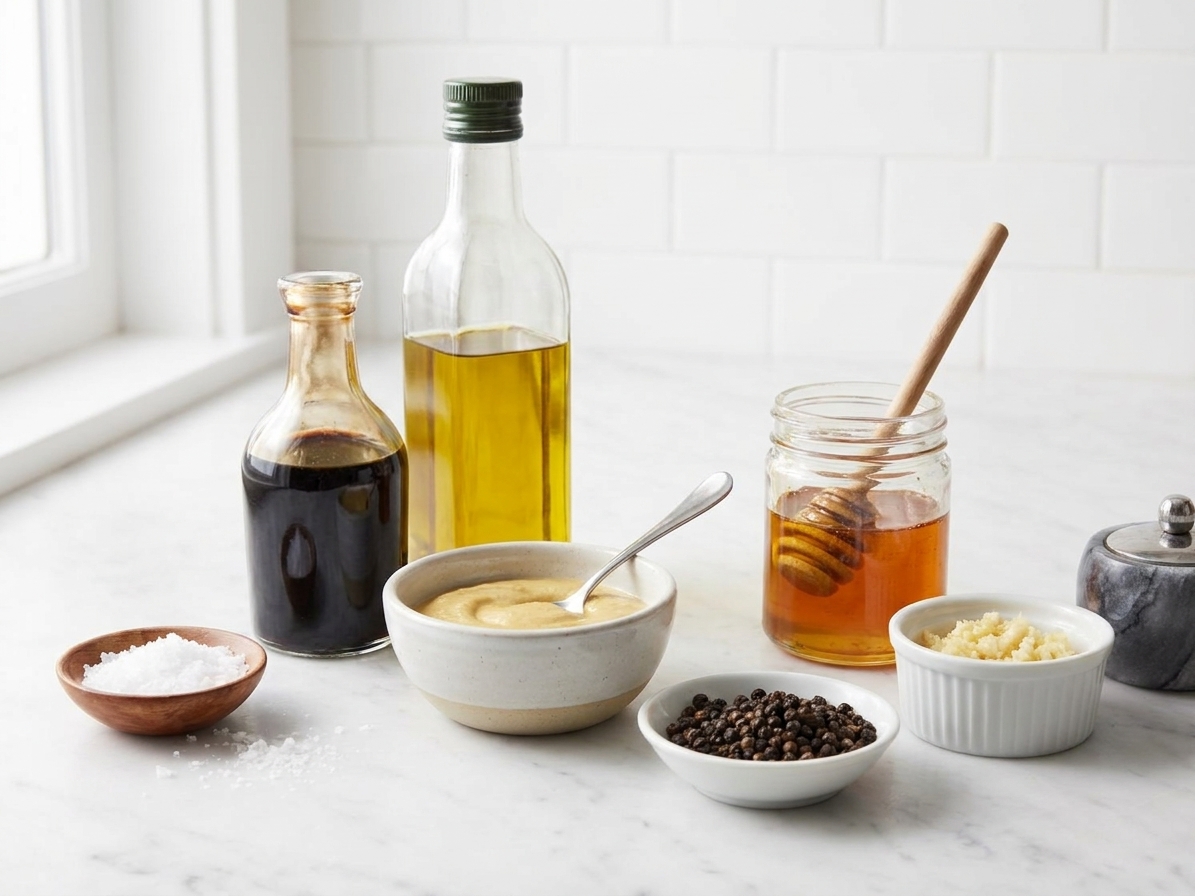
Balsamic vinegar, olive oil, Dijon mustard, honey, garlic, salt, and pepper arranged on a clean kitchen counter in small bowls and bottles

Why It Works

  • Balanced flavor: Balsamic brings tang and sweetness, Dijon adds zip and helps the dressing hold together, and honey smooths any sharp edges.
  • Better texture: A proper emulsification means it coats your greens and grains instead of separating immediately.
  • Fast and flexible: Works as a salad dressing, a drizzle for roasted vegetables, or a quick marinade for chicken, tofu, or chickpeas.
  • Easy to adjust: Too sharp? Add a touch more honey. Too sweet? Add a splash more vinegar. Too thick? A teaspoon of water fixes it.

Pairs Well With

Storage Tips

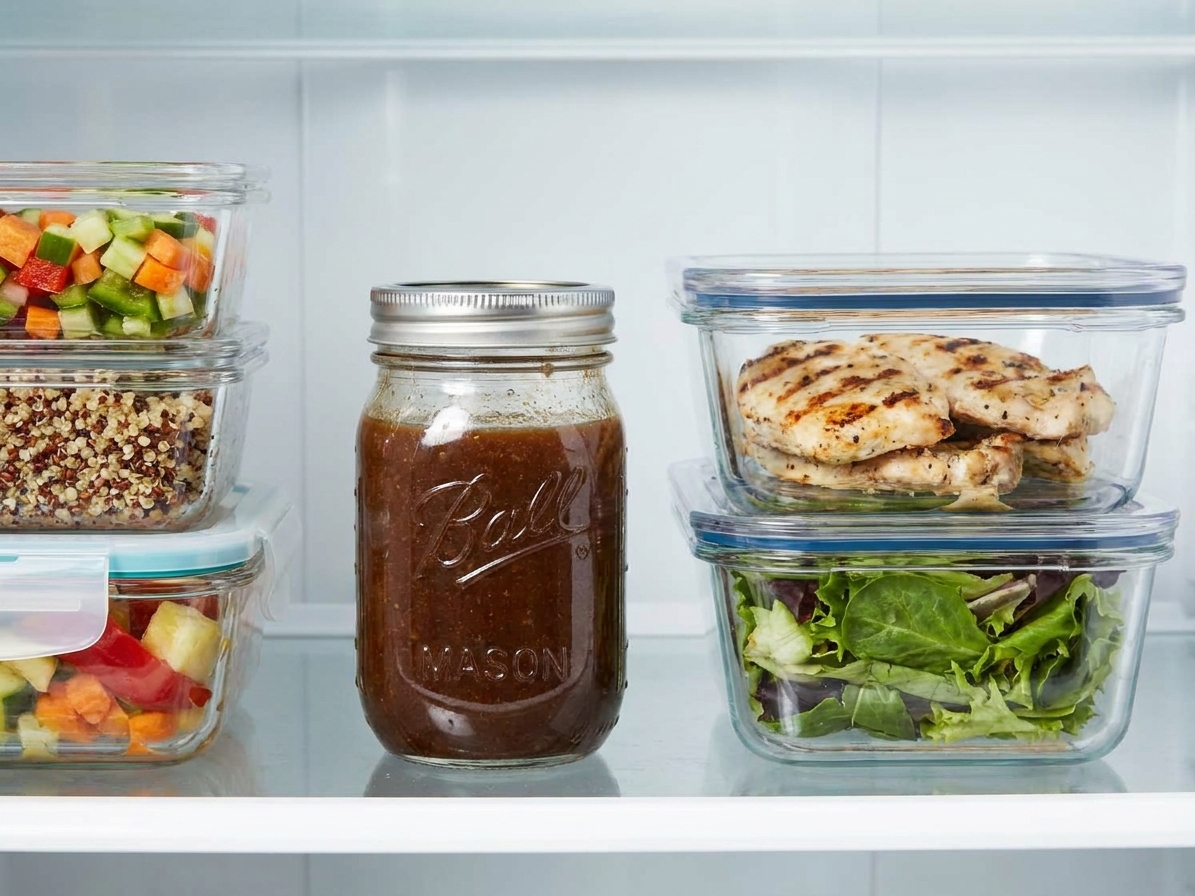
Store balsamic vinaigrette in a tightly sealed jar in the refrigerator for up to 7 days.

  • Separation is normal: Olive oil will firm up and the dressing may split. Let it sit at room temp for 10 minutes, then shake hard.
  • Best container: A small mason jar or any lidded container you can shake without wearing it.
  • Flavor note: Garlic gets a little stronger as it sits. If you are sensitive to that, use grated garlic (not pressed) or reduce to half a clove.
A sealed mason jar of homemade balsamic vinaigrette sitting on a refrigerator shelf with other meal prep containers

Common Questions

What is the best ratio for balsamic vinaigrette?

A classic vinaigrette starts around 3 parts oil to 1 part vinegar. For balsamic, I like it a little brighter, so this recipe lands closer to 2 parts oil to 1 part vinegar, plus Dijon and honey to round it out.

Why does my vinaigrette separate?

Oil and vinegar naturally separate. Dijon mustard helps emulsify, and whisking or shaking creates a temporary emulsion. If it splits, just shake again right before serving.

Can I make it without Dijon mustard?

Yes. It will still taste good, but it will separate faster and feel a bit thinner. If you have it, swap in a small spoon of mayo as a backup emulsifier. In a pinch, a tiny pinch of garlic powder can help add a little body, but it will not emulsify the way mustard or mayo does.

Is balsamic vinaigrette gluten free?

It usually is, but check your Dijon mustard and balsamic vinegar labels if you are strict about gluten free products.

Can I use this as a marinade?

Definitely. Use it for chicken, pork, tofu, or veggies. For chicken, marinate 30 minutes to 2 hours. Balsamic can darken and slightly “cure” the surface over long times, so I do not recommend overnight.

How do I make it less sweet?

Use a more acidic balsamic, reduce the honey, or add a squeeze of lemon. You can also add a pinch more salt to pull the sweetness back into balance.

I started making balsamic vinaigrette on repeat when I realized I was buying bottled dressing for “convenience” and then not even enjoying it. The homemade version takes the same amount of time as finding the bottle in the fridge door, and it actually tastes like something. Now I keep a jar ready like a little edible insurance policy: greens in the crisper, vinaigrette on standby, dinner handled.