Mom's Best Recipes
Recipe

Beef and Veggie Soup

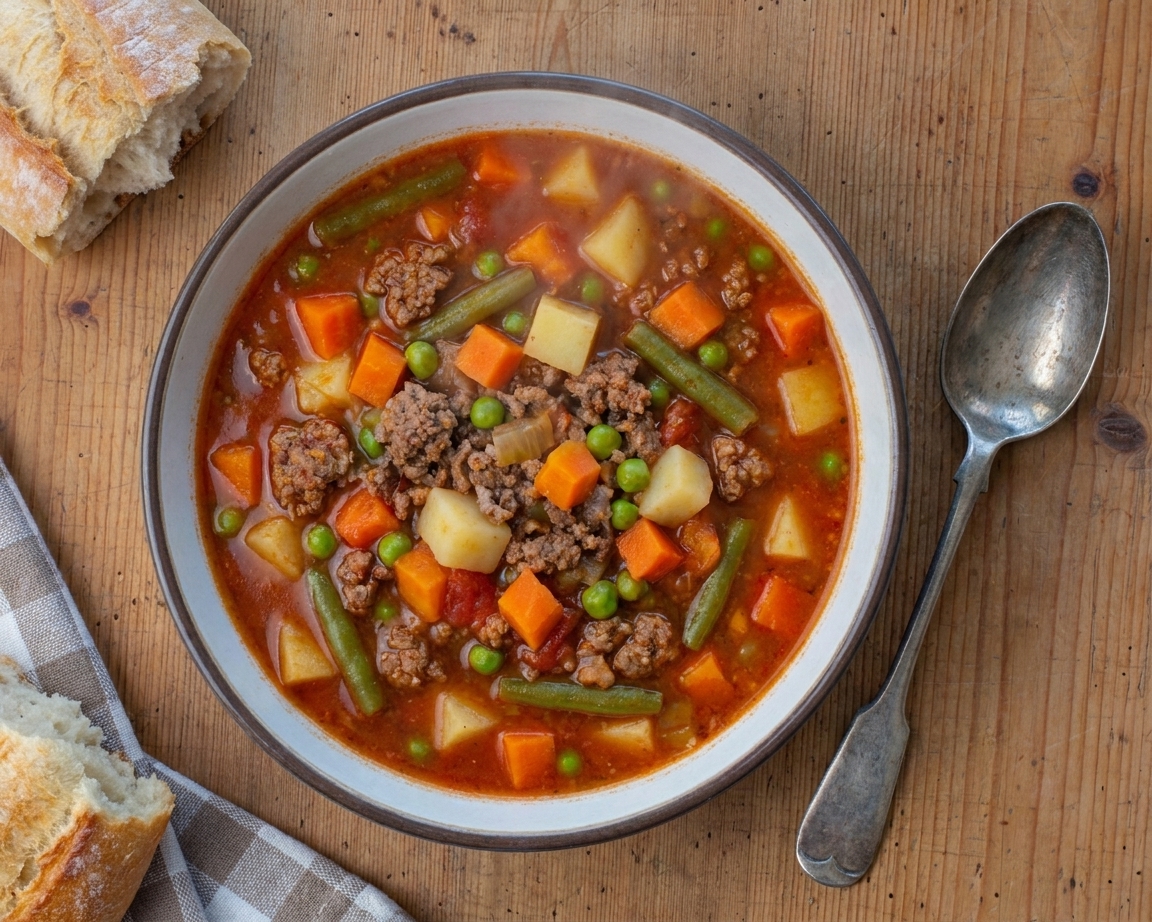
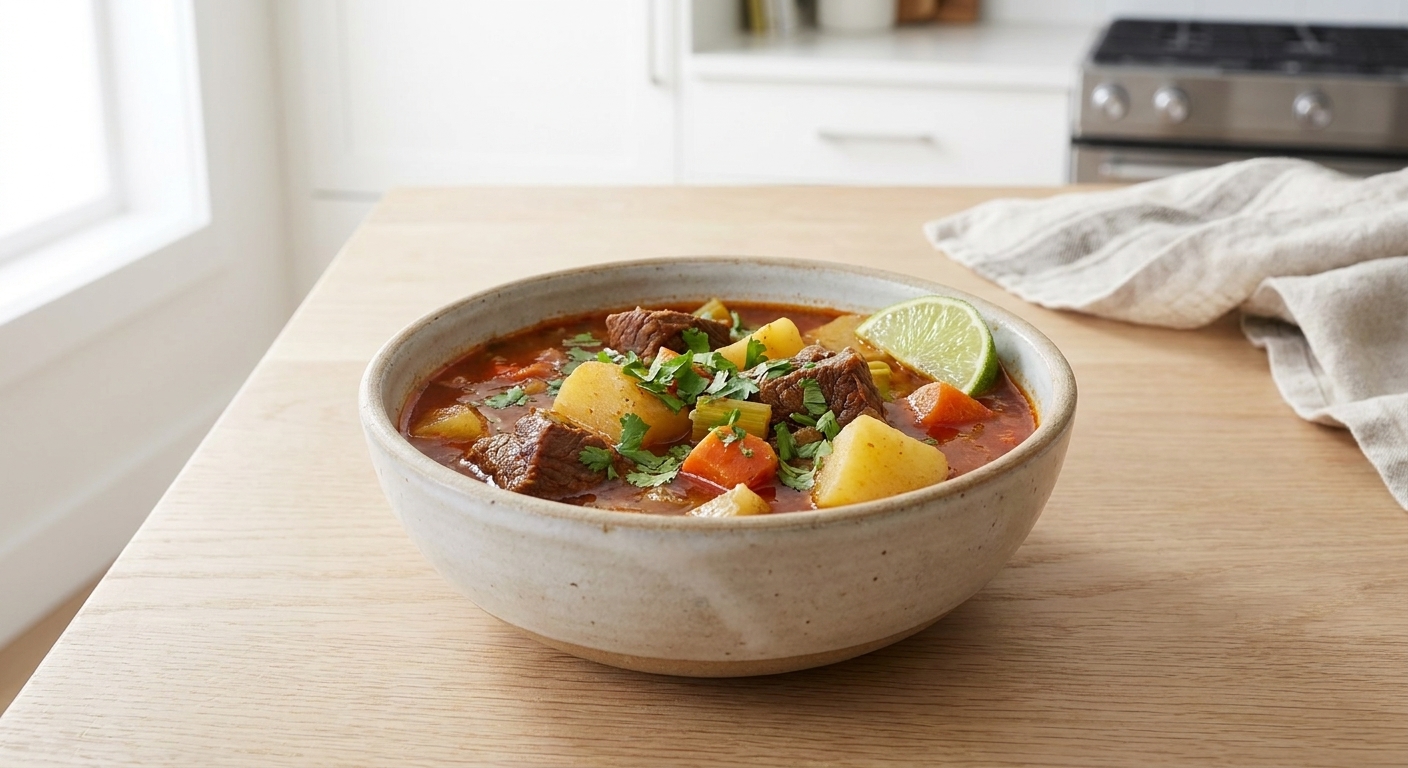
Tender beef, classic vegetables, and a rich tomato-beef broth that tastes like it’s been simmering all afternoon.

Author By Matt Campbell
4.8
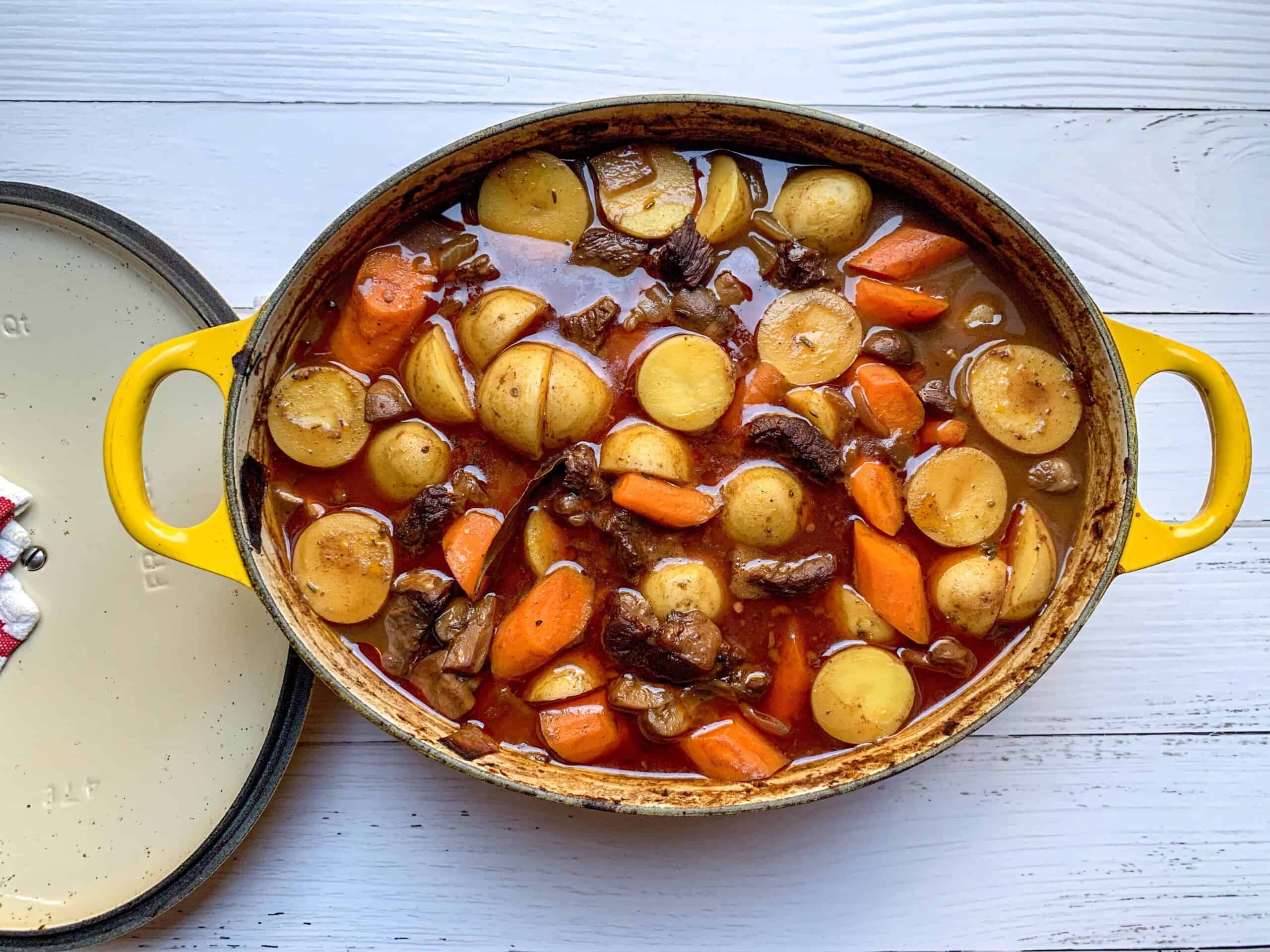
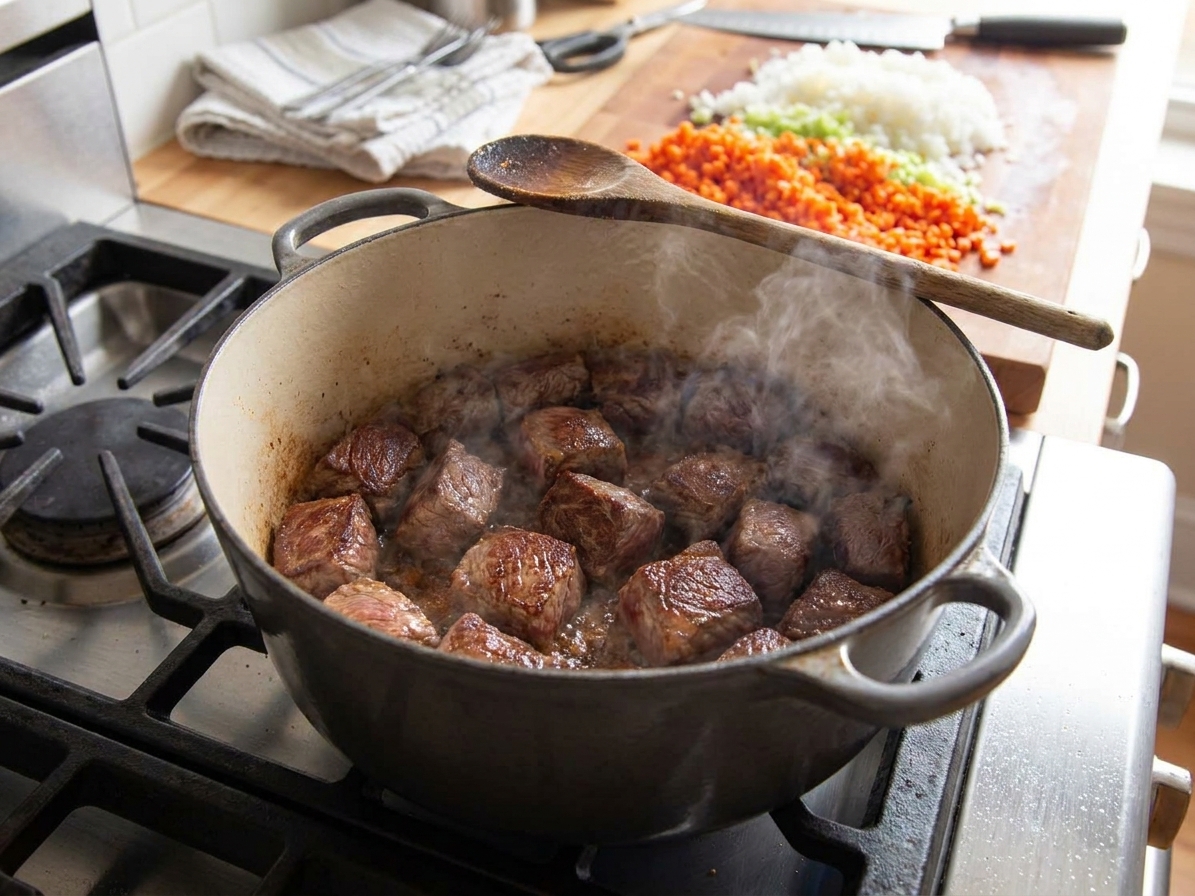
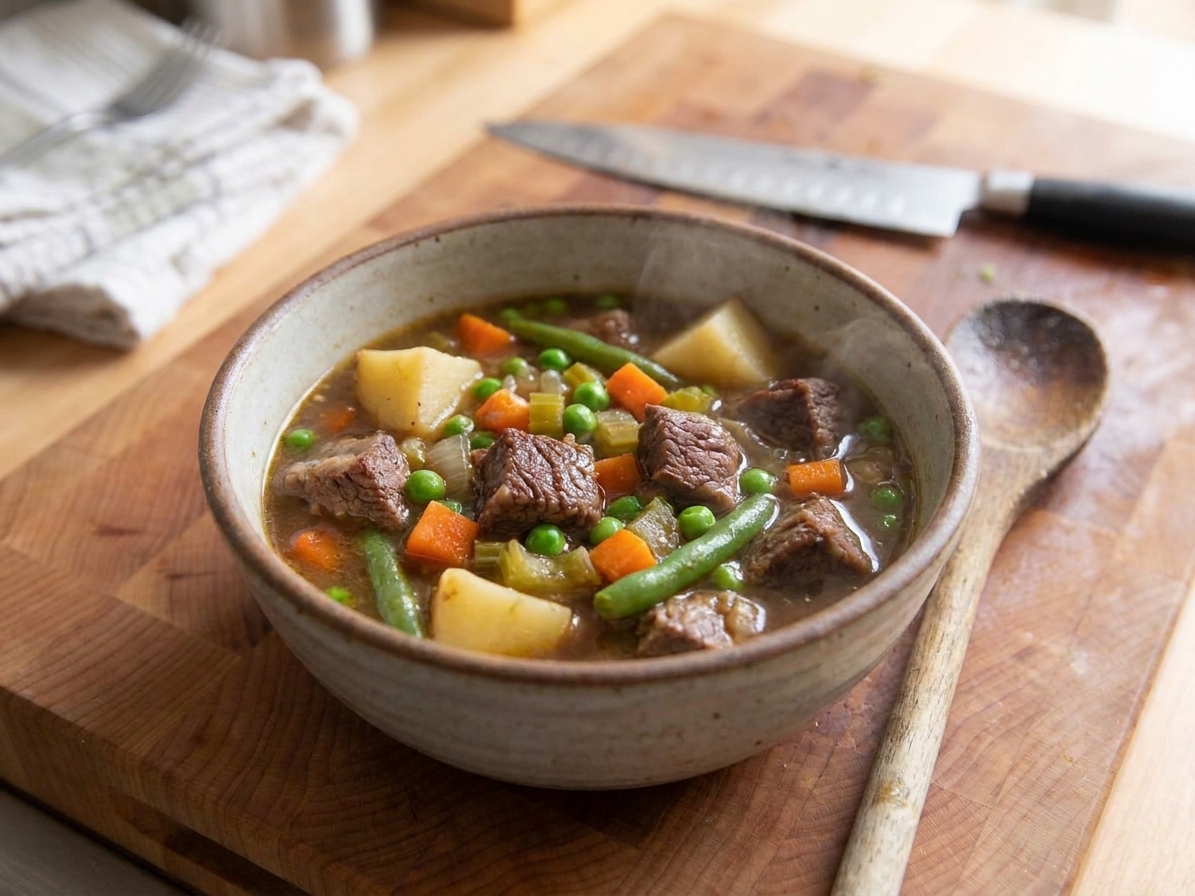
A Dutch oven filled with beef and vegetable soup, showing tender beef chunks, carrots, potatoes, celery, and peas in a rich broth on a stovetop

Beef and veggie soup is the kind of meal that makes the whole kitchen smell like you have your life together, even if you are cooking in sweatpants and your cutting board is doing its best. It’s cozy, flexible, and deeply satisfying: tender beef, sweet carrots, potatoes that go soft at the edges, and a broth that hits savory, bright, and just a little rich.

This version is built for real life. We brown the beef for flavor, keep the ingredient list normal, and use a few small tricks (hello tomato paste and a splash of vinegar) to make it taste like it simmered all day without turning dinner into a full time job.

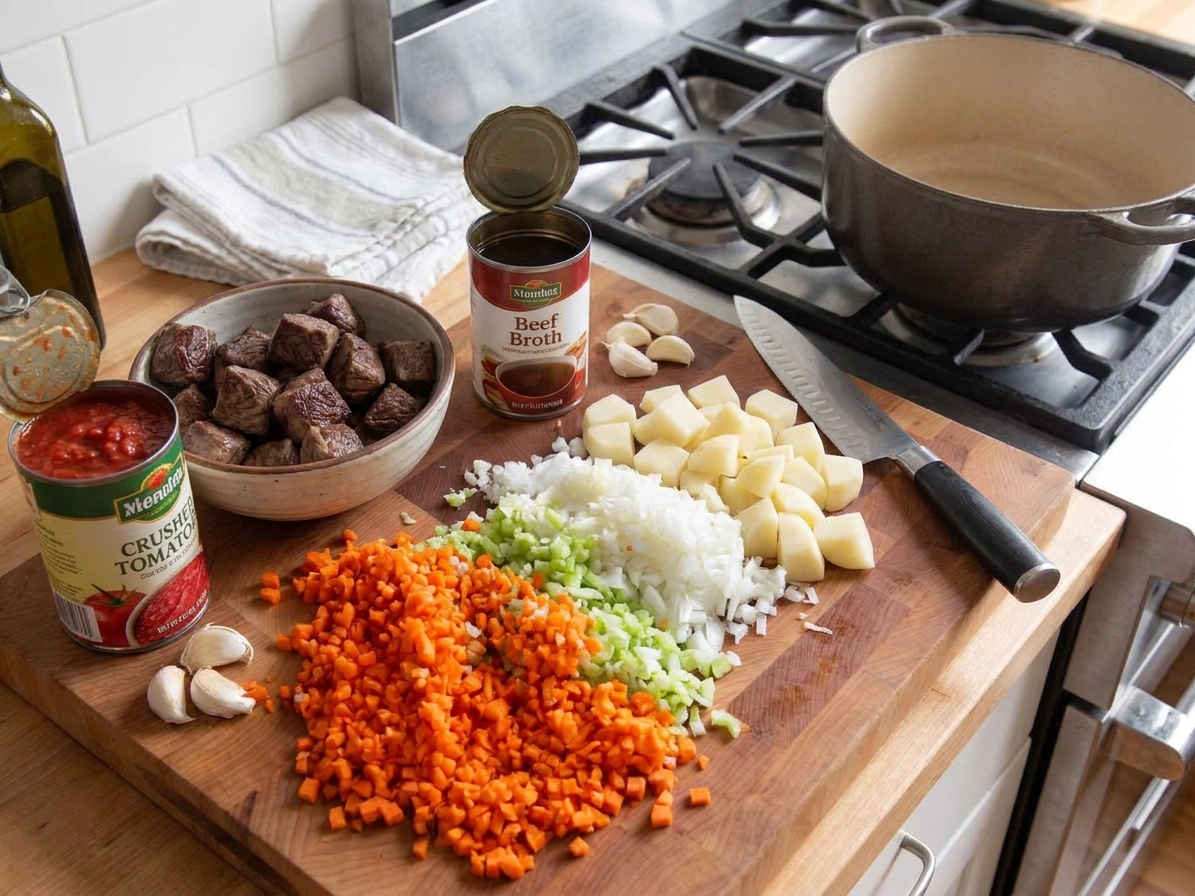
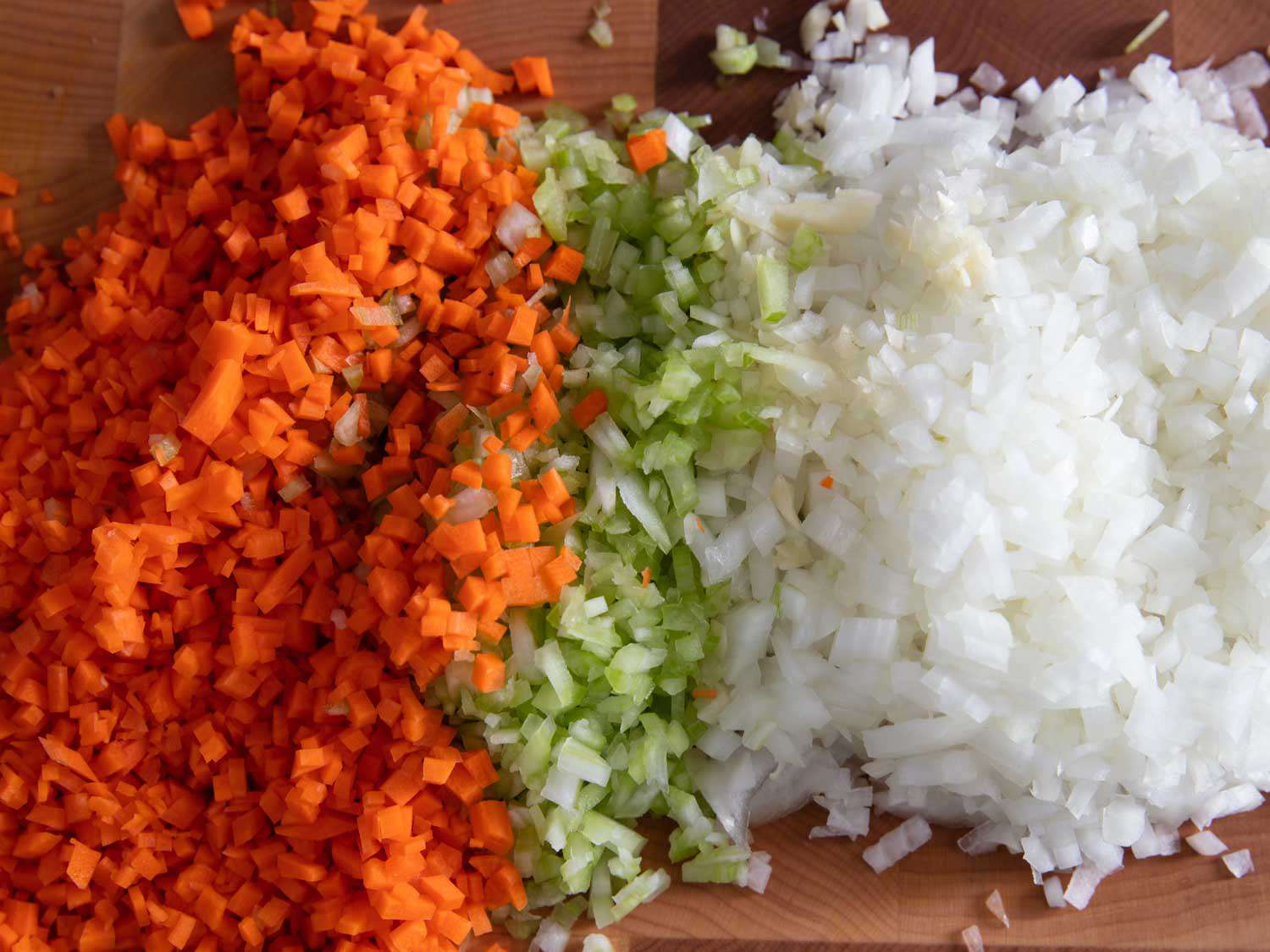
Chopped carrots, celery, onion, cubed beef, potatoes, garlic, and cans of tomatoes and broth arranged on a kitchen counter ready for soup

Why It Works

  • Big flavor from simple steps: Browning the beef and cooking the tomato paste for a minute builds that deep, savory base.
  • Vegetables that stay happy: Potatoes and carrots go in early, quicker veggies go in later so nothing turns to mush.
  • Broth that tastes balanced: A little Worcestershire and a tiny splash of vinegar at the end make everything pop.
  • Leftovers are even better: Like most soups, it levels up overnight in the fridge.

Pairs Well With

Storage Tips

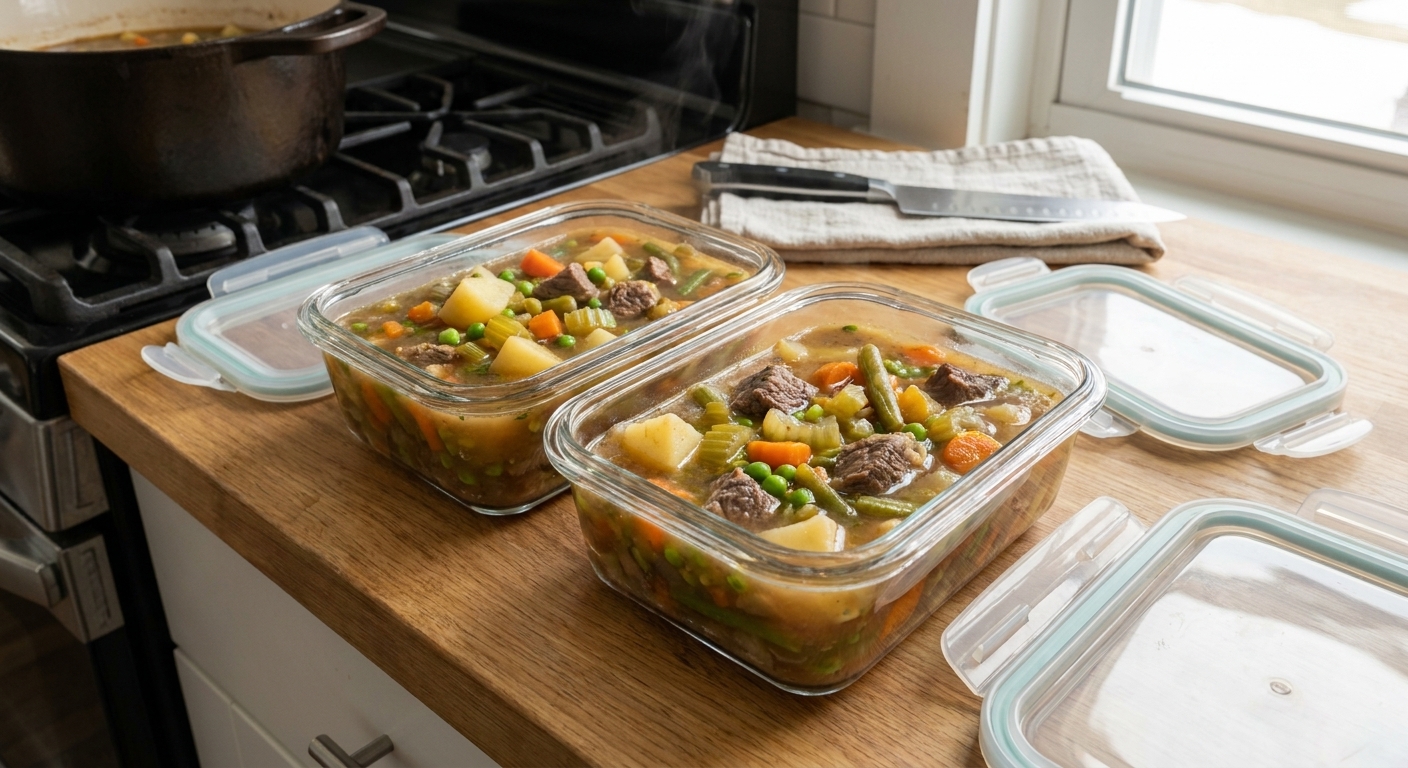
Refrigerate: This is general guidance. Cool soup slightly, then refrigerate within 2 hours and store in airtight containers for up to 4 days.

Freeze: Freeze in containers or freezer bags (laid flat) for up to 3 months. Leave a little headspace because soup expands.

Reheat: Warm gently on the stove over medium-low, stirring occasionally. Add a splash of broth or water if it thickened in the fridge.

Heads up on potatoes: Potatoes can get slightly grainy after freezing. It is still tasty. If you are planning to freeze a batch, you can swap potatoes for sweet potatoes, barley, or beans, or freeze without potatoes and add fresh ones when reheating.

Two glass meal prep containers filled with beef and vegetable soup with lids nearby on a kitchen counter

Common Questions

What cut of beef is best for beef and veggie soup?

Chuck roast is the sweet spot because it gets tender and flavorful with simmering. Look for well-marbled chuck, cut it into 1-inch cubes, and trim only the big tough pieces of fat. If the surface looks a little greasy after simmering, you can skim off extra fat with a spoon.

Can I make this in a slow cooker?

Yes. Brown the beef first if you can (worth it), then add everything except peas and green beans to the slow cooker. Cook on low 7 to 8 hours or high 4 to 5 hours. Timing varies a bit by slow cooker and how big your beef cubes are, so give it a tenderness check near the end. Stir in peas and green beans for the last 20 to 30 minutes.

Can I make this in an Instant Pot?

Yep. Use Sauté to brown the beef in batches, then sauté the aromatics and tomato paste. Pressure cook on High for 30 minutes with a 10 minute natural release. If the beef is not fork-tender (it should shred with pressure and have no chew), lock the lid back on and cook 5 to 10 minutes more on High. Add peas and green beans after pressure cooking and let them warm through on Sauté for a few minutes.

How do I thicken the soup?

Two easy options: mash a few potato chunks against the side of the pot and stir them in, or simmer uncovered for 10 to 15 minutes. If you want it more stew-like, mix 1 tablespoon cornstarch with 2 tablespoons cold water, stir in, and simmer 2 to 3 minutes.

How do I make it taste less bland?

Add salt in stages and finish with something bright. My go-to is 1 to 2 teaspoons apple cider vinegar or a squeeze of lemon at the end. Also check your broth. Some brands are shy on seasoning.

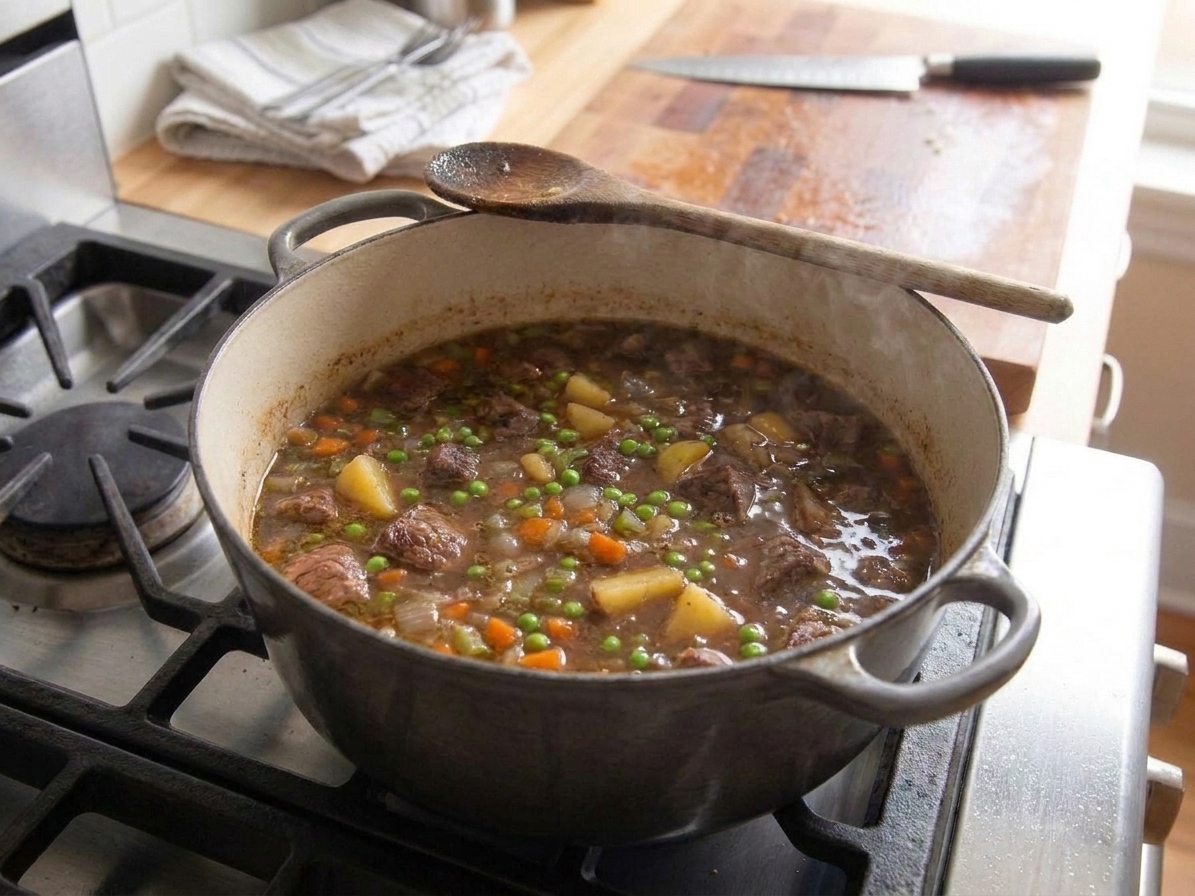
I love soup that does not pretend to be delicate. This is the one I make when I want dinner to feel like a blanket, but I also want it to taste like I actually tried. The first time I nailed it, it was purely because I got impatient and browned the beef really well, then accidentally cooked the tomato paste until it turned brick-red and smelled amazing. Now it is the rule, not the accident.

Also, I always tell people to taste at the end and add something bright. It is the difference between “yep, that’s soup” and “wait, what did you put in this?”