Mom's Best Recipes
Recipe

Beef Negimaki (Scallion Rolls)

Thin-sliced beef wrapped around scallion bundles, seared hard, then glazed with a glossy teriyaki-leaning tare and finished with sesame.

Author By Matt Campbell
4.8
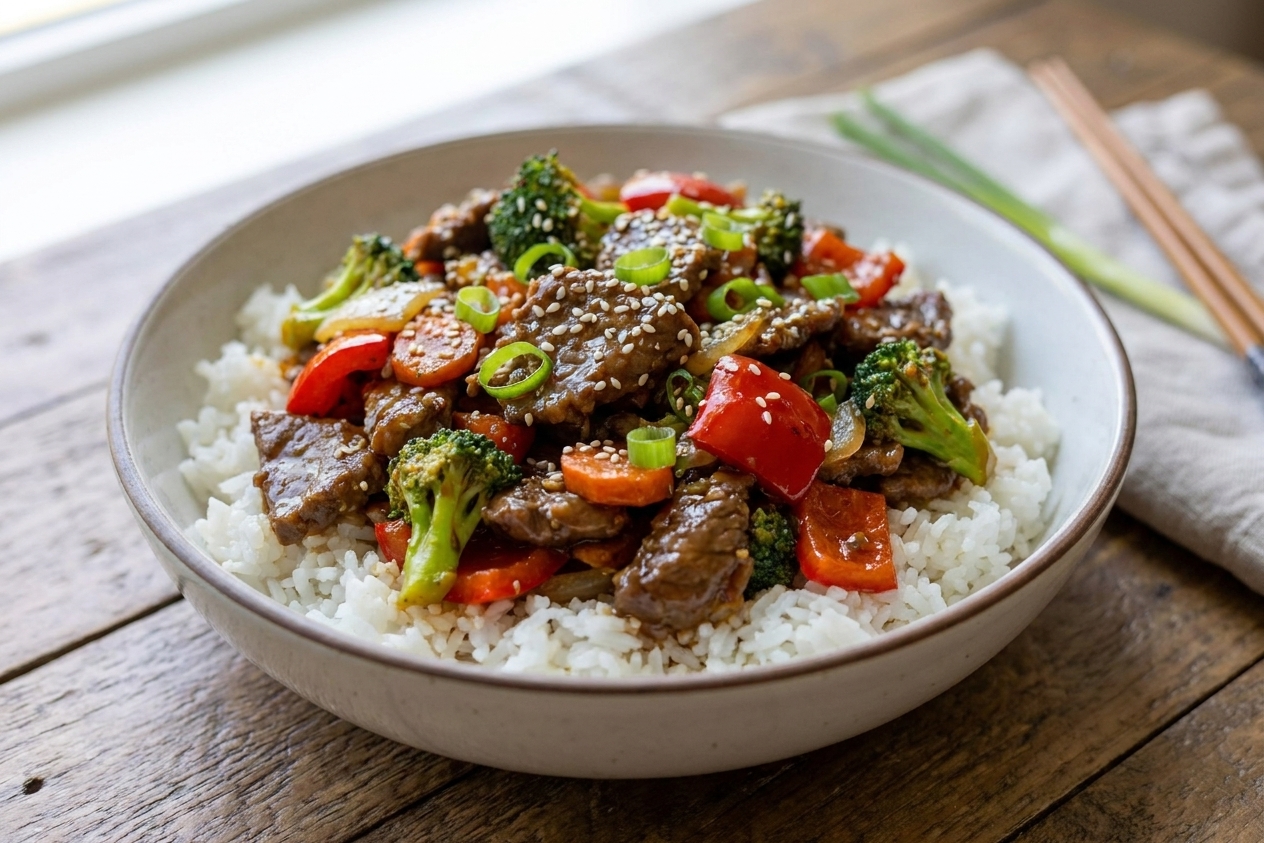
A single close-up photograph of sliced beef negimaki on a dark ceramic plate, showing glossy teriyaki-style glaze, bright green scallion centers, and a sprinkle of toasted sesame seeds, warm kitchen lighting

Beef negimaki is what happens when you take two things we all love and roll them into one bite: tender, thin-sliced beef and sweet, punchy scallions. Then you sear it until the edges get crisp, brush on a shiny soy-mirin glaze, and suddenly your kitchen smells like a very good decision.

This is one of those recipes that looks fancy enough for a party platter, but it is secretly weeknight-friendly. The only real “skill” is rolling things up neatly, and even that is more about patience than perfection. If your first roll looks a little chaotic, congrats. You are cooking like a real person.

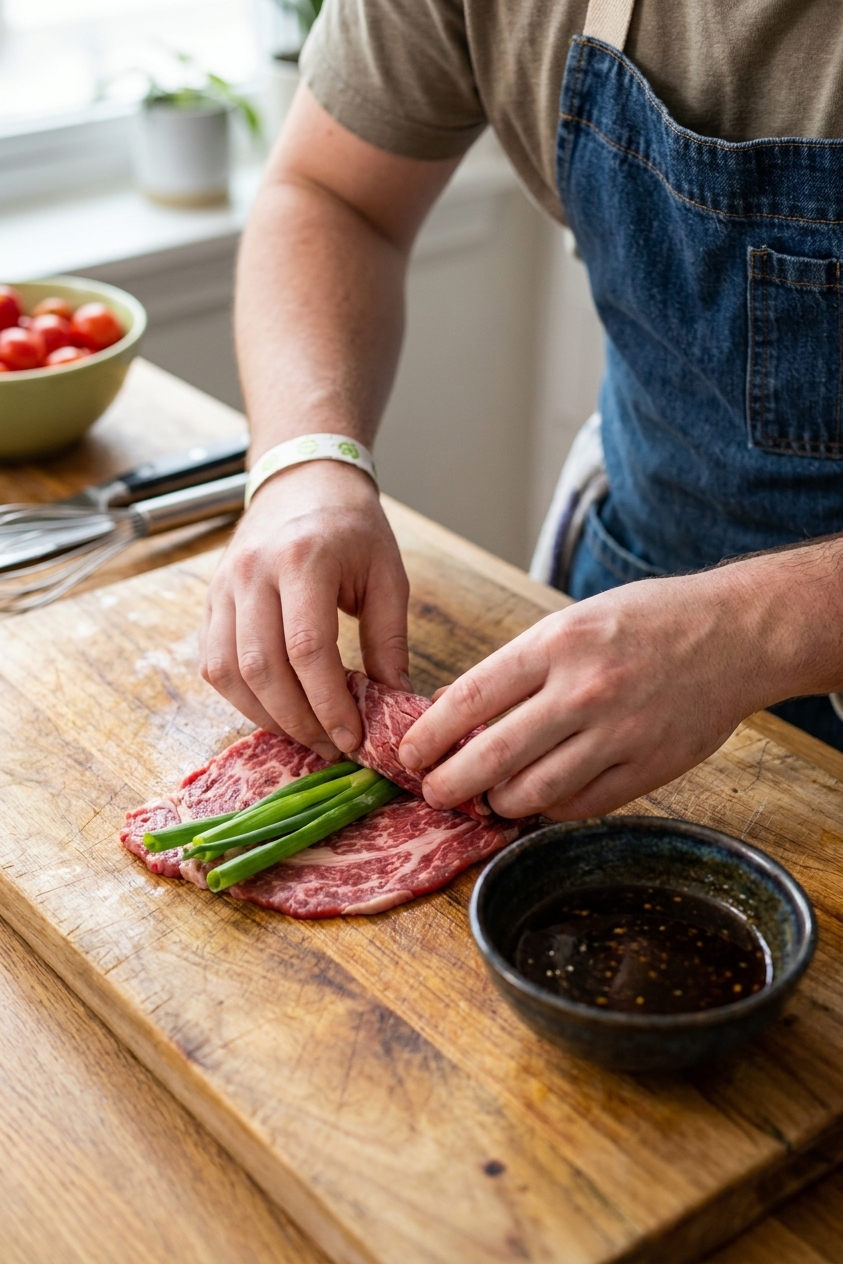
A single close-up photograph of hands rolling blanched scallions inside thin-sliced beef on a wooden cutting board, with a small bowl of soy-mirin glaze nearby

Why It Works

  • Quick cook, big payoff: Thin beef sears fast, so you get crisp edges without drying anything out.
  • Scallions that actually taste good: A fast blanch takes the raw bite off and makes them bendy, so they roll instead of snapping.
  • Glossy glaze that sticks: Reducing the tare in the pan turns it into a clingy lacquer instead of a watery sauce puddle.
  • Knife work made simple: A few easy trimming moves help every piece cook evenly and slice cleanly into bite-sized rounds.

Pairs Well With

Storage Tips

Fridge: Store sliced or whole rolls in an airtight container for up to 3 days. Keep any extra glaze in a separate small container so the beef does not get soggy.

Reheat: Warm gently in a skillet over medium-low with a splash of water, then brush with reserved glaze at the end. You can also microwave in short bursts, but the skillet keeps the edges nicer.

Freezer: You can freeze cooked negimaki for up to 2 months, but the scallions soften. If you do it, freeze in a single layer first, then bag. Thaw overnight in the fridge and rewarm in a skillet.

Common Questions

What cut of beef is best for negimaki?

Look for thin-sliced beef sold for shabu-shabu, sukiyaki, or hot pot. If you cannot find it, ask the butcher for top sirloin or flank steak sliced very thin against the grain. The thinner the beef, the easier it rolls and the faster it cooks.

Do I need toothpicks or kitchen twine?

You need something to keep the rolls from relaxing in the pan. Toothpicks are quickest. Twine is great if you want a clean look and are making a bigger batch. If your beef slices are long enough to overlap well, you can sometimes skip both, but it is a gamble.

Why blanch the scallions first?

Blanching makes scallions flexible so they roll without breaking, and it tones down the sharp raw flavor. It also helps the scallions cook through before the beef overcooks.

Can I prep negimaki ahead of time?

Yes. You can assemble the rolls up to 1 day ahead, cover tightly, and refrigerate. Cook right before serving for the best sear. The glaze can be mixed ahead too.

How do I keep the glaze from burning?

Two moves: (1) wipe out excess rendered fat if the pan is very greasy, and (2) reduce the heat to medium-low when you add the tare. Sugar plus high heat equals bitter, fast. If it starts to look dry, add a small splash of water and let it reduce again.

Is negimaki gluten-free?

It can be. Use tamari or a certified gluten-free soy sauce, and double-check your mirin (some aji-mirin products include additives and may contain gluten depending on brand). Sake is typically gluten-free.

Do I need sesame oil in the glaze?

No. It is a tasty, slightly nutty add-on, but not required for a more classic soy-mirin-sake style glaze. If you prefer, leave it out and finish with sesame seeds instead.

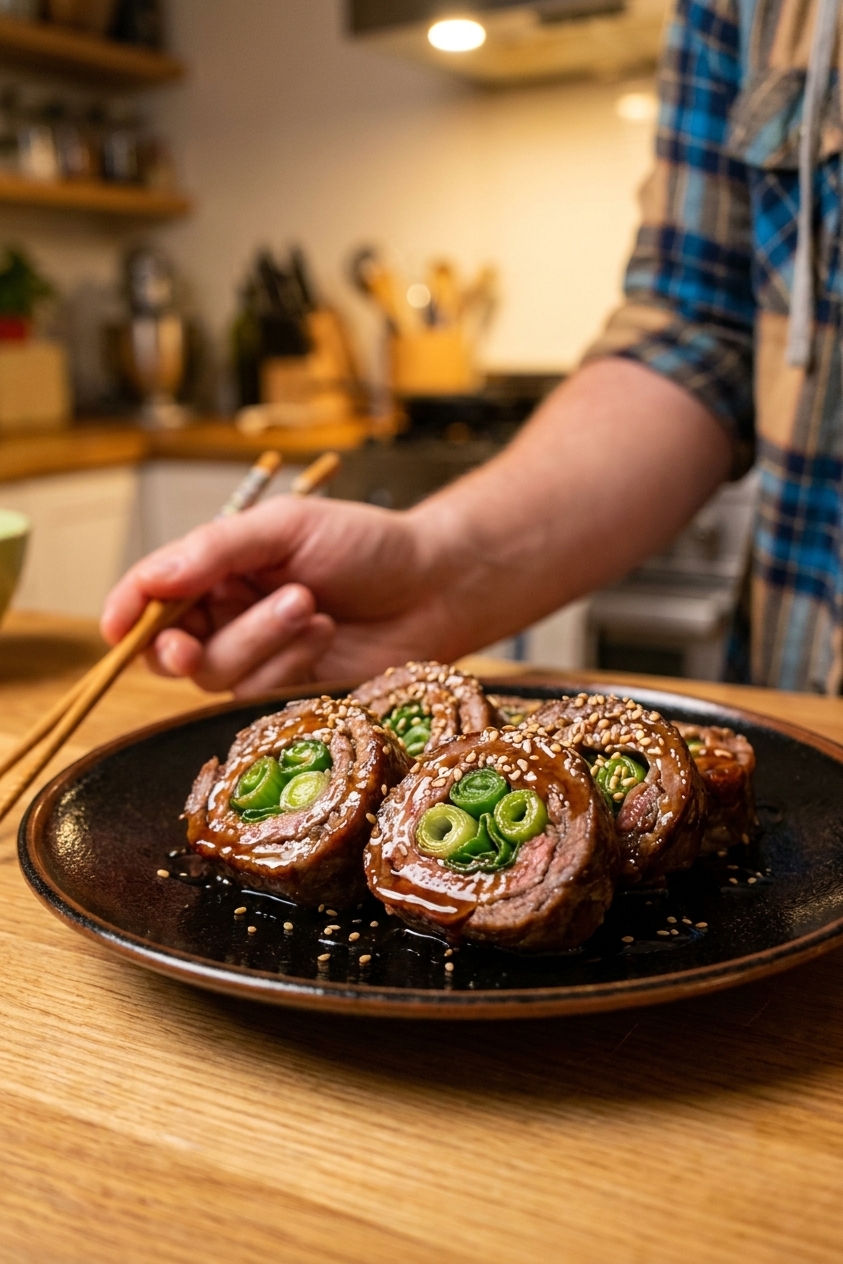
The first time I made negimaki, I treated it like a precision engineering project. I overthought the rolls, I tied them like little beef gifts, and I still had one that tried to escape in the pan. Now I make it the way I actually cook: roll it, pin it, sear it hard, and let the glaze do the fancy work. It is a great reminder that the “restaurant look” usually comes down to two things: a hot pan and a sauce that knows how to cling.