Mom's Best Recipes
Recipe

Authentic Alfredo Sauce

A classic Alfredo di Lelio-style sauce that is glossy, rich, and shockingly simple: butter, Parmigiano-Reggiano, pasta water, and a little patience.

Author By Matt Campbell
4.9
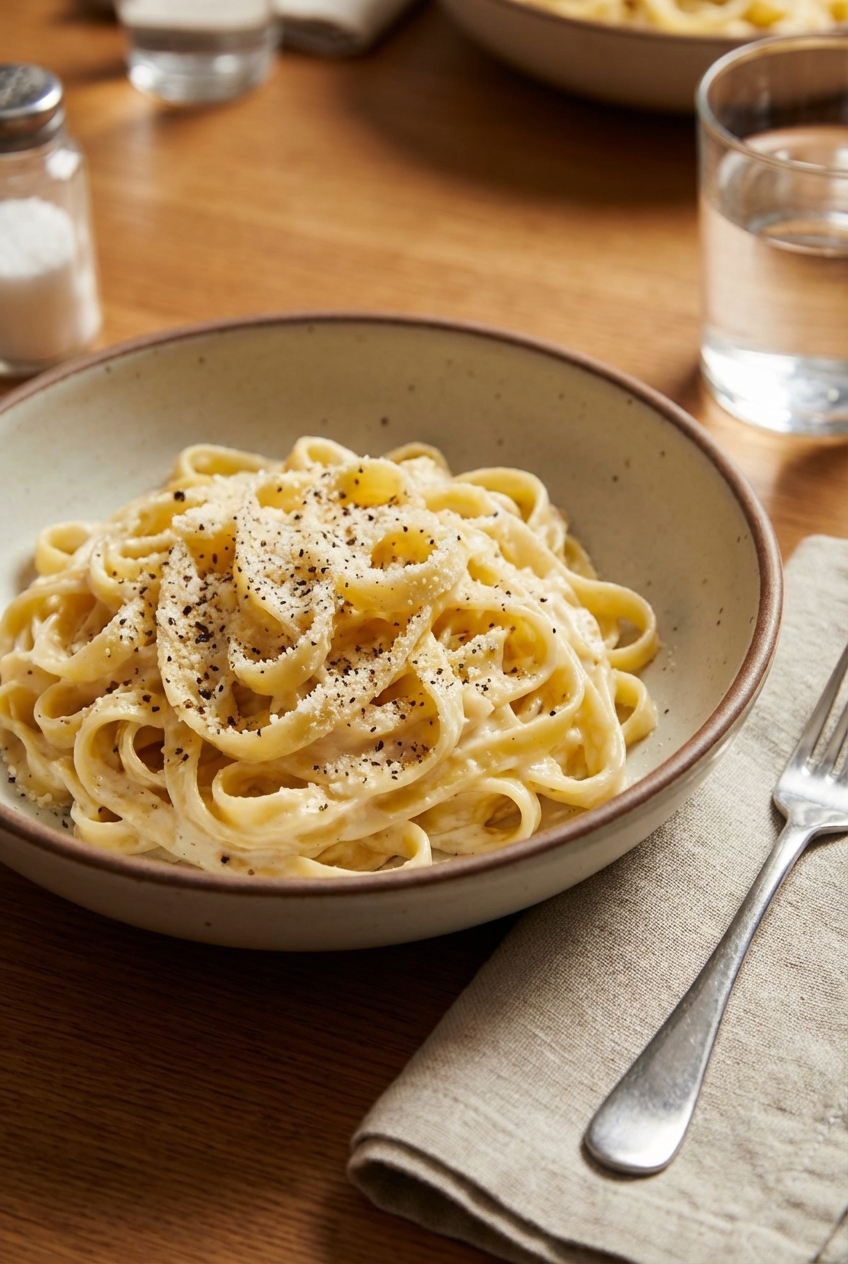
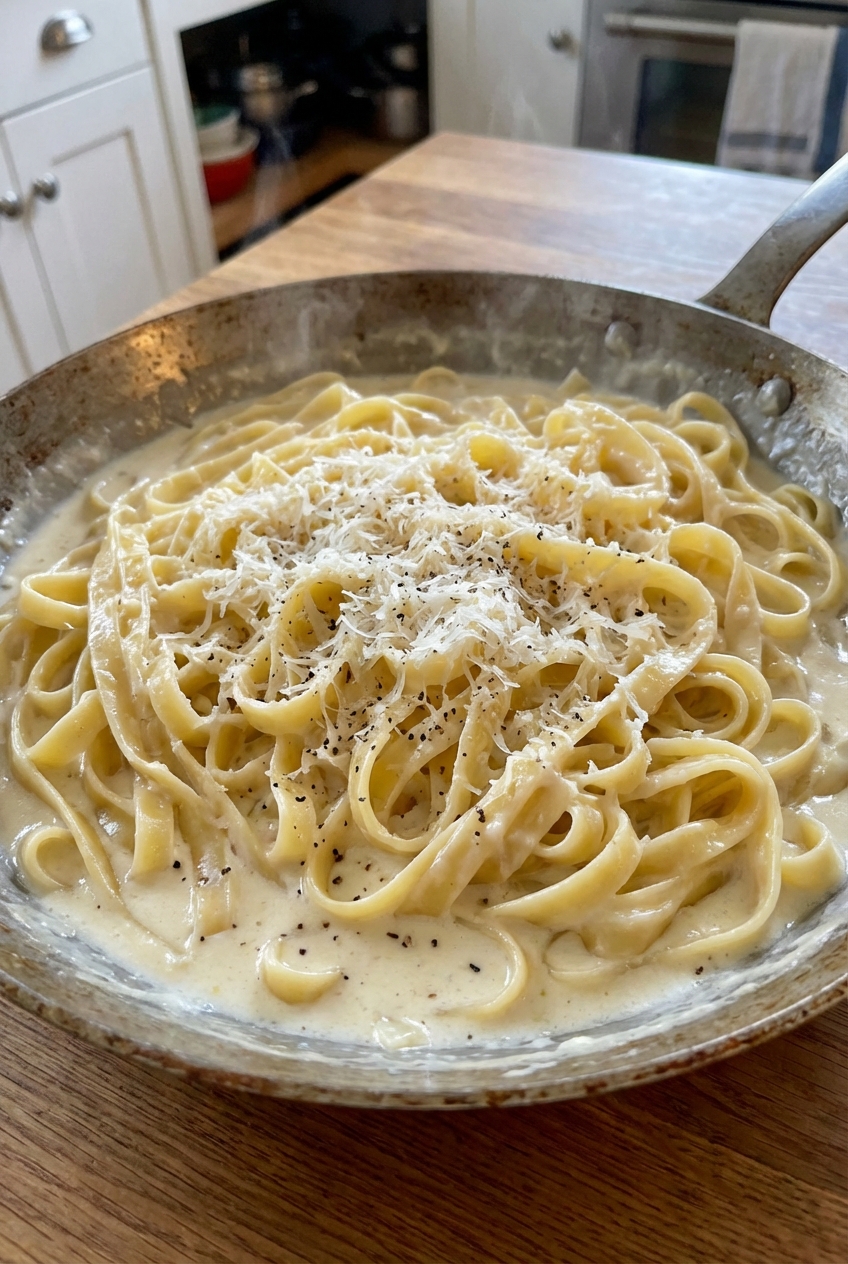
A close-up photograph of fettuccine coated in glossy Alfredo sauce in a wide skillet with freshly grated Parmigiano-Reggiano on top

Real Alfredo is one of those recipes that feels like a magic trick. No cream. No flour. No garlic required. Just butter, Parmigiano-Reggiano, and starchy pasta water turning into a sauce that clings to noodles like it pays rent.

This is the original Alfredo di Lelio-style technique popularized in Rome: rich but not heavy, deeply cheesy but still bright, and silky in that way that makes you take a bite and immediately start planning the second bowl.

I will walk you through the exact timing, the pasta water secret, and the small moves that keep the sauce smooth instead of clumpy. You do not need a chef jacket. You just need to keep it hot, not boiling, and taste as you go.

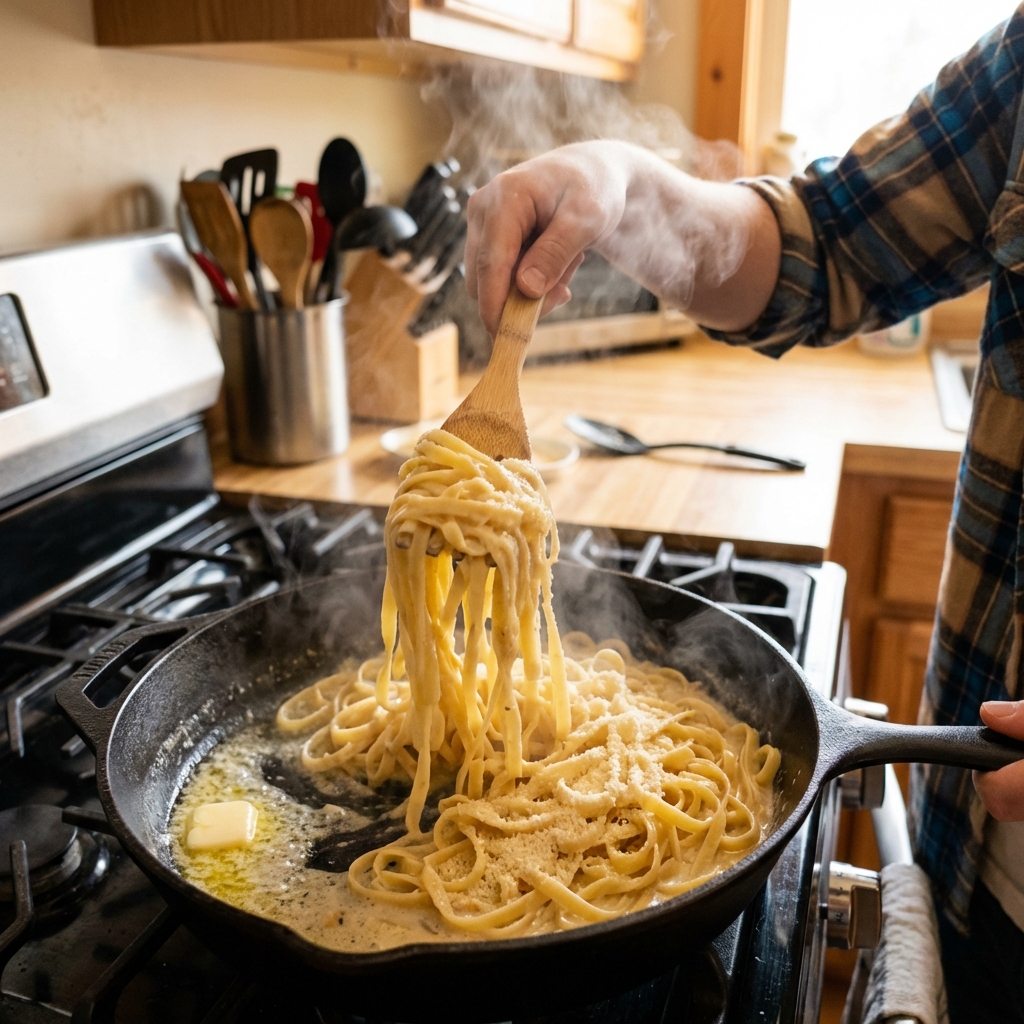
A real photograph of a hand tossing fettuccine in a skillet with melted butter and grated Parmesan as the sauce turns creamy

Why It Works

  • Classic texture: The sauce emulsifies into a glossy coating instead of a thick, gluey blanket.
  • Big flavor from few ingredients: Parmigiano-Reggiano brings salt, nuttiness, and umami without extra add-ins.
  • Comforting but not heavy: No cream means you get richness, not a sleepy, one-note sauce.
  • Weeknight-friendly: Done in the time it takes to boil pasta, and it scales up easily for a family dinner.

Pairs Well With

Storage Tips

Alfredo is at its absolute best right after you make it, but leftovers can still be very good if you reheat them gently.

How to store

  • Fridge: Cool leftovers quickly and refrigerate within 2 hours. Store in an airtight container for up to 3 days.
  • Freezer: I do not recommend freezing classic Alfredo. The emulsion can break and turn grainy when thawed.

How to reheat without breaking the sauce

  • Stovetop is best: Add pasta to a skillet with a splash of water (or milk if you are not being strict about the classic method) and warm on low heat, tossing constantly.
  • Do not boil: High heat makes the cheese seize and the butter separate.
  • Rescue move: If it looks oily, add 1 to 2 tablespoons hot water and keep tossing. You are rebuilding the emulsion.

Common Questions

Is classic Alfredo sauce made with heavy cream?

No. The original Alfredo di Lelio-style method is made with butter, Parmigiano-Reggiano, and pasta water. Many American versions add cream, which is delicious, just not the classic technique.

Why did my Alfredo turn clumpy or stringy?

Usually one of three things: the heat was too high, the cheese was pre-shredded (anti-caking agents can interfere), or you added the cheese all at once. Keep the pan off direct heat when you add cheese, and add it gradually while tossing.

What if the sauce breaks and turns greasy?

Do not panic and do not crank the heat. Pull the pan off the burner, add 1 to 2 tablespoons hot pasta water, and toss hard until it comes back together. If needed, add a small pinch more finely grated cheese to help re-emulsify.

What is the best Parmesan for Alfredo?

Parmigiano-Reggiano is the gold standard. Buy a wedge and grate it yourself. It melts smoother and tastes sharper and nuttier than shelf-stable grated options. For the smoothest melt, grate it finely and let it sit at room temp for 10 to 15 minutes before you start.

My recipe says cups and ounces for cheese. Which should I use?

Use weight if you can: 5 to 6 ounces. If you are using a Microplane, the cheese is fluffy and the cup measurement can be misleading. If measuring by volume, measure it tightly packed (not loosely piled).

Can I use other pasta besides fettuccine?

Yes. Fettuccine is classic, but linguine, tagliatelle, or even spaghetti work. Short pasta works too, but you may need a little extra pasta water to coat every piece.

How do I make it extra decadent without losing the classic vibe?

Use the best butter you can (European-style is great), grate the cheese finely, and finish with a tiny knob of cold butter while tossing. It makes the sauce look like satin.

The first time I tried to make Alfredo “the fancy way,” I treated it like a normal cream sauce. I cranked the heat, dumped in cheese, and ended up with something that looked like a science project. The flavor was there, but the texture was aggressively wrong.

Then I learned the real move: pasta water is the sauce. Butter and Parmesan are just the co-stars. Once I started tossing the pasta off-heat with small splashes of hot, starchy water, everything clicked. Now it is my go-to when I want dinner to feel like a hug, but I also want to feel a tiny bit proud about how simple it was.