Mom's Best Recipes
Recipe

Best Baked Salmon Recipe

Juicy, flaky salmon with crisp edges and a bright lemon garlic butter glaze. Fast enough for weeknights, fancy enough for guests.

Author By Matt Campbell
4.9
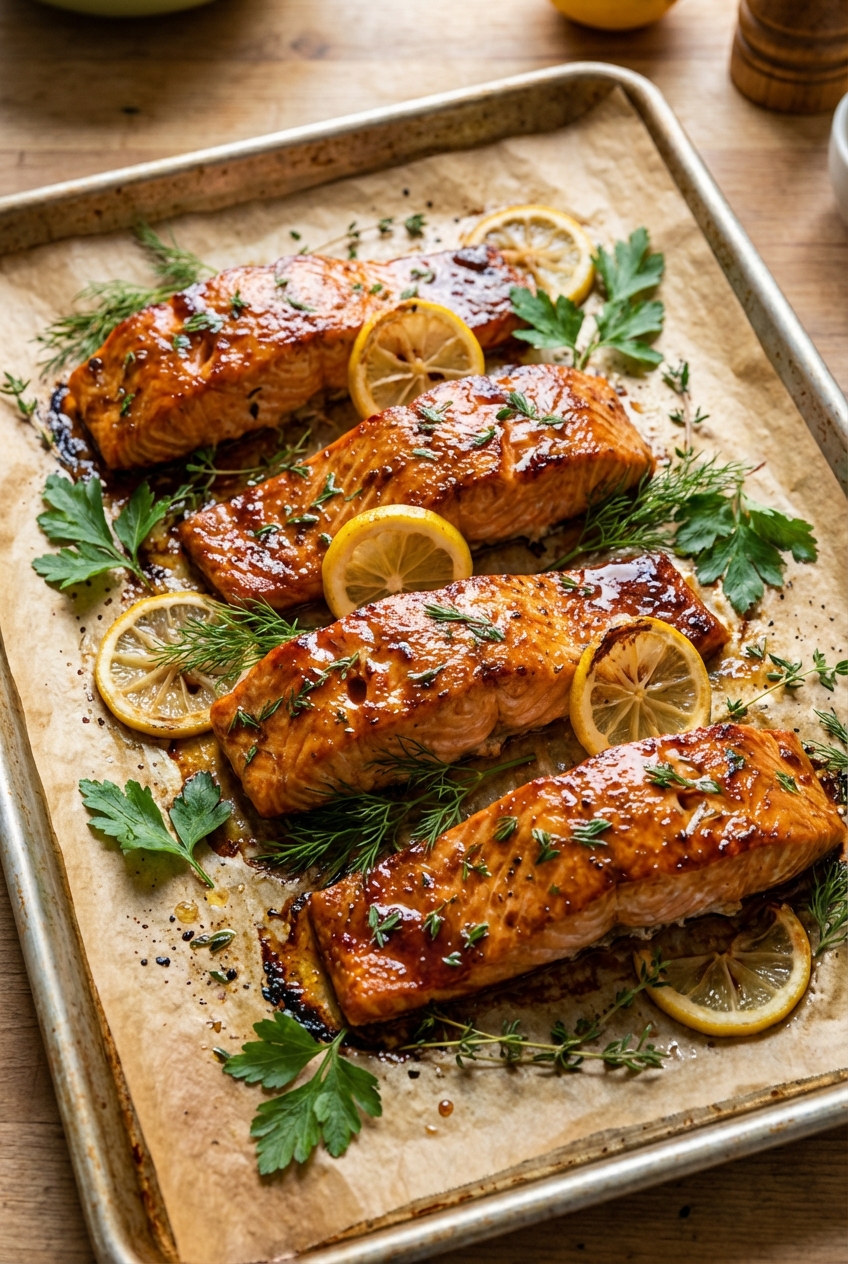
A real photo of glazed baked salmon fillets on a parchment-lined sheet pan with lemon slices and fresh herbs

If you have ever overcooked salmon and sworn you would “just order it next time,” welcome. This is the baked salmon recipe that gets you tender flakes, crisp edges, and a sauce so good you will chase it with bread. It is simple on purpose, but it tastes like you tried harder than you did.

Here is the move: we bake at a higher heat for speed, then finish with a quick lemon garlic butter glaze that hits all the right notes. Bright, savory, a little sweet, and just enough heat if you want it. This is the kind of dinner that makes a Tuesday feel like you have your life together.

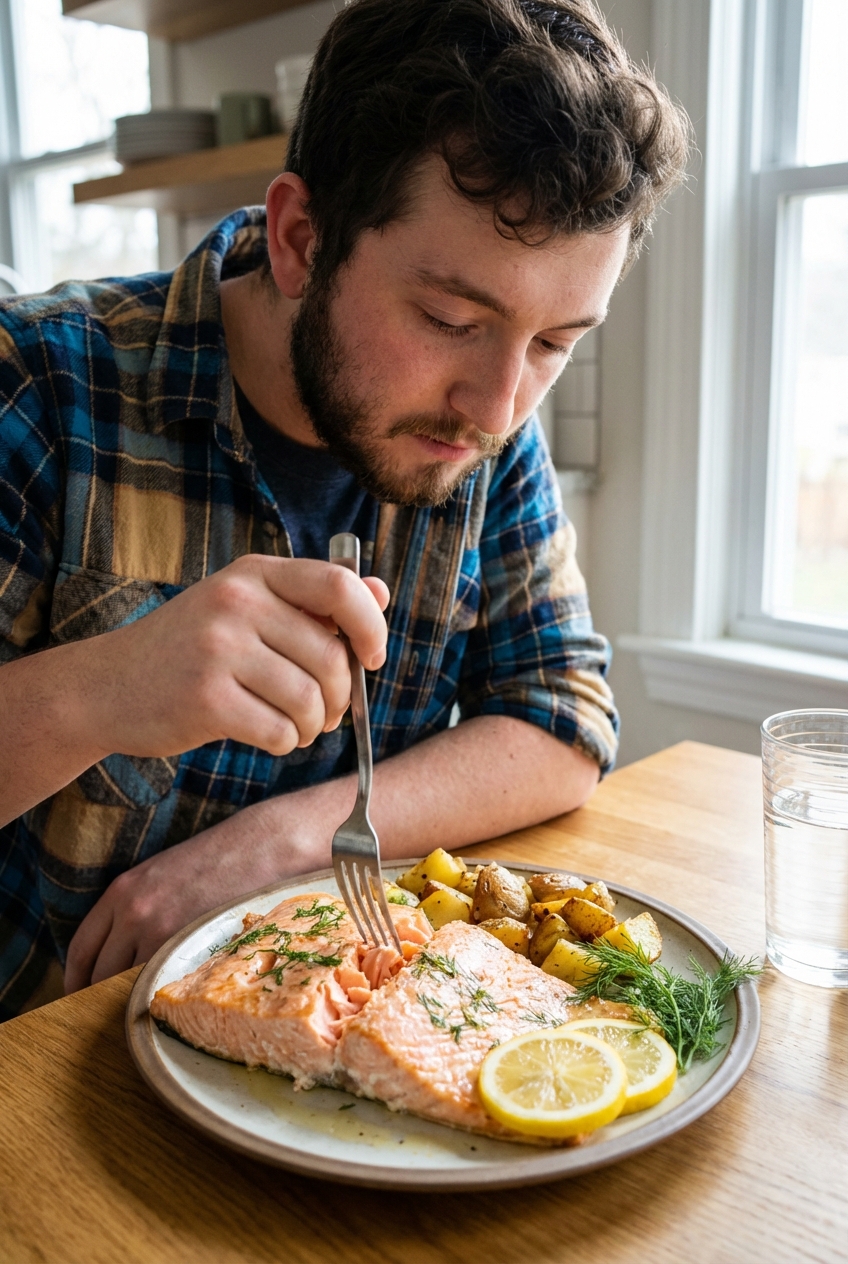
A real photo of a fork flaking a moist piece of baked salmon on a plate with lemon and herbs

Why It Works

  • Reliable doneness: Baking at 425°F cooks salmon quickly so it stays moist, not chalky. (If you like more texture on top, the quick broil is the secret weapon.)
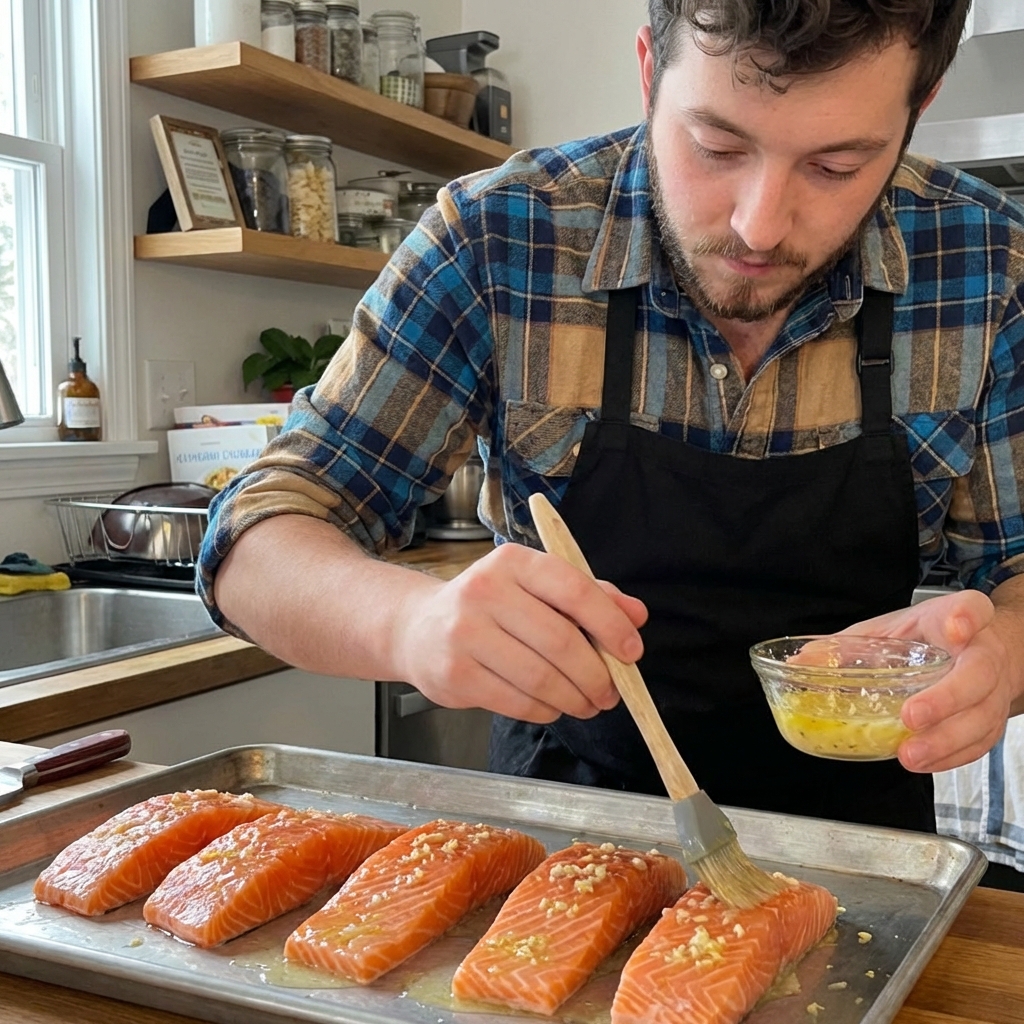
  • Big flavor with pantry basics: Butter, garlic, lemon, Dijon, and honey build a glossy glaze that tastes restaurant-level.
  • Crisp edges, tender center: Patting the fish dry and using a hot oven helps the outside brown while the inside stays silky. For extra crisp, preheat the pan or broil briefly at the end.
  • Low drama cleanup: Parchment or foil on a sheet pan means you are not scrubbing baked-on fish later.

Pairs Well With

Storage Tips

Refrigerate: Cool salmon, then store in an airtight container for up to 3 days.

Reheat gently: The best way is in a 275°F oven for 8 to 12 minutes, just until warmed. Or use the microwave at 50% power in short bursts with a damp paper towel on top so it stays juicy.

Eat it cold: Leftover salmon is excellent flaked into a salad, tucked into a wrap, or mixed with a little mayo and Dijon for a quick salmon salad.

Freezing: You can freeze cooked salmon for up to 2 months. Wrap tightly and thaw overnight in the fridge. The texture is best for salads, rice bowls, and tacos after freezing.

Common Questions

How do I know when baked salmon is done?

Look for salmon that flakes easily with a fork and turns opaque. For the most consistent results, use an instant-read thermometer: 125°F to 130°F in the thickest part gives you a moist, tender, chef-style finish (the center may look slightly translucent and will set as it rests). Note: The USDA guideline for fully cooked fish is 145°F. If you prefer well-done or want to follow that guideline, keep baking until you reach 145°F in the thickest part.

Do I bake salmon covered or uncovered?

Uncovered is best here for browning and crisp edges. If your fillets are very thin and you are worried about drying, you can loosely tent foil for the first half, then uncover to finish. For extra crisp on top, use the quick broil at the end.

Skin on or skin off?

Either works. Skin-on helps protect the fish from overcooking and peels off easily after baking if you do not want to eat it. If you want extra browning, finish under the broiler for 1 to 2 minutes, watching closely. That move crisps the top and glaze, not the skin underneath. For truly crispy skin, you will want to pan-sear skin-side down first.

Can I use frozen salmon?

Yes, but thaw first for best texture. Thaw overnight in the fridge, then pat dry very well. In a pinch, you can thaw salmon in a watertight sealed package in cold water for about 30 to 45 minutes.

What is the white stuff oozing out of my salmon?

That white stuff is albumin, a harmless protein that appears when salmon cooks fast or a bit too hot. This recipe keeps it minimal, but if you see some, you are still good. Cooking a touch lower, using the middle rack, or pulling the fish a little earlier helps.

I started making this baked salmon on nights when I wanted something that felt like a real dinner but did not want to babysit a pan on the stove. The first time I tried the lemon garlic butter glaze, I was “taste testing” straight from the spoon like it was a hobby. Now it is my reliable move for everything from solo weeknights to “oh no, people are coming over” dinners. It is forgiving, it is fast, and it rewards you for doing one simple thing: pulling the salmon before it overcooks.