Mom's Best Recipes
Recipe

Classic Meatloaf

Tender, juicy, and glazed with a tangy sweet topping, this family meatloaf uses simple pantry ingredients and bakes up reliably every time.

Author By Matt Campbell
4.8
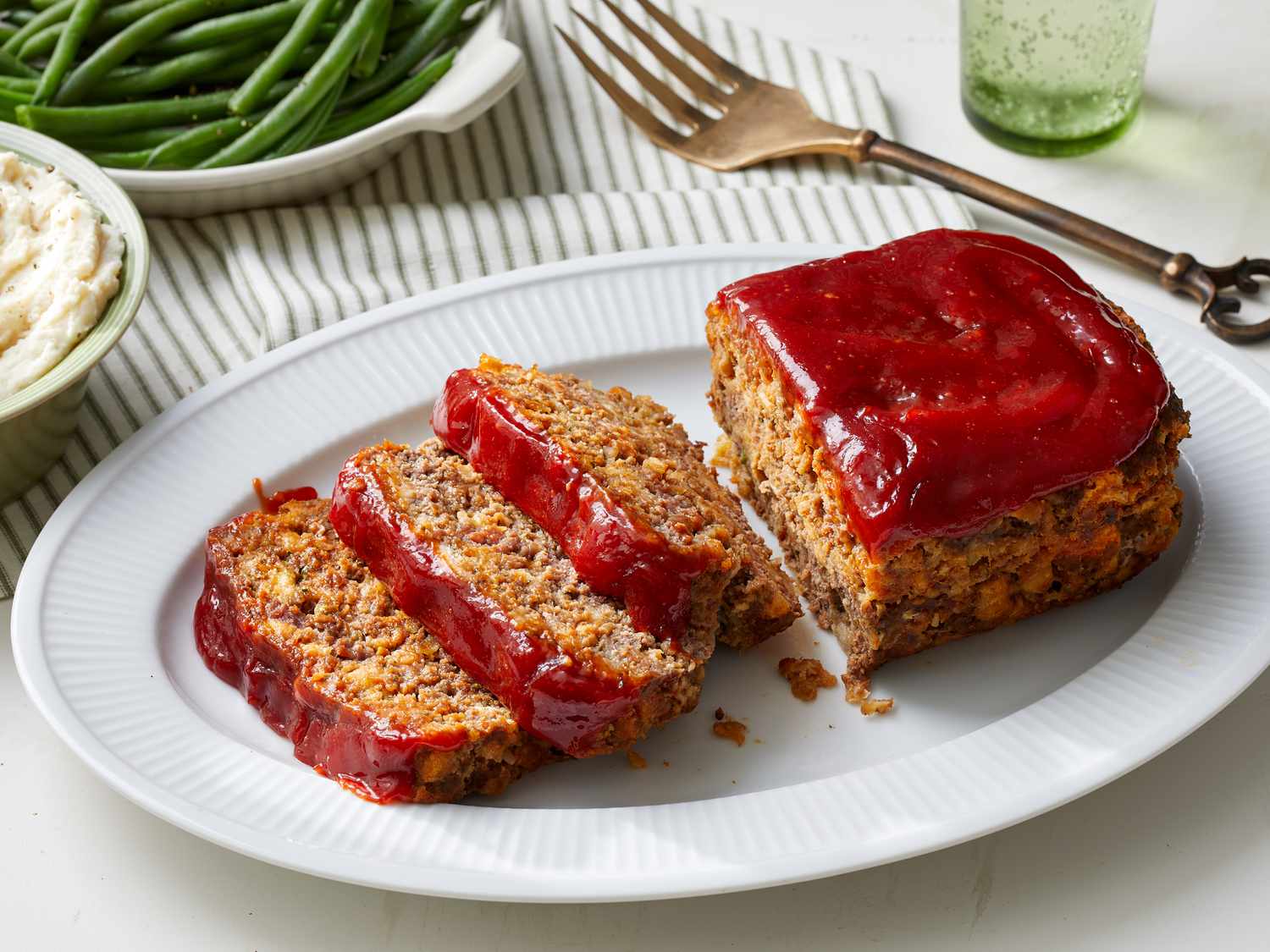
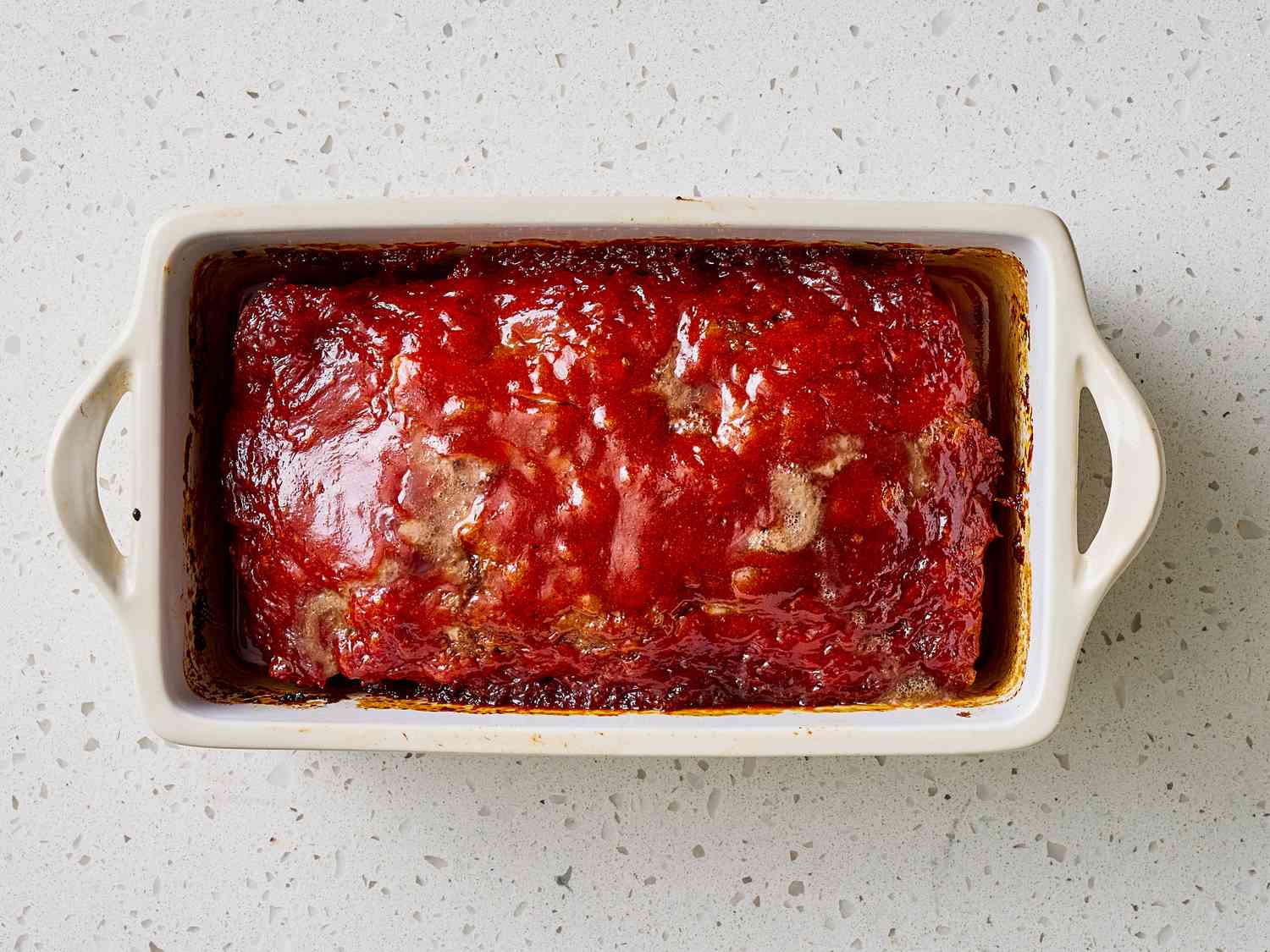
Glossy ketchup-glazed meatloaf sliced thick on a cutting board with a few slices fanned out in warm kitchen light
Jump to Recipe

Meatloaf is one of those dinners that feels like a hug and a backup plan at the same time. You mix it up, shape it, glaze it, and then the oven does the heavy lifting while you handle homework, laundry, or a quick five minutes of silence in the pantry.

This version is my go-to because it hits the holy trio: juicy inside, crisp edges, and a sticky tangy glaze that makes everyone suddenly interested in dinner. No weird ingredients, no chef-y detours. Just solid home cooking with a couple small tricks that make a big difference.
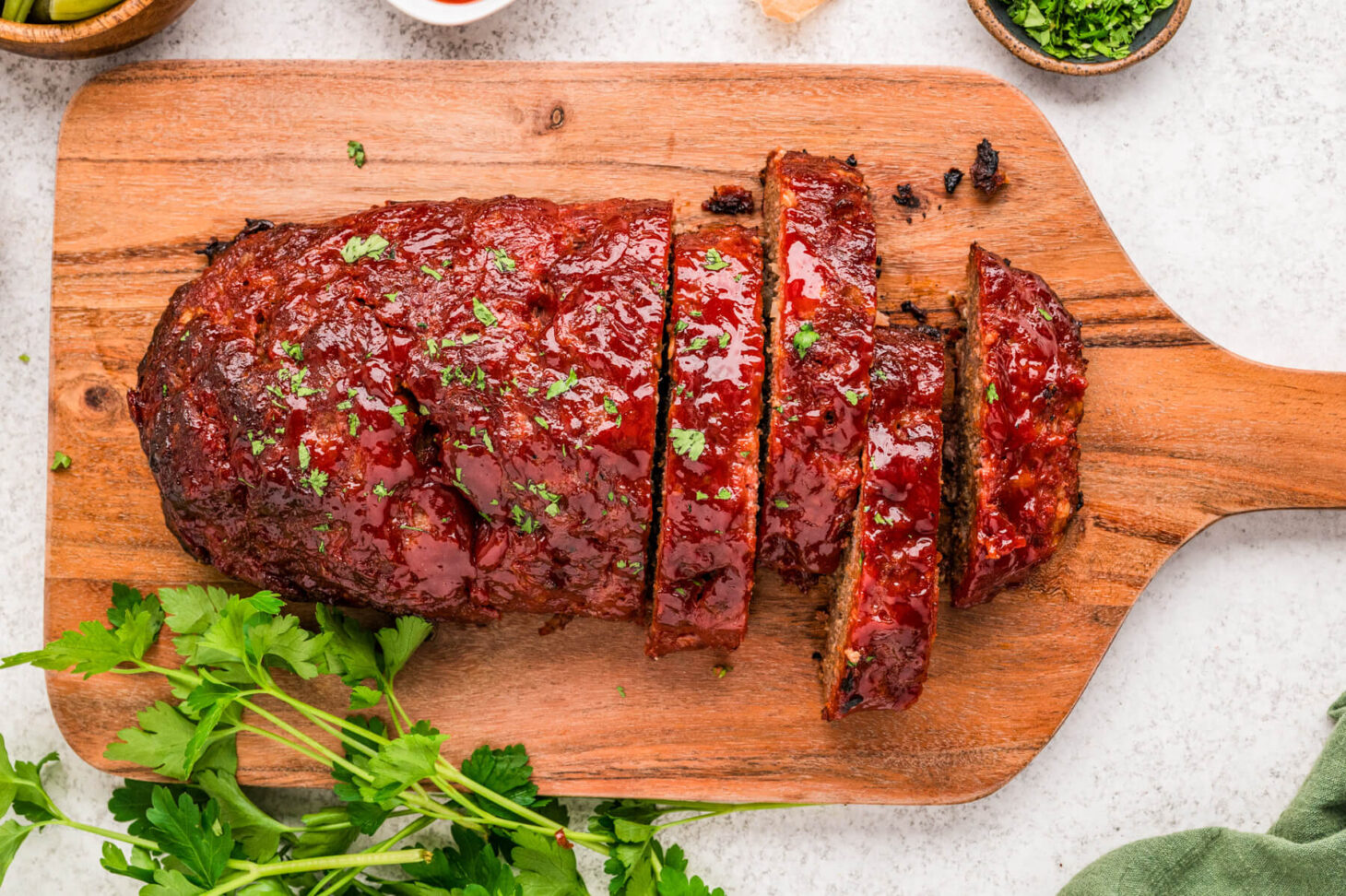
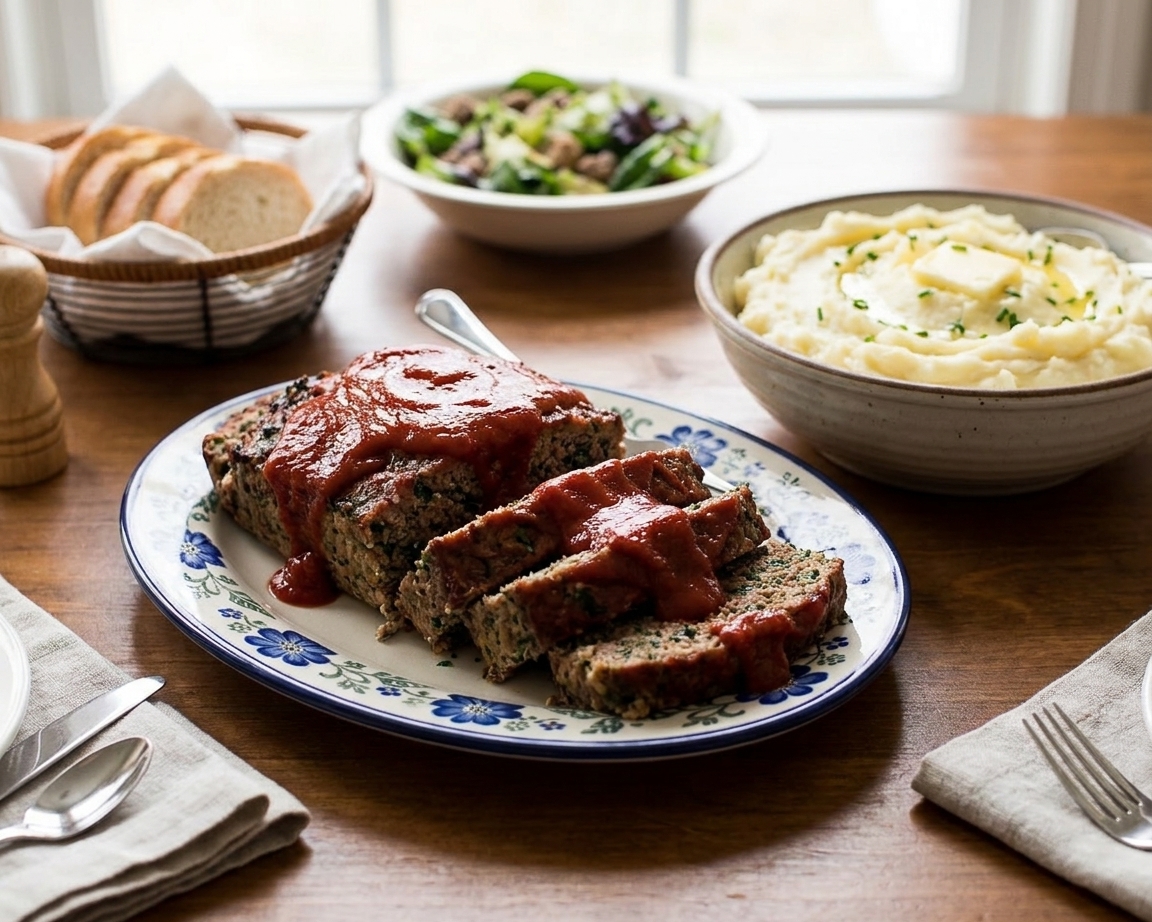
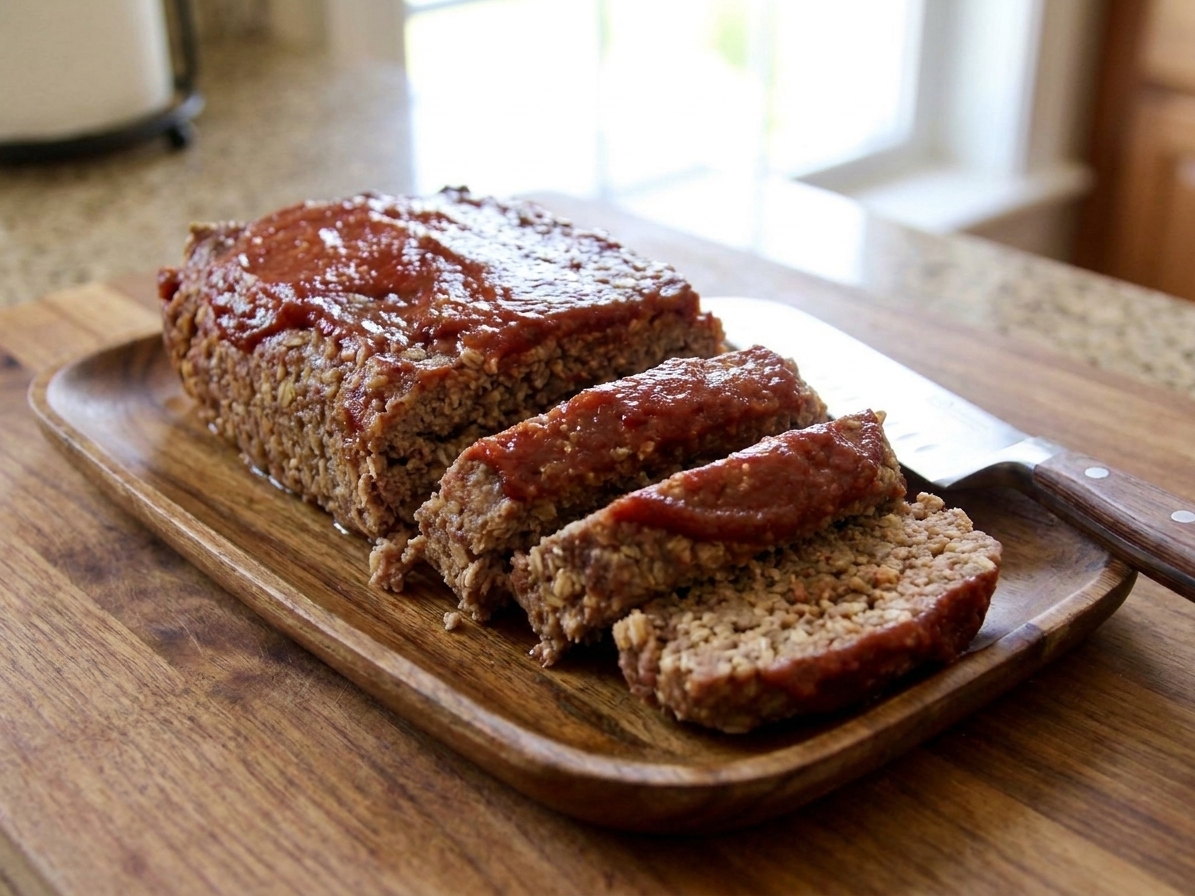
Sliced meatloaf on a wooden cutting board with a moist crumb and shiny glaze on a kitchen counter

Why It Works

  • Moist, not mushy: A simple panade using breadcrumbs and milk keeps the loaf tender without turning it into a paste.
  • Big flavor fast: Worcestershire, onion, and garlic build that classic savory depth with almost no extra work.
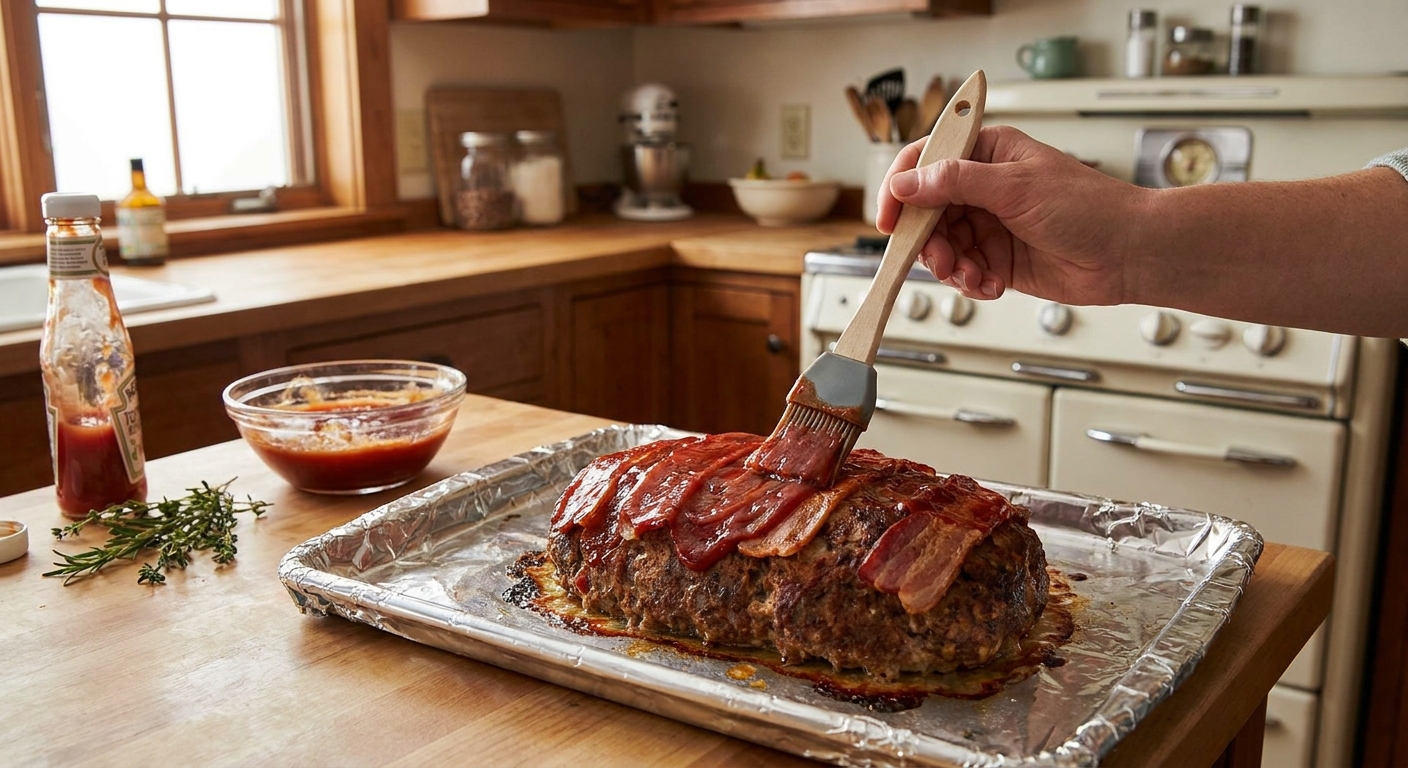
  • Glaze that actually tastes like something: Ketchup plus brown sugar plus vinegar gives you sweet, tangy, and glossy.
  • Less greasy, better slice: Baking on a sheet pan or a rack lets fat drain so you get cleaner slices and better edges.
  • Leftovers that slap: This meatloaf reheats well and makes elite sandwiches.

Pairs Well With

Storage Tips

How to Store Meatloaf

  • Cool first: Let the meatloaf cool for about 20 to 30 minutes before storing so it doesn't steam itself into soggy territory.
  • Refrigerator: Store slices in an airtight container for 3 to 4 days. Keep extra glaze in a small container if you made more.
  • Freezer: Wrap individual slices tightly (plastic wrap, then foil) and freeze up to 3 months. Slices thaw faster and reheat more evenly than a whole loaf.
  • Reheat: For best texture, reheat slices in a 350°F oven, covered, for 10 to 15 minutes. Microwave works too, but use medium power and add a tiny splash of water or extra glaze to keep it juicy.

Meatloaf sandwich tip: Pan-sear a slice in a skillet until the edges crisp, then tuck it into toasted bread with mayo, pickles, and a little extra glaze. You are welcome.

Common Questions

Common Questions

What is the secret to moist meatloaf?

Two things: enough moisture (milk plus breadcrumbs, and an egg) and not overmixing. Mix just until combined. Overmixing makes the loaf dense and tough.

Should I cook meatloaf covered or uncovered?

Uncovered. You want the top to caramelize and the glaze to set. If the top is browning too fast near the end, you can loosely tent with foil.

What internal temperature should meatloaf be?

Cook to 160°F in the center for beef or beef and pork blends. Let it rest 10 minutes before slicing so the juices redistribute.

Can I make this meatloaf ahead of time?

Yes. You can mix and shape the loaf, cover tightly, and refrigerate up to 24 hours. Add the glaze right before baking (or glaze during the last 15 minutes).

Can I use turkey instead of beef?

Yes. Use ground turkey (preferably not extra-lean) and consider adding 1 tablespoon olive oil to the mix for richness. Still cook to 165°F for poultry.

Why did my meatloaf fall apart?

Usually it's one of three things: not enough binder (egg and breadcrumbs), slicing too soon, or the mixture was too wet. Let it rest, and next time measure the milk and breadcrumbs carefully.

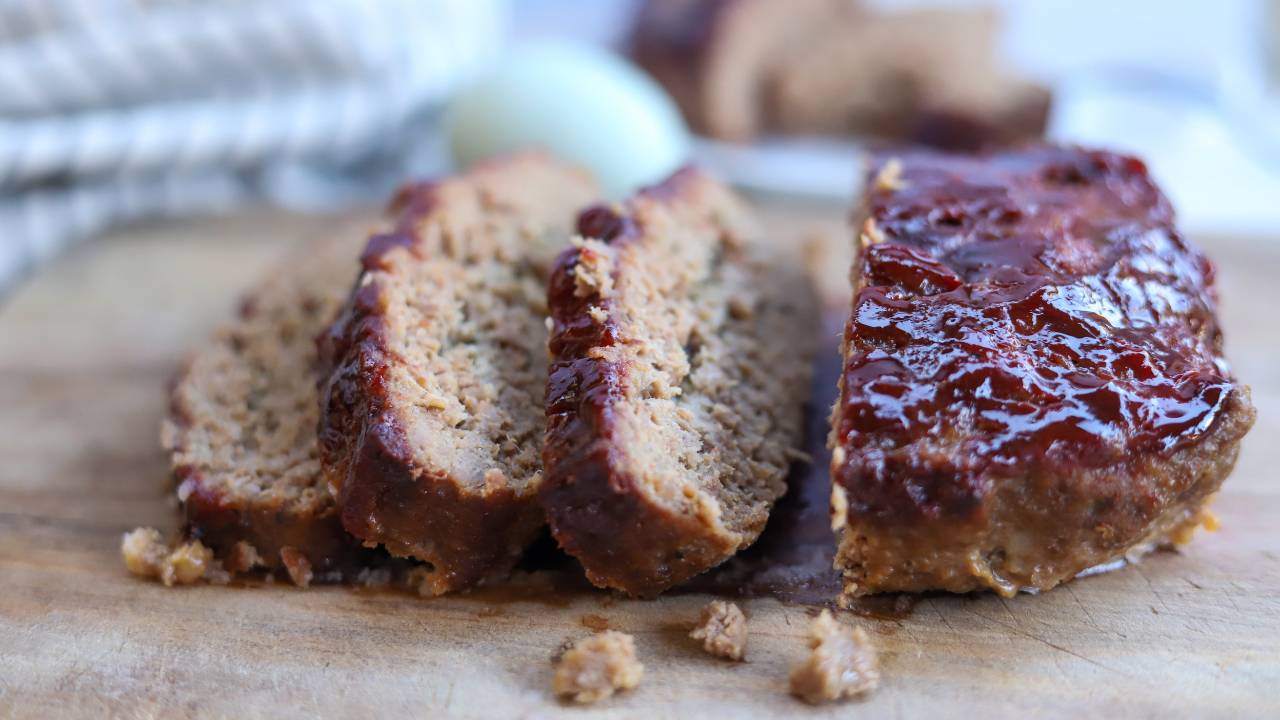
I started making meatloaf when I wanted a dinner that felt classic but did not demand a whole production. It's the kind of recipe that forgives a chaotic kitchen, a missing measuring spoon, and a kid asking for a snack while you're holding raw ground beef. The first time I nailed the glaze, that glossy sweet-tangy top that sets like barbecue candy, I realized meatloaf isn't boring. It's just waiting for you to season it like you mean it.