Mom's Best Recipes
Recipe

Juicy Meatballs

Tender, juicy meatballs with crisp edges, a rich tomato simmer, and big cozy flavor. Easy enough for weeknights, good enough for Sunday sauce.

Author By Matt Campbell
4.9
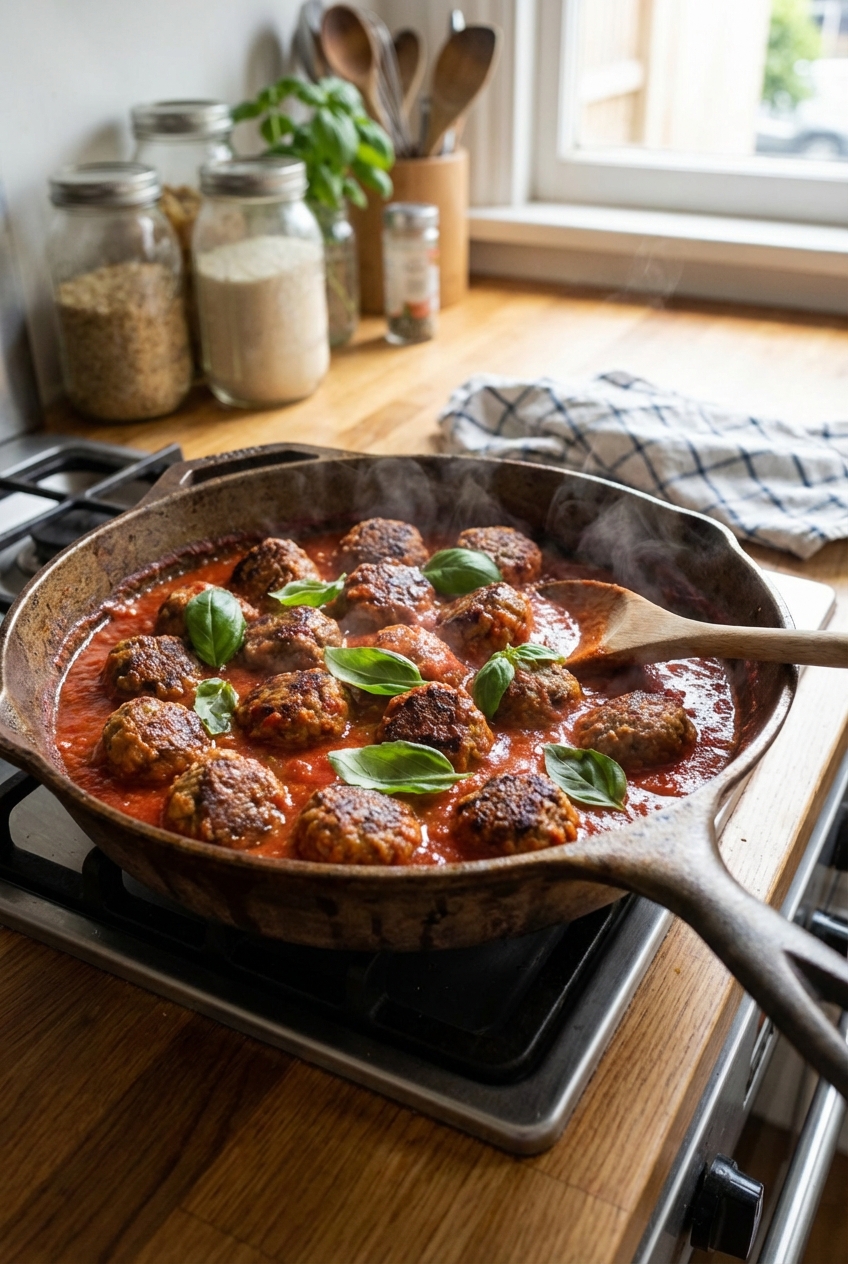
A cast iron skillet filled with browned meatballs simmering in tomato sauce with fresh basil

Meatballs are one of those meals that feel like a hug, but only if they are actually juicy. Dry meatballs are a crime against comfort food. These are the opposite: tender inside, nicely browned outside, and seasoned like you mean it.

This recipe is my go-to because it uses a few smart moves that make a huge difference: panade (bread soaked with milk) for moisture, a mix of beef and pork for flavor, and a quick sear for those crisp edges we all fight over. Then they finish in a simple tomato sauce so everything stays juicy and the sauce tastes like it has been simmering all day, even if it has not.

If you are feeding a family, meal prepping, or building the world’s most chaotic meatball sub, you are in the right place. Taste as you go. Be slightly imperfect. Your kitchen, your rules.
Why It Works

  • Juicy texture, not bready: A milk-soaked bread panade keeps the meatballs moist without turning them into dense filler balls.
  • Deep flavor fast: Beef plus pork, Parmesan, garlic, and a little Worcestershire create that slow-cooked taste in weeknight-friendly time.
  • Crisp edges, tender center: A hard sear in a hot skillet gives browning, then a gentle sauce simmer finishes them without drying out.
  • Forgiving method: Even if you slightly over-brown them, the sauce finish brings them back to life.

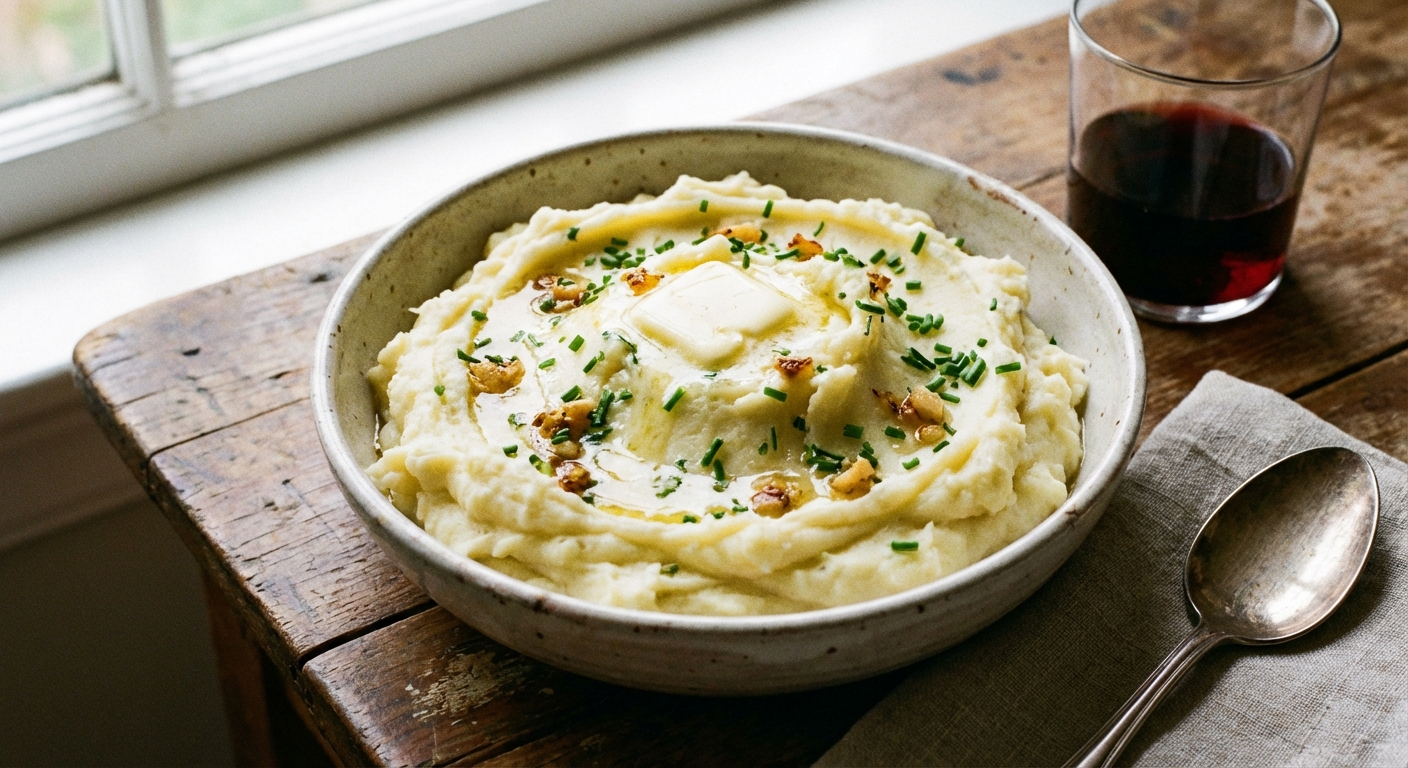
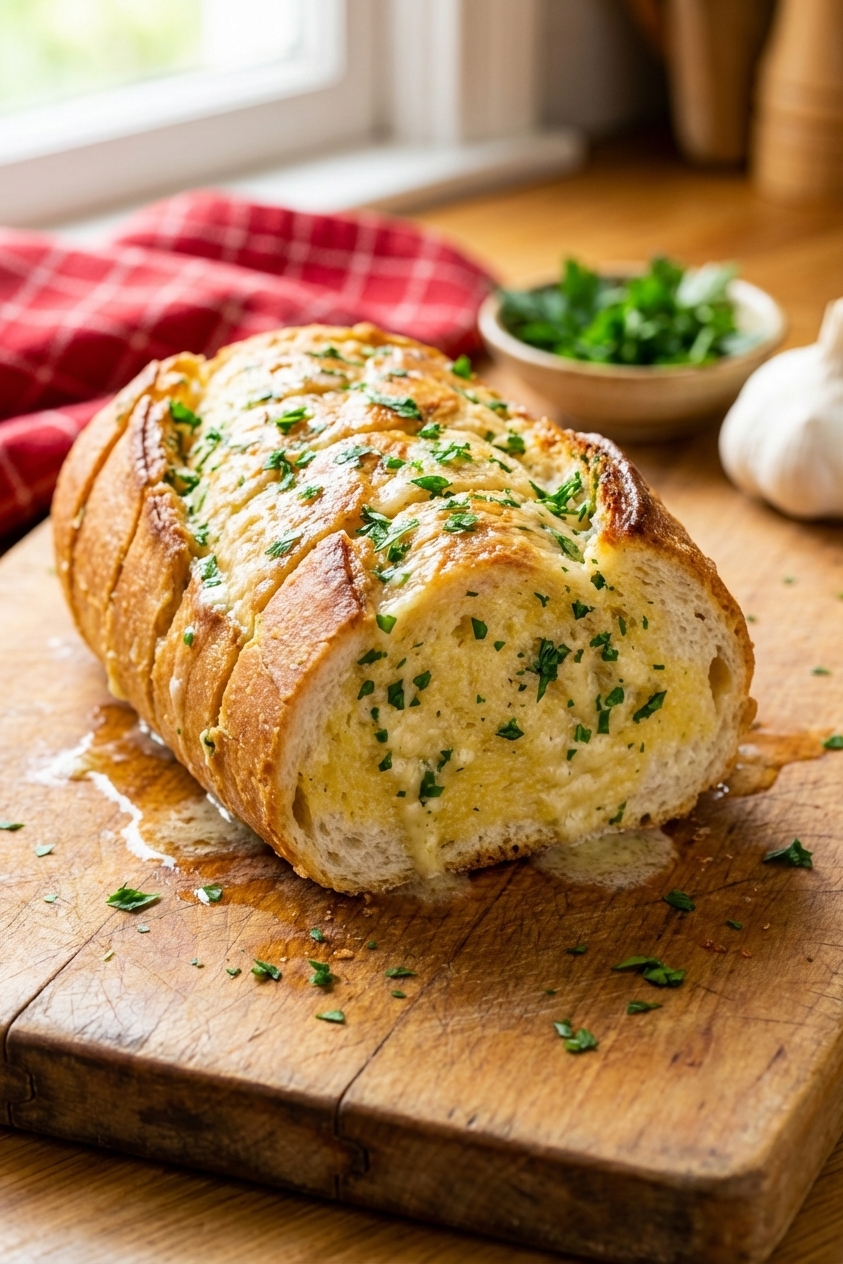
Pairs Well With

Storage Tips

Refrigerate: Store meatballs with sauce in an airtight container for up to 4 days. Keeping them in sauce helps prevent drying out.

Freeze (cooked): Cool completely, then freeze in sauce for up to 3 months. I like freezing in a flat bag or shallow container so it thaws faster.

Freeze (raw): Roll meatballs and freeze on a sheet pan until firm, then transfer to a freezer bag for up to 3 months. Thaw overnight in the fridge before searing, or sear from frozen over slightly lower heat and plan on a longer simmer to finish.

Reheat (best way): Warm gently in a covered saucepan over medium-low heat with a splash of water, broth, or extra marinara until hot throughout.

Reheat (microwave): Cover and heat in short bursts, stirring sauce in between. Add a spoonful of water if the sauce looks thick.

Common Questions

Why are my meatballs tough?

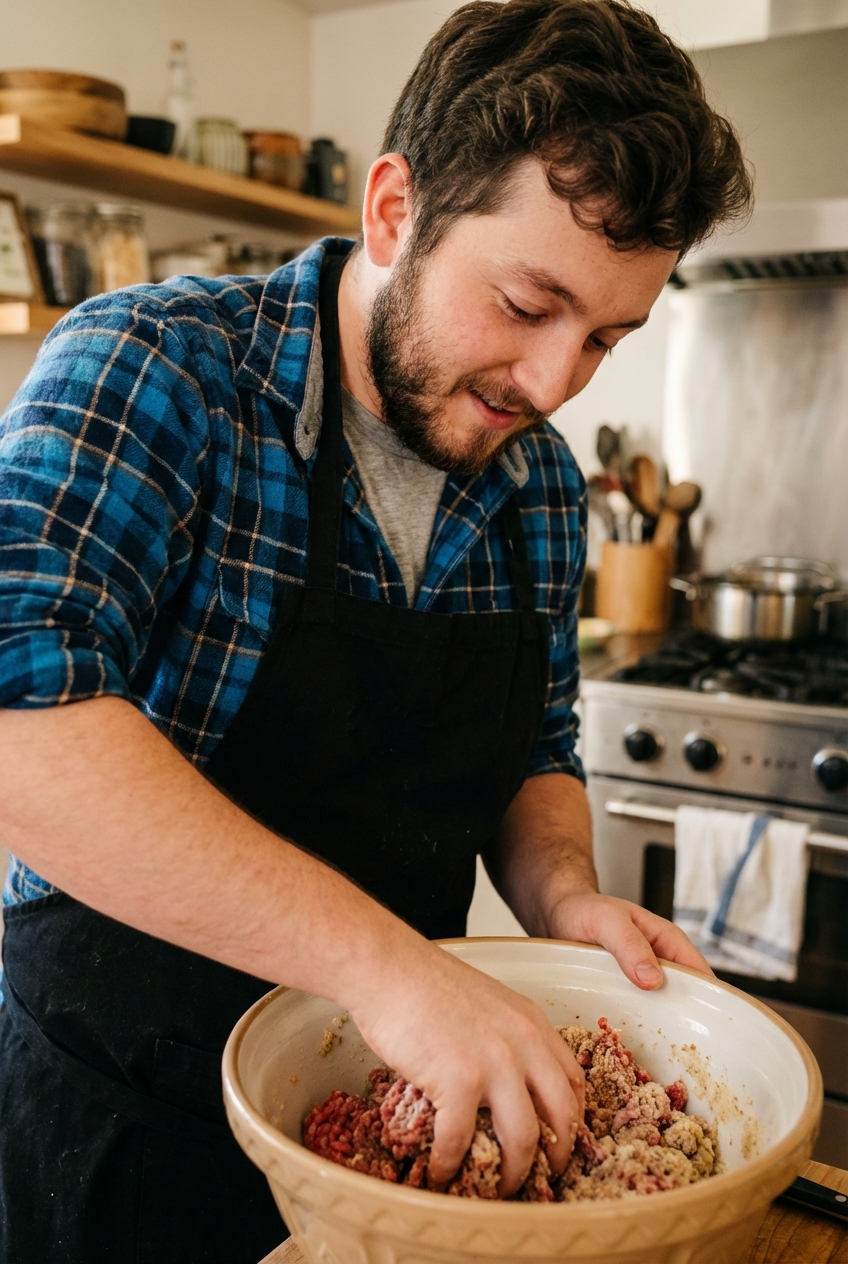
The usual culprits are overmixing, packing them too tightly, or using very lean meat. Mix just until combined, roll gently, and aim for an 80 to 85 percent lean blend. The panade also helps keep things tender.

Do I have to use pork?

No, but it helps a lot with juiciness and flavor. If you want all beef, choose 80 to 85 percent lean. If you want poultry, use ground turkey thigh if possible and do not skip the panade.

Can I bake them instead of pan-searing?

Yes. Bake at 425°F on a lightly oiled sheet pan for 15 to 22 minutes, depending on your oven and size, until browned and cooked through. For best results, check with a thermometer. Then simmer in sauce for 5 to 10 minutes. You lose a little crisp-edge magic, but you gain hands-off ease.

How do I know when they are done?

For beef and pork meatballs, aim for at least 160°F in the center. If you prefer a bigger safety buffer or your local guidance recommends it, cook to 165°F. They will finish cooking gently while simmering in sauce, so do not overdo the sear.

Can I make them ahead?

Absolutely. You can roll the meatballs up to 24 hours ahead and keep them covered in the fridge. You can also freeze them either raw (rolled) or cooked in sauce. Thaw overnight in the fridge before cooking or reheating.

Any easy swaps for allergies?

This recipe contains gluten, dairy, and egg. For gluten-free, use gluten-free bread or breadcrumbs. For dairy-free, use an unsweetened non-dairy milk and a dairy-free Parmesan-style alternative. For egg-free, try a thick slurry of 1 tablespoon ground flaxseed plus 3 tablespoons water (texture will be slightly softer).

The first time I tried to “wing it” with meatballs, I made proud little baseballs of sadness. Dry, dense, and somehow both bland and too salty. It was a masterclass in why meatballs need a little gentleness.

These days, I treat meatballs like a team project. The bread and milk do the moisture work, the pork brings the flavor, and my only job is to not overmix and to let the skillet do its browning thing. When they hit the sauce and finish simmering, the whole kitchen smells like you have your life together, even if there are three spoons in the sink and you are still looking for the basil.