How ripe should the bananas be?
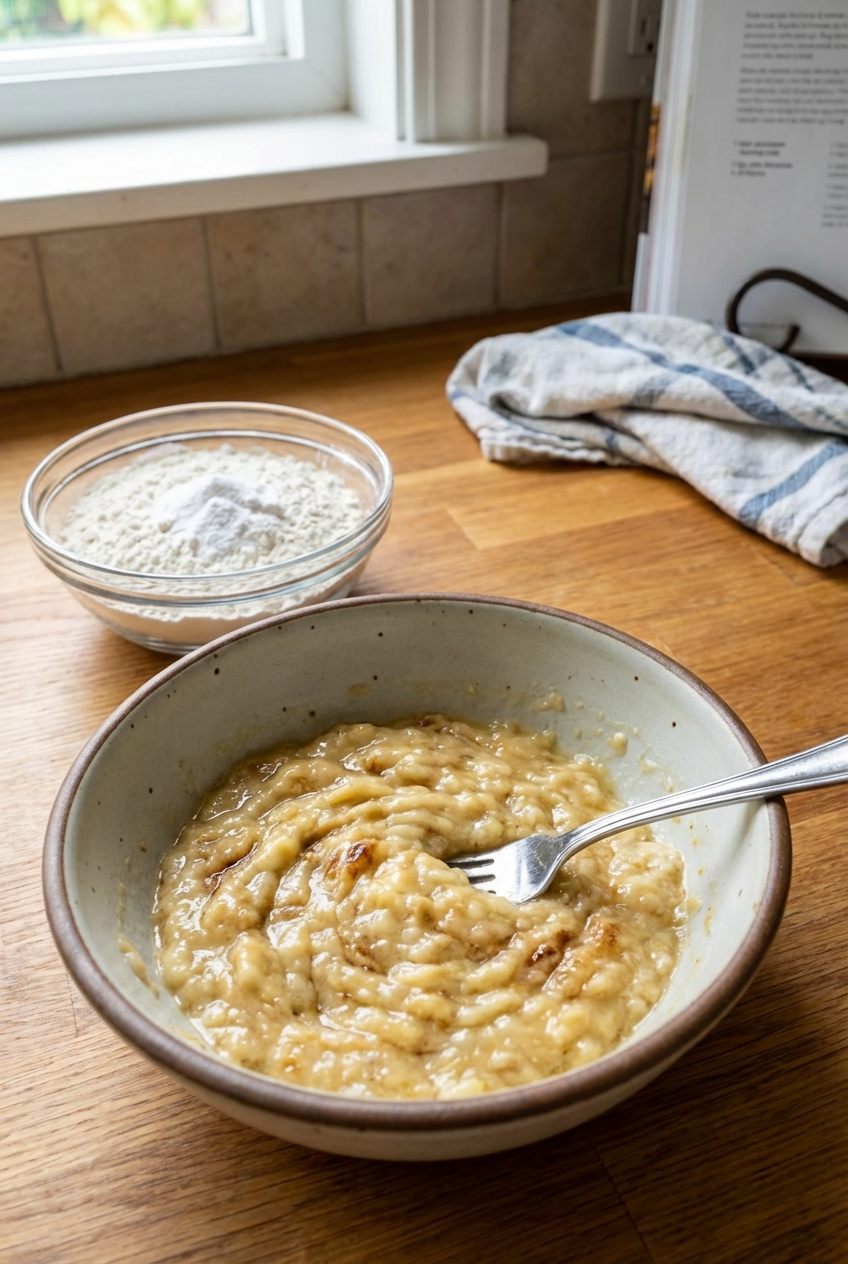
Ripe enough that you would not eat them plain. Look for heavy brown spotting or mostly black peels. The riper they are, the sweeter and more banana-forward your loaf will taste.
How many bananas is 1 1/2 cups mashed?
Usually 3 medium-large bananas, but banana sizes vary a lot. If yours are small, aim for the measurement: about 1 1/2 cups mashed.
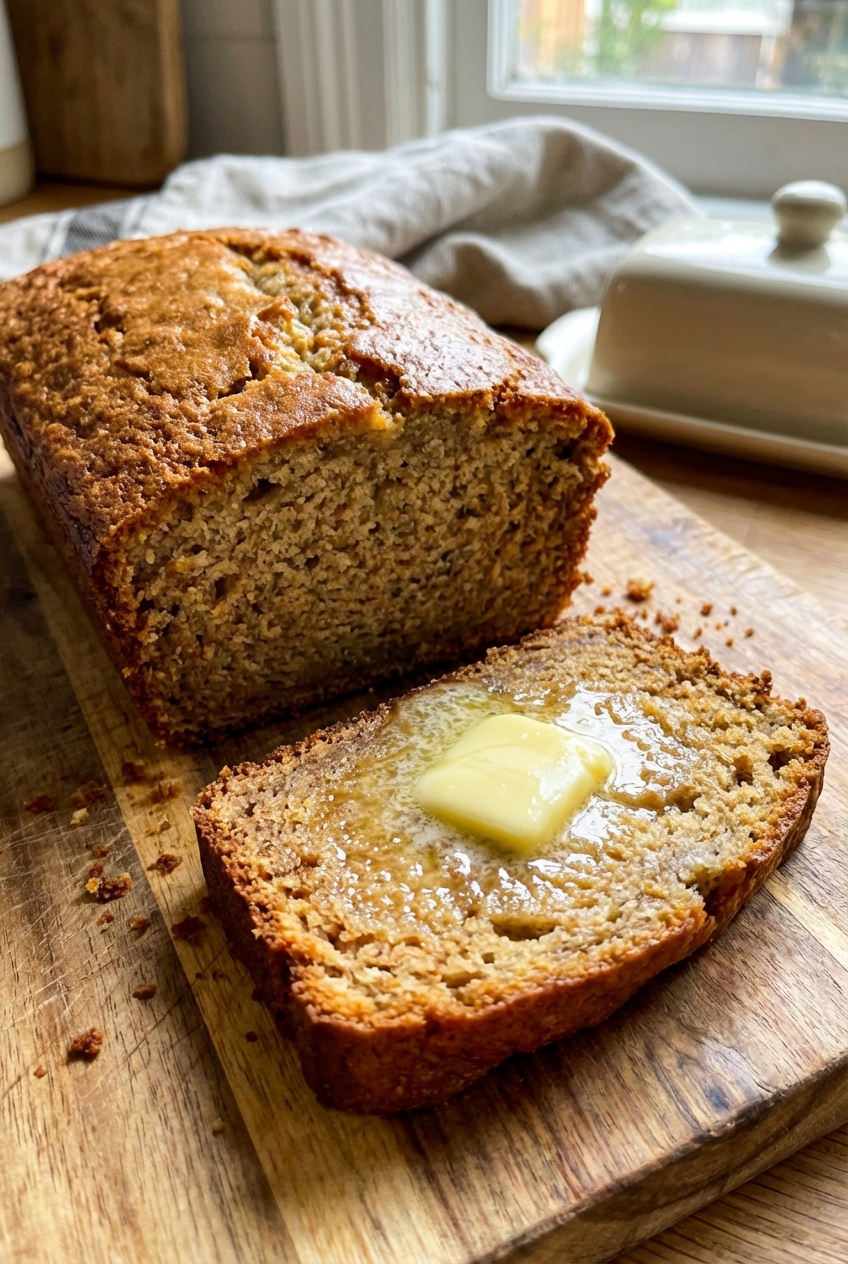
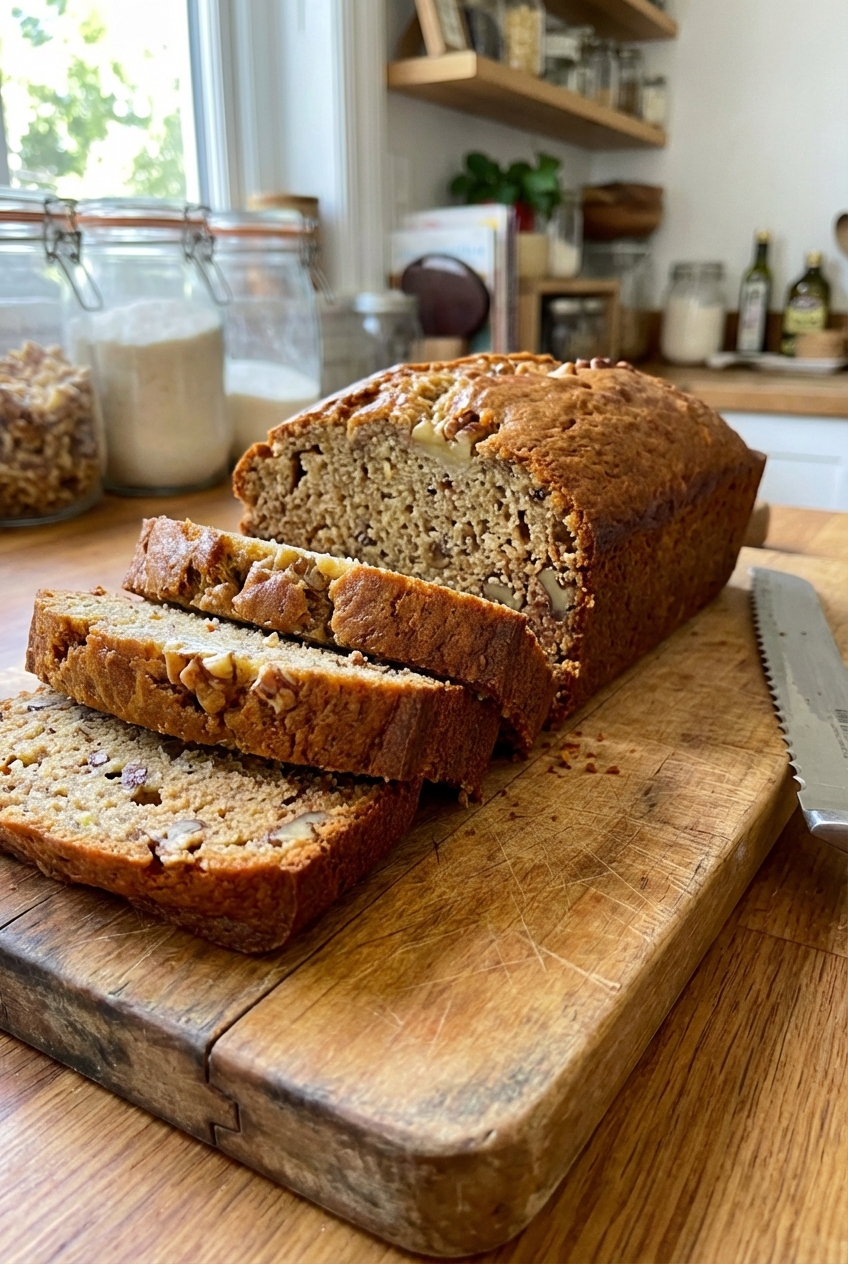
Why is my banana bread dry?
The usual culprits are too much flour (scooping straight from the bag packs it), overbaking, or not enough banana. Use the spoon-and-level method for flour, start checking at 50 minutes, and measure bananas if yours are small.
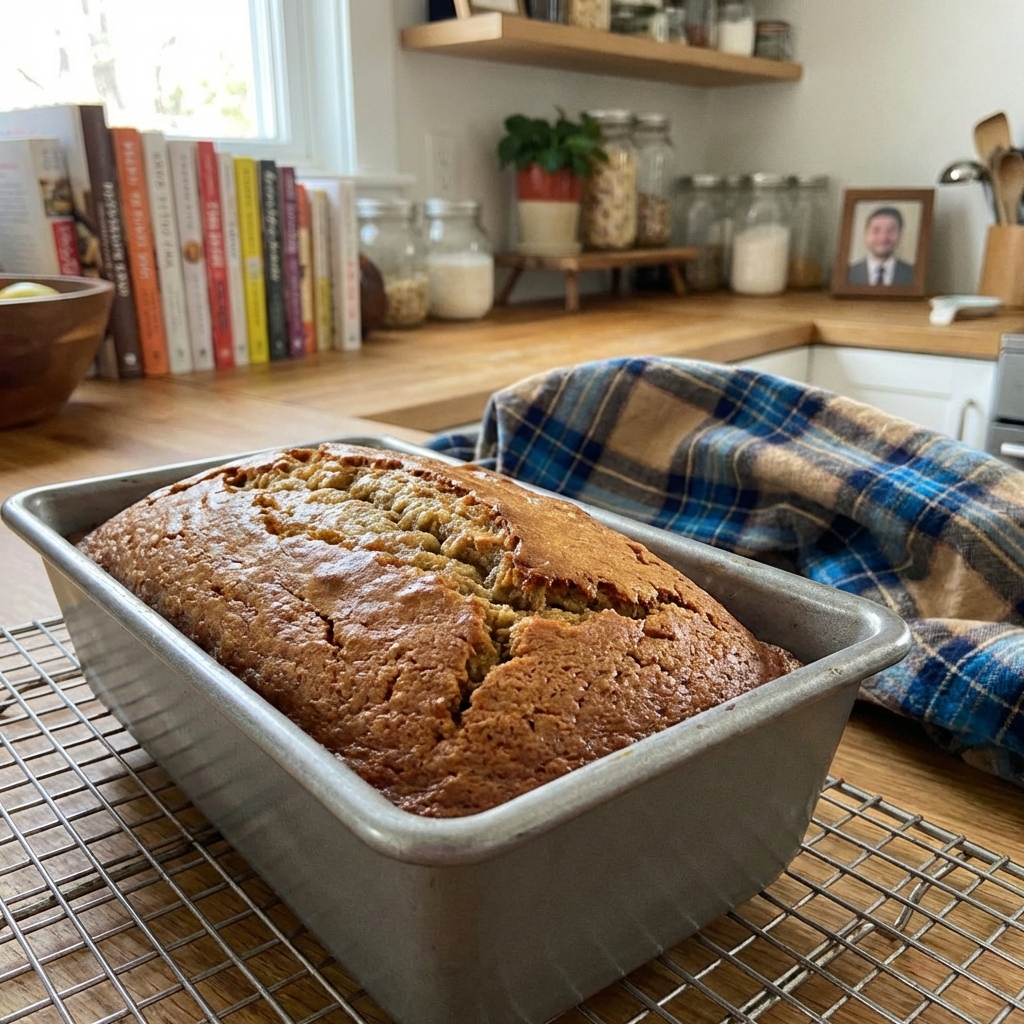
Why did it sink in the middle?
Most often it is underdone in the center or the oven ran hot and the outside set before the middle could support itself. Use the toothpick test and look for an internal temp around 200°F to 205°F if you have a thermometer.
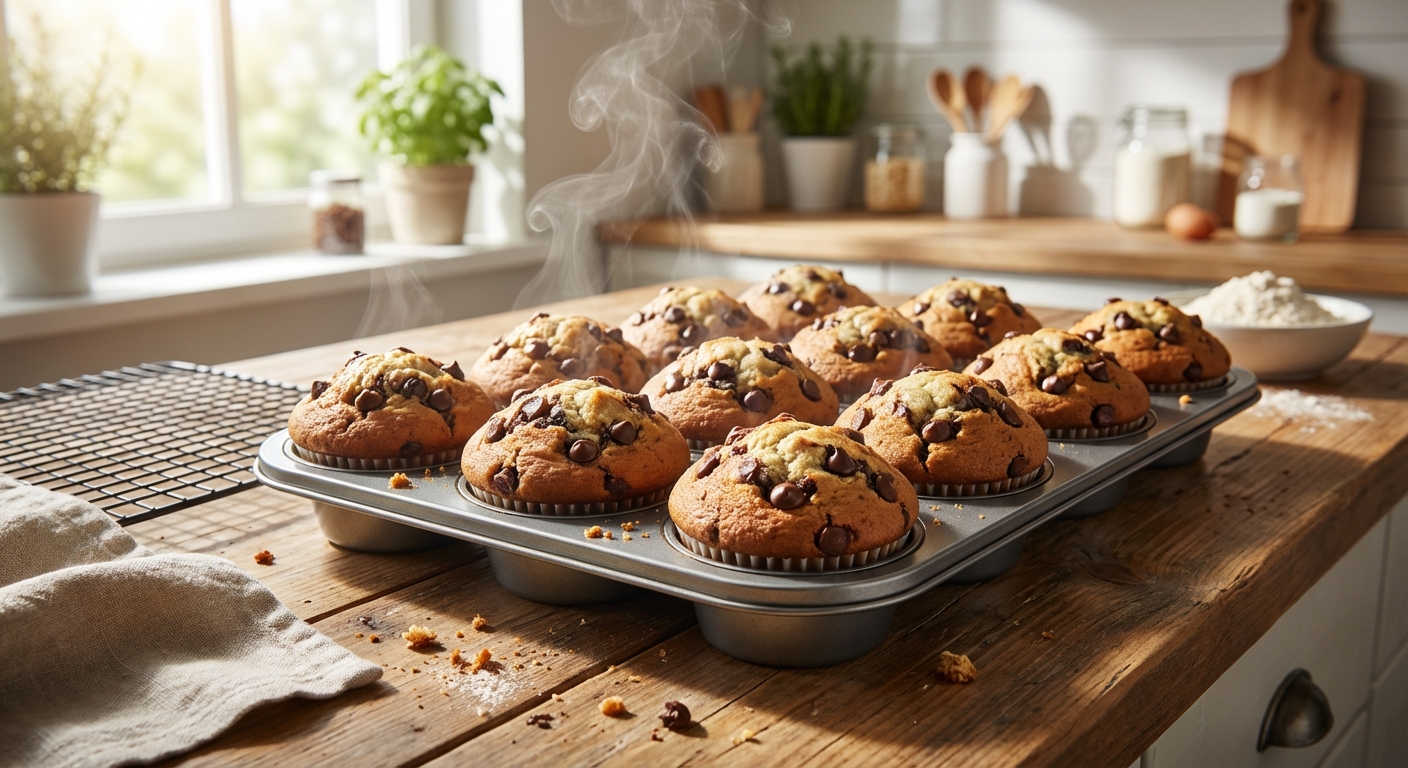
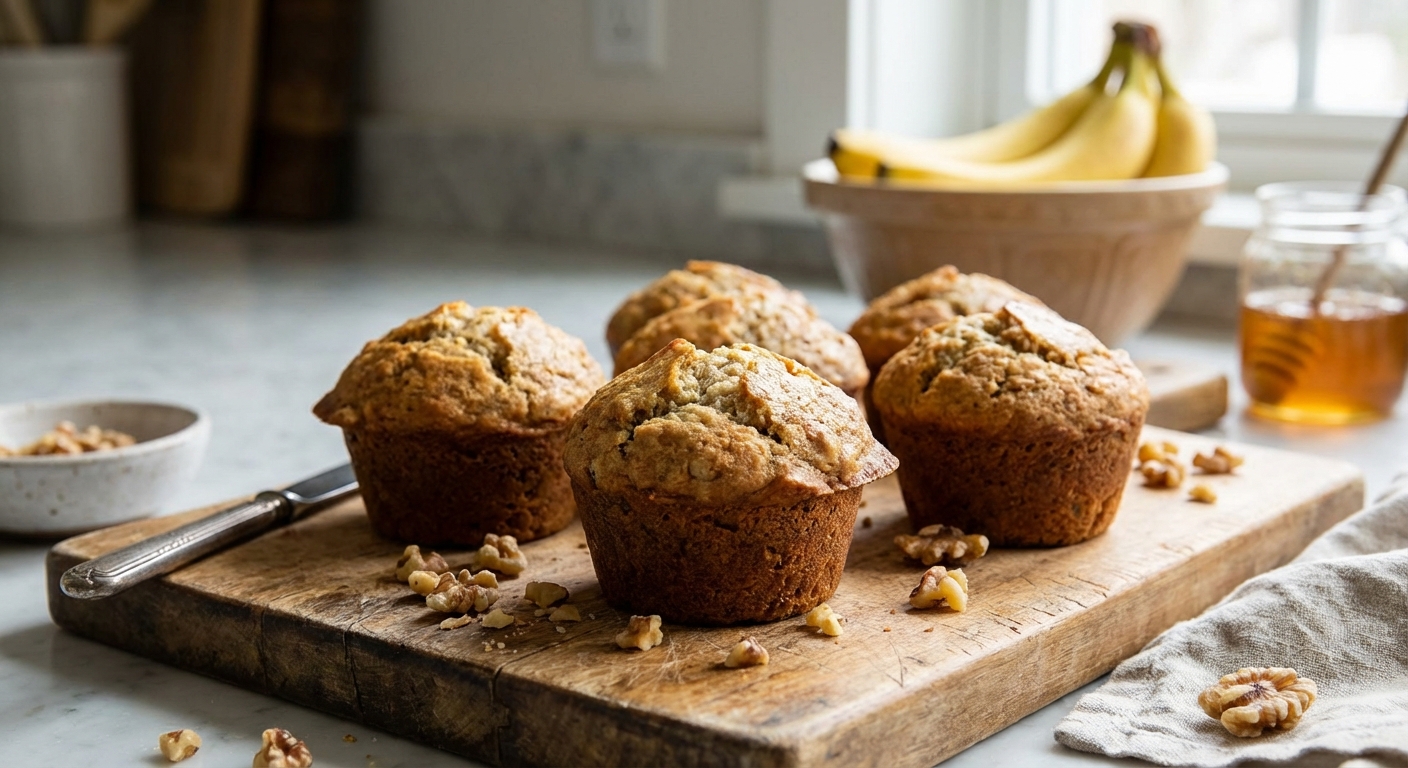
Can I make muffins instead of a loaf?
Yes. Portion into a lined muffin tin and bake at 350°F for 18 to 24 minutes. Start checking at 18.
Can I reduce the sugar?
You can cut the sugar by up to 1/4 cup without wrecking the texture. Keep in mind sugar also helps with moisture and browning, so the loaf may be a touch less tender and less golden.
Can I swap the yogurt or sour cream?
Yes. Use plain Greek yogurt, regular plain yogurt, or sour cream. In a pinch, you can use buttermilk, but the batter will be looser and the loaf may bake a little faster.
Why no baking powder?
This recipe uses baking soda because bananas (and the yogurt or sour cream) bring acidity that soda can lift. Baking powder is not wrong, it is just not necessary here for a tall, tender loaf.
Should I refrigerate banana bread?
You can, but it is not my first choice because the fridge can dry the crumb. If you do refrigerate, cool the loaf completely first, wrap it well, and discard at any sign of mold or an off smell.