FAQ
What flour is best for crispy and chewy pizza dough?
Bread flour is my favorite here because the higher protein helps build chew and structure. All-purpose flour works too, you will just get a slightly softer chew. Heads up: flour brands absorb water differently, so the same dough can feel tackier one day than the next.
Is this dough sticky? The hydration feels high.
Yep, it is a high-hydration but manageable dough (about 70%). It should feel tacky and elastic, not soupy. If it is sticking to everything, add flour 1 tablespoon at a time just until it is workable. If you over-flour, you lose that crisp-chewy payoff.
Do I need a pizza stone or steel?
No. A stone or steel helps the bottom crisp faster, but you can still get great results on an upside-down sheet pan (preheated) or a regular sheet pan. Cast iron is also awesome for a thicker, crisp-edged pizza.
Why does my dough keep shrinking back when I stretch it?
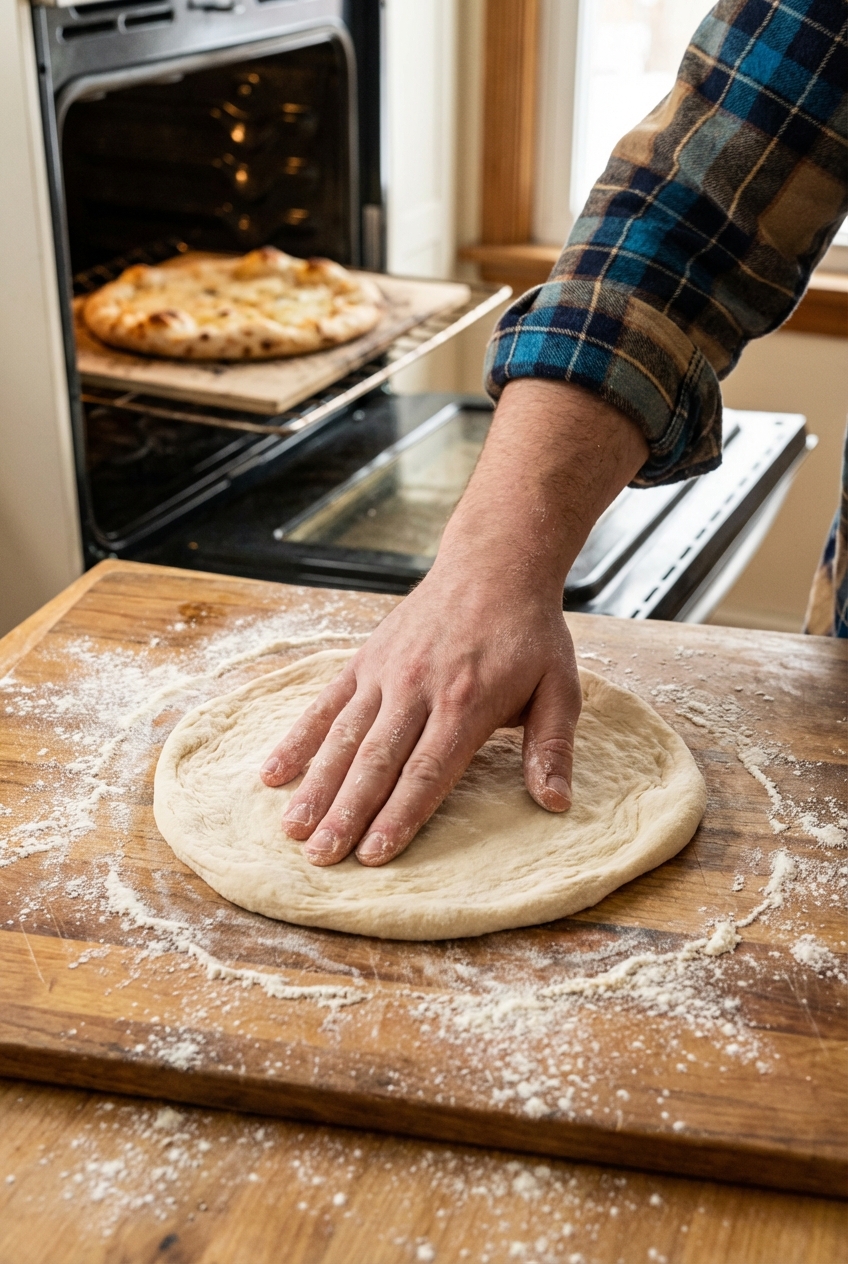
That is gluten saying it needs a break. Cover the dough and let it rest 10 to 15 minutes, then try again. Also make sure the dough is not cold. Cold dough fights you.
How do I get those bubbly, blistered edges?
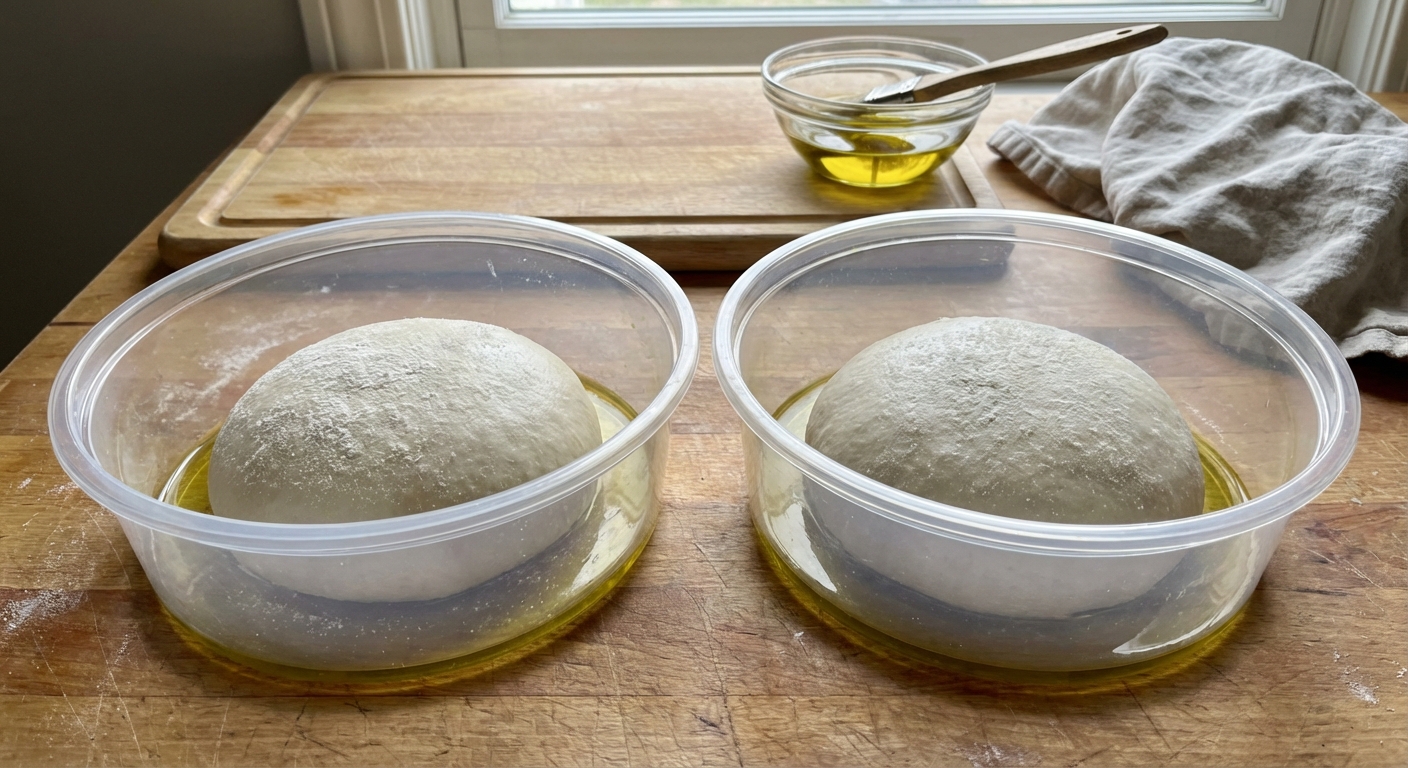
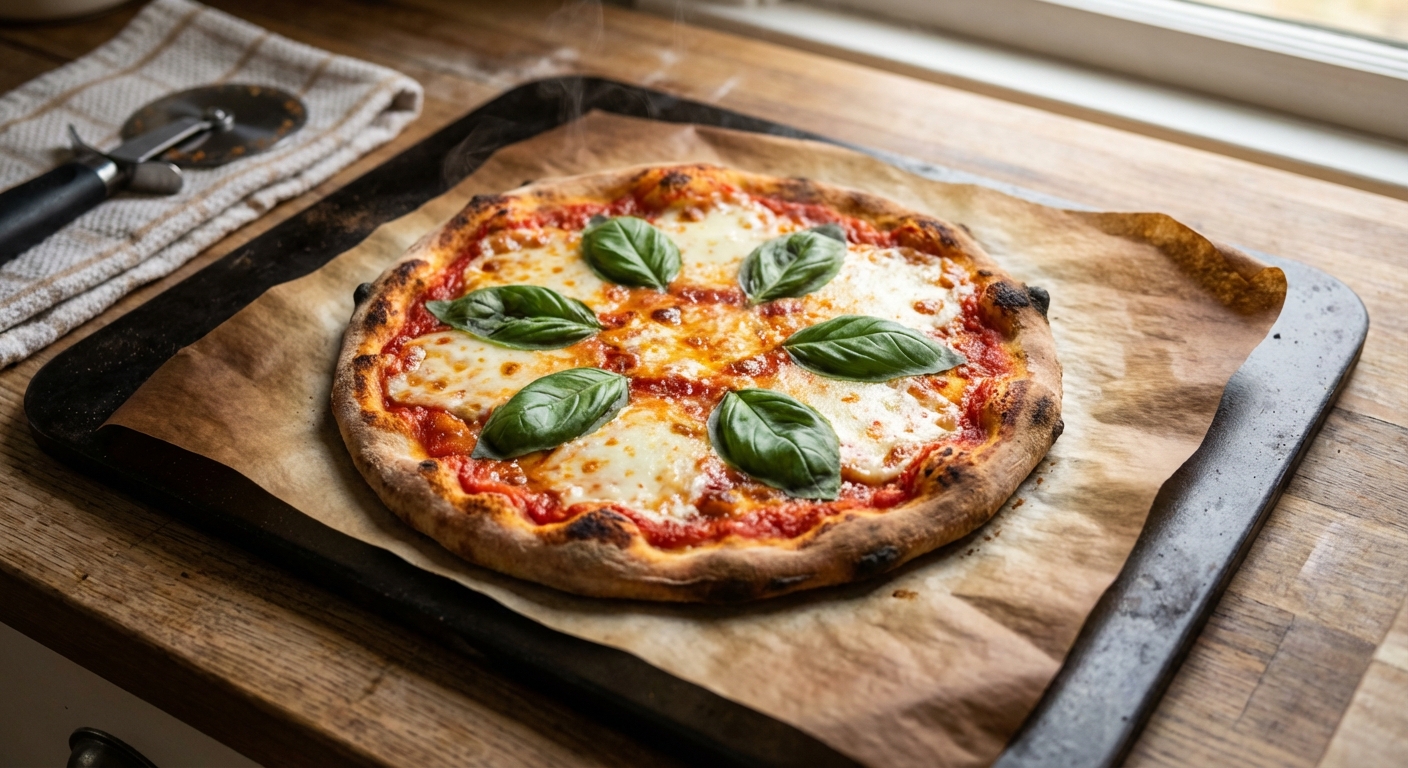
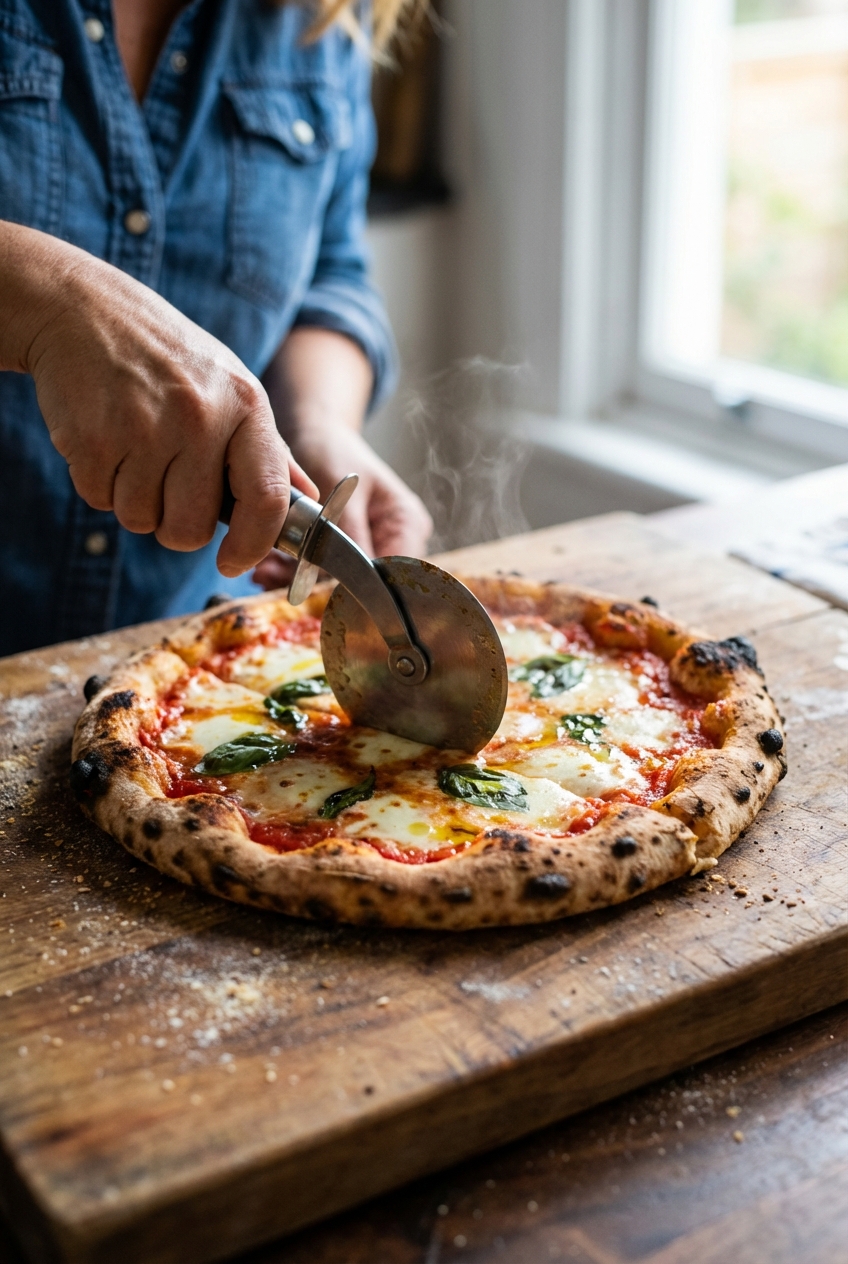
Three things help: high heat, a well-fermented dough (overnight is best), and not pressing the rim flat when you shape. Leave that outer 1 inch a little puffy. One note: extra oil in the dough can slightly reduce blistering, so if blisters are your obsession, keep the oil as written and rely on fermentation and heat for the magic.
Can I make this dough without a stand mixer?
Absolutely. Stir with a spoon until shaggy, then knead by hand 8 to 10 minutes. If the dough feels tacky, that is fine. Use a little oil on your hands instead of dumping in extra flour.
What water temperature should I use for yeast?
For active dry yeast, aim for 100°F to 110°F. Warm, not hot. Avoid anything over 120°F, which can damage the yeast. Instant yeast is more forgiving and can be mixed right into the flour.