Mom's Best Recipes
Recipe

Soft and Chewy Chocolate Chip Cookies

Thick centers, crisp edges, and puddles of chocolate. One bowl, no weird ingredients, and a dough that behaves even on a busy weeknight.

Author By Matt Campbell
4.9
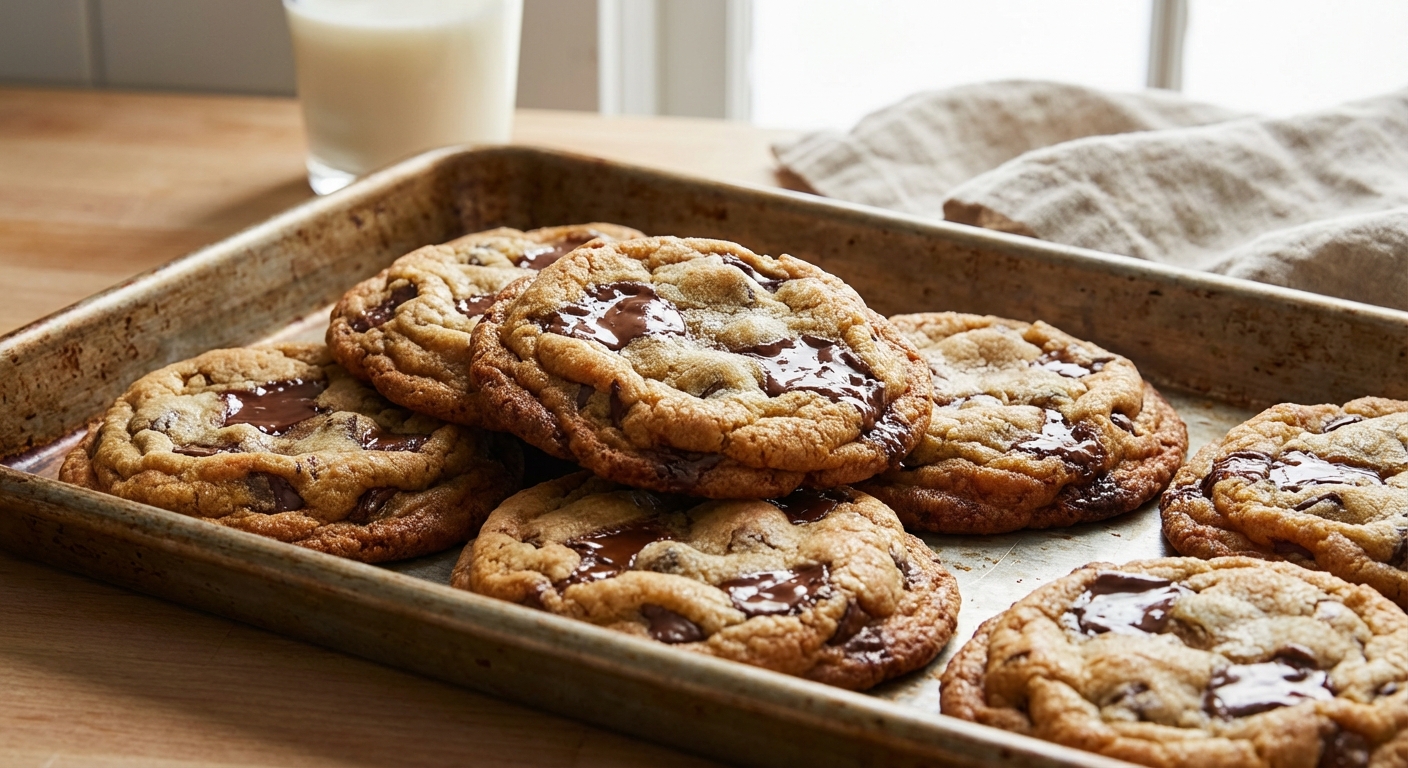
A tray of thick soft and chewy chocolate chip cookies with crisp golden edges and melted chocolate chunks

There are two kinds of cookie people: the crispy-all-the-way folks and the soft center, chewy bite crowd. If you are here, you already know the mission. We want cookies that look bakery-thick, stay tender for days, and have those little golden, lacy edges that crackle when you break one in half.

This is my go-to chocolate chip cookie recipe when I want maximum payoff with minimum drama. It uses everyday pantry ingredients, it does not require a stand mixer, and it gives you the kind of dough that is forgiving if your butter got a little too soft or your kids are “helping” with the chips.

Pro tip before we start: If you can chill the dough for even 30 minutes, do it. If you cannot, we will still get you a very good cookie. But chilling is how we level up to thick, chewy, and deeply caramelized.
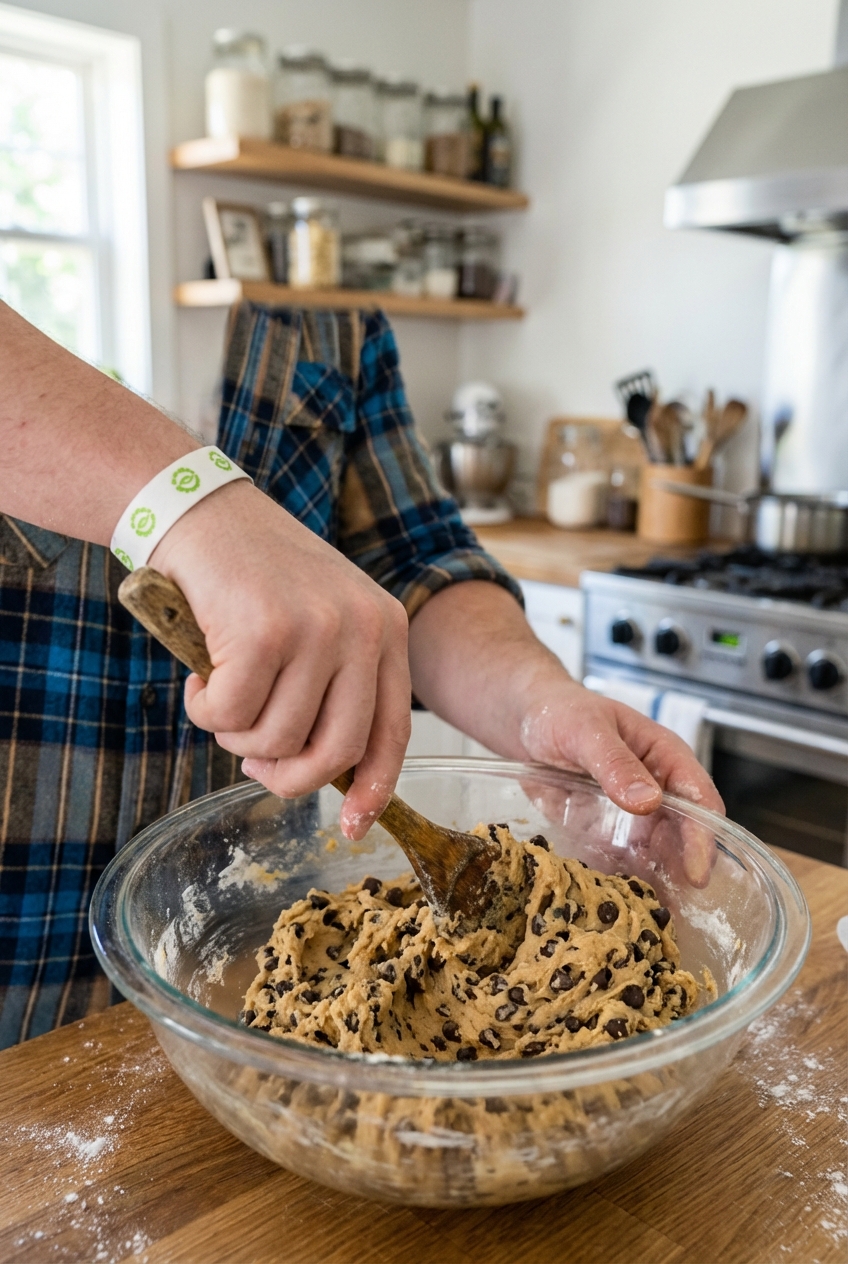
Hands mixing chocolate chip cookie dough in a large glass bowl with a wooden spoon

Why It Works

  • Melted butter for chew: Melting the butter helps the sugars dissolve quickly, which can lead to a chewier texture and a more cohesive dough.
  • Extra yolk for softness: One additional egg yolk boosts richness, making the centers plush and tender.
  • Brown sugar does the heavy lifting: It brings moisture and a subtle toffee flavor that screams classic cookie shop.
  • More vanilla than you think: Vanilla is not just “sweet.” It rounds out the chocolate and makes the whole cookie taste warmer.
  • Chill time equals thicker cookies: Resting the dough firms up the fat and hydrates the flour, reducing spread and improving flavor.
  • Underbake on purpose: Pulling them when the centers look slightly underdone is the secret. They finish cooking on the sheet.

Pairs Well With

Storage Tips

Room temperature: Store cooled cookies in an airtight container for up to 4 days. Add a small piece of sandwich bread to the container to help keep them soft. The cookies steal moisture from the bread like tiny delicious thieves.

Freeze baked cookies: Freeze in a zip-top bag or airtight container for up to 2 months. Thaw at room temp, or warm in a 300°F (150°C) oven for 4 to 6 minutes for that fresh-baked vibe.

Freeze cookie dough: Scoop dough into balls, freeze on a sheet pan until firm, then transfer to a bag. Bake from frozen, adding 1 to 2 minutes to the bake time.

One pan timing note: If you only have one sheet pan, your total time will run longer because each batch needs 10 minutes of cooling time on the pan (unless you slide the parchment off to free the pan sooner).

Common Questions

Why did my cookies spread too much?

Most common reasons: butter was too warm, your baking sheet was hot from a previous batch, or your flour was under-measured. Chill the dough 30 to 60 minutes, use a cool sheet pan, and spoon and level the flour instead of packing it.

How do I make them thicker?

Chill the dough longer, use slightly larger scoops, and make sure your oven is fully preheated. You can also shape dough balls taller than they are wide, like little cylinders, to encourage thickness.

Can I use chocolate chunks instead of chips?

Yes, and I highly recommend it. Chunks create bigger pockets of melted chocolate. A mix of chips and chunks is elite.

Do I have to use an extra egg yolk?

No, but it helps a lot with chew and richness. If you skip it, the cookies will still be good, just a bit less tender.

Can I make these without a mixer?

Yep. A whisk and a sturdy spoon work great. Just mix until combined and stop. Overmixing can make cookies tougher.

How do I get that bakery look?

Save a handful of chocolate chips or chunks and press a few onto the tops of the dough balls right before baking. Also, try the “cookie scoot” trick: right after baking, place a large round glass over the cookie and swirl in a tight circle to tuck the edges in and make it thicker and rounder.

I only have one sheet pan. What changes?

Totally doable, it just takes longer. Since the cookies need to cool on the pan for 10 minutes, each batch ties up your only pan. Plan on a longer total time, or slide the parchment (with cookies) onto a cooling rack so your pan can cool faster for the next round.

I originally wanted to chase a culinary degree, but I ended up learning in the most hands-on way possible: cooking constantly, messing up, fixing it, and picking up the little “why” behind every win. Cookies were one of my early obsessions because they are simple enough to make on a random Tuesday and picky enough to humble you if you blink.

This recipe is what I bake when I want a sure thing. It is the batch I bring when I am meeting new people, the batch I make when the kitchen feels too quiet, and the batch I bake when I need a confidence boost that smells like brown sugar and vanilla.