
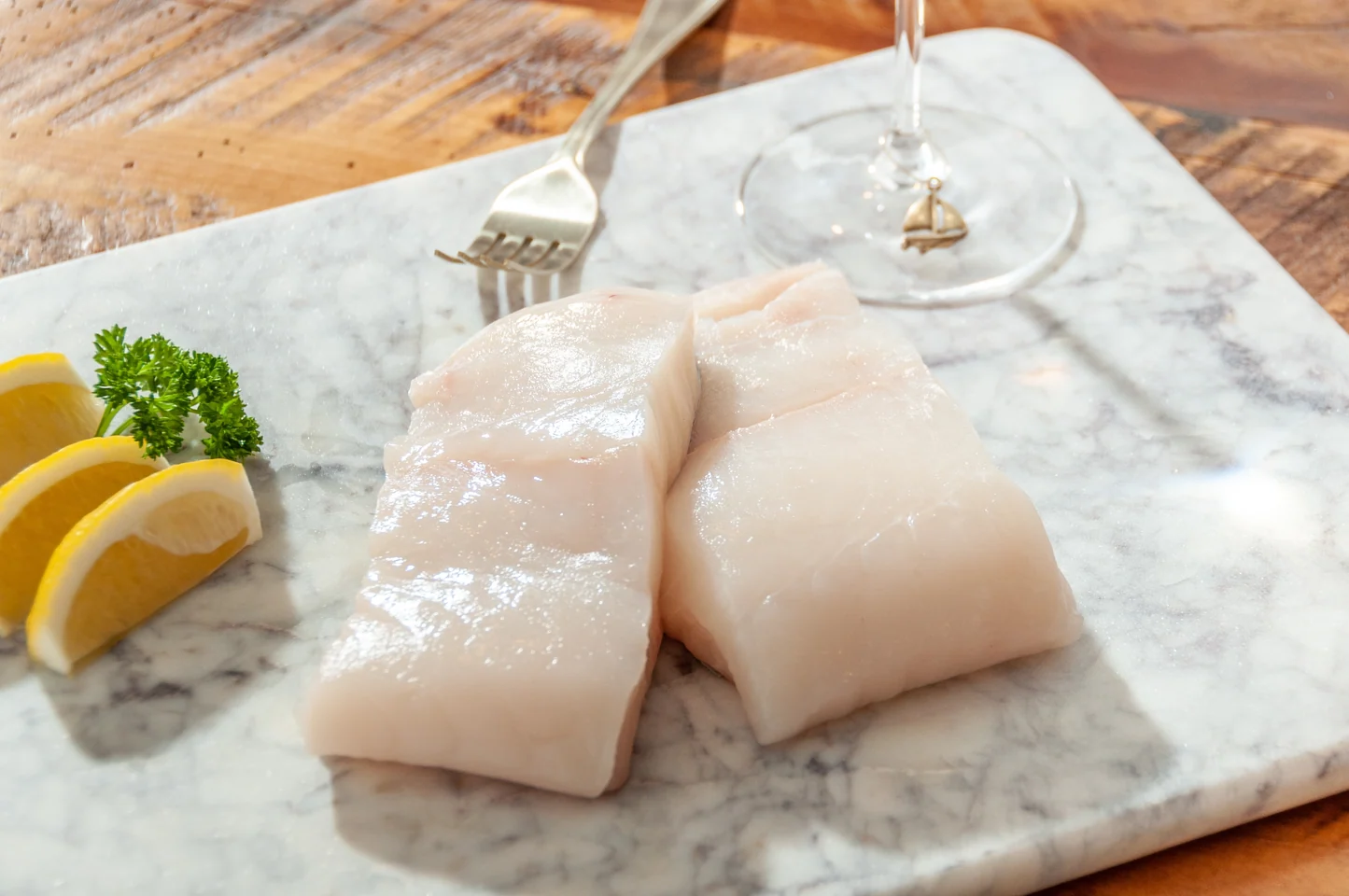
What makes Chilean sea bass so special
Chilean sea bass is famous for one thing: that rich, buttery texture. It is a market name most commonly used for Patagonian toothfish (and sometimes closely related toothfish species), and it is typically sold in thick, restaurant-style portions.
It is also fattier than many white fish, which helps it stay juicy under high heat. That’s why it can handle roasting, pan-searing, and broiling without turning into dry flakes, as long as you don’t push it past doneness.
When you’re substituting, you’re really chasing three traits:
- Fat and silkiness (for the buttery mouthfeel)
- Thickness (so it cooks similarly and feels “steak-y”)
- Mild flavor (so sauces, glazes, and browned butter still shine)
Quick pick: best swaps
If you want the closest experience, start here.
- Closest match for buttery richness: black cod (sablefish)
- Closest match for a thick, clean fillet: halibut (best with added fat like butter or olive oil)
- Middle ground with good flavor and flake: striped bass
- Budget-friendly, firm, mild option: mahi mahi (leaner, so protect it from overcooking)
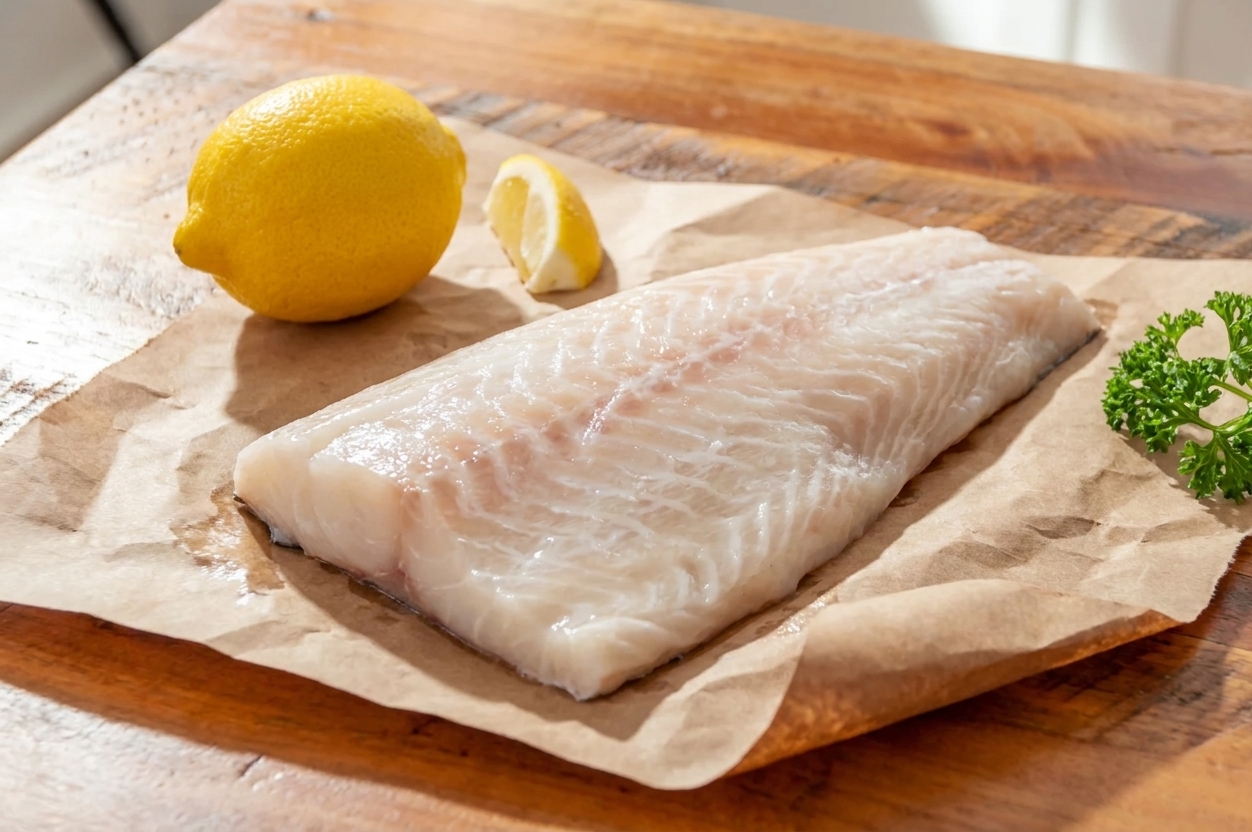
Substitute #1: Black cod
If Chilean sea bass is the cozy cashmere sweater of the seafood world, black cod is the next sweater you grab. It has a similarly luxurious texture because it’s also a high-fat fish.
How it compares
- Flavor: Mild, slightly sweet, very rich
- Fat content: High (this is why it feels so buttery)
- Price: Often expensive, but can be less than Chilean sea bass depending on season and region
- Thickness: Often sold in slightly thinner portions than sea bass, but still substantial
Cooking time adjustments
Because sablefish is rich and often thinner, it tends to cook a little faster, especially with high heat.
- If your recipe calls for thick sea bass portions: choose the thickest sablefish pieces you can (think around 1 inch thick), or reduce cook time by about 10 to 20 percent.
- Doneness cue: it will turn opaque and flake easily, but it can look almost “custardy” inside when perfectly done.
Pip’s tiny tip: sablefish loves bold glazes (miso, soy, honey, citrus). Rich fish plus a punchy sauce is a very happy situation.
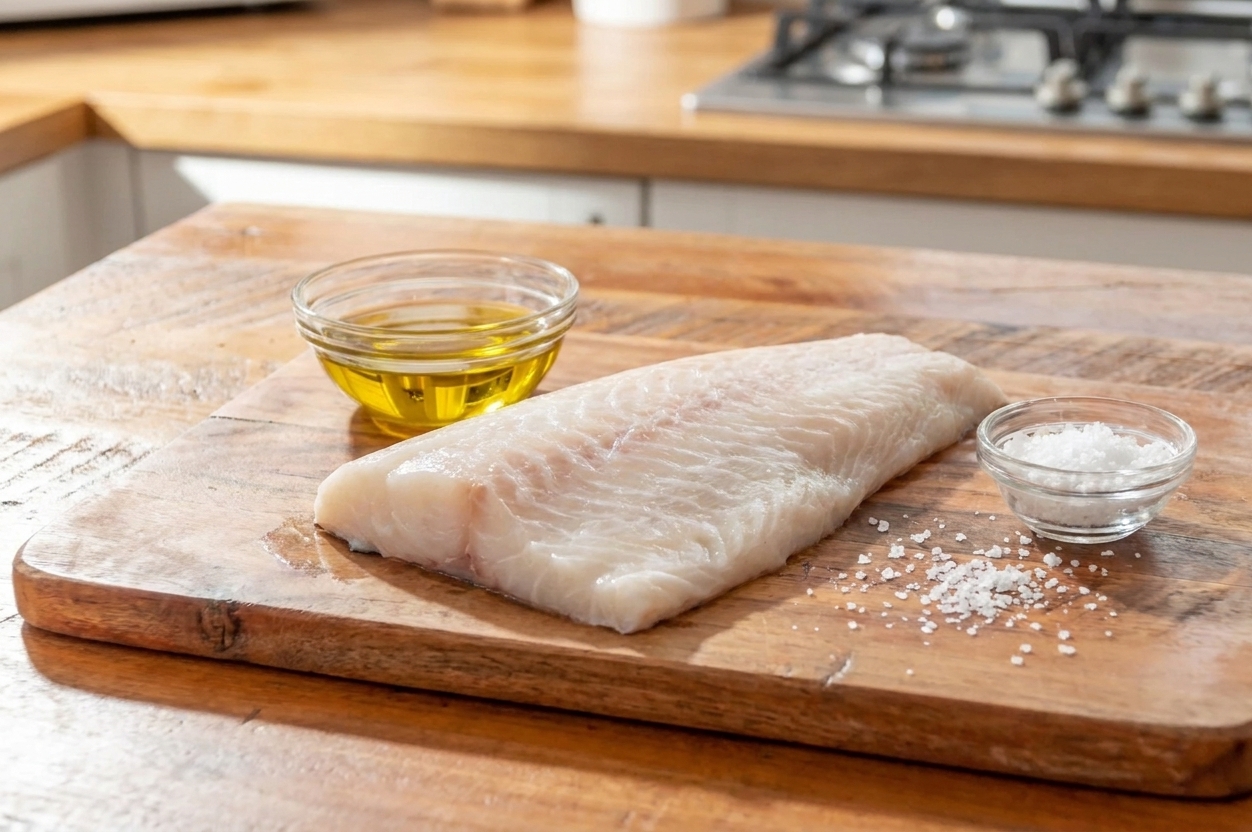
Substitute #2: Halibut
Halibut is the “clean and classic” choice. It gives you that thick, impressive fillet shape that feels restaurant-y, but it is much leaner than Chilean sea bass. The trick is adding a little insurance so it stays moist.
How it compares
- Flavor: Mild, clean, slightly sweet
- Fat content: Low to medium (lean compared to sea bass)
- Price: Usually pricey, but often easier to find
- Thickness: Thick, steak-like portions are common
Cooking time adjustments
Halibut is easy to overcook because it is lean. If your sea bass recipe uses high heat, you may need to pull halibut a touch earlier, especially for portions around 3/4 to 1 inch thick.
- Reduce cook time: about 10 percent if the recipe is hot and fast (broil, hard sear, high-temp roast).
- Add fat: brush with olive oil, finish with butter, or use a sauce that brings richness.
- Doneness cue: it should flake in large moist pieces. If it starts looking chalky, it went a bit far.
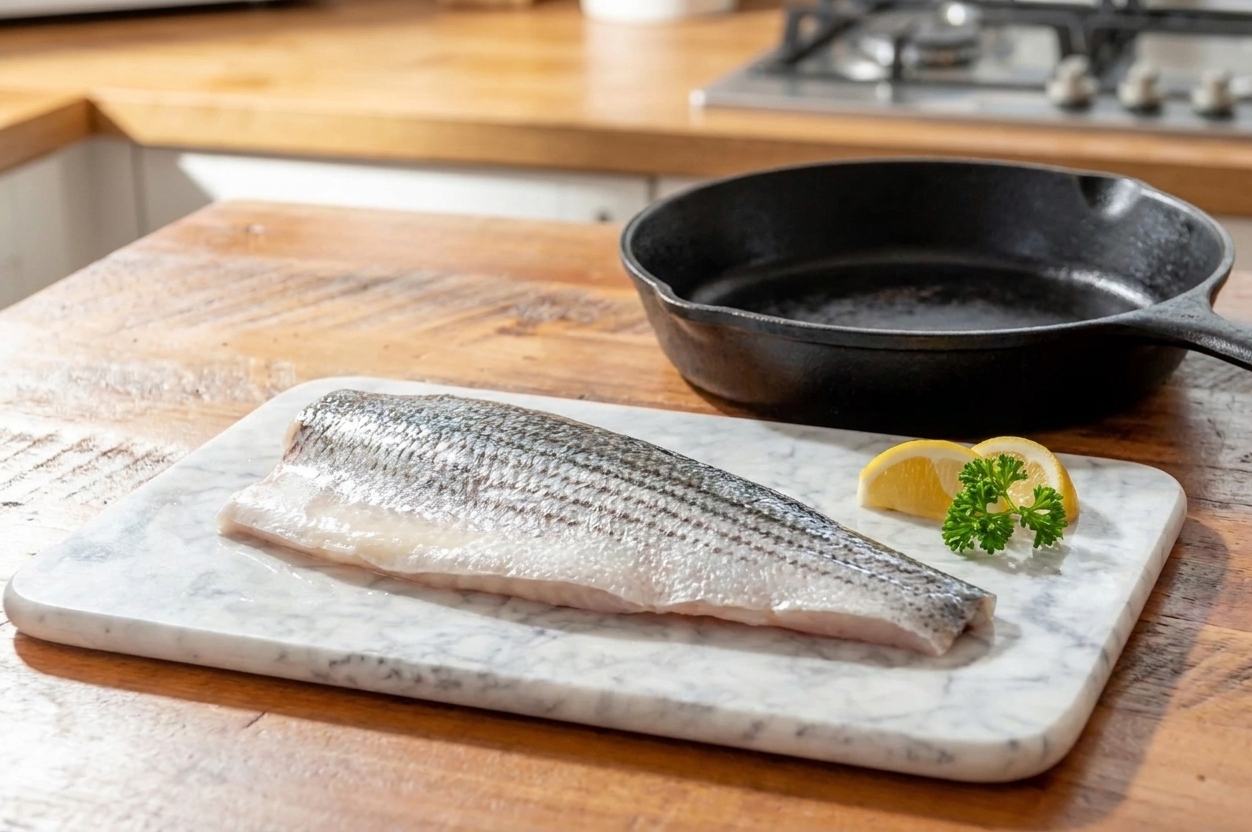
Substitute #3: Striped bass
Striped bass is a nice choice when you want something a little more “fish-forward” than sea bass, but still mild enough for family dinner. It is not as fatty as Chilean sea bass, but it can be juicy when cooked gently.
How it compares
- Flavor: Mild to medium, slightly briny, more character than sea bass
- Fat content: Medium, and it can vary quite a bit by season and source
- Price: Mid to high, often less than Chilean sea bass
- Thickness: Usually medium thickness, sometimes sold skin-on
Cooking time adjustments
Striped bass is often thinner than sea bass portions, especially if you’re buying fillets rather than thick center cuts.
- Reduce cook time: about 10 to 15 percent for typical fillets around 3/4 inch thick.
- If skin-on: start skin-side down in a pan until the skin crisps, then finish quickly.
- Doneness cue: the flesh turns opaque and flakes, with a little translucence at the very center if you like it extra moist.
Substitute #4: Mahi mahi
Mahi mahi is the practical swap when you want a firm, mild fish that’s widely available. It will not naturally mimic the buttery feel of Chilean sea bass, but it can still be delicious if you treat it gently and pair it with the right sauce.
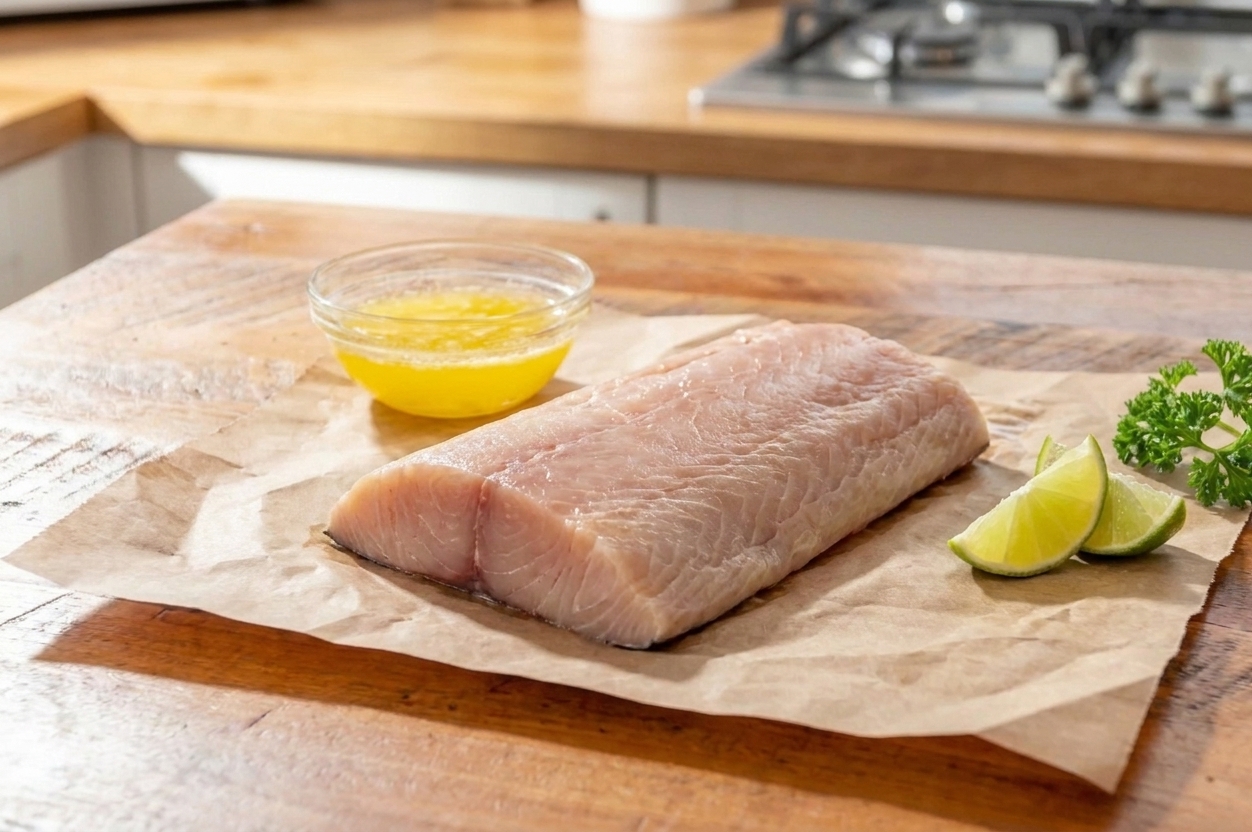
How it compares
- Flavor: Mild, slightly sweet, clean
- Fat content: Low (lean)
- Price: Usually moderate and often more budget-friendly
- Thickness: Medium, can be uneven (one end thinner)
Cooking time adjustments
This is the one that most needs a time tweak. Lean fish plus extra minutes equals dry dinner.
- Reduce cook time: about 15 to 25 percent, especially for thinner pieces (1/2 to 3/4 inch).
- Protect it: marinate briefly, brush with oil, or cook with a butter sauce.
- Doneness cue: it should just turn opaque and still feel springy. Pull it before it starts splitting into dry flakes.
Pip’s tiny tip: If your recipe includes a glaze, apply it toward the end so the sugars do not over-brown while you wait for the center to cook.
More options (common finds)
If the case is looking a little picked over, these can work too. They just steer the dish in a slightly different direction.
- Grouper: Mild and thick like a “fish steak,” but leaner than sea bass. Use extra butter or a richer sauce, and start checking early.
- Lingcod: Clean, mild flavor with a firm, flaky texture. It is not buttery, but it is a solid stand-in for roasting or pan-searing with a sauce.
- Branzino (sea bream): Delicious and mild, but usually thinner fillets. Best for quicker cooks and lighter preparations rather than that big, meaty sea bass vibe.
How to choose at the fish counter
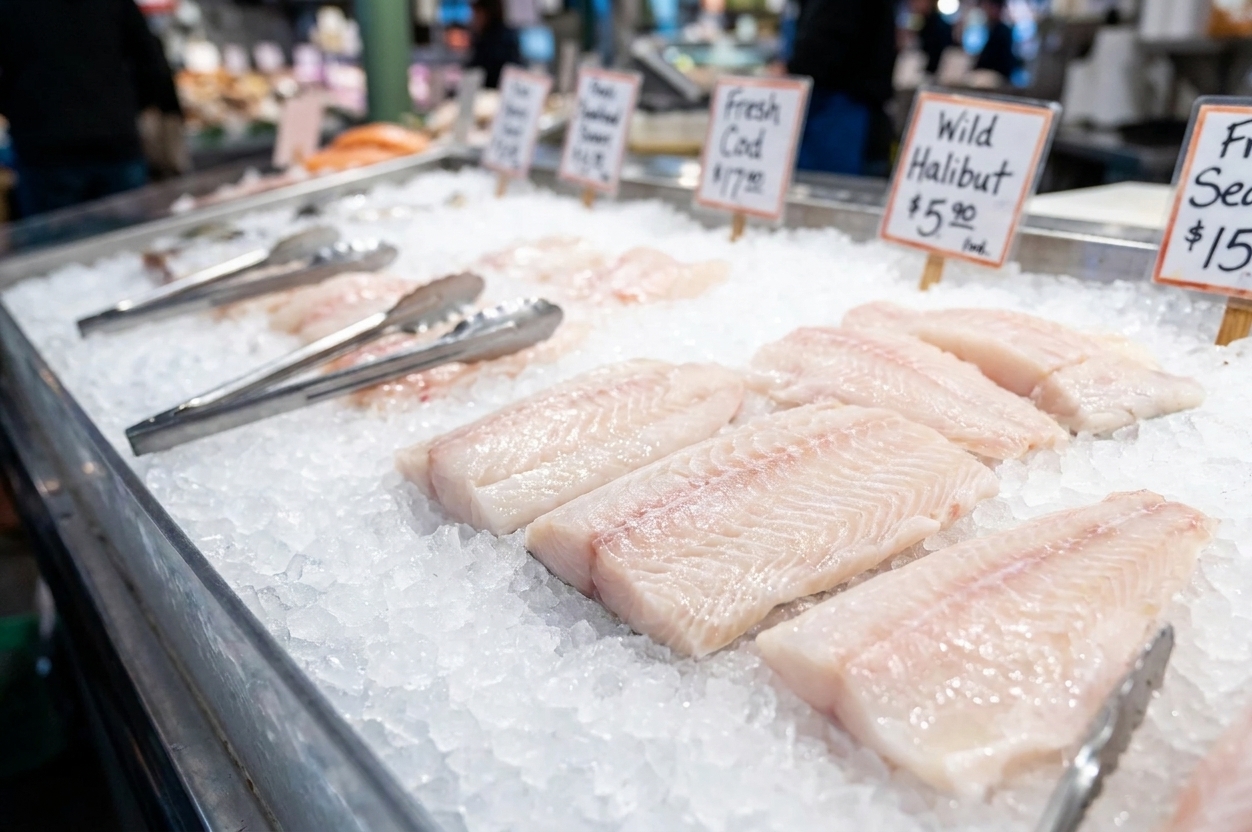
Even the “right” species can cook totally differently depending on how it’s cut. Here’s what I look for when I want a sea bass-style result.
- Go for thickness: pick the thickest piece available for roasting or broiling.
- Aim for even thickness: avoid a long, skinny tail end if you need consistent cook time.
- Check moisture: fish should look moist, not dried out or curling at the edges.
- Smell test: clean and ocean-fresh, not strong or sour.
Fresh vs frozen
For Chilean sea bass style cooking, frozen can be a totally smart buy, especially for thicker, pricier fish that moves slowly at the counter.
- Look for solid freezing: avoid packages with lots of ice crystals or dry, white patches (freezer burn).
- Thaw gently: thaw overnight in the fridge on a plate (covered), then pat dry before cooking so you get better browning.
- Do not rush it in warm water: you can end up with a mushy outside and a still-frozen middle.
Sourcing and sustainability
Chilean sea bass can be an amazing treat, but it is also a fish where how it was caught matters. If sustainability is on your mind (mine too), ask the fishmonger where it’s from and look for reputable third-party certifications where available. The same goes for other premium fish like halibut.
Cooking time cheat sheet
Because recipes vary, the safest approach is to adjust based on thickness and leanness, then confirm doneness with visual cues.
Rule of thumb
- Thinner than sea bass: start checking earlier
- Leaner than sea bass: pull earlier and use butter, oil, or sauce
- Thicker than sea bass: plan extra time, or finish in the oven after a sear
Doneness cue
For most white fish, you want the fillet to turn opaque and flake with gentle pressure, while still looking juicy. If you use an instant-read thermometer, many cooks aim for about 130 to 140°F for a moist, tender result, depending on the cut and your comfort level. For food safety, the FDA recommends 145°F for seafood.
FAQ
Is Chilean sea bass the same as regular sea bass?
No. “Chilean sea bass” is a market name most commonly used for Patagonian toothfish (and sometimes related toothfish species). “Sea bass” at the store can mean several different fish.
What substitute tastes most like Chilean sea bass?
Black cod (sablefish) is the closest in rich, buttery texture and mild flavor.
What substitute is best for pan-searing?
Striped bass (especially skin-on) sears beautifully. Halibut also sears well, but be careful not to overcook it.
What substitute is best if I want something less rich?
Halibut gives you that thick, elegant fillet with a cleaner, leaner bite.
Can I use salmon as a substitute?
You can, but it changes the dish a lot. Salmon is oilier with a stronger flavor and a different flake. If your recipe is built around a delicate white fish, one of the options above will feel closer.