Mom's Best Recipes
Recipe

Blood Pudding with Crispy Edges

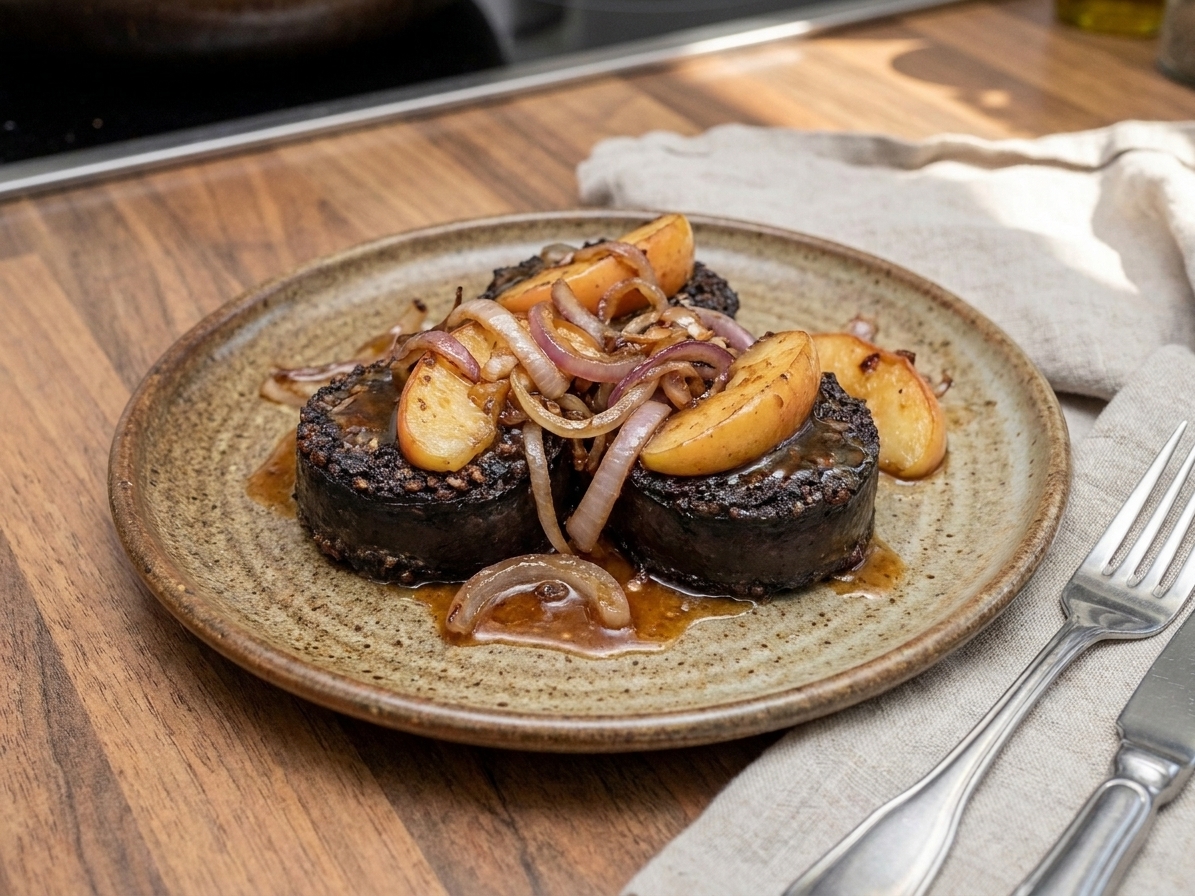
A friendly, foolproof way to cook store-bought blood pudding so it stays tender inside, gets crisp outside, and lands on the plate with a quick apple-onion pan sauce.

Author By Matt Campbell
4.7
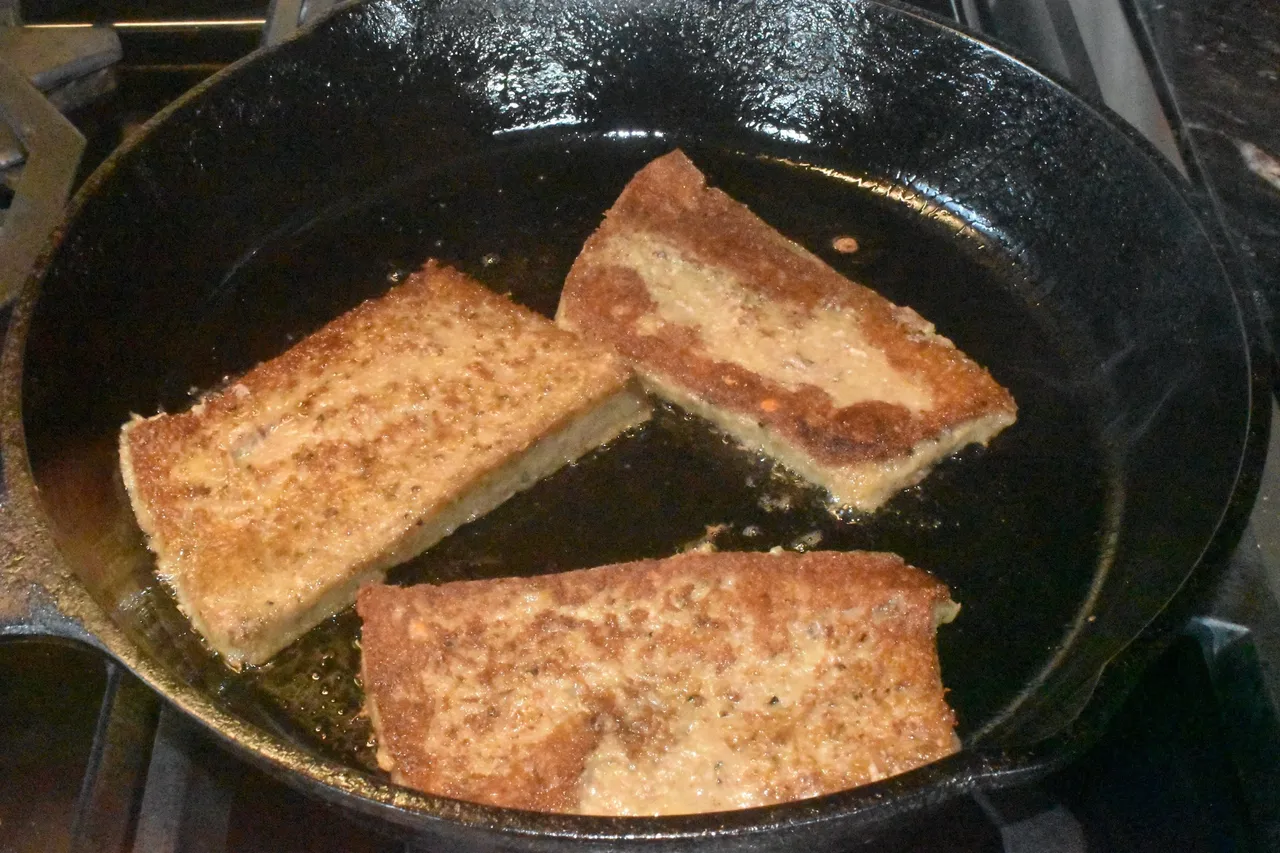
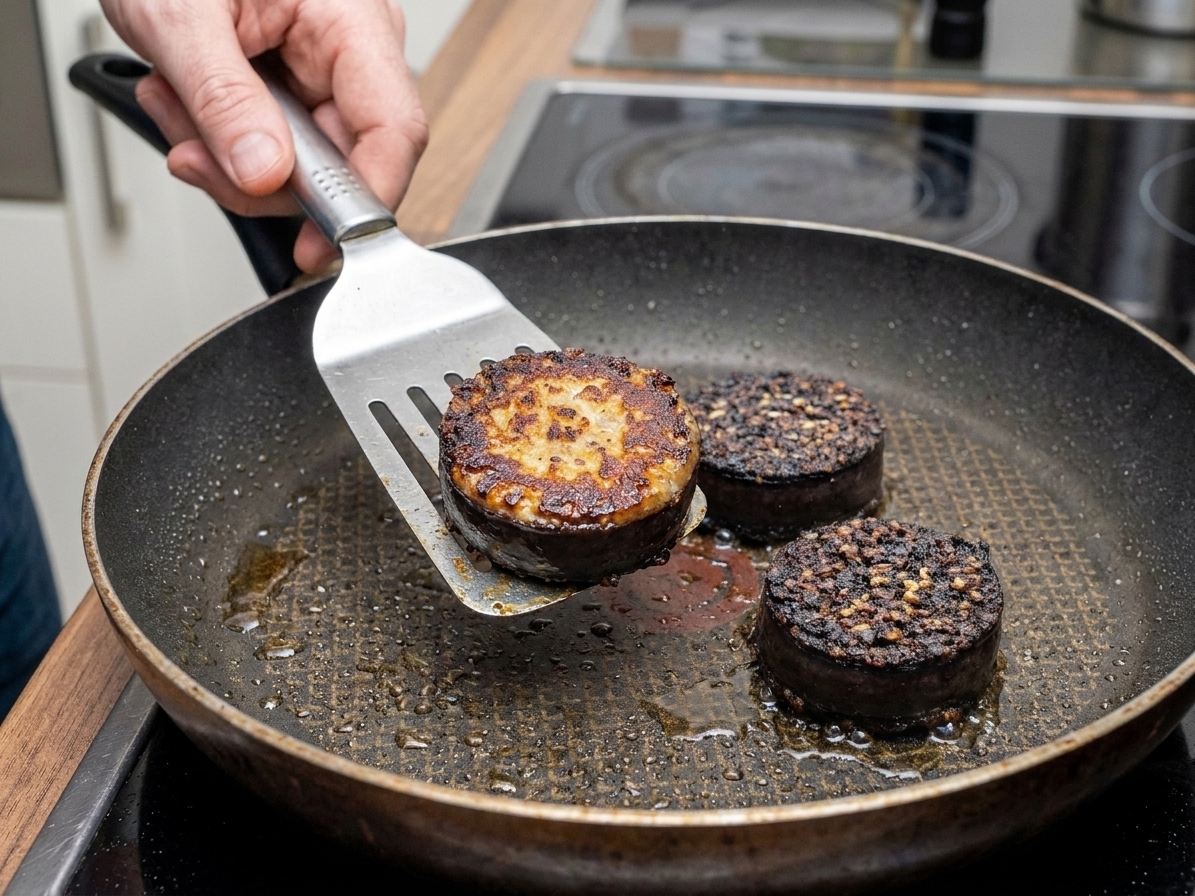
A cast iron skillet with thick slices of blood pudding sizzling and browning, with crisp edges forming, warm kitchen lighting

Blood pudding has a reputation. People hear blood and immediately picture something intimidating, but most of the work is already done for you because many supermarket-style versions are sold fully cooked and ready to slice. Your job is simple: heat it through without drying it out, and get those crisp, golden edges that make every bite extra satisfying.

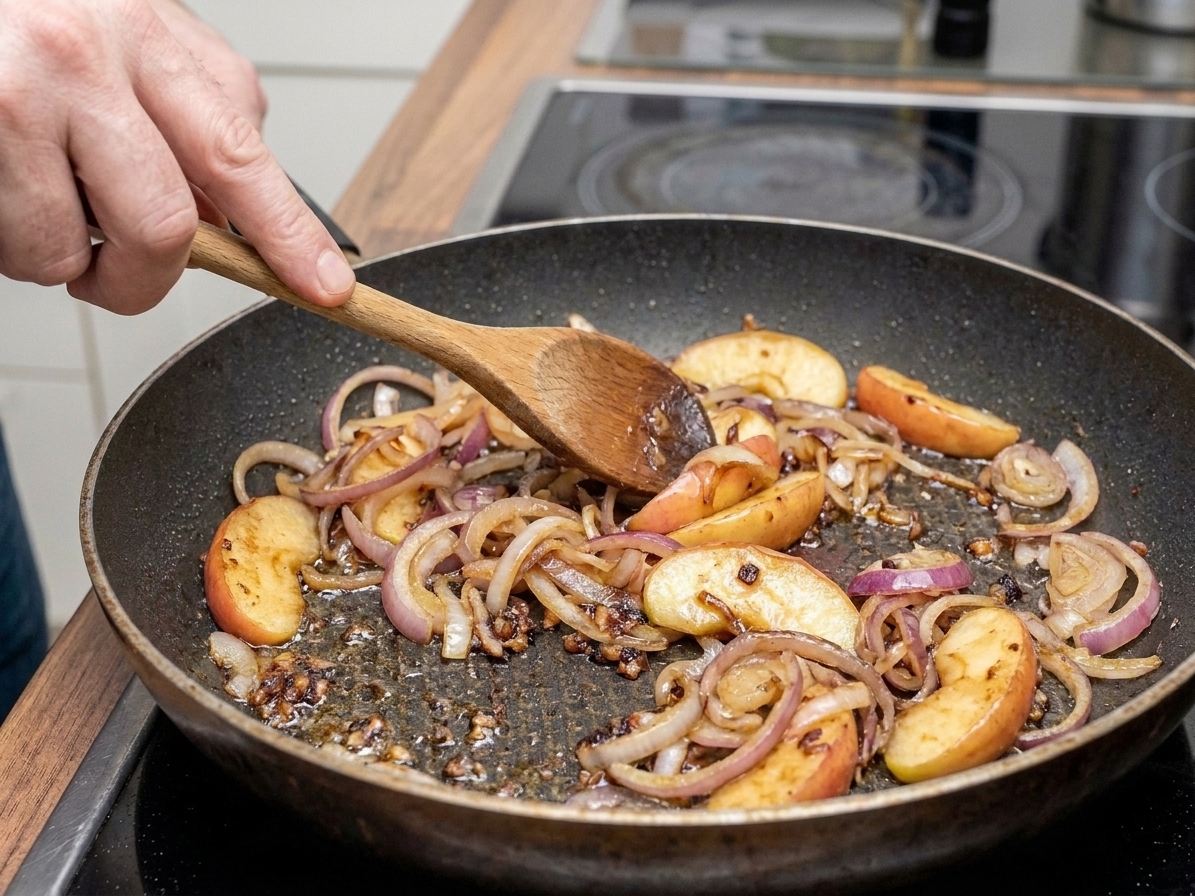
This is my go-to method for store-bought black pudding (especially UK or Irish style). We are going to pan-fry thick slices in a little butter or oil, then use the same skillet to build a quick apple and onion pan sauce that tastes like breakfast decided to show up for dinner.

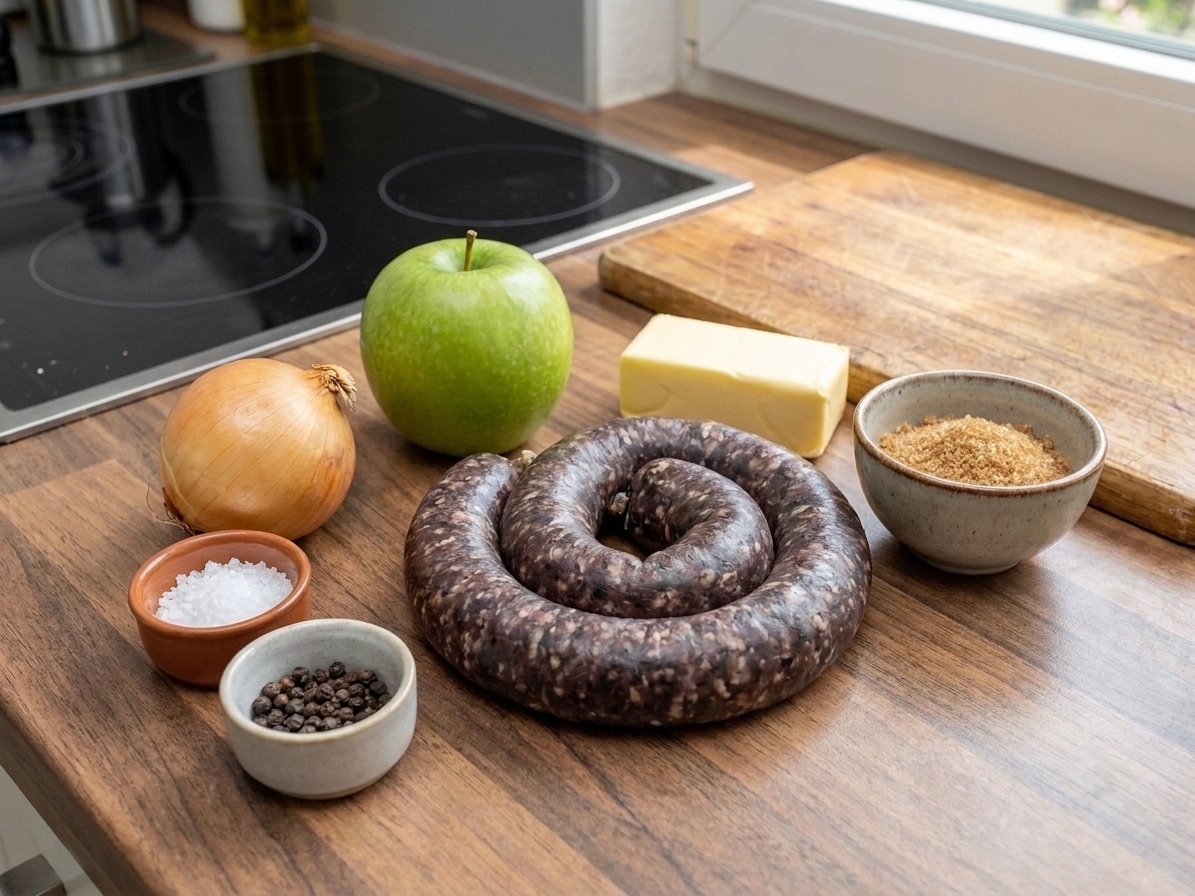
Unwrapped black pudding, a green apple, a yellow onion, butter, salt, pepper, and a small bowl of brown sugar arranged on a clean kitchen counter

Why It Works

  • Crisp edges, tender middle: Medium heat and a gentle flip keep the slices intact and creamy inside.
  • Deep flavor, zero intimidation: Blood pudding is savory, warmly spiced, and especially good with something bright or sweet on the side.
  • Fast pan sauce built from what you have: Apples and onions balance the richness, and the skillet does all the work.
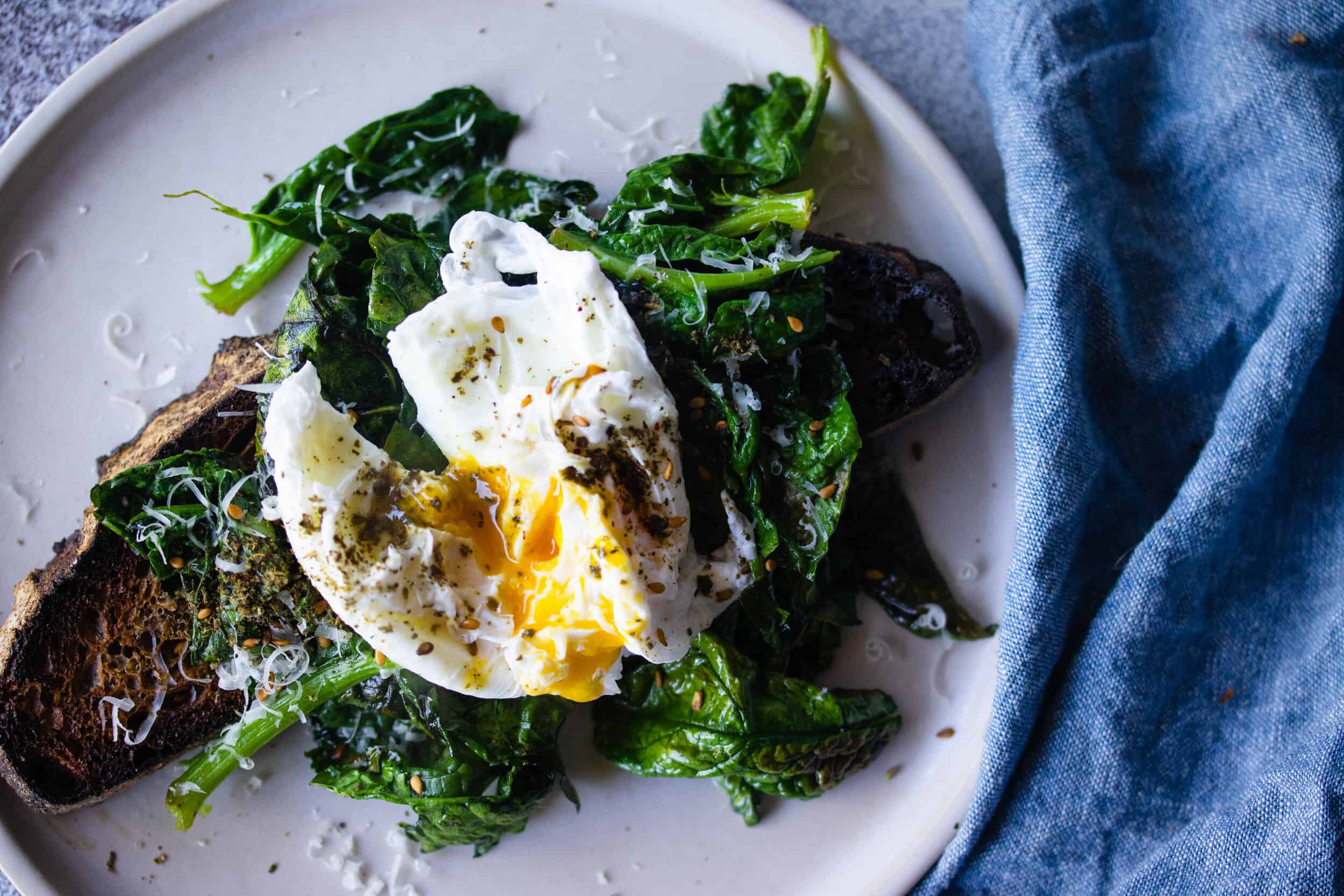
  • Flexible: Works with most black pudding. Serve it for breakfast with eggs or as a starter with a salad.

Pairs Well With

Storage Tips

Refrigerate: Cool leftovers quickly, then store in an airtight container for up to 3 days.

Reheat: The best way is a skillet over medium-low heat with a tiny bit of butter or oil. Warm until heated through and the edges re-crisp, about 2 to 4 minutes per side. If you track temperature, reheat to 165°F or until piping hot. Microwaving works in a pinch, but the texture gets softer.

Freeze: If your black pudding is freezer-friendly (check the package), freeze slices on a parchment-lined tray, then bag them up. Use within 2 months. Thaw overnight in the fridge before pan-frying.

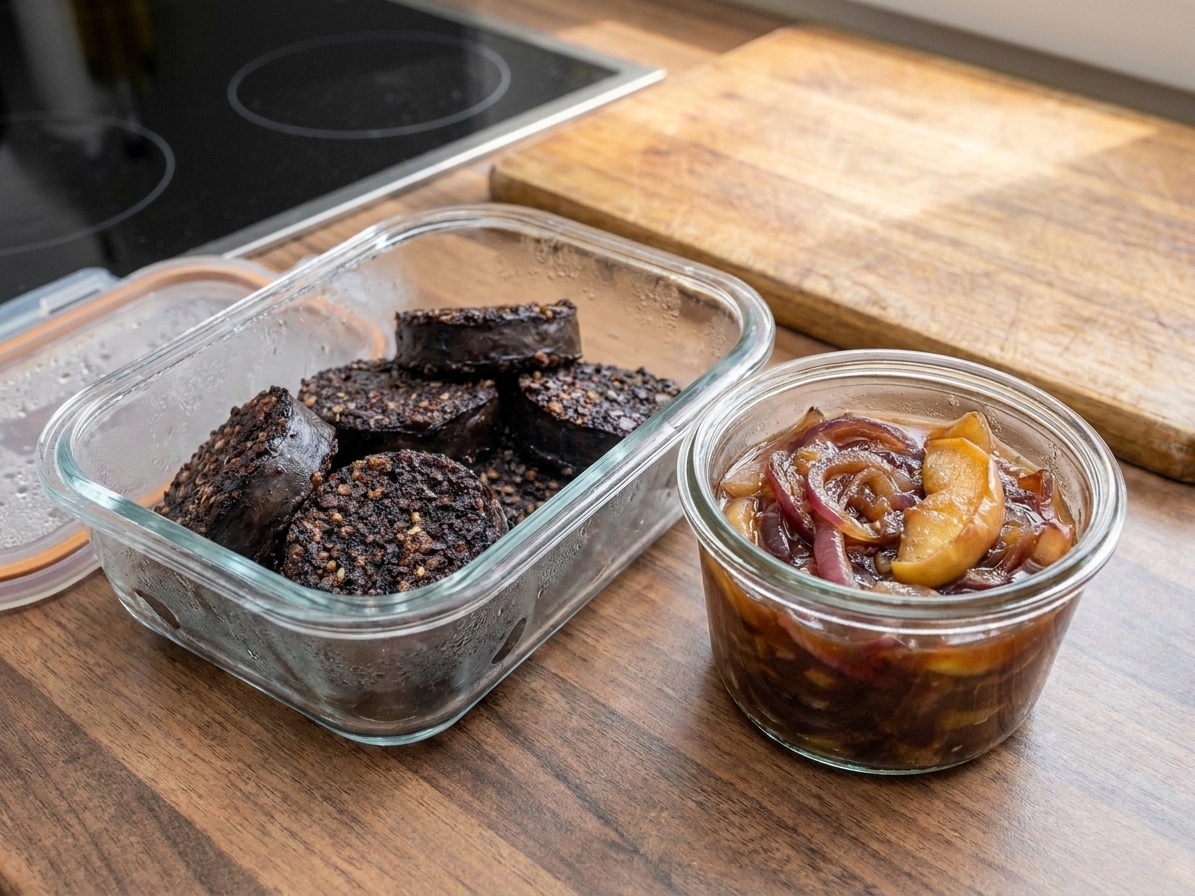
Sliced leftover black pudding in a glass airtight container next to a small container of apple onion sauce on a kitchen counter

Common Questions

Is blood pudding already cooked?

Often, yes, especially UK or Irish style black pudding sold in supermarkets. But it is not universal across every brand and region, so always check the package. In most cases, you are reheating and browning it, not cooking raw meat.

What does blood pudding taste like?

Rich and savory, kind of like a well-seasoned sausage with a deeper, iron-y backbone. Many versions include oats or barley, so the texture can be slightly crumbly or creamy depending on the brand.

Why did my slices fall apart?

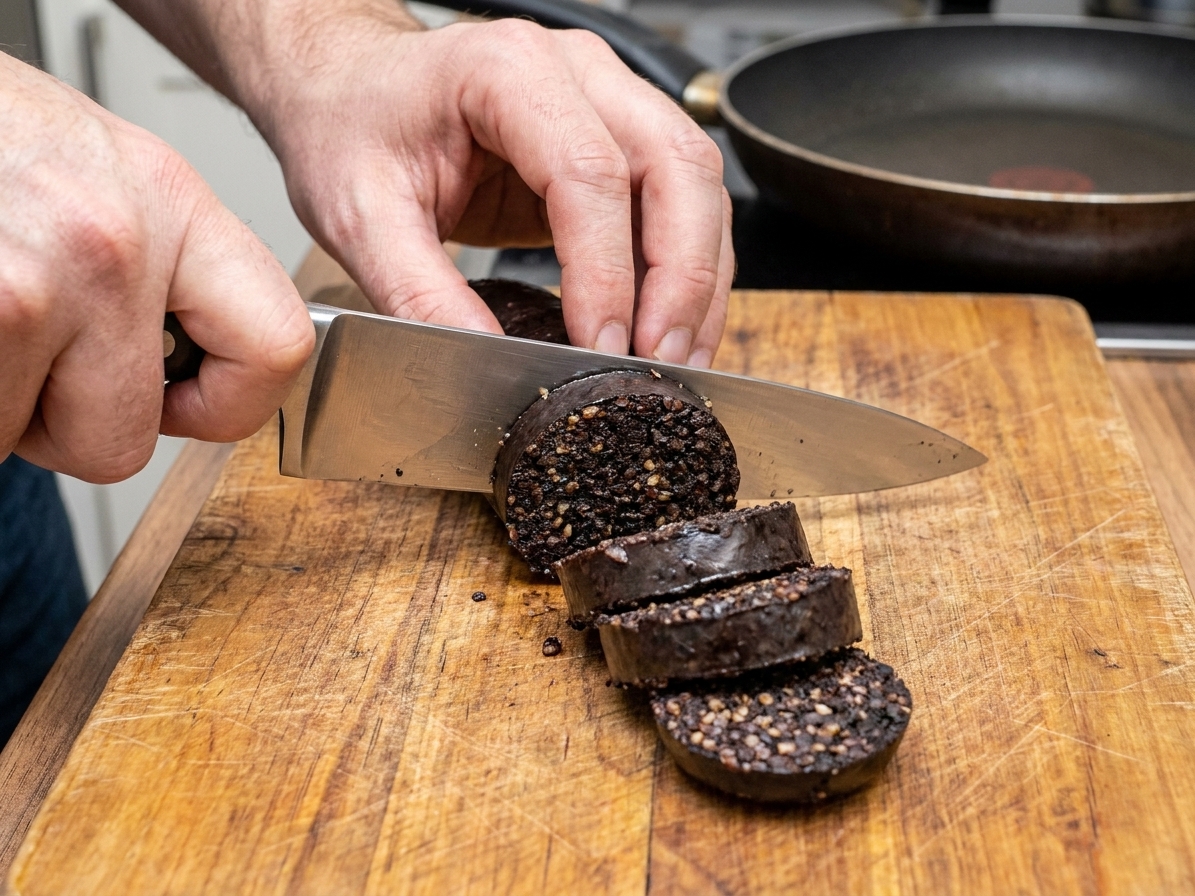
Usually it is one of three things: the slices are too thin, the pan is too hot, or you flipped too early. Cut 1/2-inch slices, use medium heat, and wait for a browned crust before turning. If your black pudding is very soft, chill it for 15 to 20 minutes before slicing and frying.

Do I need to remove the casing?

Check your package. Some black pudding comes with a casing you can peel off easily. Others are sold without casing. If it feels papery or tough, peel it.

What should I serve with it?

Classic: eggs, bacon, tomatoes, and toast. My favorite: a peppery salad with lemony dressing, or roasted potatoes with mustard.

Is blood pudding gluten-free?

Not always. Many varieties include oats that may be cross-contaminated, and some include barley or wheat. If you need gluten-free, look for a clearly labeled product.

What if it sticks to the pan?

Make sure the skillet is fully warmed before you add the slices, and use enough butter or oil to lightly coat the surface. If your pan runs hot, drop the heat a notch and let the crust form before you try to move it. Nonstick is the lowest-drama option.

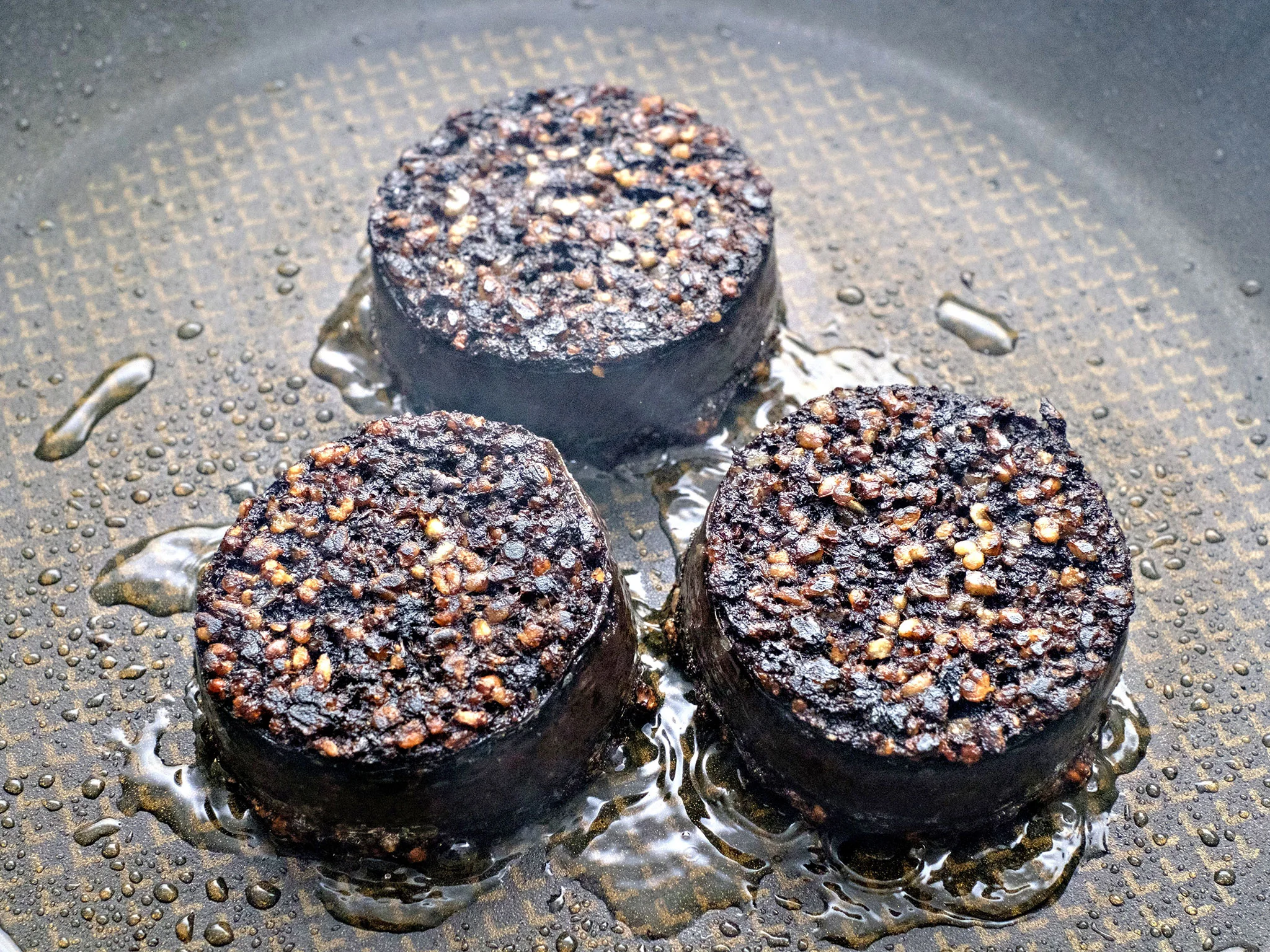
The first time I cooked blood pudding at home, I treated it like a steak. High heat, lots of confidence, zero patience. It crumbled, I panicked, and then I ate the crispy bits straight out of the skillet anyway because I am only human. The next round I slowed down, sliced it thicker, and let the crust form before I touched it. Suddenly it was perfect: crisp edges, soft center, and that savory depth that makes you want another bite even when you told yourself you were just “trying it.”