Mom's Best Recipes
Recipe

Bold Chicken Gravy Recipe

Tangy, creamy chicken gravy with bright Dijon and a splash of lemon. Big flavor, no weird ingredients, ready in about 15 minutes.

Author By Matt Campbell
4.8
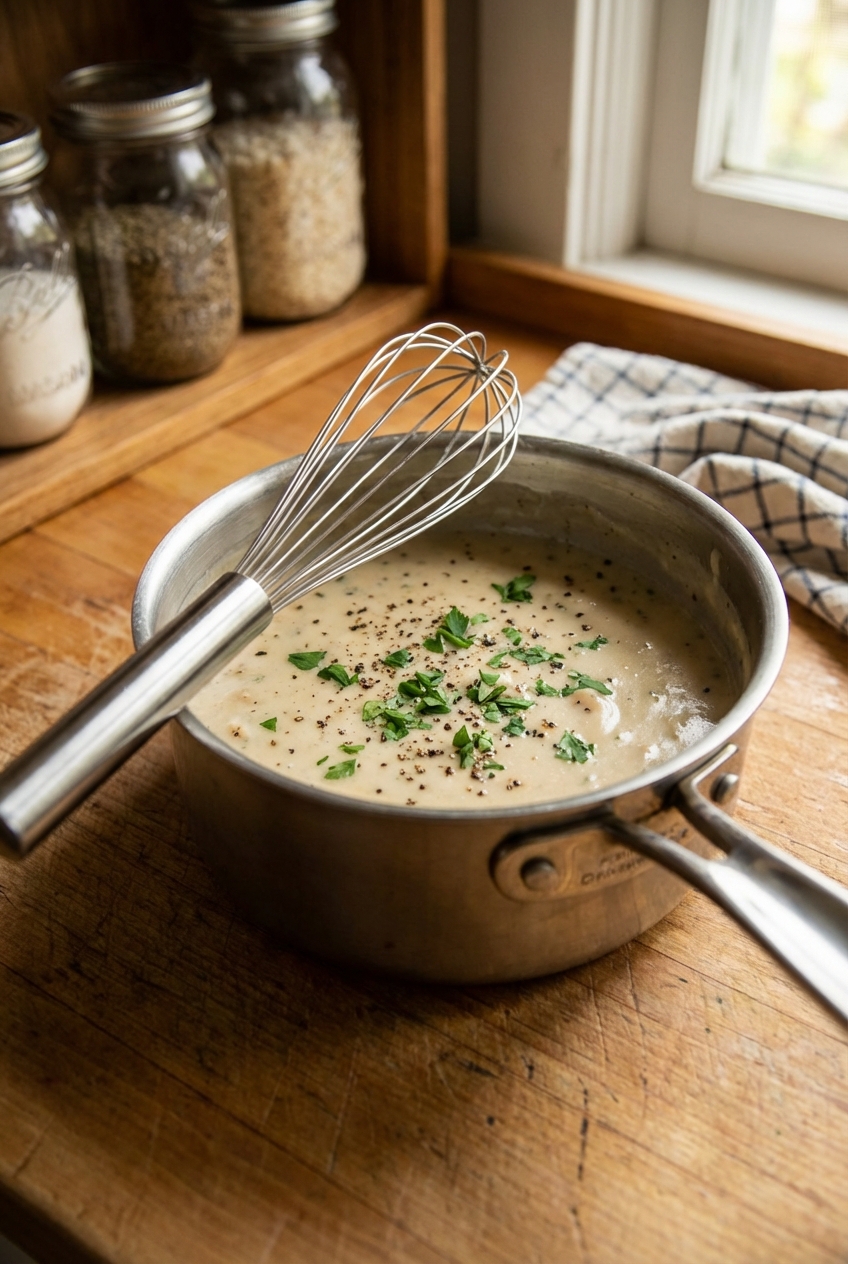
A small saucepan of creamy chicken gravy with black pepper and chopped parsley, with a whisk resting on the rim on a cozy kitchen counter

This is chicken gravy for people who think gravy should do more than just sit there and be beige.

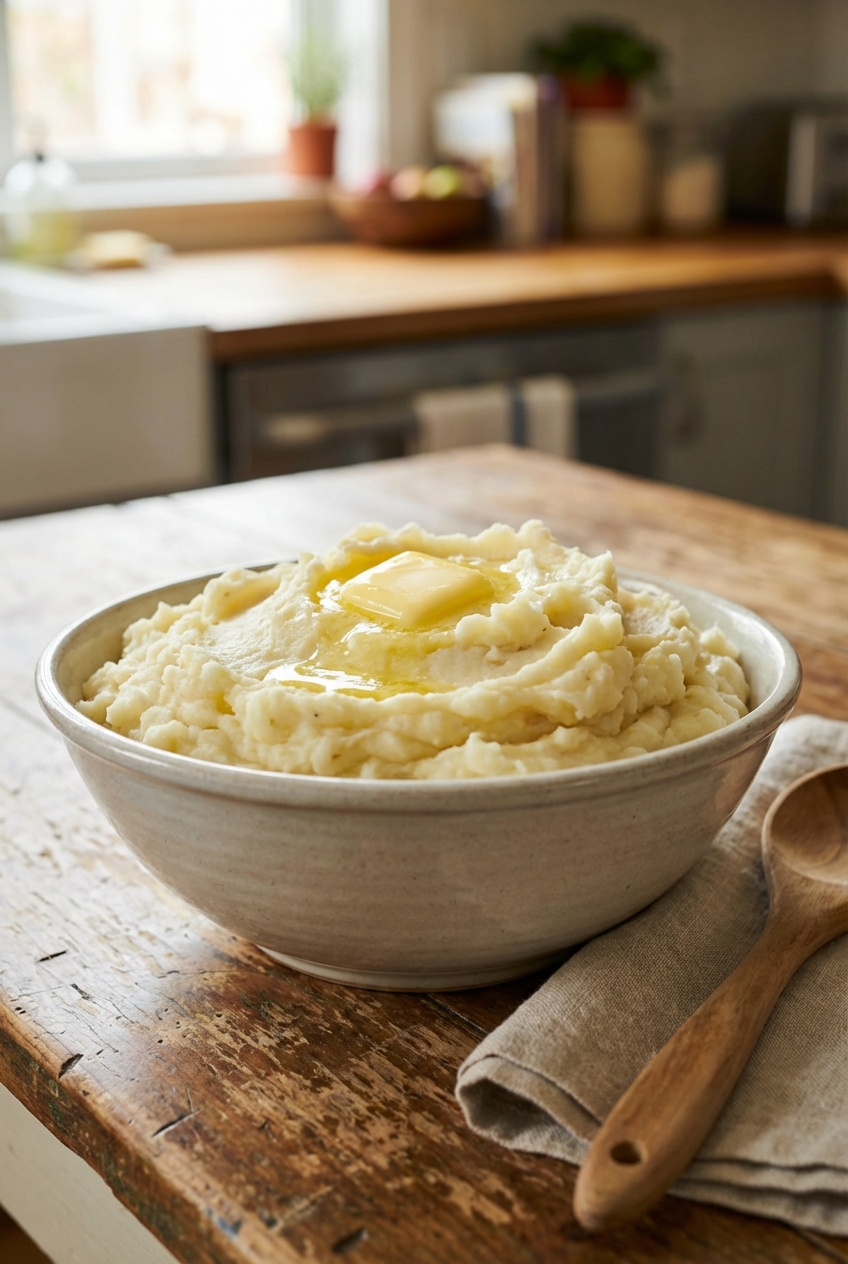
We are going creamy from a quick roux, savory from broth and pan drippings if you have them, and tangy from a little Dijon plus lemon to wake everything up. The vibe is cozy, but the flavor has sharp, bright edges and a little attitude. Spoon it over mashed potatoes, roasted chicken, biscuits, rice, or anything that needs a hug and a high five.

Good news: the ingredients are all pantry friendly, the steps are simple, and if it gets lumpy, I will show you how to rescue it without panic.
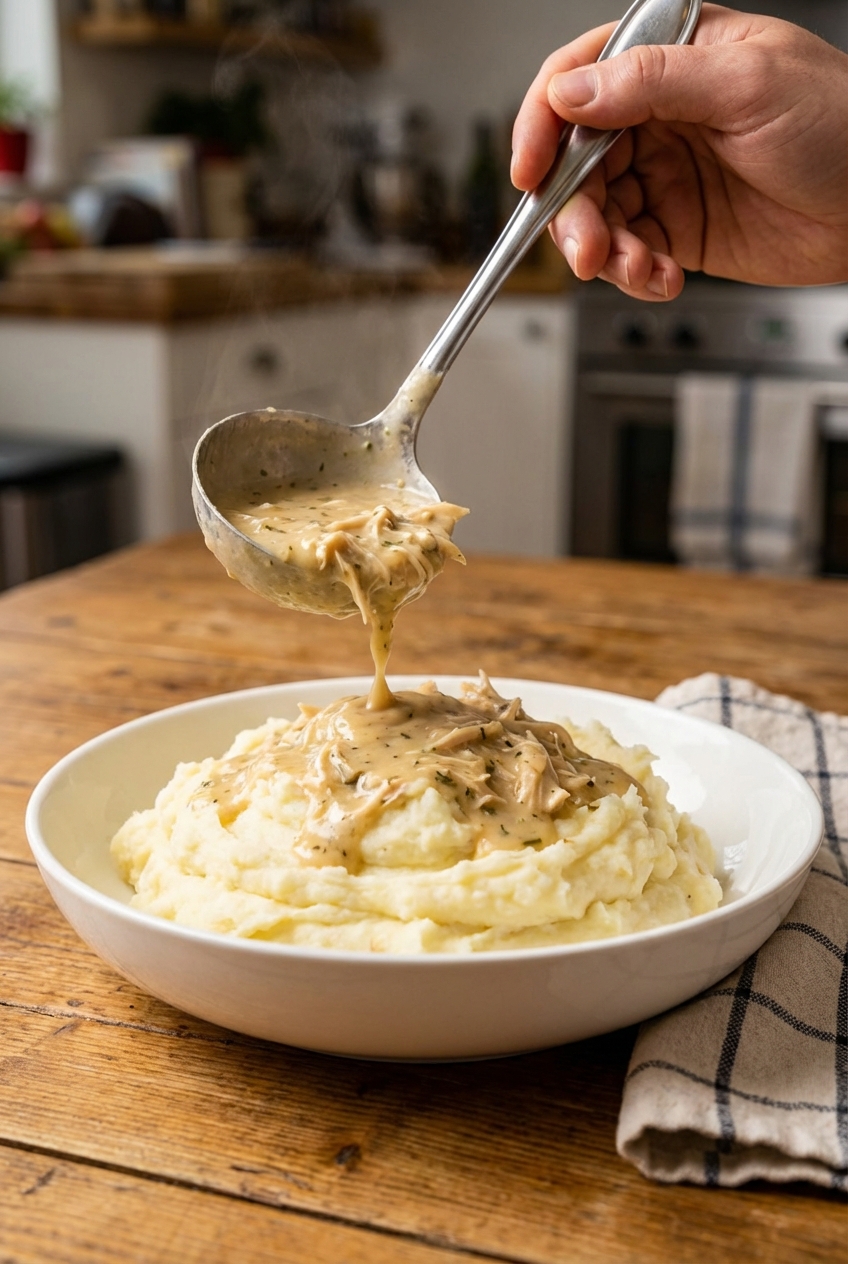

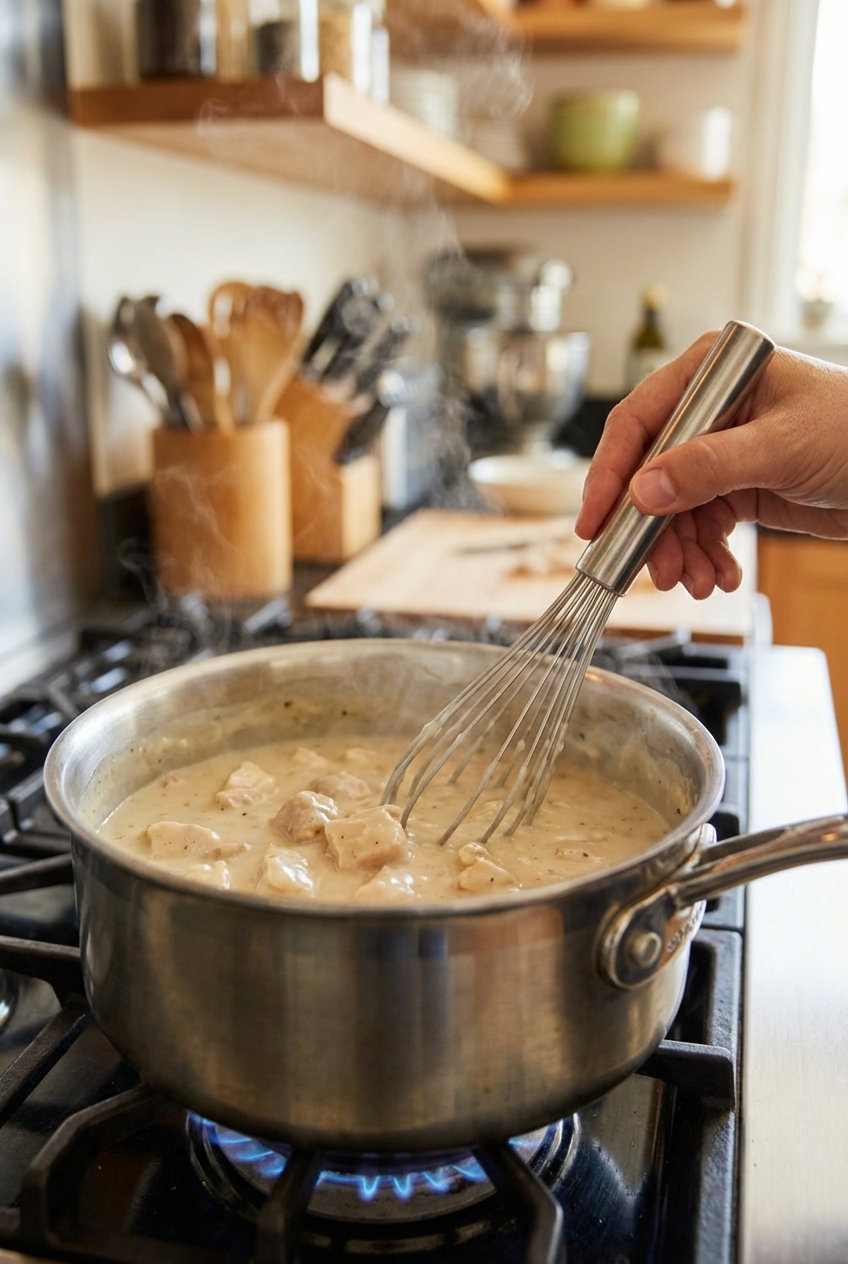
A ladle pouring creamy chicken gravy over mashed potatoes in a white bowl on a dinner table

Why It Works

  • Fast flavor build: a roux gives you body in minutes, then Dijon and lemon add brightness so it tastes like you actually tried.
  • Creamy, not heavy: a small amount of cream or half-and-half rounds it out without turning it into chowder.
  • Flexible salt control: use low-sodium broth, then season at the end so it never gets too salty.
  • Works with or without drippings: amazing as a stand-alone gravy, but even better with a spoonful of chicken fat or pan juices.

Pairs Well With

Storage Tips

Refrigerate: Cool gravy quickly (a shallow container helps), then refrigerate within 2 hours. Store in an airtight container for up to 4 days. It will thicken as it chills. That is normal.

Freeze: You can freeze it for up to 2 months. Cream-based gravies can separate a little after freezing, and the texture may be slightly less smooth after thawing, but gentle heat and a good whisk usually bring it back.

Reheat like a pro: Warm in a saucepan over low heat, whisking often. Add a splash of broth, water, or milk 1 tablespoon at a time until it loosens to your favorite pourable consistency.

If it breaks or looks grainy: Lower the heat immediately and whisk in a splash of warm broth or warm cream to smooth it out. If the texture still will not behave, strain it (most reliable) or blend briefly, then keep it on low heat. Next time, keep the heat gentle after adding dairy, and add lemon at the end so it stays creamy instead of cranky.

Common Questions

Can I make this gravy without flour?

Yes. Use a cornstarch slurry instead of a roux. Start with 1 1/2 tablespoons cornstarch mixed with 1 1/2 tablespoons cold water. Whisk it into gently simmering broth and simmer 1 to 2 minutes until thickened. If you want it thicker (closer to classic roux gravy), add more slurry a little at a time (up to about 2 tablespoons cornstarch total), simmering 30 to 60 seconds between additions. Lower the heat, then stir in cream. Add Dijon and lemon at the very end (low heat or off heat) to keep things smooth.

How do I avoid lumps?

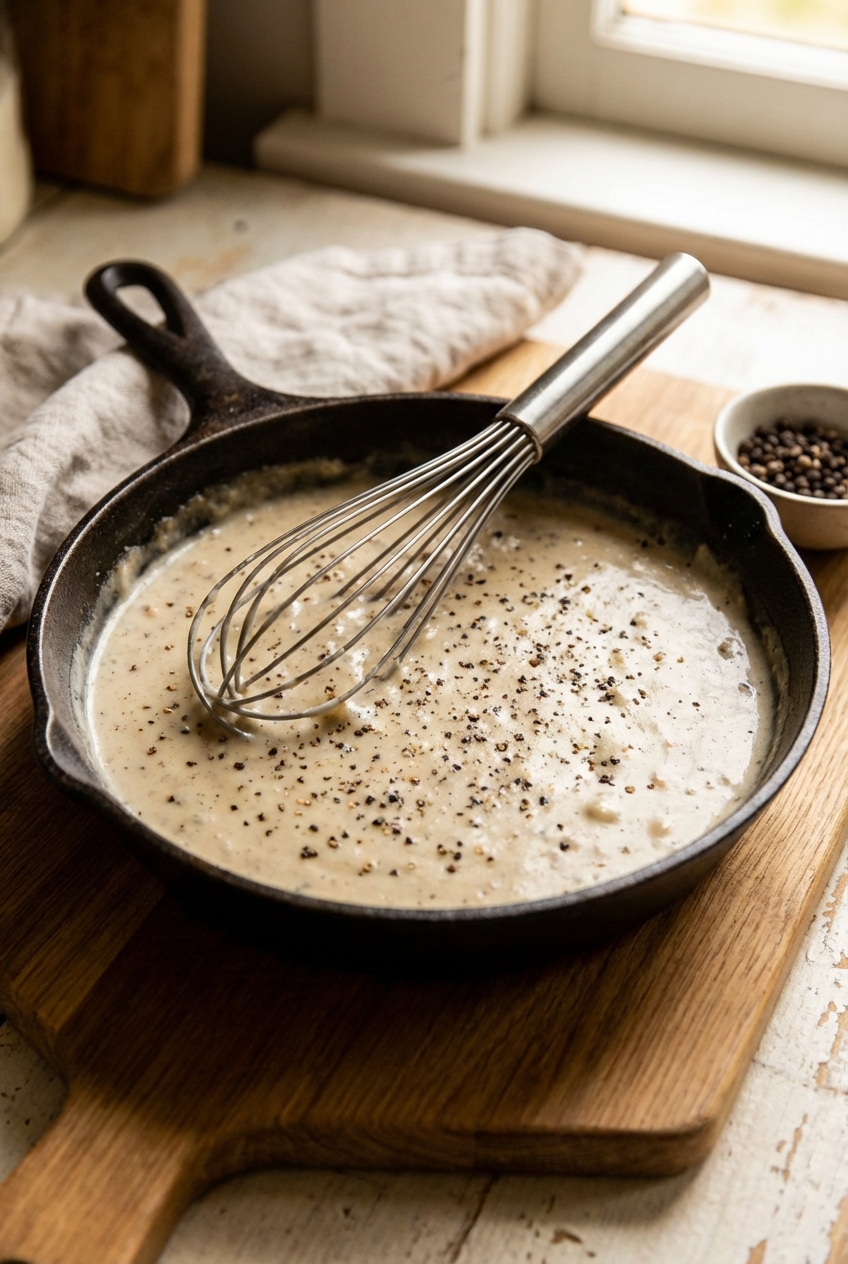
Whisk the flour into the melted butter until it looks like smooth wet sand, then add warm broth gradually while whisking. Think 2 to 3 additions at first to get it silky, then a slow stream. If lumps still happen, whisk aggressively for 30 seconds or strain the gravy through a fine-mesh sieve.

Is Dijon required?

It is the easiest way to get that tangy, grown-up depth. If you do not have Dijon, use 1 teaspoon yellow mustard plus 1 teaspoon apple cider vinegar, then taste and adjust.

Can I use bouillon or Better Than Bouillon?

Absolutely. Just keep it slightly under-salted at first, because concentrated bases can sneak up on you.

What if my gravy is too thick or too thin?

Too thick: whisk in more broth or water a splash at a time. Too thin: simmer 2 to 4 minutes to reduce, or whisk in a small slurry (1 teaspoon cornstarch + 1 teaspoon cold water) and simmer 30 to 60 seconds.

Help, my gravy looks grainy or broken

First, drop the heat. Hard boiling plus dairy and acid can make things look a little rough. Whisk in a splash of warm broth or warm cream to loosen it, then keep it at a gentle simmer (or take it off heat). If it still looks grainy, strain it through a fine-mesh sieve. For a full rescue mission, a quick blitz with an immersion blender can bring it back to glossy.

I started making this gravy on nights when I wanted comfort food but did not want to commit to the full Sunday dinner production. I had chicken, a little broth, and the kind of pantry odds and ends that usually just sit there judging you. One spoon of Dijon and a squeeze of lemon later, the whole pot tasted brighter, like the gravy had finally found its personality. Now it is my go-to move when dinner needs a quick glow-up and I want everyone at the table to do that quiet mid-bite pause.