Mom's Best Recipes
Recipe

Gourmet Halibut Recipe

Pan-seared halibut with crisp edges, a lemon-chili brown butter sauce, and a fast herb salad. Restaurant energy, weeknight effort.

Author By Matt Campbell
4.8
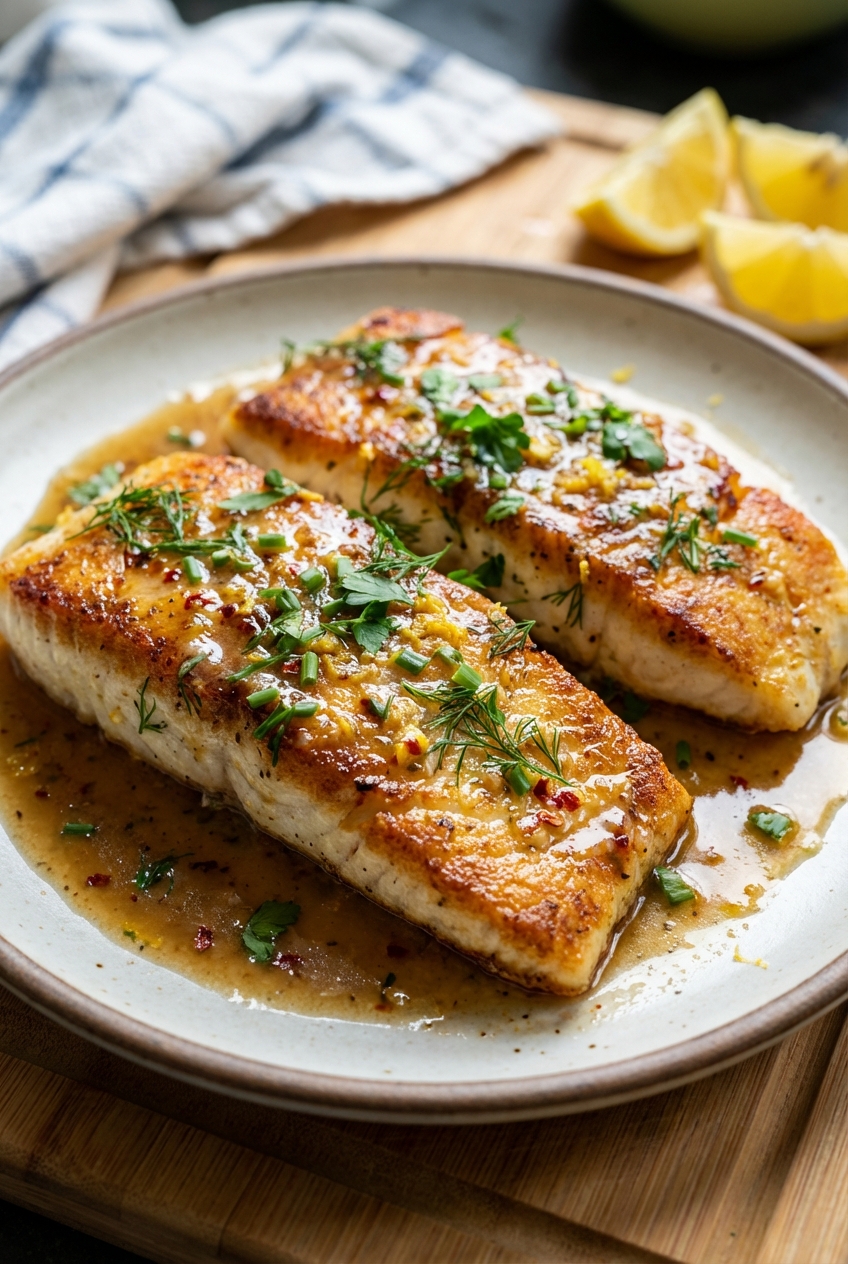
Pan-seared halibut fillets with a golden crust, spooned with lemon-chili brown butter and topped with fresh herbs

Halibut is one of those fish that feels fancy the second it hits the pan, even if you are cooking in sweatpants with a questionable playlist. It is mild, meaty, and basically built for a bold sauce moment. The trick is not overthinking it. Get the pan hot, season like you mean it, and let the fish develop a legit golden crust.

This is my go-to gourmet halibut recipe when I want big flavor without turning dinner into a project. We are doing a quick pan sear, then a lemon-chili brown butter that tastes like you stole it from a white-tablecloth spot. Bright, nutty, a little spicy, and absolutely perfect for spooning over everything on the plate.
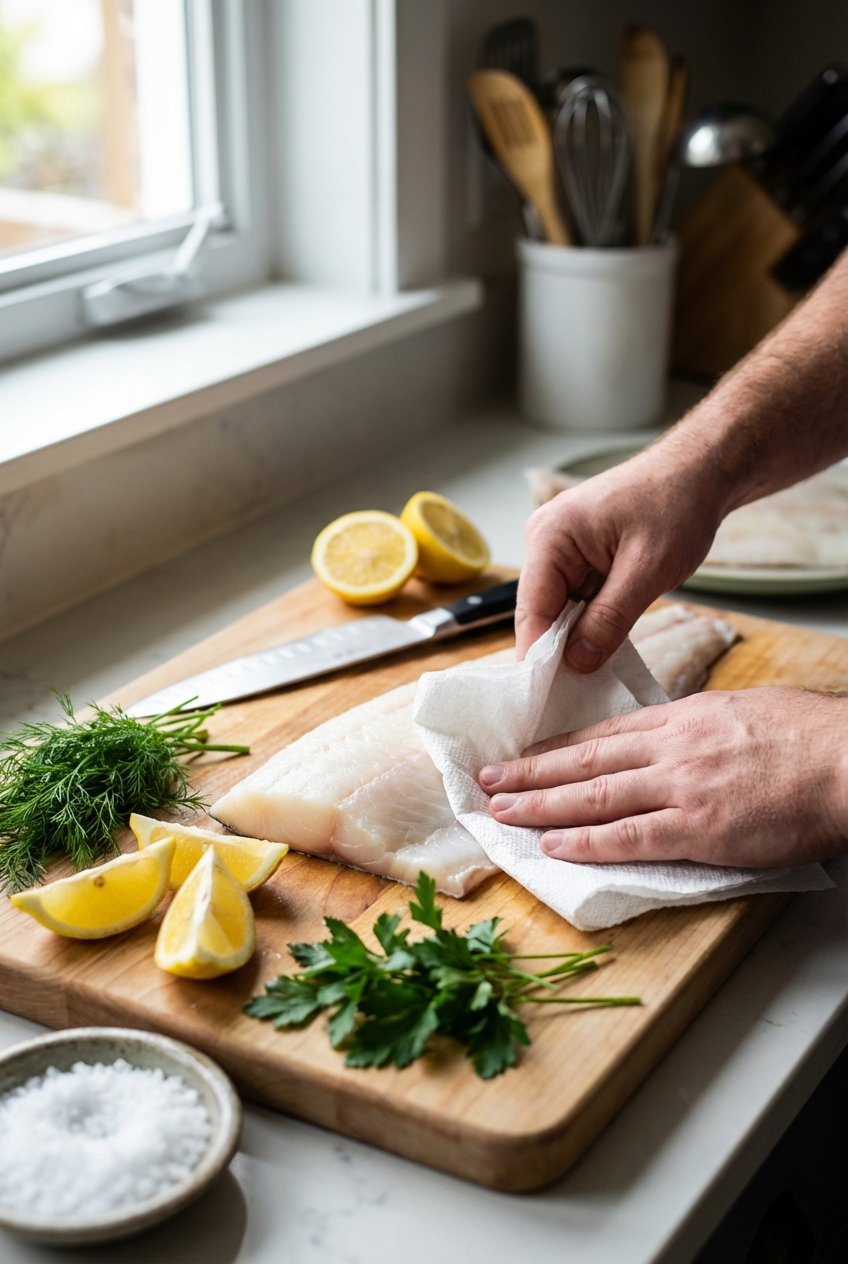
Raw halibut fillets on a cutting board being patted dry with paper towels, with lemon and herbs nearby

Why It Works

  • Crisp edges, juicy center: Drying the fish well and searing in a hot pan gives you that clean, golden crust without drying it out.
  • Big flavor, minimal ingredients: Brown butter brings nutty depth, lemon wakes it up, and chili adds a little swagger.
  • Fast sauce, high payoff: The sauce comes together in the same skillet, so you get all the browned bits and none of the extra dishes.
  • Flexible for real life: Swap herbs, adjust heat, or use what you have. The method stays solid.

Pairs Well With

Storage Tips

Halibut is best fresh, but leftovers can still be great if you treat them gently. Reheat with care. Halibut holds grudges.

Refrigerate

  • Store halibut and sauce in separate airtight containers if possible.
  • Refrigerate up to 2 days.

Reheat (no dry fish allowed)

  • Skillet method: Add a small splash of water or broth to a nonstick skillet, cover, and warm on low just until heated through.
  • Oven method: Place fish in a small baking dish, add a teaspoon of water, cover tightly with foil, and warm at 275°F for 10 to 15 minutes.
  • Warm the brown butter sauce separately on low heat so it does not separate or lose its aroma.

Freezing

  • I do not recommend freezing cooked halibut. The texture goes from plush to cottony fast.

Common Questions

How do I know when halibut is done?

Halibut is done when it turns opaque and flakes easily with a fork. If you have a thermometer, you have options: pull at 130°F to 135°F for very moist fish with a slightly translucent center, or cook to 140°F to 145°F if you prefer fully opaque (and to match USDA guidance). Either way, let it rest a couple minutes for carryover heat.

Can I bake this instead of pan-searing?

Yes. Bake at 400°F until opaque, usually 10 to 14 minutes depending on thickness. You will miss some crust, but the sauce brings it home. If you want a little color, finish with a quick broil.

What if my butter browns too fast?

Pull the skillet off the heat and keep swirling. If it smells nutty, you are good. If it smells sharp or looks very dark, it is burnt. Start over with fresh butter. It hurts, but it is faster than pretending burnt butter is “complex.”

Is halibut sustainable?

It depends on where it is from. Look for reputable sourcing information at the seafood counter, and choose options labeled from well-managed fisheries when available.

Can I use another fish?

Absolutely. This sauce loves cod, sea bass, snapper, or salmon. Just adjust cook time based on thickness.

The first time I cooked halibut like this, I was trying to impress friends without admitting I was nervous. I went full chaos mode, overcooked the fish by a minute, then saved the whole situation with a brown butter sauce that tasted like I had a plan all along. That is the thing about a bold, bright pan sauce. It forgives a lot, and it makes you feel like the kind of person who keeps capers and flaky salt around on purpose.