Mom's Best Recipes
Recipe

Homestyle Canned Tuna Recipe

A fast, pantry-friendly tuna skillet with crisp edges, a bright lemony sauce, and comforting carbs. Weeknight comfort with real flavor.

Author By Matt Campbell
4.8
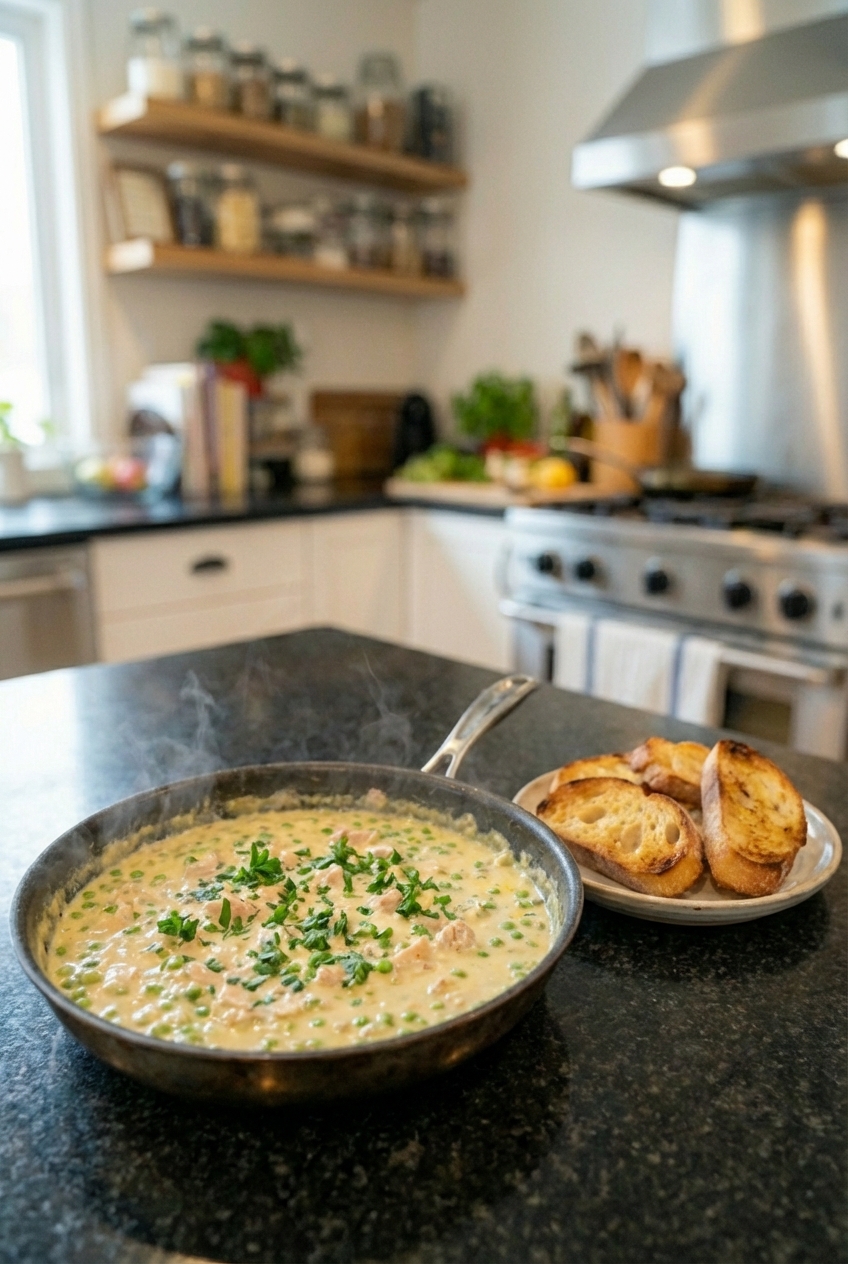
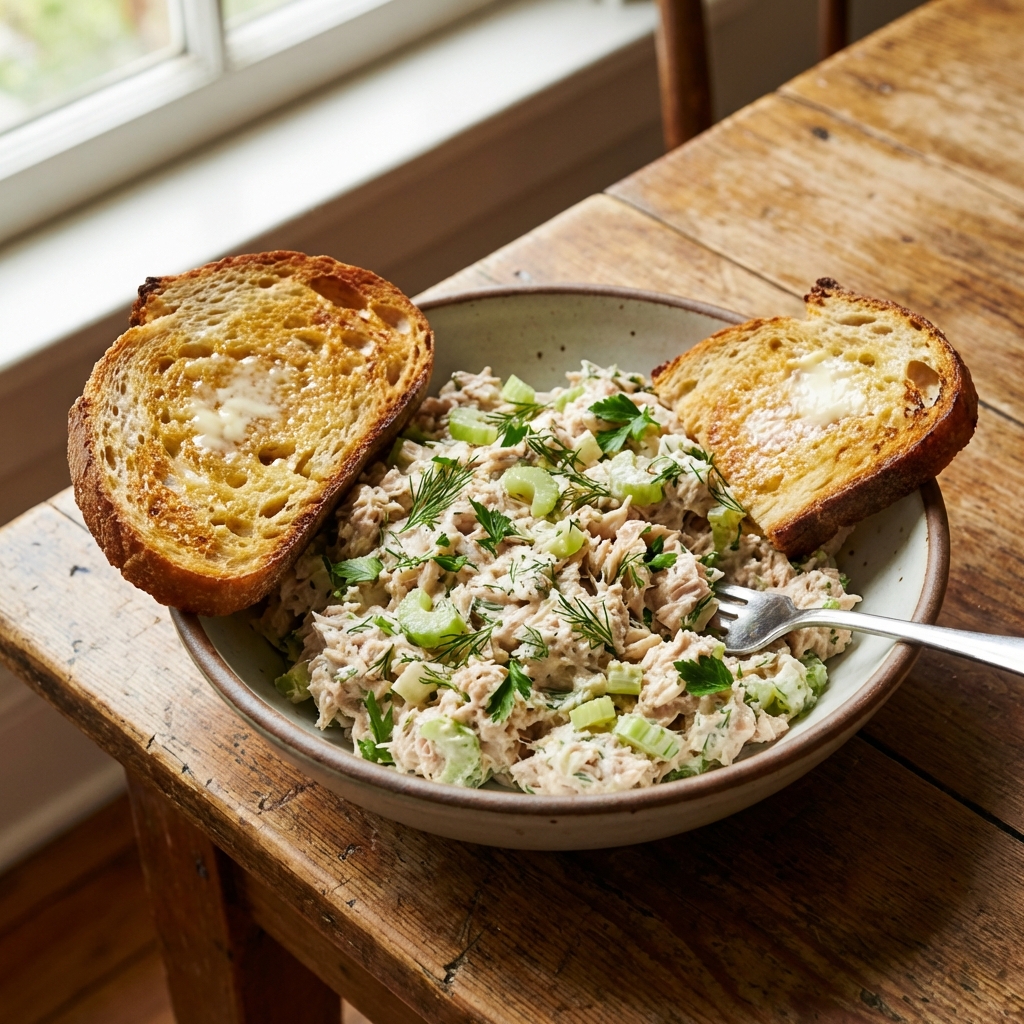
A cast iron skillet filled with creamy lemon garlic tuna and peas, topped with chopped parsley, with toasted bread on the side

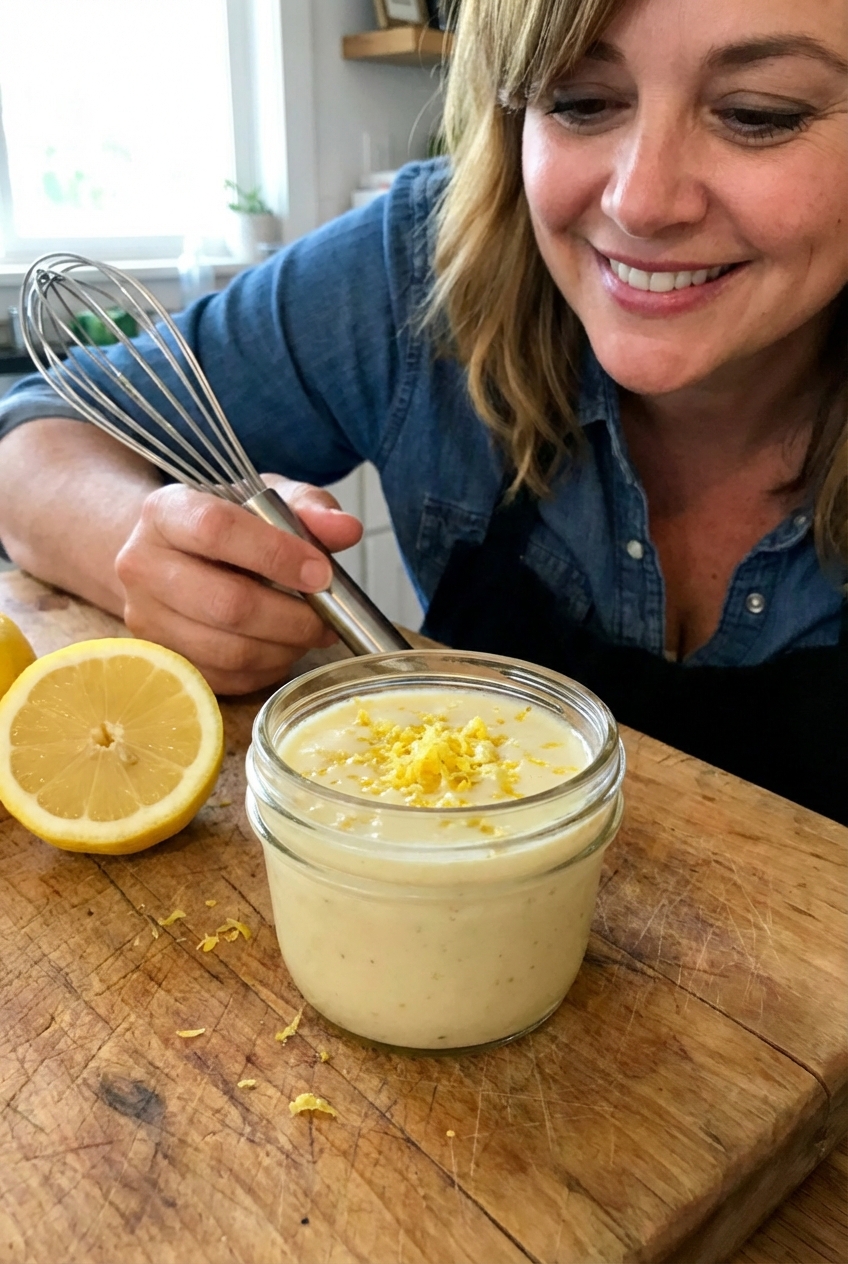
Canned tuna has a reputation problem. It is either a sad desk lunch or a mayo-heavy memory you would rather not revisit. This recipe fixes all of that with one skillet move: we build a quick, punchy pan sauce with garlic, lemon, a little Dijon, and just enough creaminess to cling to pasta or toast.

This is the kind of homestyle cooking I love. Accessible ingredients, clear steps, and a result that tastes like you meant to do it on purpose. Expect bright sauce, comforting carbs, and a few crisp, golden bits that make you “accidentally” go back for seconds.
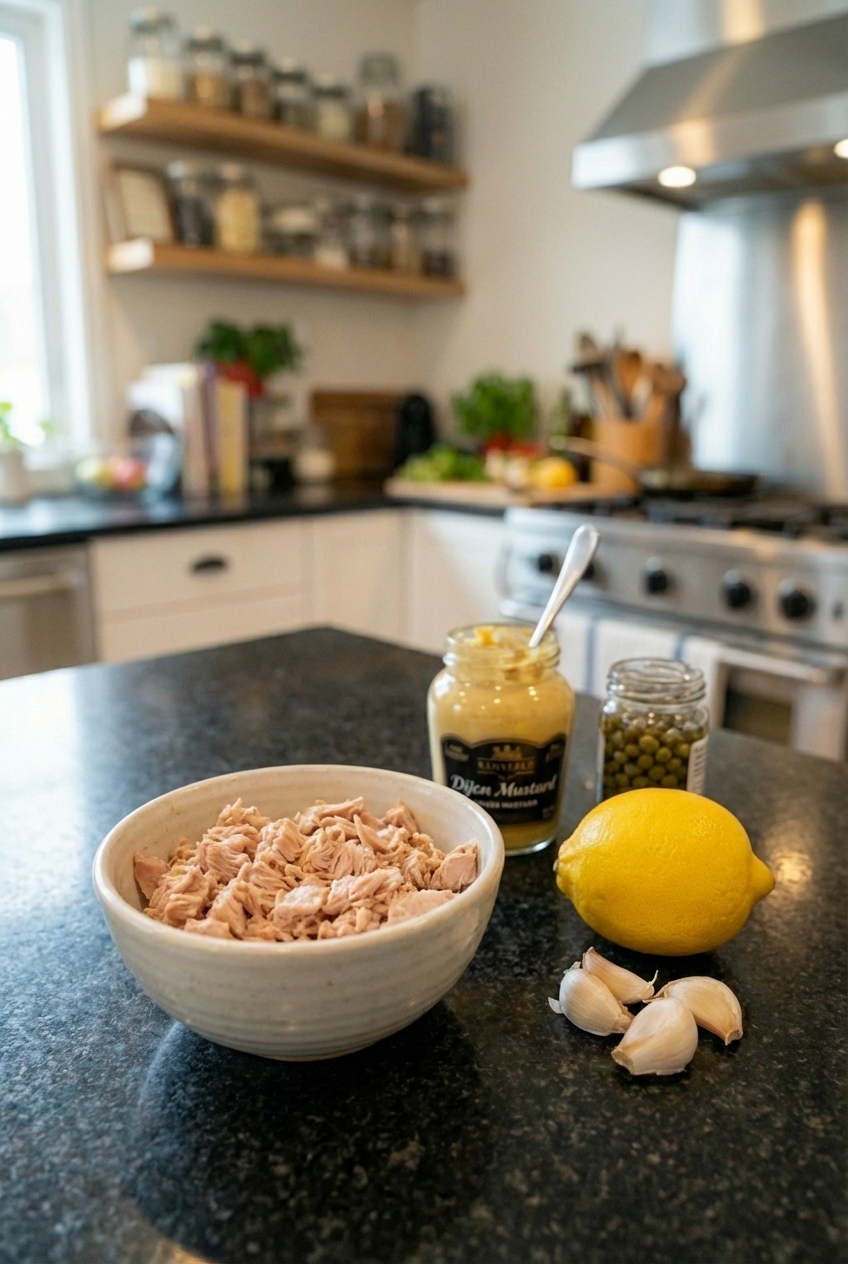
A small bowl of flaked canned tuna next to lemon, garlic, Dijon mustard, and capers on a kitchen counter

Why It Works

  • Bold flavor, zero drama: Lemon, Dijon, and capers (optional but excellent) wake tuna right up.
  • Better texture: We let the tuna sizzle briefly so you get savory, crisp edges instead of mush.
  • Flexible serving: Spoon it over pasta, rice, mashed potatoes, or pile it onto toast.
  • Pantry-first: Mostly shelf-stable ingredients, plus a few fridge staples.

Pairs Well With

Storage Tips

Refrigerate: Store leftovers in an airtight container for up to 3 days.

Reheat: Warm gently in a skillet over low heat with a splash of water, broth, or milk to loosen the sauce. Microwave works too, but go in short bursts and stir so the tuna stays tender.

Freezing: If you used dairy, freezing can make the sauce separate. It is still fine to eat, but the texture is not as silky. For best quality, use the olive oil version (no mayo or yogurt), cool completely, freeze up to 2 months, and thaw in the fridge before reheating.

Leftover glow-up: Fold into scrambled eggs, stuff into a baked potato, or pile onto toasted bread with extra lemon and pepper.

Common Questions

What canned tuna is best?

Solid white albacore is firm and steak-y, and many people find it tastes more “tuna-forward.” Chunk light tends to be softer, often a bit milder, and is usually cheaper. Both work. If your tuna is packed in oil, reduce the added olive oil a touch.

Should I worry about mercury?

If you eat tuna often, it helps to know that albacore is typically higher in mercury than chunk light. For frequent meals, chunk light is a common go-to. If you are pregnant, feeding kids, or have specific dietary concerns, follow current health guidance for your situation.

Do I have to use capers?

No. Capers bring briny pop. If you do not have them, try chopped pickles, a splash of pickle juice, or a few chopped olives. Or skip and add extra lemon zest. If your capers are very salty, give them a quick rinse.

How do I keep tuna from tasting fishy?

Drain it well, and if you want maximum browning, pat it dry with a paper towel. Then hit it with acid (lemon) and build a savory base with garlic and Dijon. Also, do not overcook it. A quick sizzle is great. Long simmering is not.

Can I make it without mayo or yogurt?

Yep. Use 2 to 3 tablespoons extra olive oil and a splash more broth. You will get a glossy, lighter sauce instead of creamy.

What can I add to make it more filling?

Peas are easy. So are spinach, sautéed mushrooms, or canned white beans. If you want heat and crunch, add chili flakes and toasted breadcrumbs.

I started making versions of this when I was chasing “real food” on a very unserious budget. Canned tuna was always around, but I refused to accept that it had to live in a mayonnaise jar forever. The first time I let it sizzle in a hot pan and finished it with lemon and mustard, it tasted like something you would happily eat at the counter while talking to a friend. That is the vibe here. A little chaotic, very comforting, and absolutely worth tasting as you go.