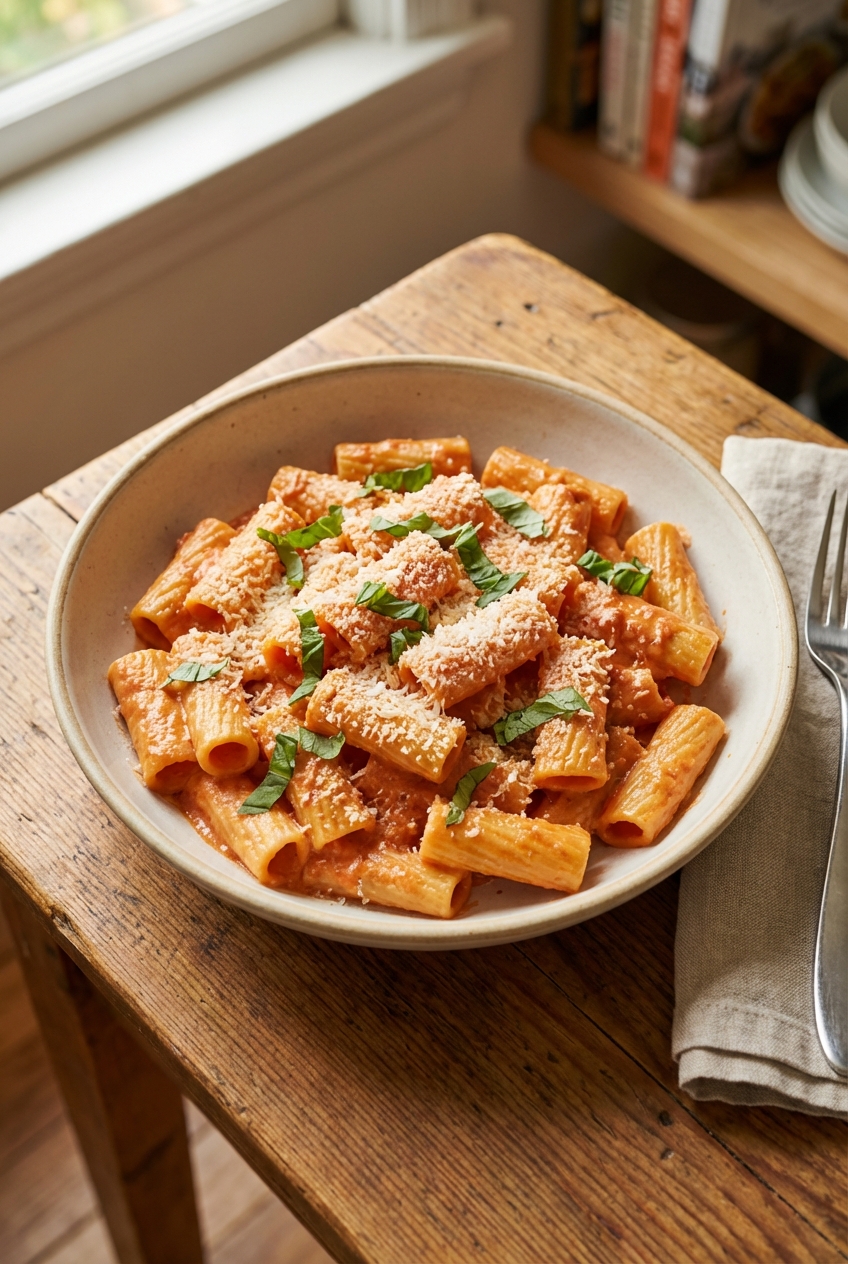
Learn how to make creamy vodka sauce with a smooth tomato-cream base, garlic, and Parmesan. A quick, restaurant-style pasta sauce that’s easy to customize.
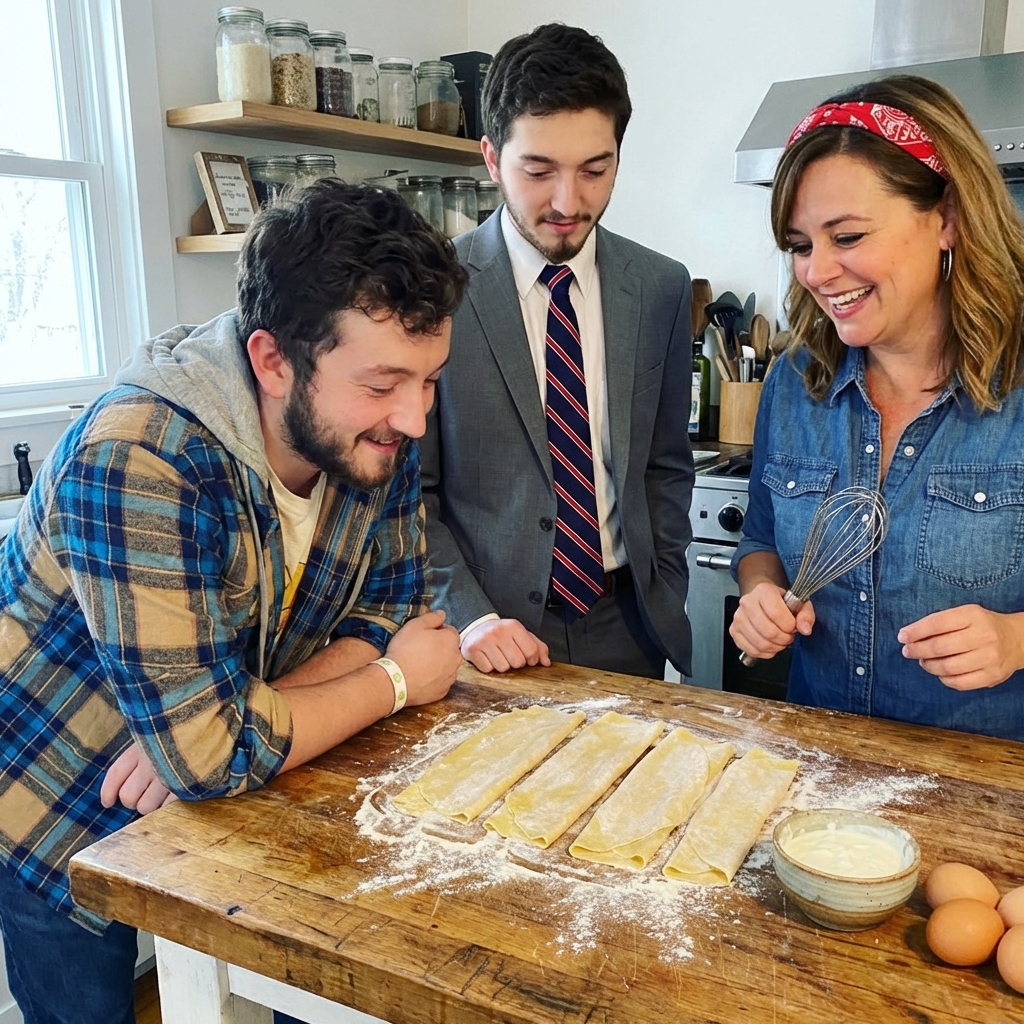
Some pasta doughs are tough love. This one is more like a friend who shows up with snacks and tells you your hair looks great. It is egg-forward, a little rich, and surprisingly low drama, thanks to one not-so-secret ingredient: a splash of cream.
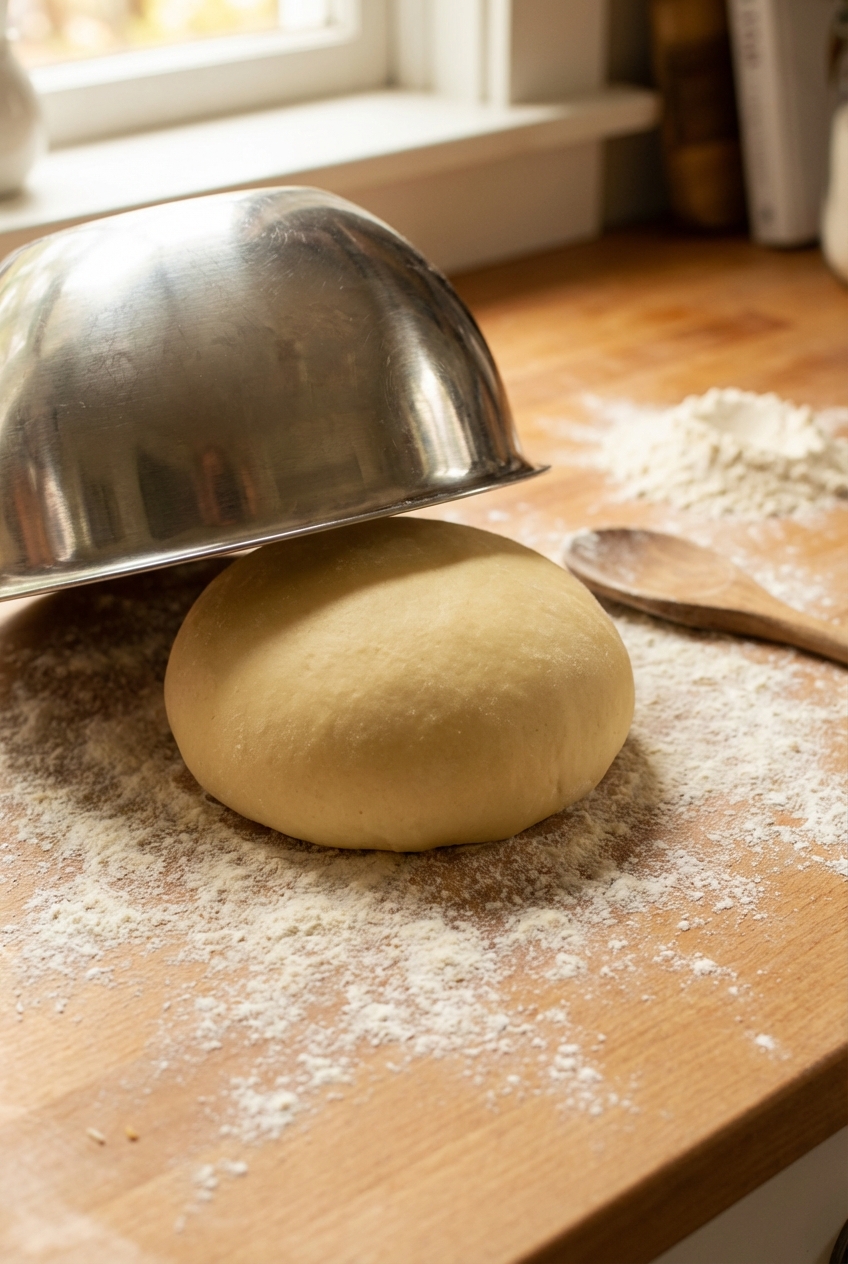
Before the purists come for me, hear me out. The cream does not make the dough “cakey” or weird. It makes it supple, easier to roll, and just tender enough that you get that creamy, dreamy chew without fighting your rolling pin. If you’ve ever made homemade pasta and thought, “Why is this dough acting like it pays rent,” this recipe is for you.
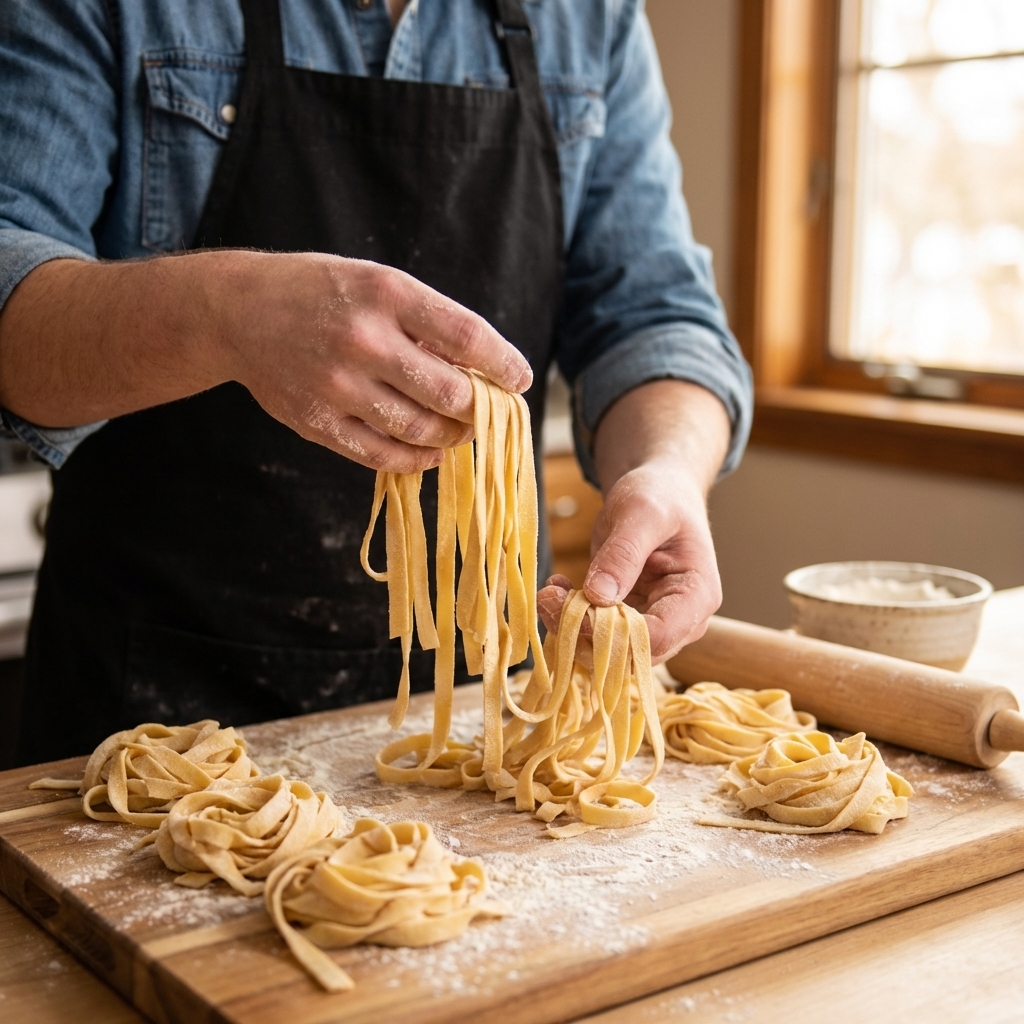
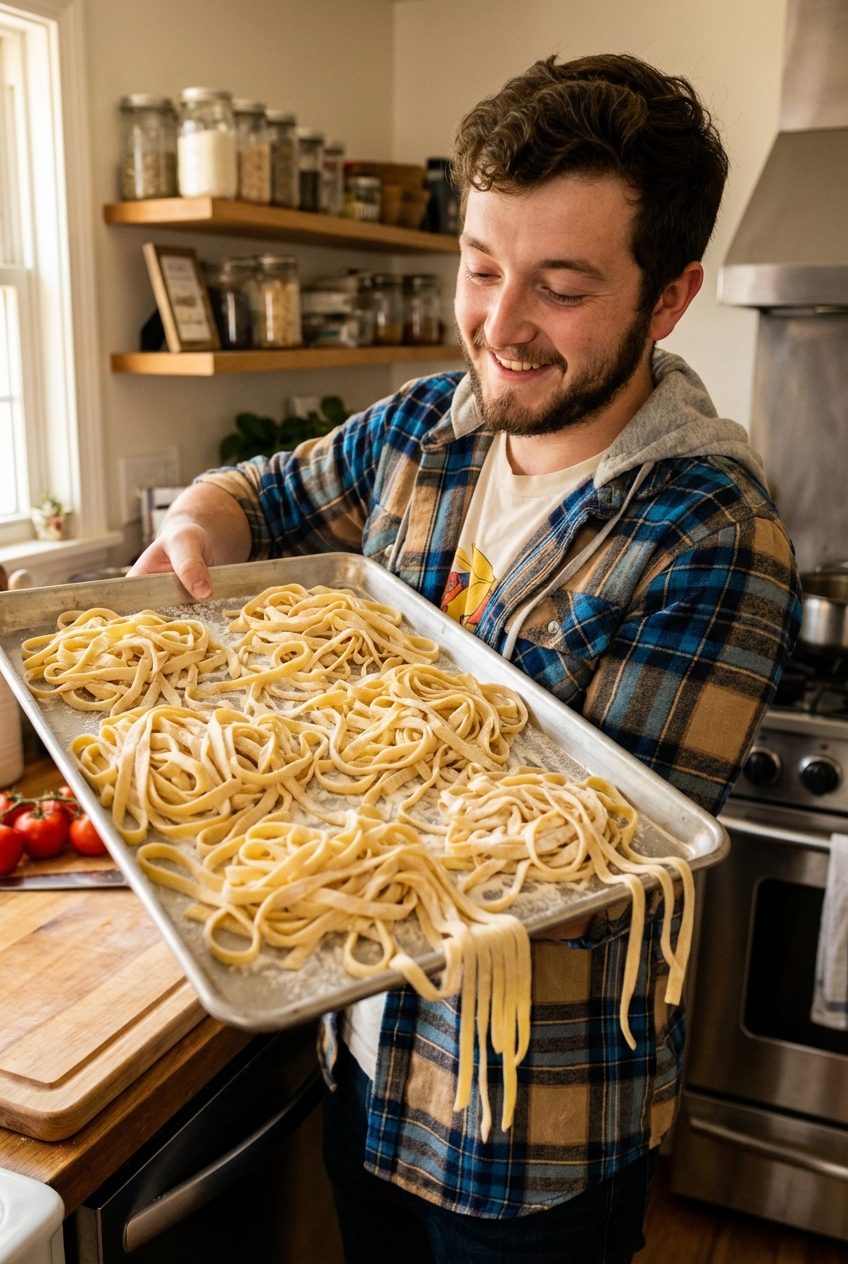
Use it for fettuccine, tagliatelle, pappardelle, lasagna sheets, or stuffed pasta. It is also a great starter dough if you are new to homemade pasta because it is forgiving and easy to hydrate.