Common Questions
What kind of protein powder works best?
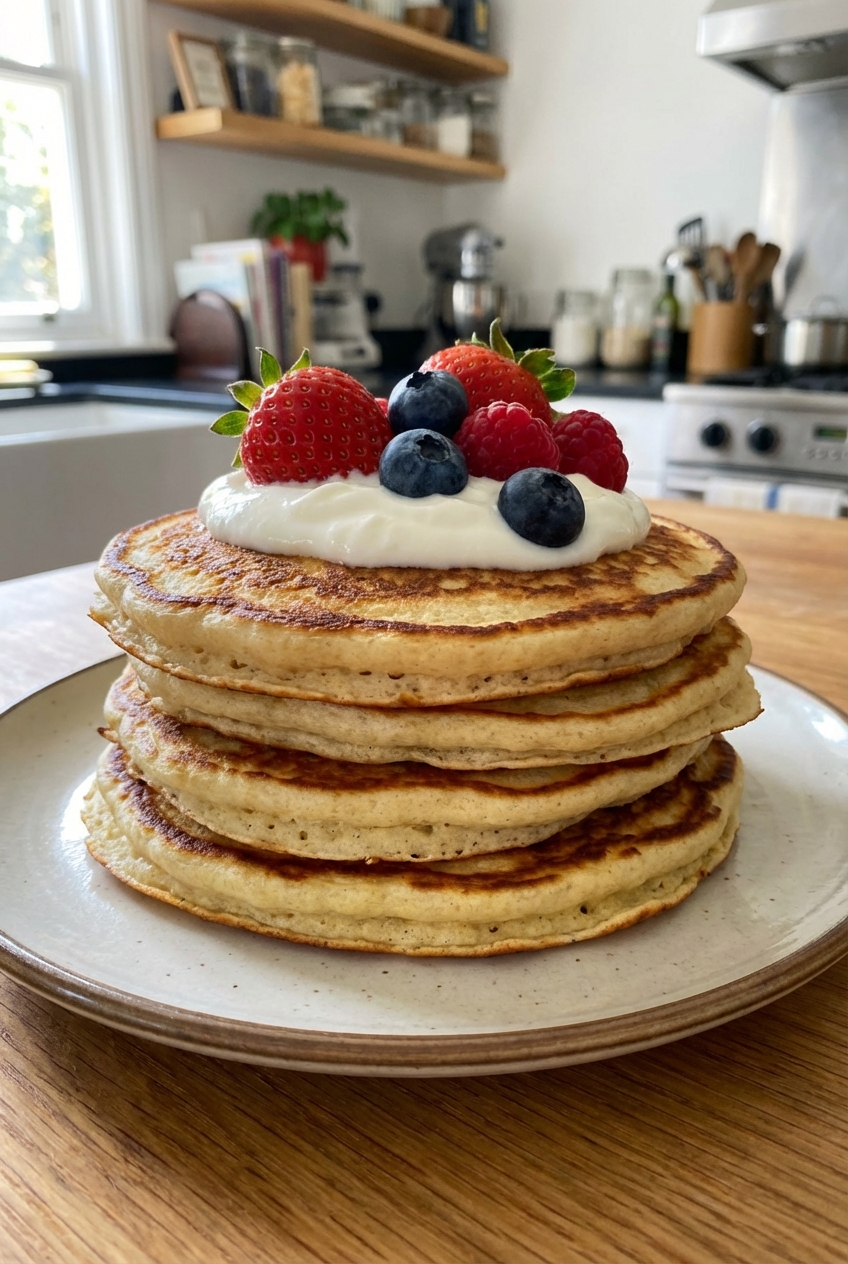
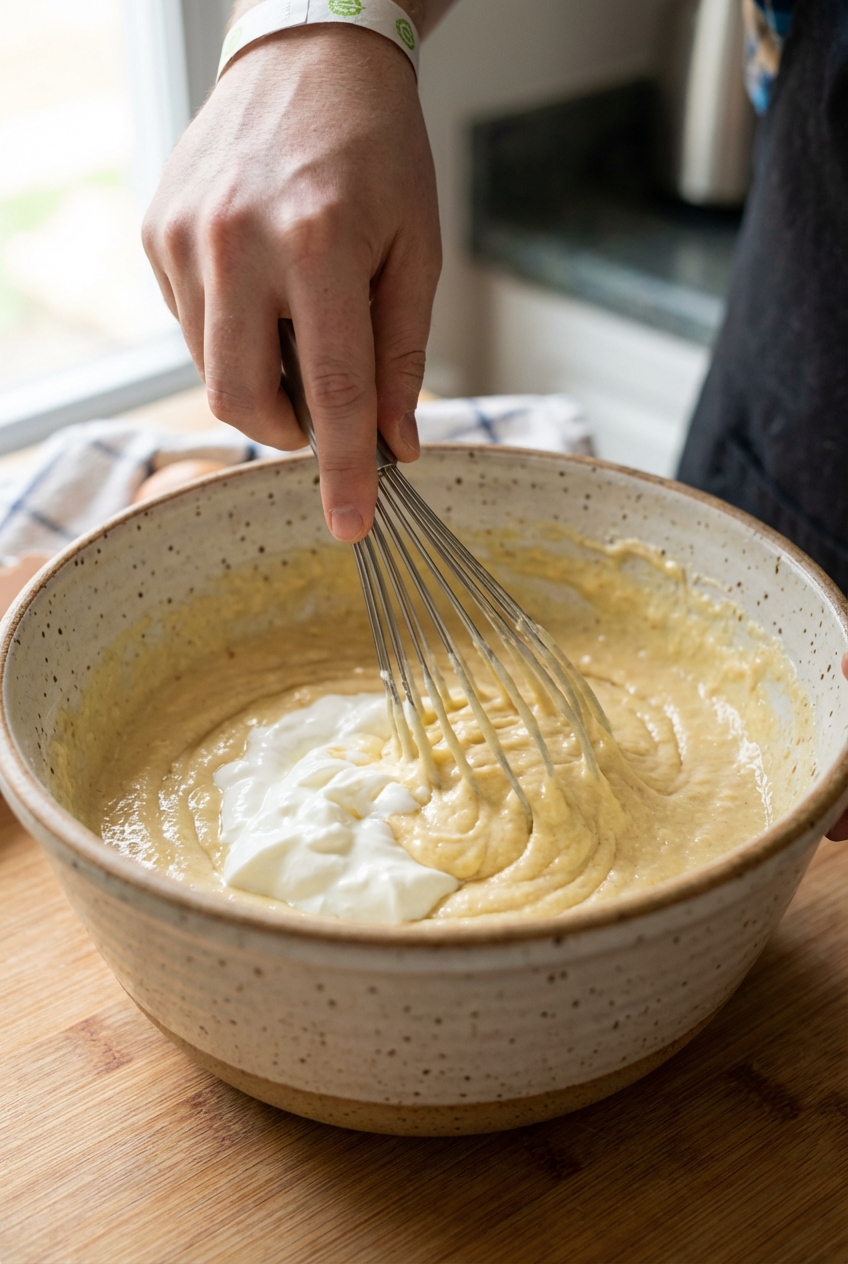
Whey or a whey blend tends to give the fluffiest texture. Plant-based powders can work, but they often absorb more liquid, so be ready to add an extra 1 to 3 tablespoons of milk to loosen the batter.
How much protein powder is “2 scoops”?
Scoop sizes vary wildly by brand. For this recipe, aim for 55 g protein powder total. Use your label to match the grams, and consider weighing it the first time if you want consistent pancakes.
Why did my pancakes turn out dry?
Most commonly: too much protein powder, batter cooked too long, or heat too high. Keep the pan at medium and pull the pancakes as soon as they are set and springy. Also, measure protein powder by spooning into the scoop, not packing it.
Can I make these without oats?
Yes. Swap the oat flour for all-purpose flour (same volume) for a more classic pancake feel, or use a 1:1 gluten-free flour blend. Hydration can shift with different flours, so you may need a splash more or less milk. If using coconut flour, do not do a 1:1 swap. It is much more absorbent.
Do I need to blend the oats?
Only if you are starting with rolled oats. Quick oats can be whisked in, but the texture is a little more rustic. For the smoothest batter, blitz oats into flour.
How many oats do I blend to get 1 cup oat flour?
Blending reduces volume. To get 1 cup (100 to 120 g) oat flour, you typically need about 1 1/4 cups rolled oats. If you are going by weight, just measure 100 to 120 g oats and blend until fine.
Can I reduce the tang?
Yep. Use half Greek yogurt and half cottage cheese, or use a milder yogurt. You can also add an extra teaspoon of maple syrup or sugar to round it out.
My vanilla protein is very sweet. Should I still add maple syrup?
Maybe not. If your protein powder is sweetened and you like a less-sweet pancake, skip the maple syrup and taste after cooking the first pancake. You can always drizzle syrup on top later.