Can I make this 100% whole wheat?
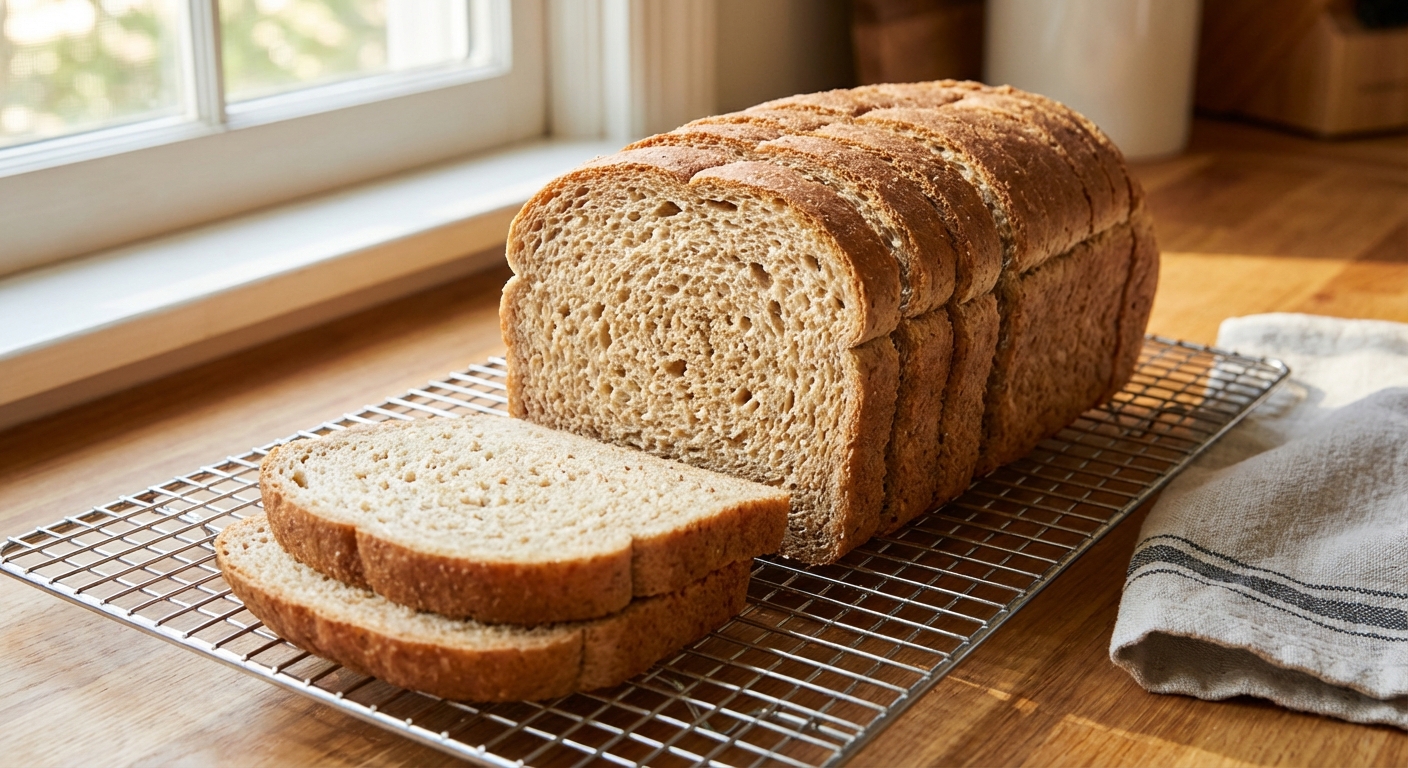
Yes, but expect a denser loaf. To keep it tender, use vital wheat gluten (highly recommended), and be ready to add an extra 1 to 3 tablespoons milk if the dough feels stiff. Whole wheat flour drinks more liquid.
Does the yogurt make the bread taste sour?
It makes it pleasantly tangy, not sour like sourdough. If you want it milder, you can use milk instead of yogurt and add 1 tablespoon apple cider vinegar for just a hint of bite.
What kind of yogurt should I use?
Plain whole milk yogurt is the easiest path to a tender crumb. Greek yogurt works too, but it is thicker, so whisk in 1 to 2 tablespoons water before adding. Low-fat yogurt will still make good bread, but the loaf may be a touch less rich and soften a bit faster.
My dough feels sticky. Did I mess up?
Probably not. This dough should feel soft and slightly tacky, especially with whole wheat. Knead until smooth and elastic. If it is truly wet and unmanageable, add flour 1 tablespoon at a time until it behaves.
Can I bake it in a different pan?
Yep. This recipe is written for an 8 1/2 x 4 1/2 inch loaf pan. If you use a 9 x 5 inch pan, you will get a slightly shorter, wider loaf and it may bake a few minutes faster. For a round loaf, shape into a boule and bake on a sheet pan, but start checking around 30 minutes.
How do I know it is done?
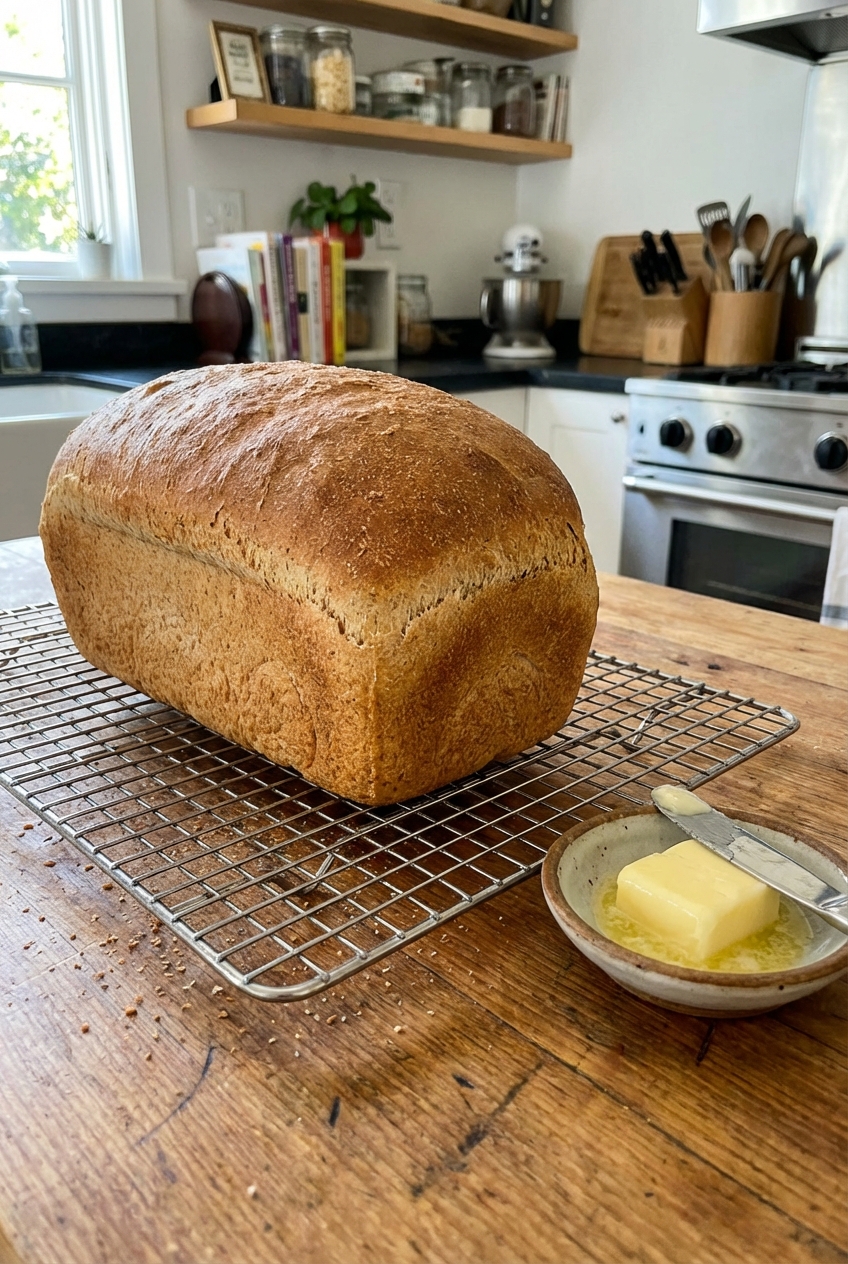
Look for a deep golden top and a hollow sound when you tap the bottom. If you have an instant-read thermometer, aim for 190°F to 195°F in the center. If you like a slightly drier, extra sliceable sandwich loaf, you can take it to 195°F to 200°F.
Can I do an overnight rise?
Yes, and it is a great make-ahead move. After kneading, put the dough in a lightly oiled bowl, cover tightly, and refrigerate for 8 to 16 hours. The next day, let it sit at room temperature for 45 to 90 minutes (until it looks puffy), then shape, rise, and bake as written. Cold dough moves at its own pace, so use the visual cues, not the clock.