Mom's Best Recipes
Recipe

Bold White Sangria

A tangy, creamy white sangria with citrus, juicy fruit, and a silky vanilla-kissed swirl that tastes like sunshine and dessert had a very good idea.

Author By Matt Campbell
4.8
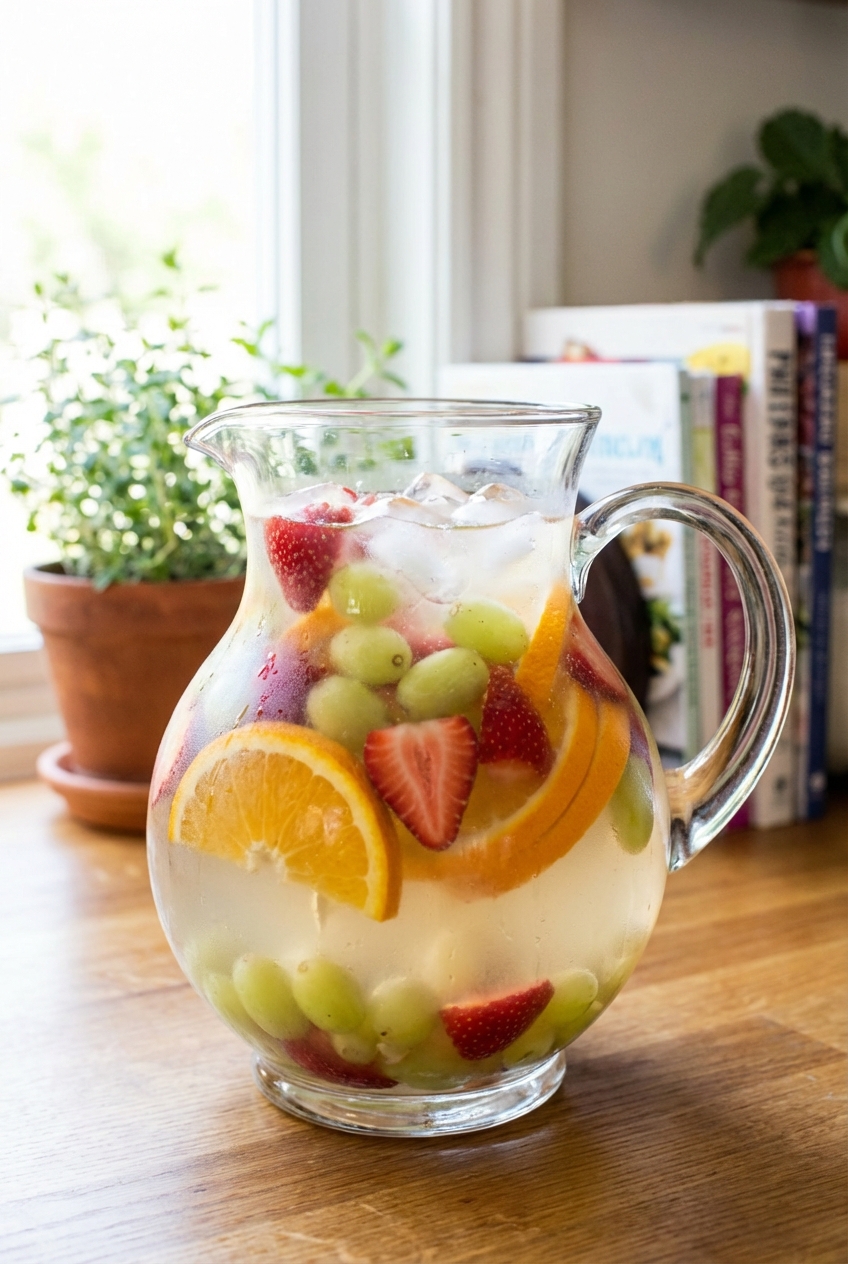
A clear glass pitcher of creamy white sangria with orange slices, green grapes, strawberries, and ice on a bright kitchen counter

If regular white sangria is the laid-back patio friend, this one is the friend who shows up with a cooler, a playlist, and suspiciously perfect citrus slices. It is bold, tangy, and just creamy enough to feel like a treat without turning into a milkshake situation.

Here is the vibe: bright white wine, a punchy splash of citrus, fruit that actually tastes like fruit, and a silky swirl made from a creamy liqueur and a little vanilla. The result is crisp and refreshing up front, then softly rounded at the finish. It is the kind of drink that makes people ask, “Wait, what is in this?” and then immediately ask for the recipe.

Make it for brunch, showers, summer nights, or the random Tuesday when you want your kitchen to feel like a tiny vacation. And yes, tasting as you go is encouraged.
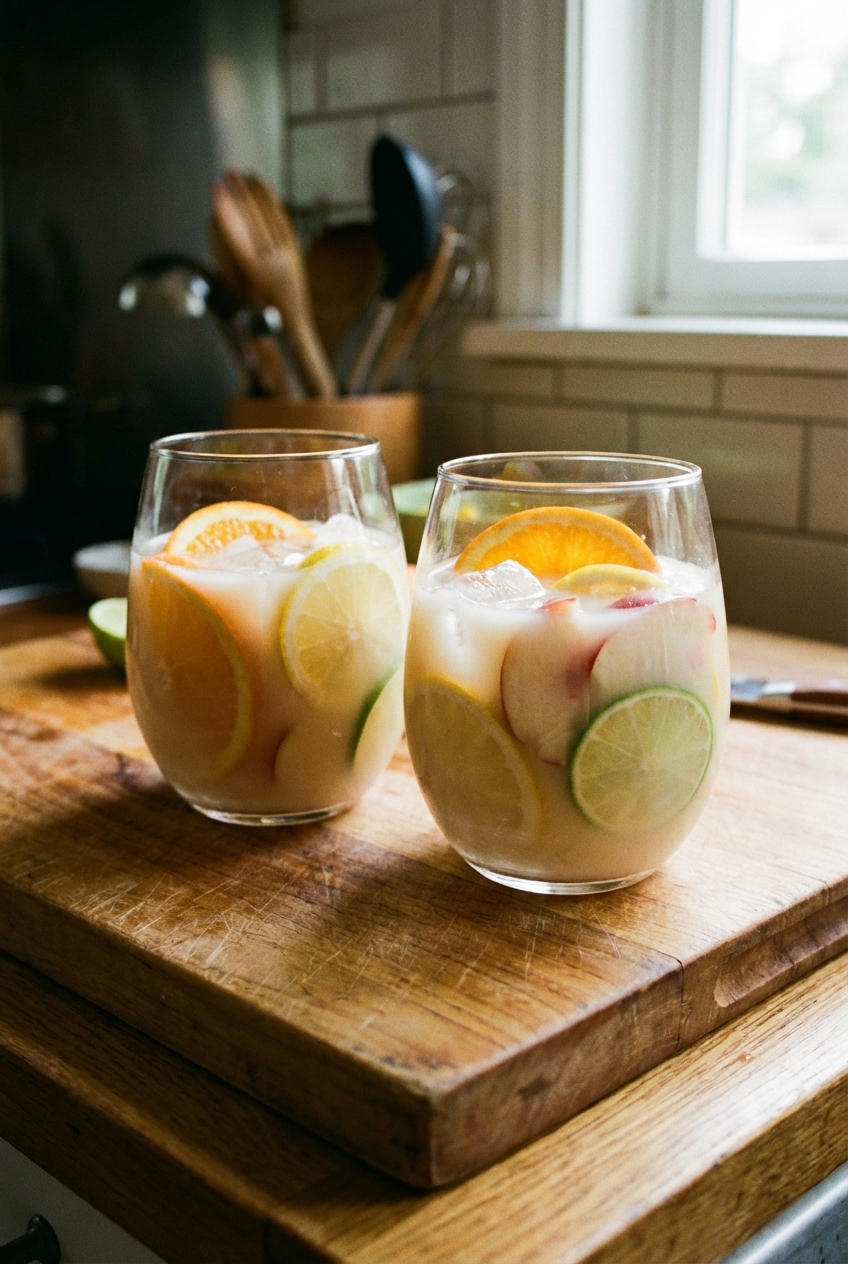
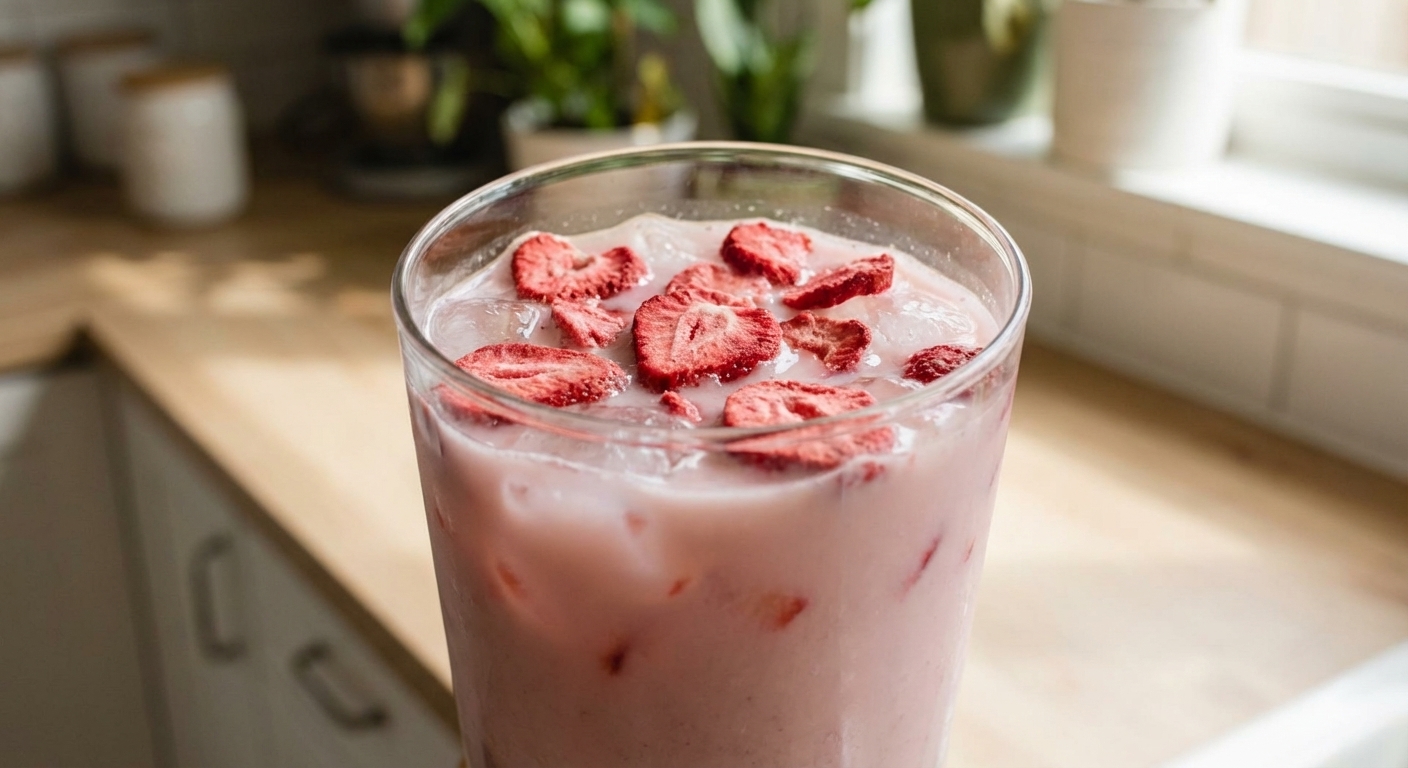
Two stemless glasses of creamy white sangria with fruit and ice sitting on a wooden cutting board

Why It Works

  • Tangy but balanced: Lemon and orange bring the zip, while a touch of honey or simple syrup keeps it friendly.
  • Creamy without being heavy: A small pour of creamy liqueur adds richness and aroma, not thickness.
  • Fruit-forward flavor: The fruit macerates just long enough to perfume the pitcher, not turn mushy.
  • Easy to scale: Double it for a crowd, or keep it as written for a small get-together.
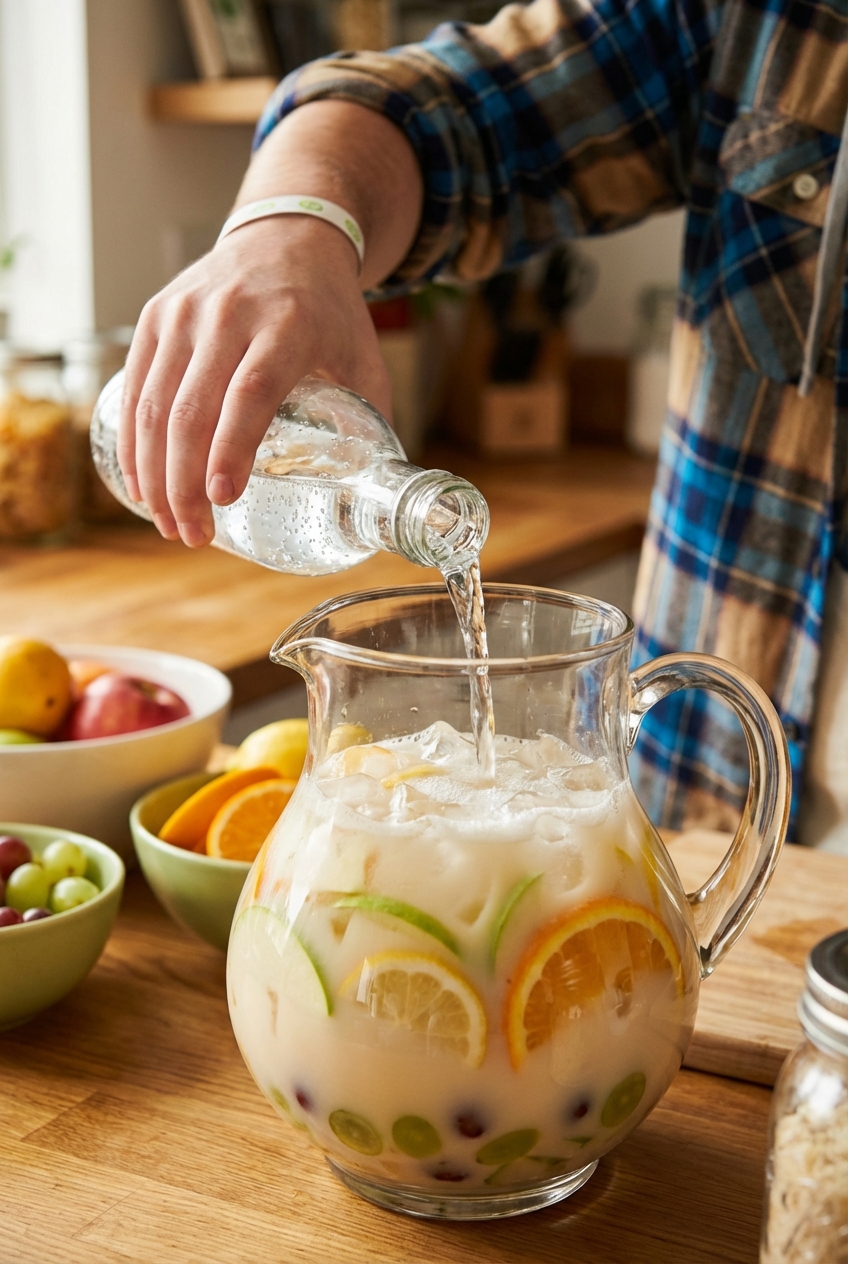
  • Make-ahead magic: You can prep the fruit and base early, then add bubbles right before serving for peak sparkle.

Pairs Well With

Storage Tips

Short version: Sangria is best the day you make it, but you can save leftovers if you treat them gently.

  • Refrigerate: Store in a sealed pitcher or jar for up to 24 hours. If you used a dairy cream liqueur, aim for the shorter end and keep it cold (do not let it sit out).
  • Hold the bubbles: If you know you will have leftovers, add sparkling water or club soda by the glass, not to the whole pitcher.
  • Strain if needed: If the fruit starts to look tired, strain it out and keep just the liquid. You can add fresh fruit later.
  • Do not freeze: The creamy element can separate and get weirdly grainy when thawed.

Common Questions

What makes it creamy?

The creaminess comes from a creamy liqueur. Important note: RumChata contains dairy cream. If you are avoiding dairy, use a non-dairy horchata-style liqueur (like Licor 43 Horchata) or another clearly labeled vegan creamy liqueur.

Can I make this non-alcoholic?

Yes. Swap the wine for white grape juice or a non-alcoholic white wine.

For the creamy vibe, use vanilla syrup plus a splash of non-dairy creamer made for coffee (like an oat “barista” style creamer) or a little lite coconut milk. Quick heads-up: plain oat milk, almond milk, and dairy can sometimes separate in citrus depending on the brand and how acidic your juice is, so choose a more stable creamer product if you can. Add sparkling water at the end for lift.

What white wine is best for sangria?

Go for a crisp, affordable bottle like Pinot Grigio, Sauvignon Blanc, or Albariño. Avoid oaky Chardonnay here because it can fight the citrus and vanilla.

Why did my sangria separate?

Citrus plus creamy liqueur can separate when the mix is very acidic or when the creamy element hits the citrus too aggressively. To keep it smooth, use less juice, rely on citrus slices for aroma, and add the creamy liqueur last (slowly, with gentle stirring). A little cloudiness is normal. If it separates, chill well and give it a gentle stir before serving.

Can I make it ahead?

Yes. Mix everything except the sparkling water up to 6 hours ahead. Keep it covered and refrigerated, then add bubbles right before serving. If you are worried about separation, add the creamy liqueur right before serving, or even pour it into each glass.

Any tips for balancing sweet and tangy?

Orange juice and liqueurs vary a lot in sweetness and acidity (fresh juice can be more tart, bottled can be sweeter). Start with the lower amount of orange juice, taste after the wine goes in, then adjust with sweetener first, bubbles second, and citrus last.

I started making this version after one too many “white sangrias” that tasted like wine with a sad orange slice floating in it. I wanted something brighter and louder, but also a little cozy. The creamy liqueur was my “I wonder if…” moment, and it turned the whole pitcher into a tangy, vanilla-citrus situation that feels like dessert and happy hour at the same time. It is now my go-to when I want people to relax, snack, and stay a while.