What apples are best for strudel?
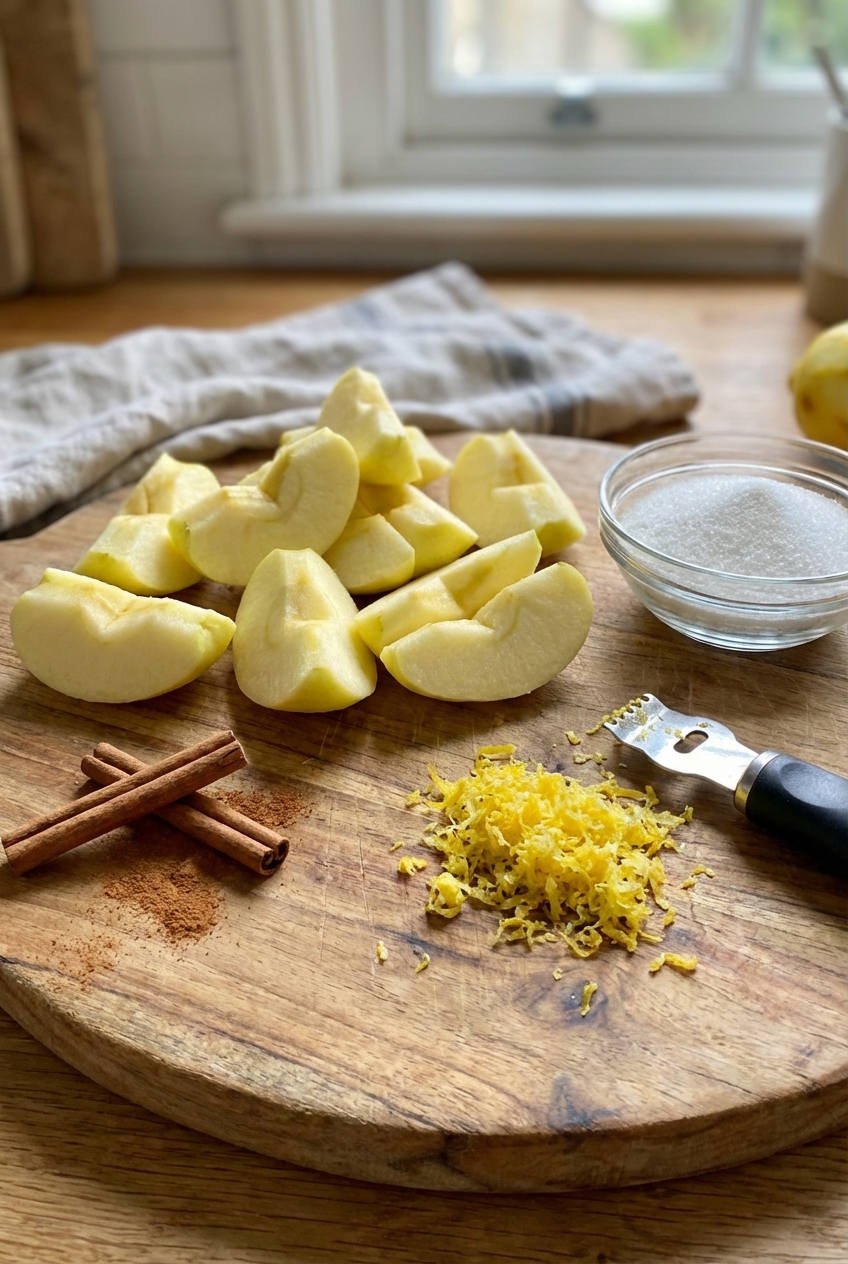
Use apples that hold their shape: Granny Smith for tartness, Honeycrisp for sweet crunch, or a mix of both for the best balance. Softer apples can turn jammy and wet.
How do I keep phyllo from drying out?
Keep the stack covered with a slightly damp kitchen towel while you work, and re-cover it immediately after grabbing a sheet. Pull one sheet at a time, brush, repeat. If a sheet tears, do not panic. Layering is very forgiving.
Butter note: Melted butter should be warm and fluid, not hot. Hot butter can make phyllo greasy and more prone to tearing.
Can I make the filling ahead?
Yes, but do it smart so you do not drain away the good stuff. Up to 8 hours ahead, toss the sliced apples with the lemon zest and lemon juice only, then refrigerate. Before assembling, if they look juicy, drain off the excess liquid and pat the apples lightly dry if needed.
Right before assembling, toss the apples with the sugar, spices, vanilla, flour (or cornstarch), salt, and raisins. If your bowl is extra juicy, use a slotted spoon to mound the apples on the phyllo so you do not dump a puddle into your pastry.
Why the breadcrumb layer?
It is moisture control. Toasted buttery breadcrumbs act like a thin barrier that absorbs juice and keeps the pastry crisp.
How do I know when it is done?
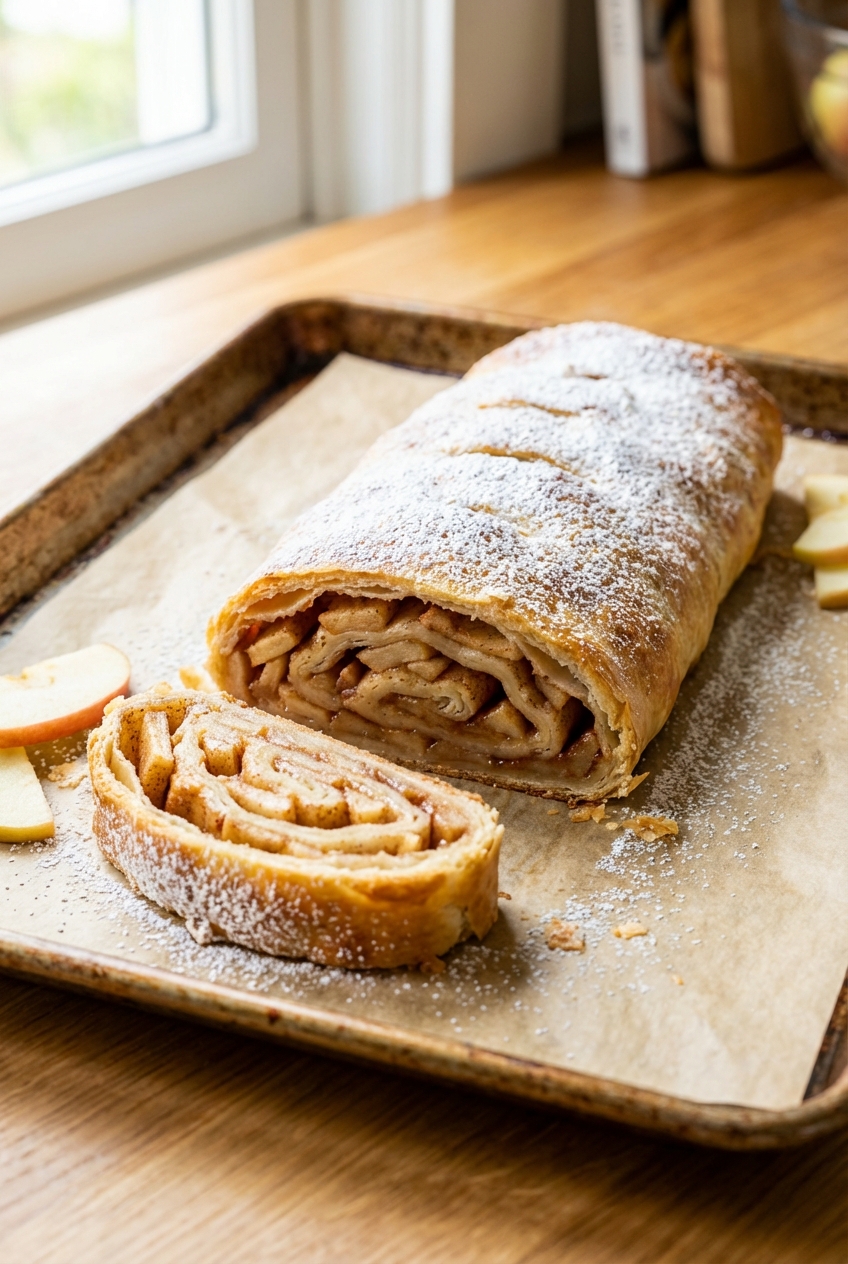
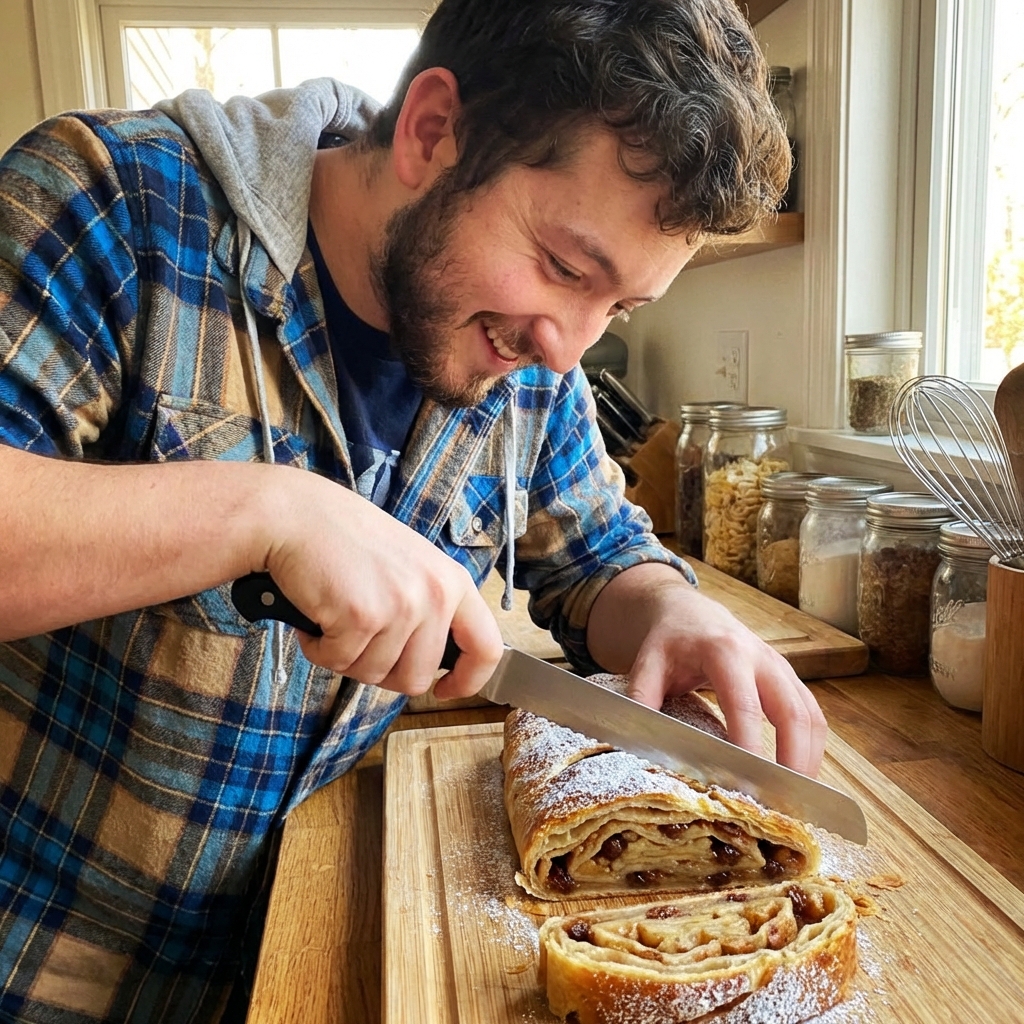
Look for deep golden phyllo all over, plus a little bubbling at the vent slits. If it still looks pale, give it a few more minutes. Color equals crunch here.
Can I use puff pastry instead of phyllo?
You can. It will be more like an apple turnover log than classic strudel, but still delicious. Bake at the puff pastry temperature on the package, but start checking early since timing varies. You want deep golden pastry and a filling that is bubbling at the seams or vents.