What noodles should I use for lo mein?
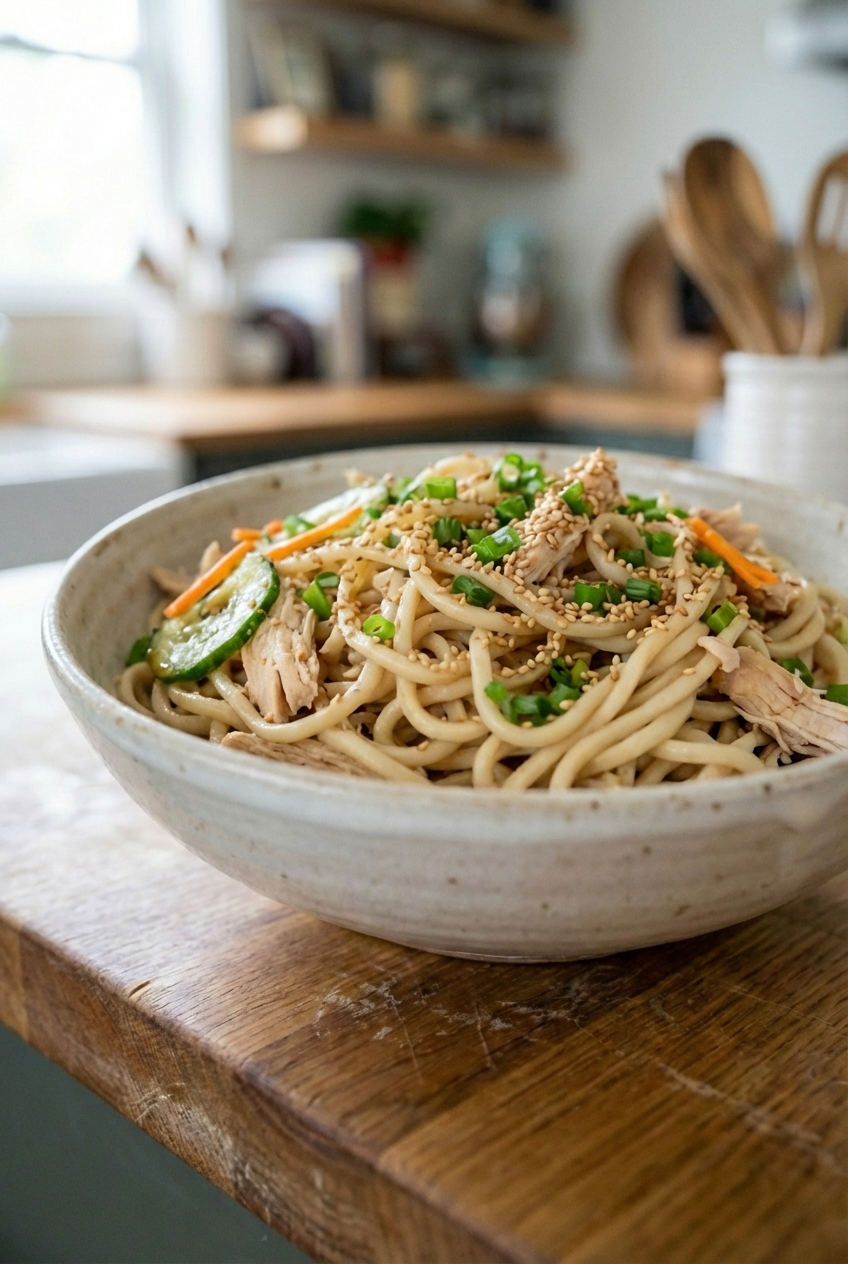
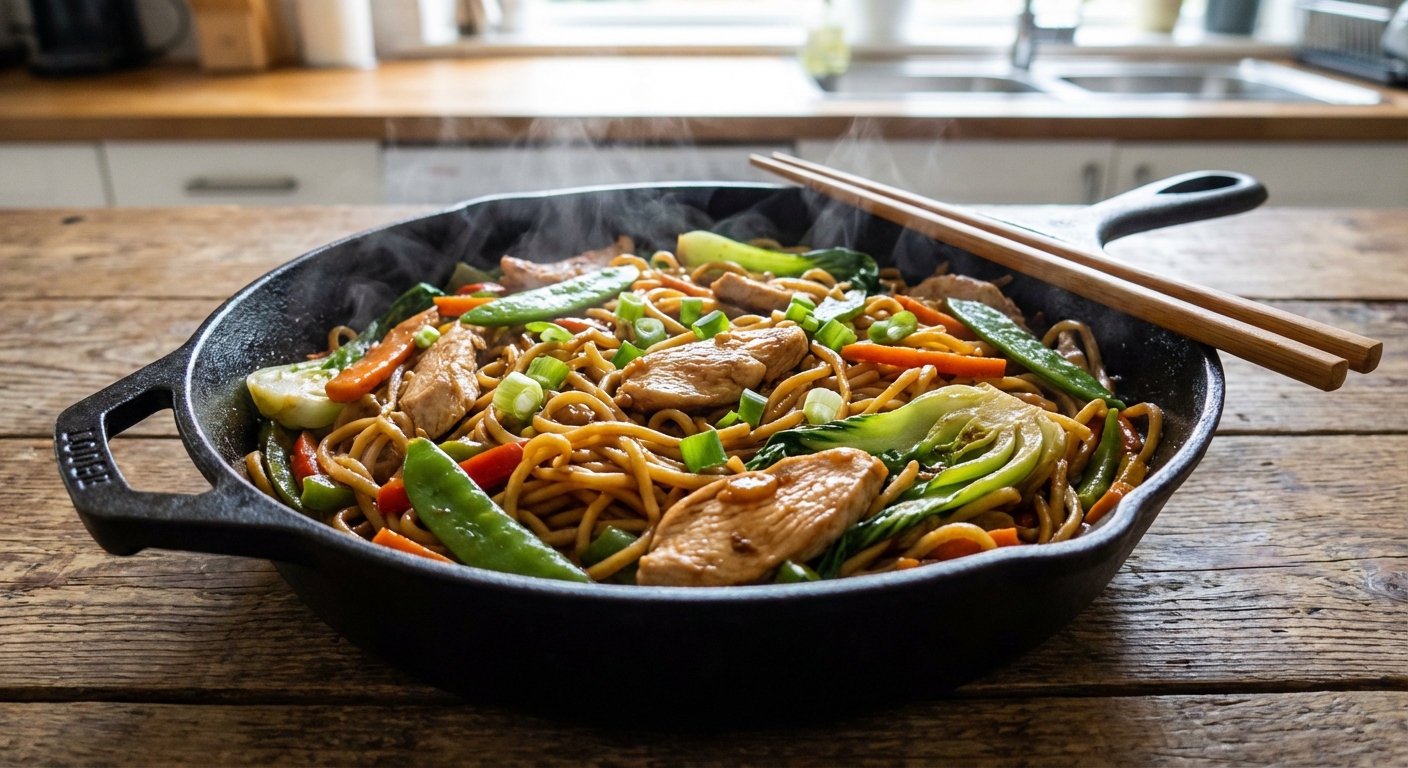
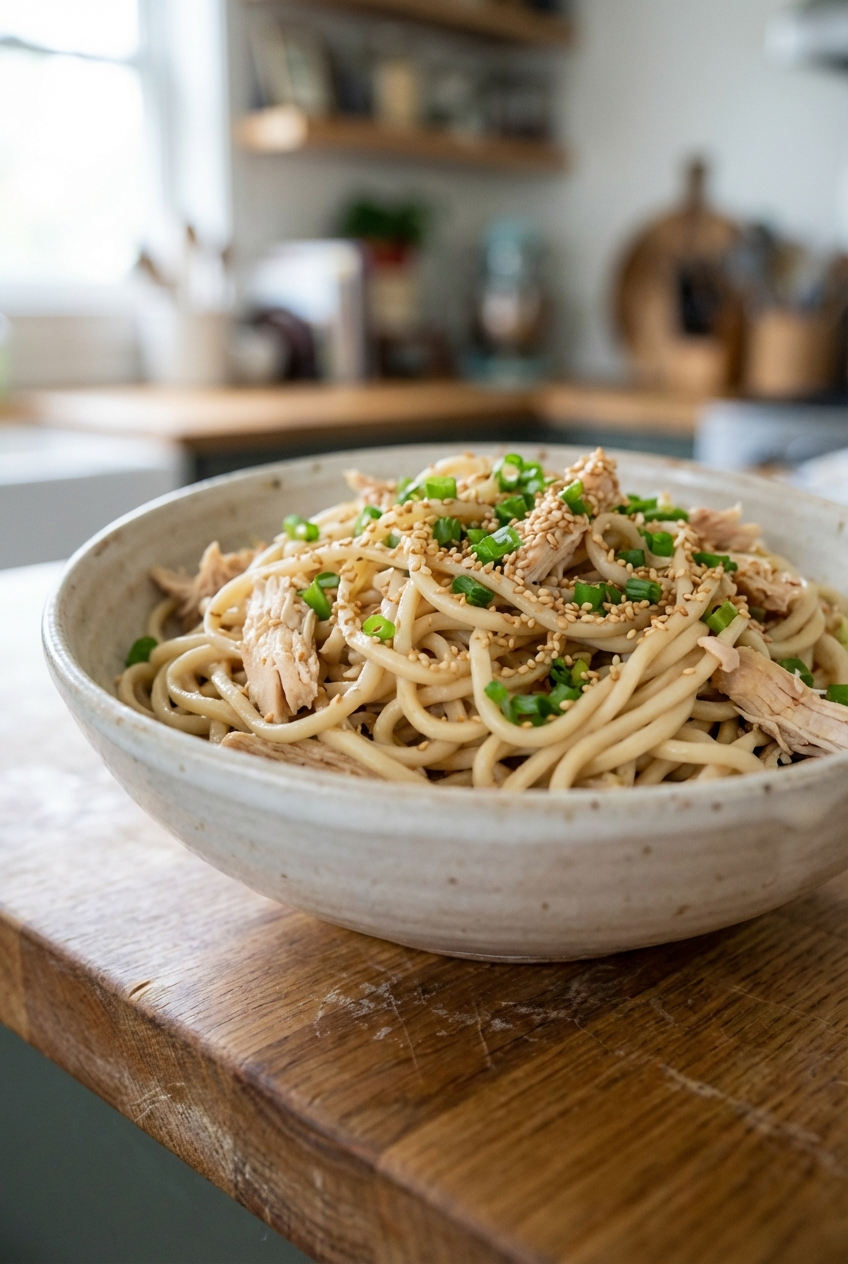
Classic lo mein uses wheat noodles, often sold as fresh lo mein noodles. Depending on the brand, you may also see them labeled as chow mein noodles (look for the soft, fresh kind, not the dried crispy ones). In a pinch, spaghetti works shockingly well. Just cook it to al dente, rinse, drain well, then toss with a splash of dressing or a little sesame oil so it does not clump.
Can I serve this warm instead of chilled?
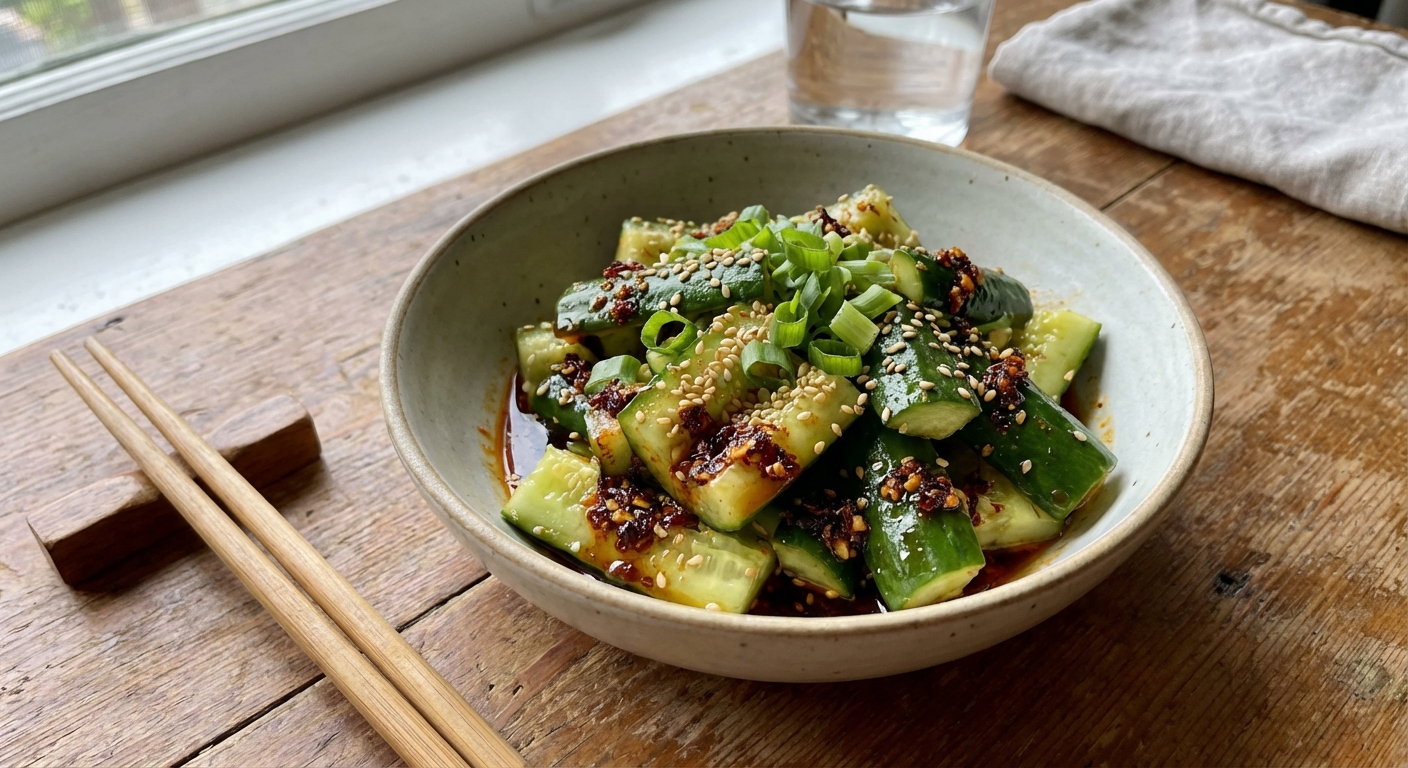
Yes. Skip the rinsing step, toss the hot noodles with the dressing, and serve right away. If you go warm, add the cucumber at the end so it stays crisp.
How do I keep noodles from sticking?
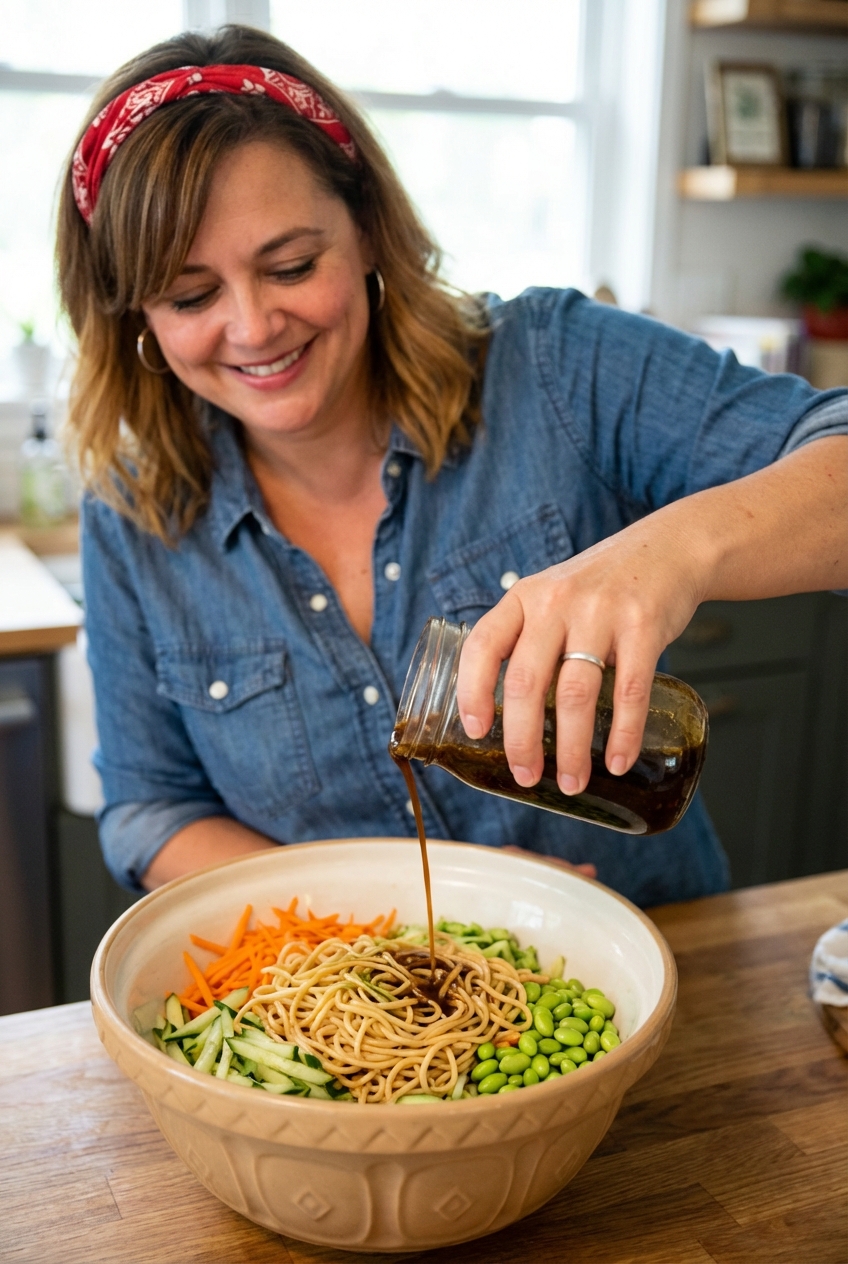
Rinse under cold water until fully cool, drain well, then toss right away with 2 to 3 tablespoons of dressing (or 1 teaspoon sesame oil if you prefer). Also, do not underdress. If it looks dry, add a bit more dressing. A dry noodle is a sticky noodle.
Can I make it gluten-free?
Use rice noodles (like wide pad thai noodles) and swap in tamari for soy sauce. Rice noodles are more delicate, so toss gently.
What if I do not have mirin?
Mirin is mildly sweet with low acidity, so you want a swap that keeps the dressing balanced (not more sour). Use 1 tablespoon dry sherry (or sake) plus 1 teaspoon honey or sugar. No sherry? Use 1 tablespoon water plus 1 to 2 teaspoons honey or sugar, stirred until dissolved.
How spicy is this?
Totally in your control. Skip the chili crisp for zero heat, or start with 1 teaspoon and build from there. Cold noodles can soften spice, so taste after chilling.
Any allergy notes?
Sesame is a common allergen. If you need to avoid it, skip the sesame oil and sesame seeds, use a neutral oil instead, and add a little extra lime and ginger to keep things lively.