Mom's Best Recipes
Recipe

Bright Citrus Pork Tenderloin

Juicy pork tenderloin with a zippy orange and lime pan sauce, crisp-edged sear, and a honey Dijon finish. Weeknight-friendly, company-worthy, and very hard to stop “taste testing.”

Author By Matt Campbell
4.8
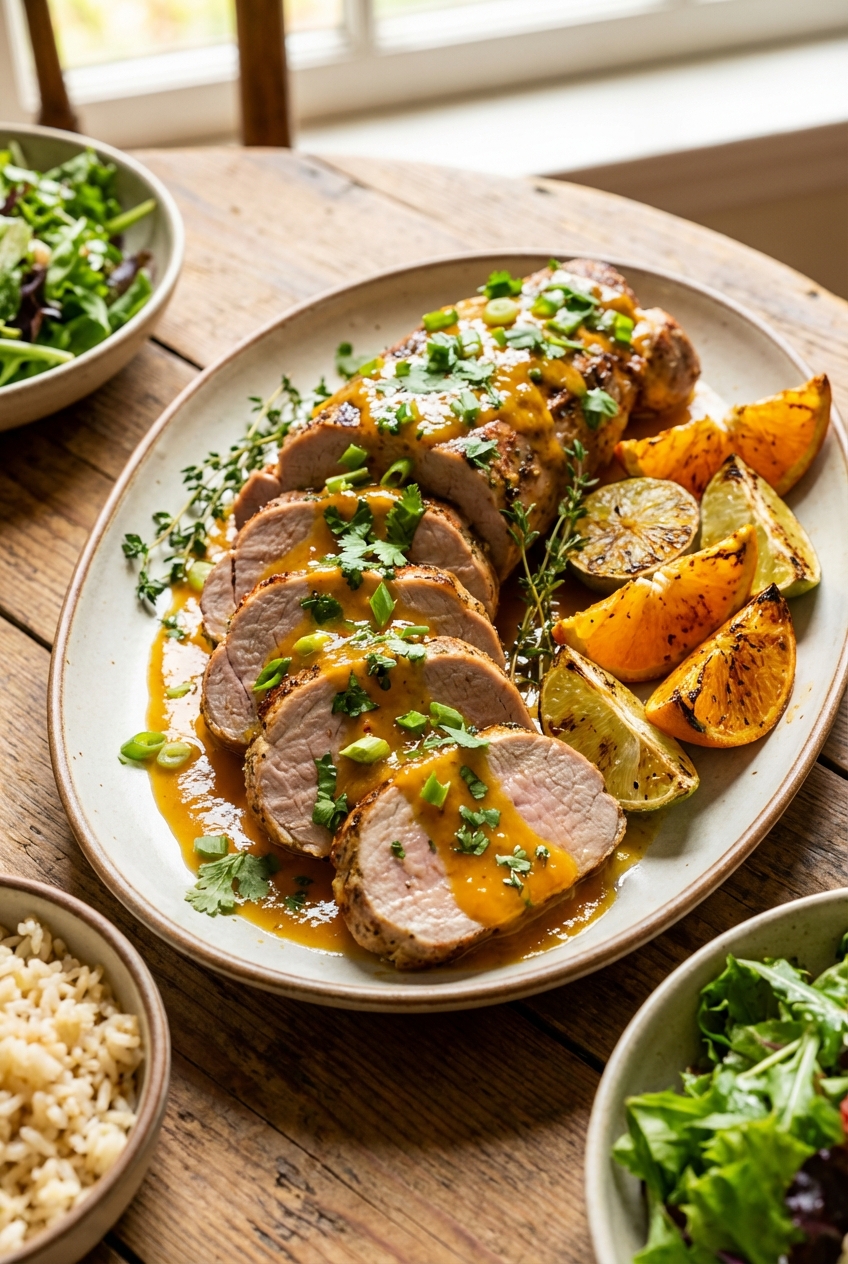
Sliced pork tenderloin on a platter with glossy orange lime pan sauce and fresh herbs, with roasted citrus wedges on the side

If you have ever wanted pork tenderloin to feel less like “plain protein” and more like something you would order on purpose, this is the move. We are talking a quick, confident sear, a short roast, and a bright citrus pan sauce that wakes everything up without being fussy.

The flavor is sunny and a little bold: orange and lime for zip, Dijon for bite, honey for balance, and a tiny pop of garlic. It is the kind of dinner that looks like effort, but cooks like a friend in your kitchen would cook it: relaxed, curious, and absolutely tasting the sauce straight from the spoon.
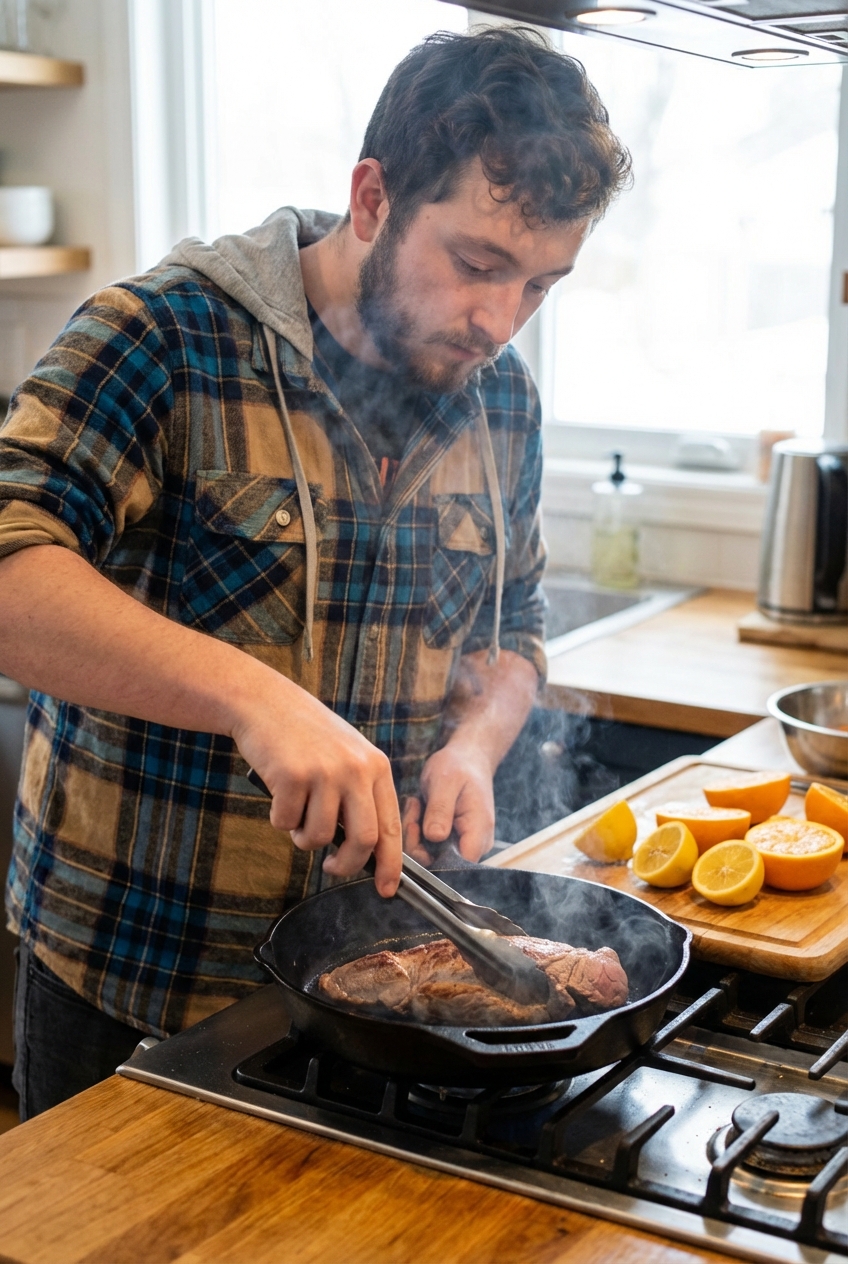
Pork tenderloin searing in a skillet with citrus halves nearby

Why It Works

  • Juicy, tender pork thanks to a fast sear and a quick finish in the oven, not a long dry roast.
  • Bright, glossy citrus sauce built right in the pan from real juice and zest, so it tastes fresh, not candy-sweet.
  • Big flavor with accessible ingredients, no weird specialty items required.
  • Flexible: serve it with rice, greens, potatoes, or whatever needs a little sunshine.

Pairs Well With

Storage Tips

Refrigerate: Store sliced pork and sauce in separate airtight containers if you can. They keep well for 3 to 4 days.

Reheat (best way): Warm the pork gently in a covered skillet with a splash of water or extra sauce over low heat until just heated through. Pork tenderloin dries out fast if you blast it.

Microwave (still fine): Use 50 to 70 percent power in short bursts, with a spoonful of sauce over the top.

Freeze: You can freeze cooked pork for up to 2 months. Freeze the sauce separately. Thaw overnight in the fridge.

Leftover ideas: Slice thin for grain bowls, tuck into wraps with crunchy cabbage, or pile onto a salad with avocado and extra lime.

Common Questions

Is pork tenderloin the same as pork loin?

Nope. Pork tenderloin is smaller, leaner, and cooks faster. Pork loin is larger and needs a different cook time. For this recipe, use tenderloin, usually sold as 1 to 1 1/4 pounds.

What temperature should I cook pork tenderloin to?

For the juiciest result, pull it at 140°F in the thickest part, then rest for 5 to 10 minutes. Carryover cooking will bring it up to the USDA-recommended 145°F while the juices settle back in.

Why does my tenderloin turn out dry?

Most often, it is because it has been overcooked. Tenderloin is lean, so it has a narrow “perfect” window. Use an instant-read thermometer if you have one, and pull it at 140°F so it can coast up to 145°F as it rests.

Can I make this without an oven?

Yes. After searing, lower the heat to medium-low, cover, and cook until it reaches 140°F, flipping once. Let it rest so it can rise to 145°F. Keep an eye on the pan so the fond does not burn.

Can I use bottled citrus juice?

You can, but fresh is noticeably brighter. If bottled is what you have, add extra zest to bring back that fresh pop.

I started making versions of this when I was in my “I want restaurant flavor but I also want to be in sweatpants by 7:30” era. Pork tenderloin is basically built for that life. It is quick, it is lean, and it takes a sear like a champ.

The citrus sauce happened because I had an orange that needed using and exactly zero interest in another heavy gravy situation. One squeeze turned into two, Dijon jumped in, honey smoothed it out, and suddenly I had this glossy, bright pan sauce that made the whole kitchen smell like I was doing way more than I actually was.