Are parsley and basil safe for dogs?
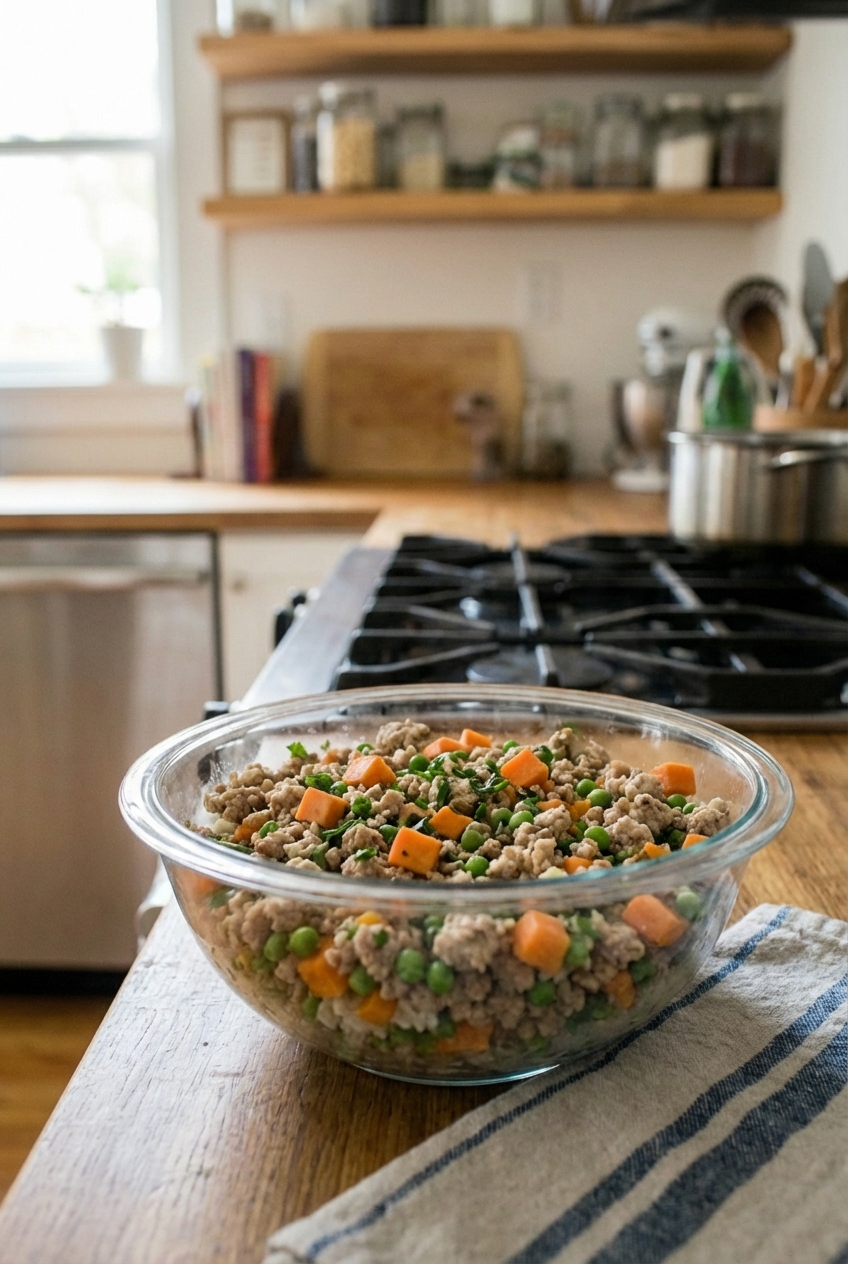
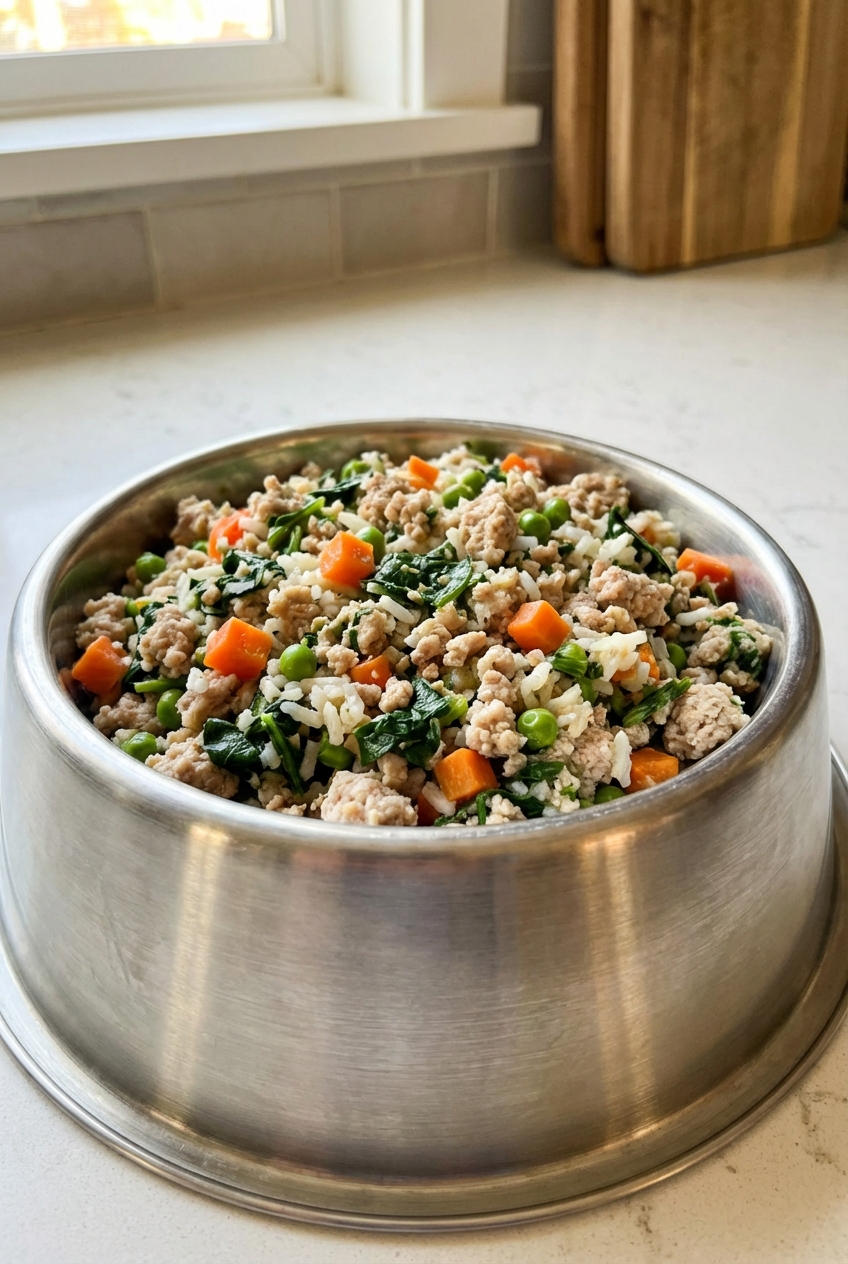
In small culinary amounts, fresh curly parsley or Italian flat-leaf parsley and basil are generally considered dog-safe for most healthy adult dogs. Keep it modest because too much plant material can cause tummy upset. Avoid parsley essential oils and avoid any herb blends that include onion or garlic. If your dog is pregnant, has kidney issues, or you are unsure, check with your vet.
Can I use dried herbs instead of fresh?
Yes, but use less because dried herbs are more concentrated. Swap 1 tablespoon fresh for about 1 teaspoon dried. For this recipe, that means using a pinch to a small sprinkle, then watching how your dog tolerates it.
Can I replace turkey with another protein?
Totally. Lean ground chicken works well. If your dog needs a different option, lean beef can work too, but it is often richer. If your dog has had pancreatitis or needs low-fat meals, choose extra-lean meat, skip the olive oil, and ask your vet for guidance.
How much should I feed?
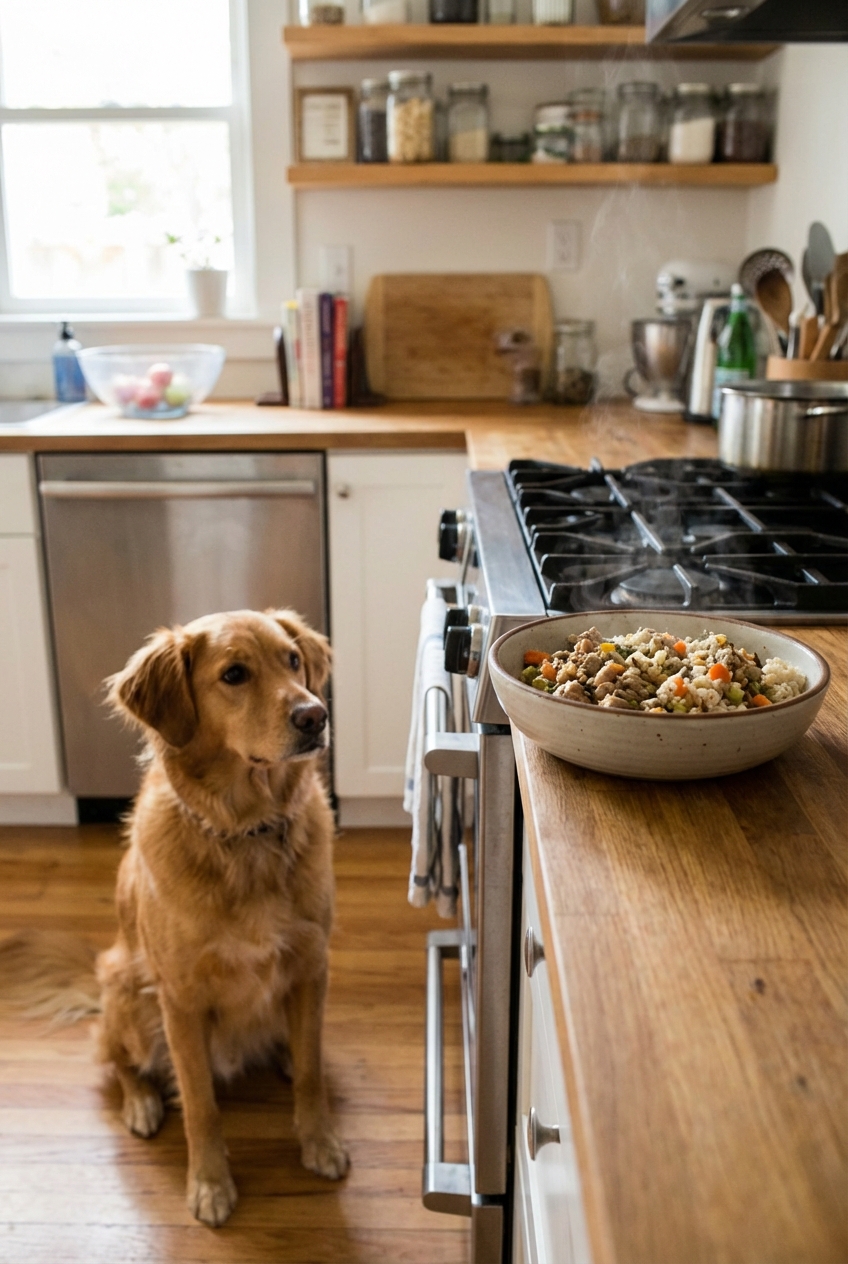
Feeding needs vary by size, age, activity, and whether your dog is also eating kibble. A common starting point for adult dogs is about 2 to 3% of body weight per day, split into meals, but that is a rough heuristic, not a rule. The most useful tools are your dog’s body condition score, stool quality, and your vet’s guidance. If you are using this as a topper, many people start around 10 to 25% of the daily calories and adjust slowly.
If you are switching from kibble, transition slowly over 5 to 7 days. If loose stool, vomiting, itching, or gassiness shows up and does not settle quickly, pause and check in with your vet.
Is this recipe complete and balanced?
As written, no. It is designed as a wholesome home-cooked meal that works well as a topper or short-term rotation. Dogs need the right calcium to phosphorus balance plus specific vitamins and minerals, and that is hard to hit consistently without a formulated plan. If you want to feed homemade as the main diet long-term, ask your veterinarian or a board-certified veterinary nutritionist for a complete-and-balanced recipe (usually including a precise calcium source and a vitamin and mineral plan).
Can I add supplements?
Do not add calcium, fish oil, or multivitamins unless you have a plan from your vet or a veterinary nutritionist. Dogs need the right calcium to phosphorus balance, and it is easy to overdo supplements. If you are feeding homemade long-term, professional formulation is the gold standard.
What should I never add to homemade dog food?
Skip onion, garlic, chives, grapes, raisins, xylitol, chocolate, macadamia nuts, and heavily salted seasonings. Also avoid cooked bones.
My dog gets gassy with peas. What can I do?
Some dogs are sensitive to peas and other legumes. If your dog gets gassy or has soft stool, reduce the peas, swap in a different dog-safe vegetable they tolerate (like green beans), and introduce changes gradually.