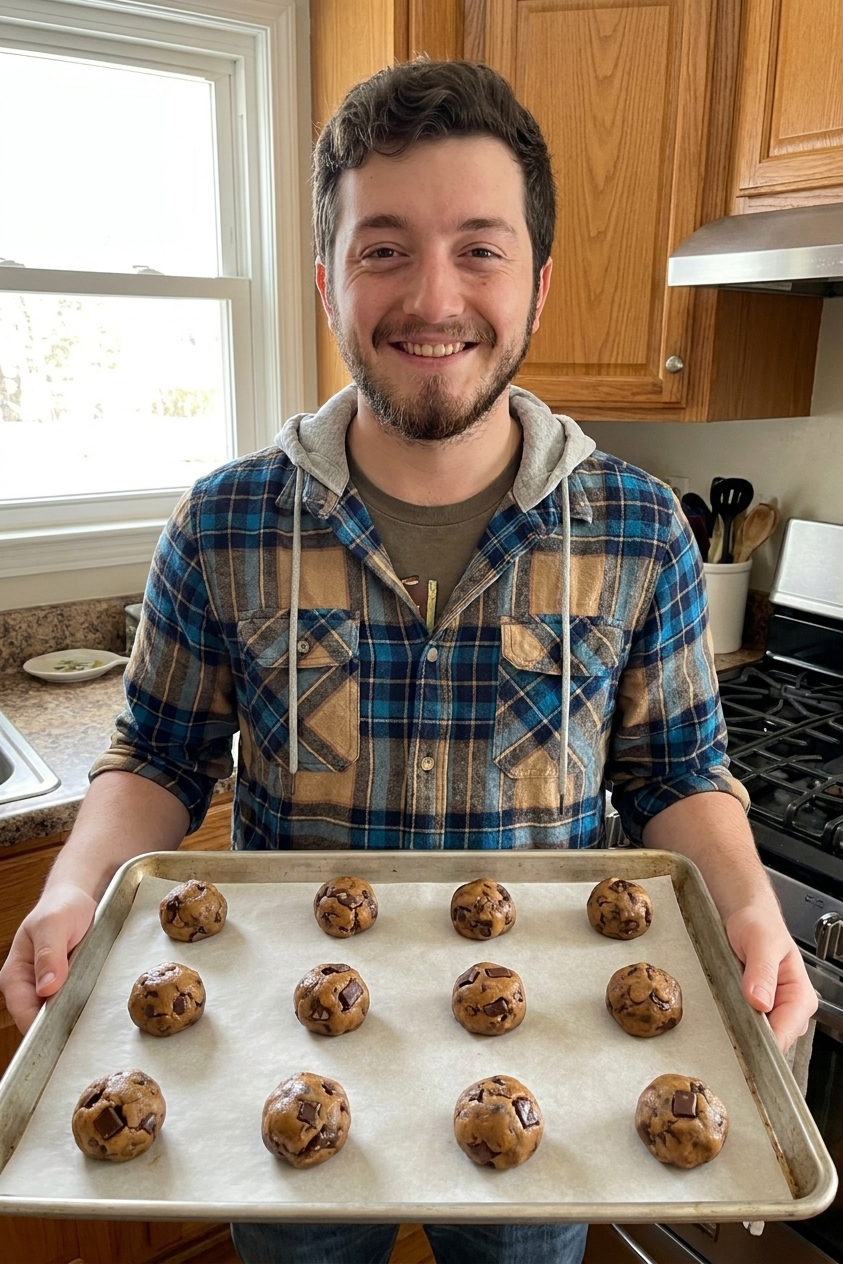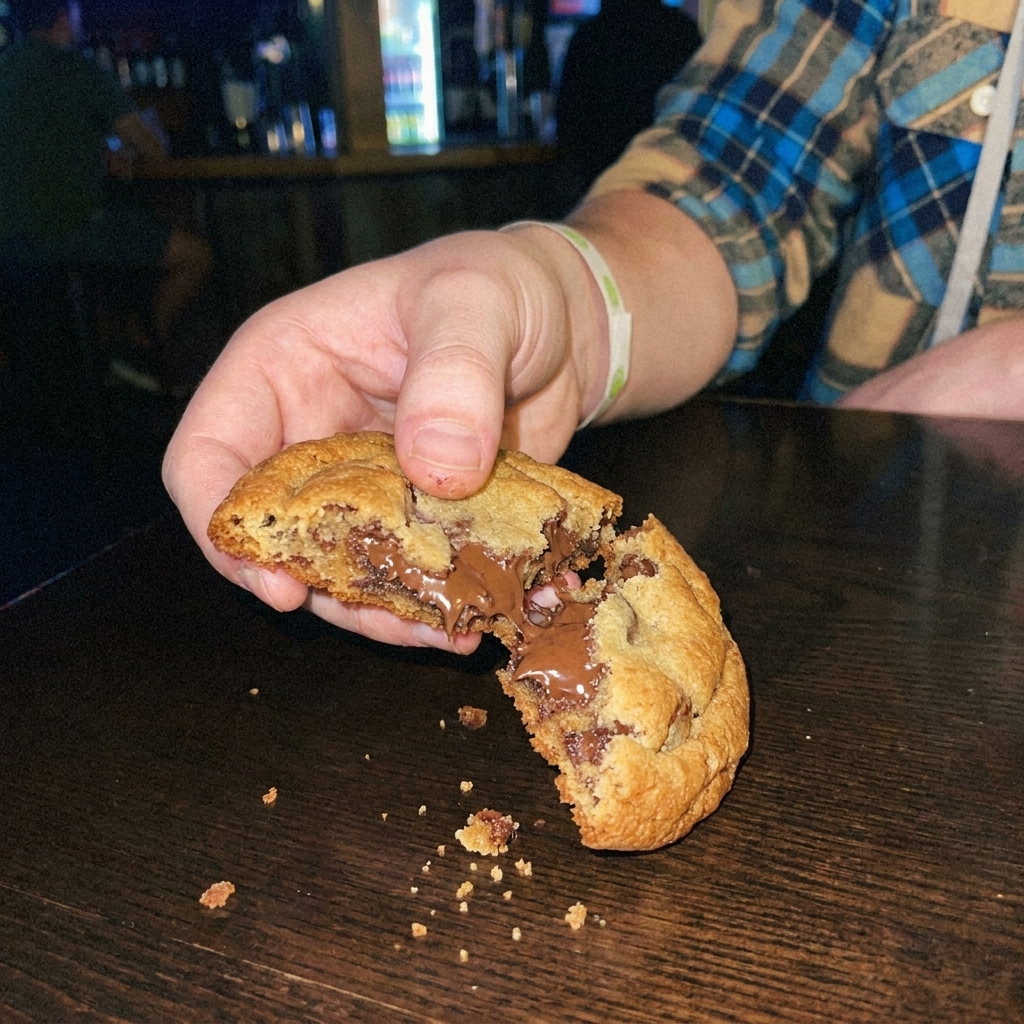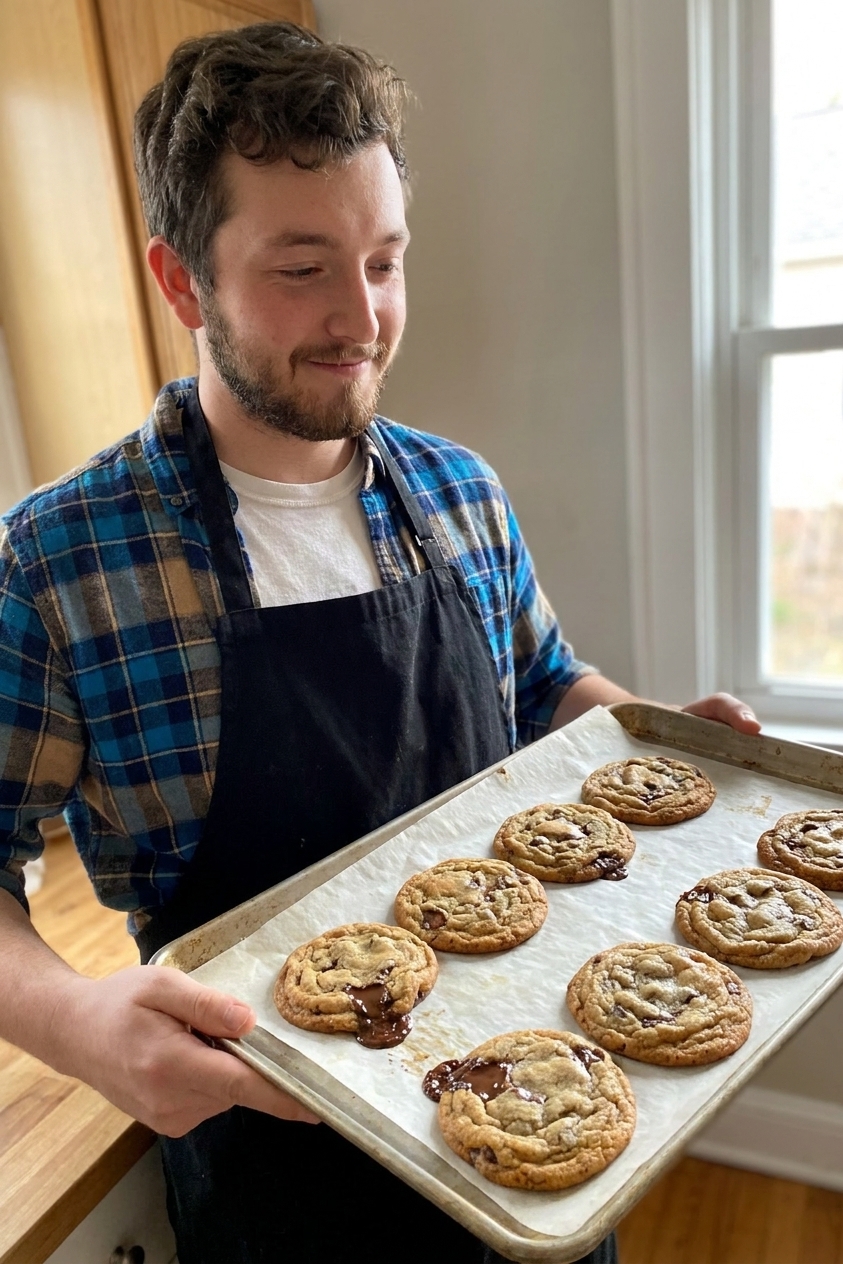
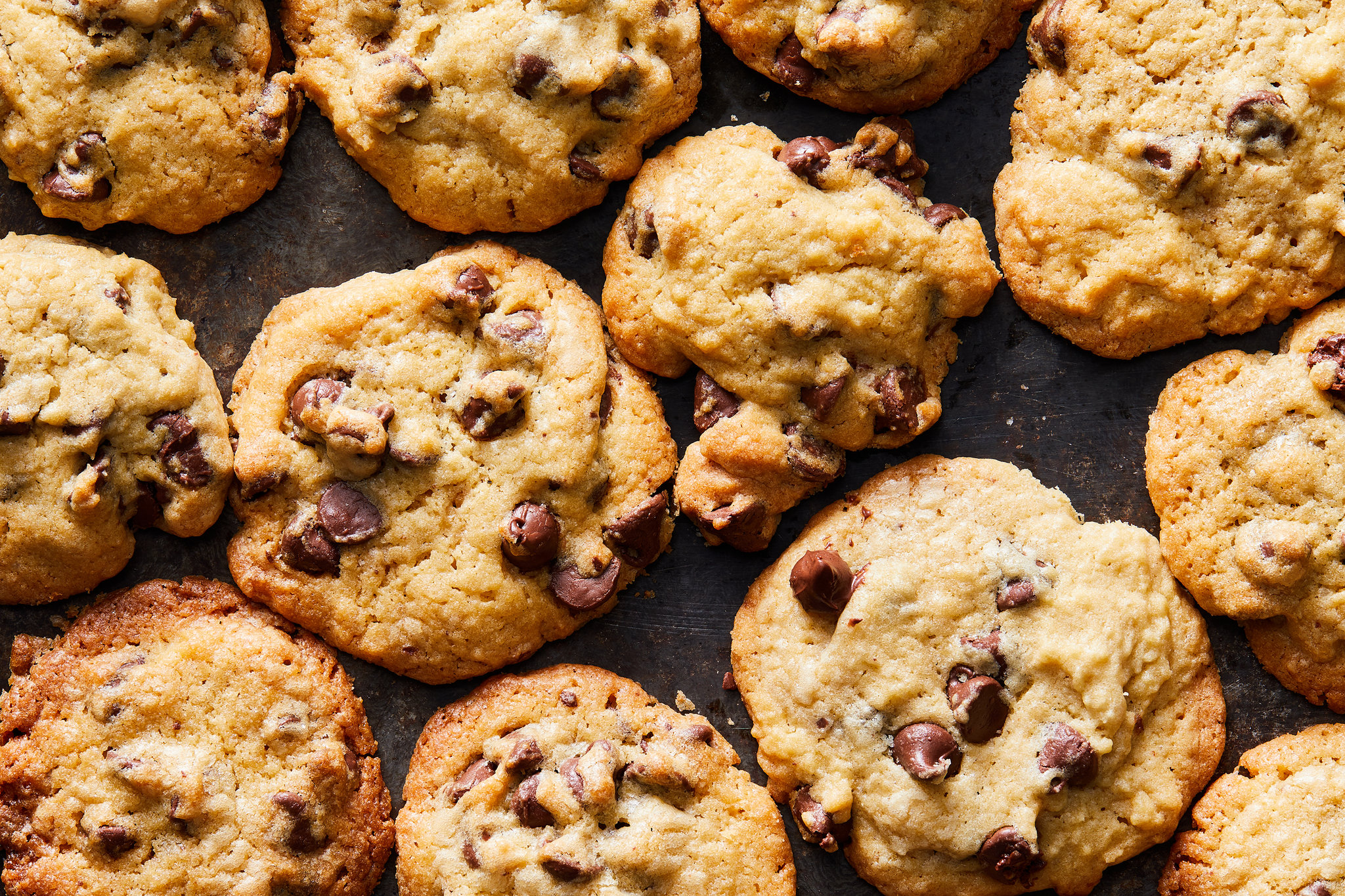
A reliable, family-style Toll House cookie recipe with chewy centers, crisp edges, and simple tips for better texture every time.
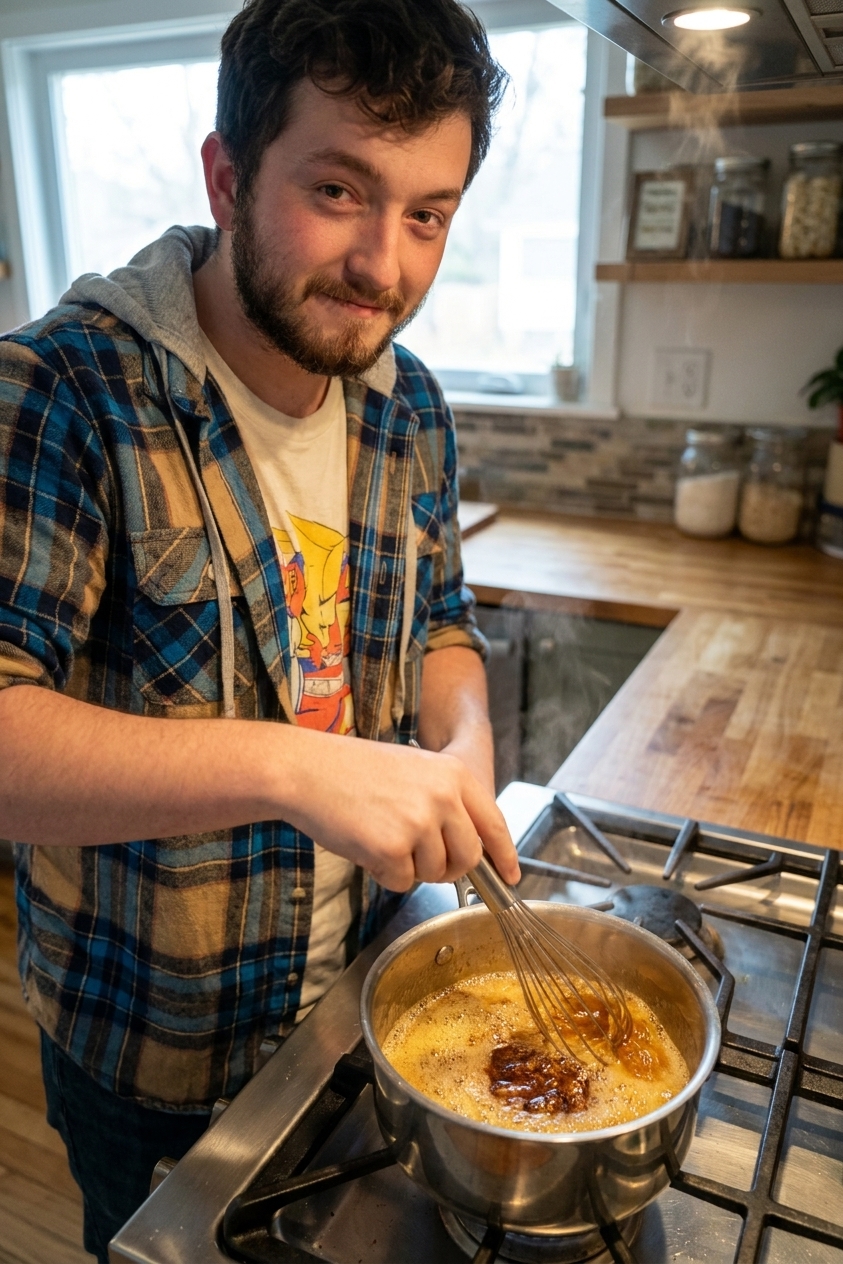
There are a lot of chocolate chip cookie recipes on the internet that are basically the same idea with a different font. This one is not here to pick a fight with those. It is just here to make brown butter the main character and to give you a couple of practical levers you can pull to get the texture you want.
Brown butter brings that toasted, nutty, deep-caramel vibe that makes people pause mid-bite and do the little “wait, what is in this?” head tilt. Then we do one more not-secret trick: a rest for the dough. It hydrates the flour, thickens the dough, and turns a good cookie into a chewy one with better flavor and less spread drama.
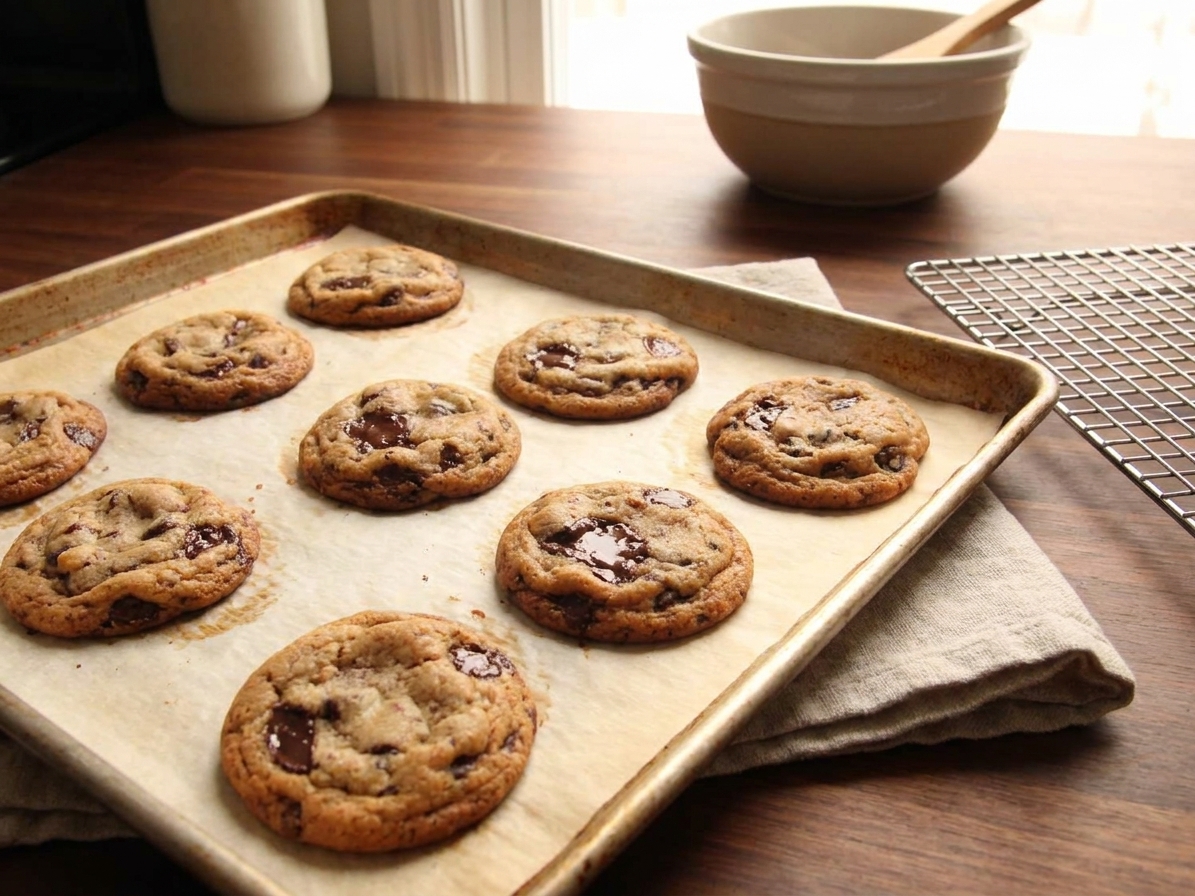
And because ovens have personalities, we are baking with intent. Want more crinkles and soft centers? Higher temp, shorter bake. Want chewy edges with a crisp rim? Slightly lower temp, a touch longer. You are the boss.