Mom's Best Recipes
Recipe

Brown Rice

Fluffy, nutty brown rice (whole-grain rice) with clear stovetop timing, plus easy ways to season it for weeknight bowls, stir-fries, and meal prep.

Author By Matt Campbell
4.8
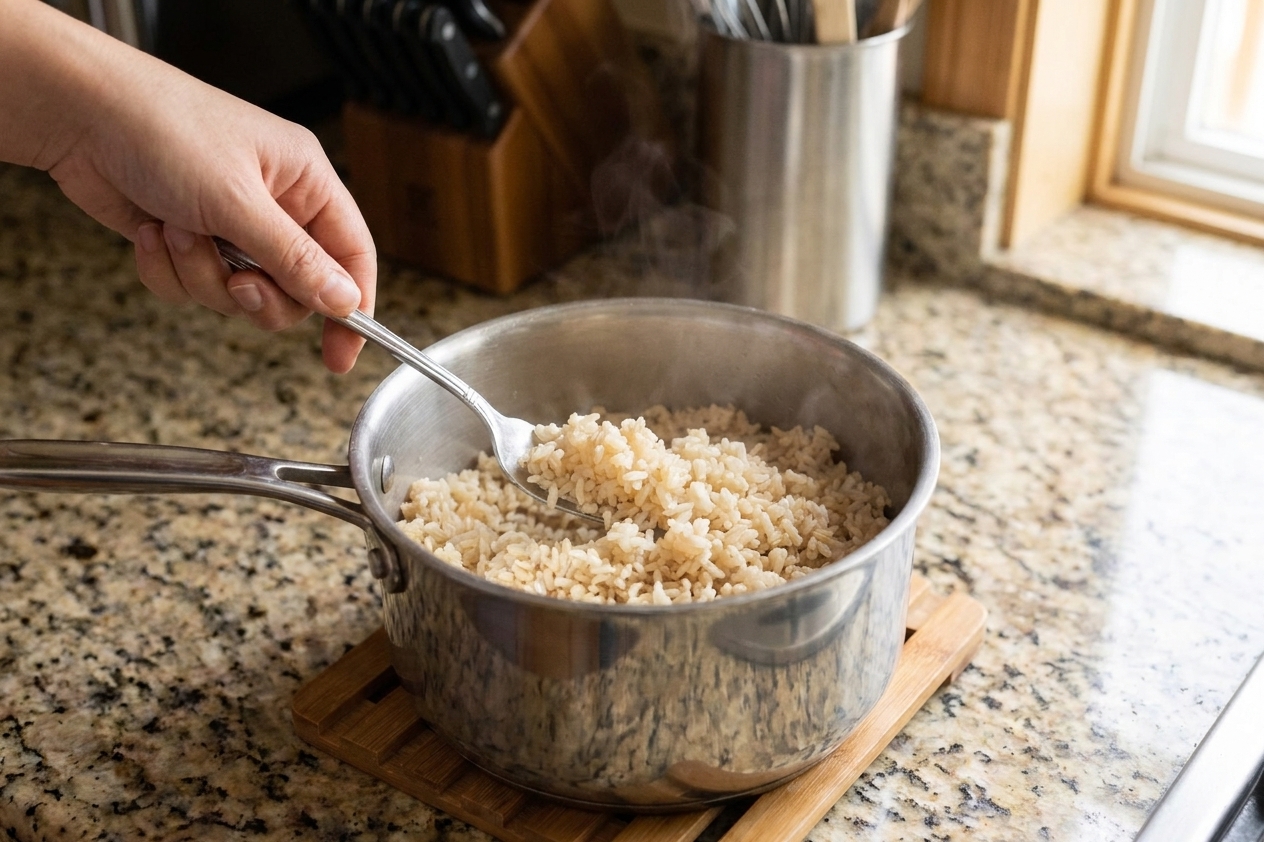
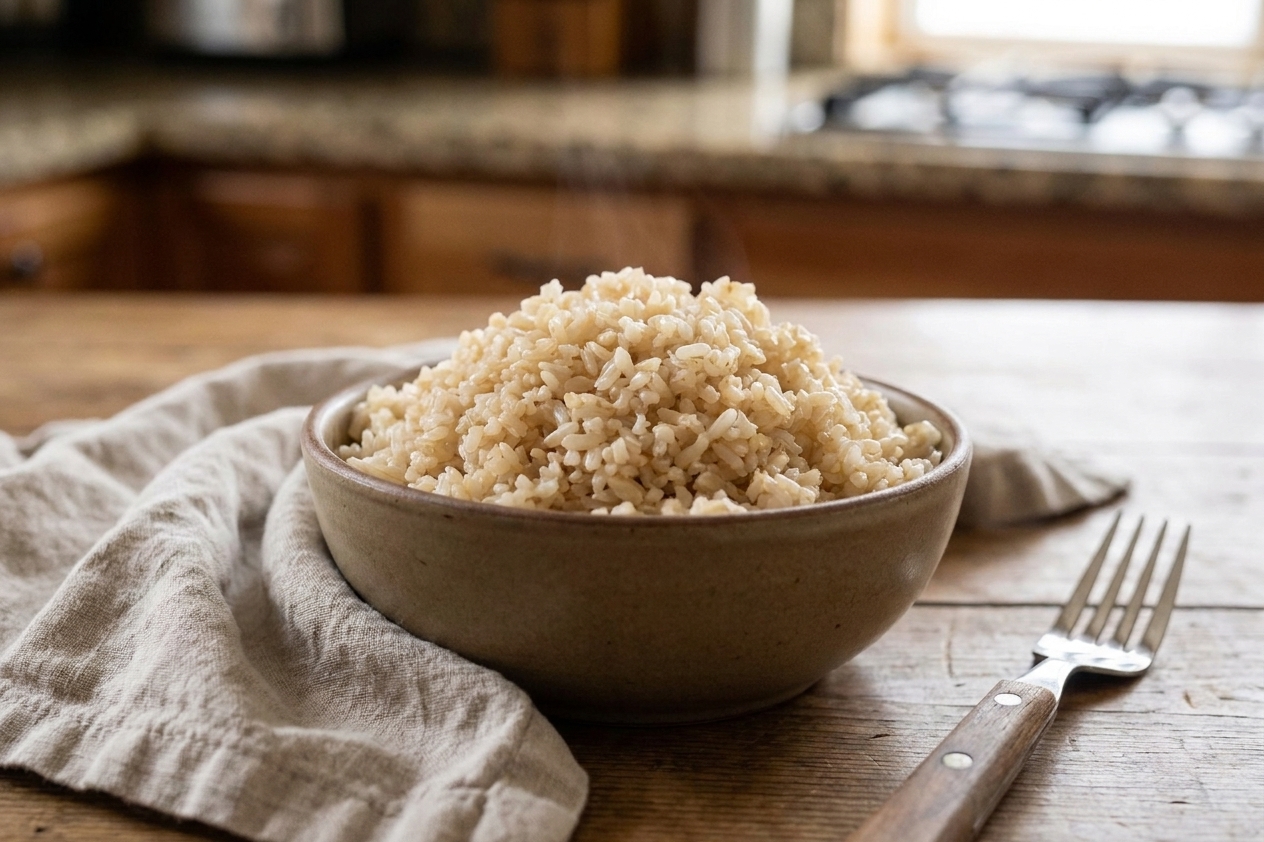
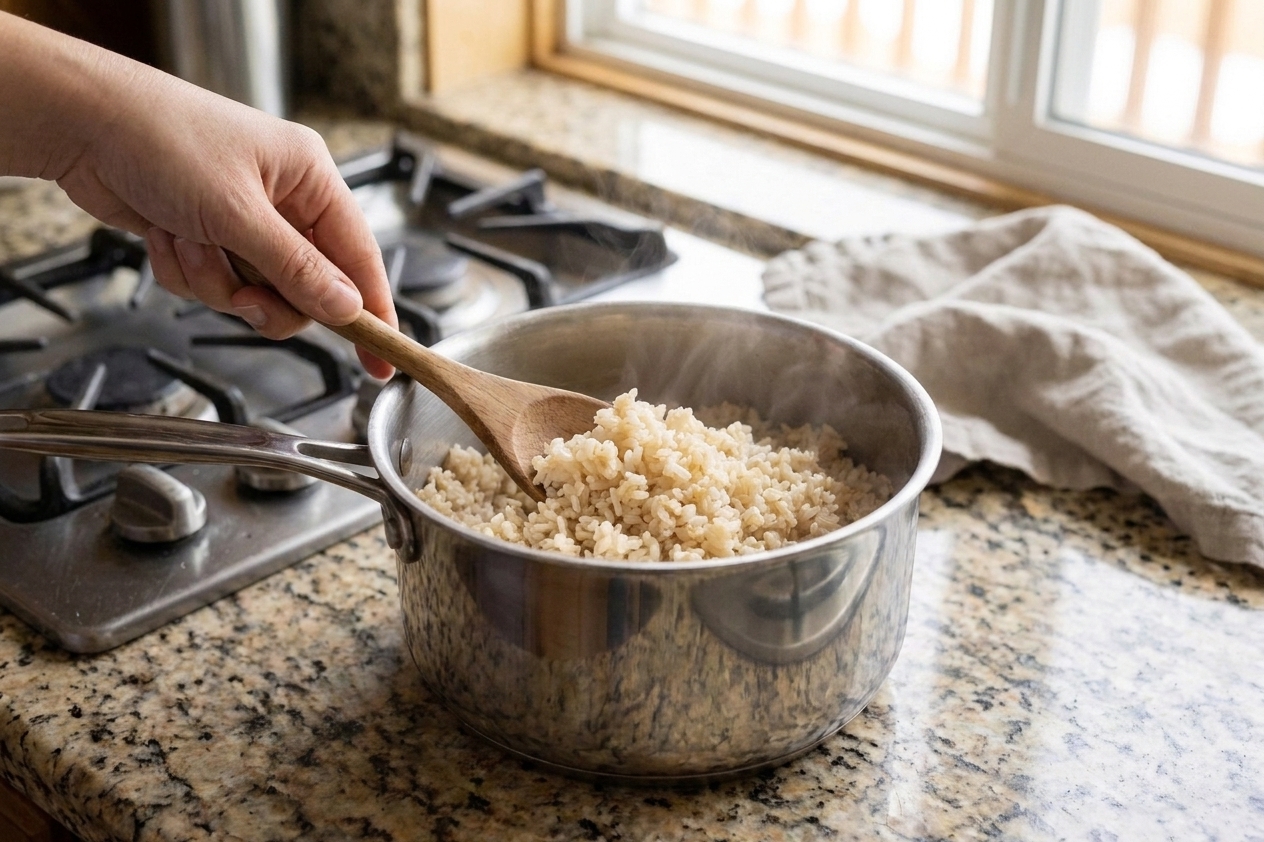
A pot of fluffy brown rice with visible steam and a wooden spoon resting nearby on a warm kitchen counter

Brown rice is one of those quiet kitchen superpowers. It is affordable, filling, and the minute you nail the texture, it turns into the base for everything: quick stir-fries, cozy soups, burrito bowls, and whatever is left in your fridge at 6:15 pm.

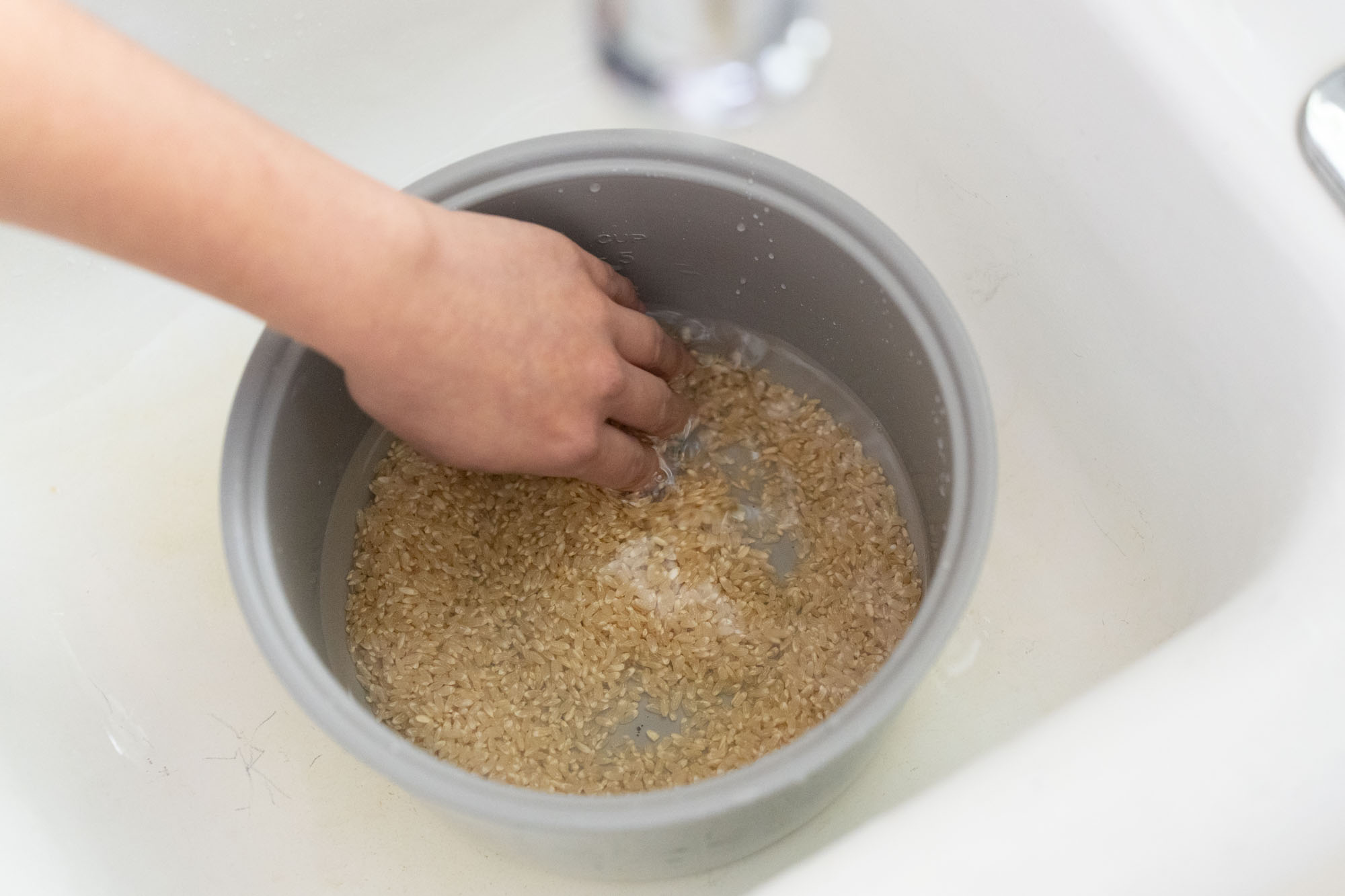
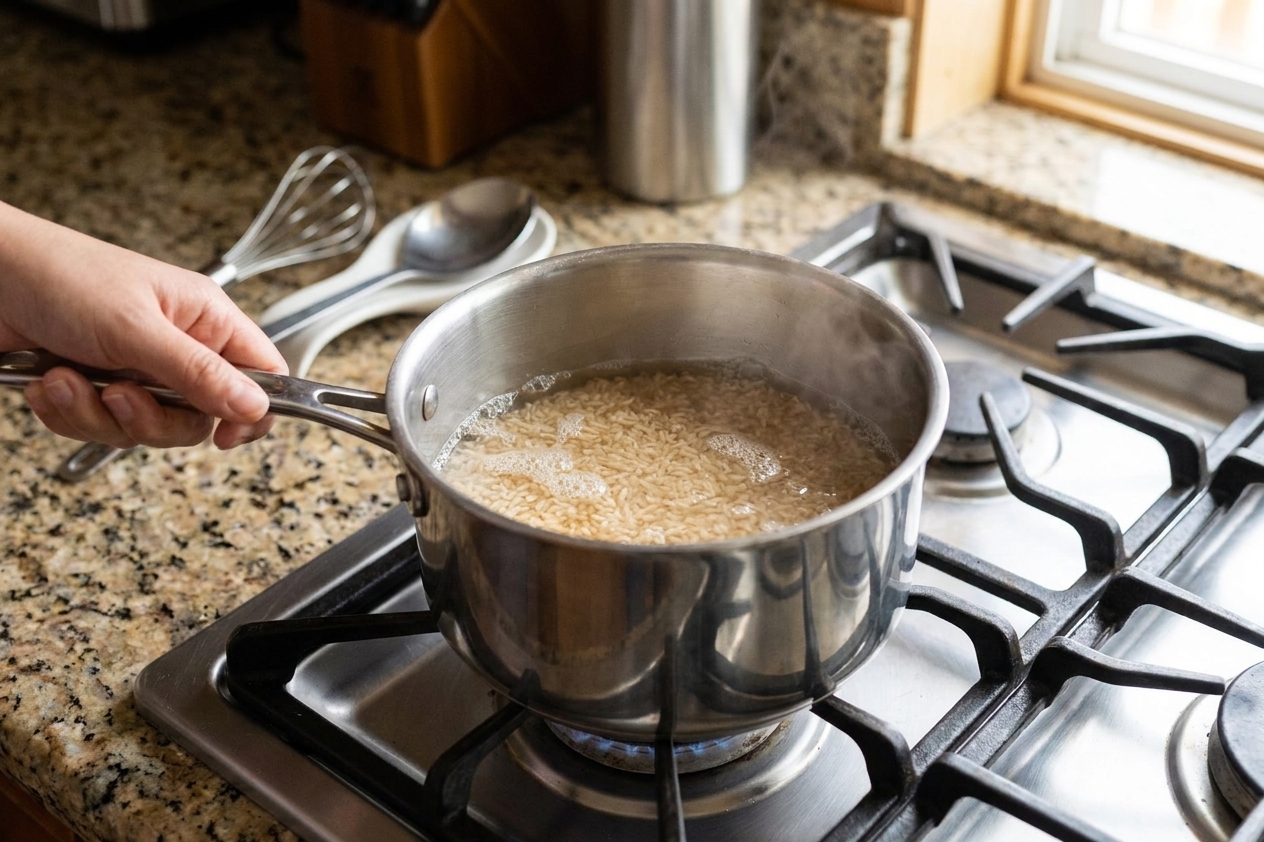
This is my low-drama method for brown rice (whole-grain rice) on the stovetop. We rinse (yes, it matters), use a dependable water ratio, and let it steam at the end so the grains finish fluffy instead of soggy. You get that gentle nuttiness and just enough chew to make it feel like real food, not a side you forget about.
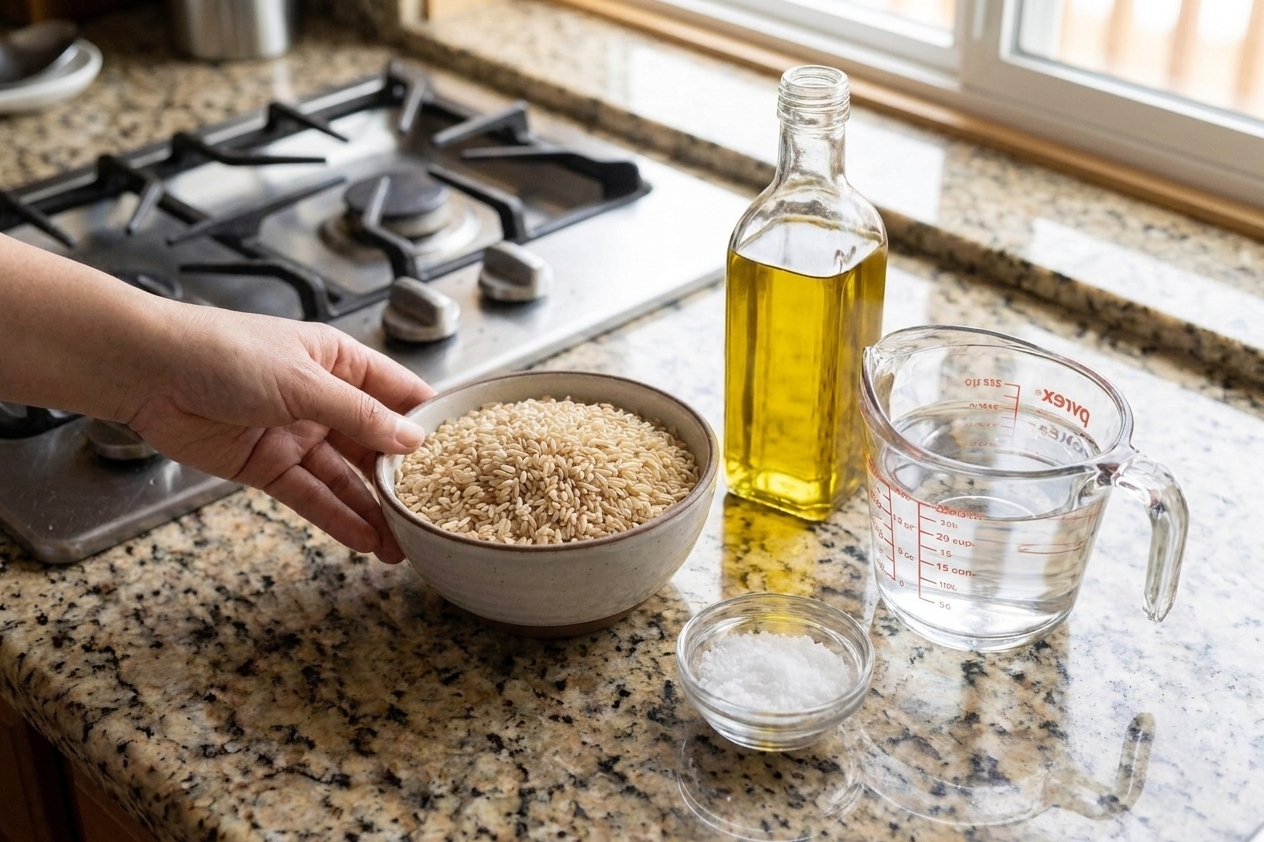
Uncooked brown rice, salt, olive oil, and a measuring cup of water arranged on a clean kitchen counter under soft natural light

Why It Works

  • Fluffy grains, not glue. A quick rinse and a final steam keep brown rice separate and tender.
  • Reliable timing. A steady simmer and a hands-off rest do most of the work.
  • Easy to season. A little fat and salt make the rice taste good on its own, then you can take it anywhere from garlicky to herby to coconut.
  • Meal-prep friendly. This holds well in the fridge and freezes like a champ.

Pairs Well With

Storage Tips

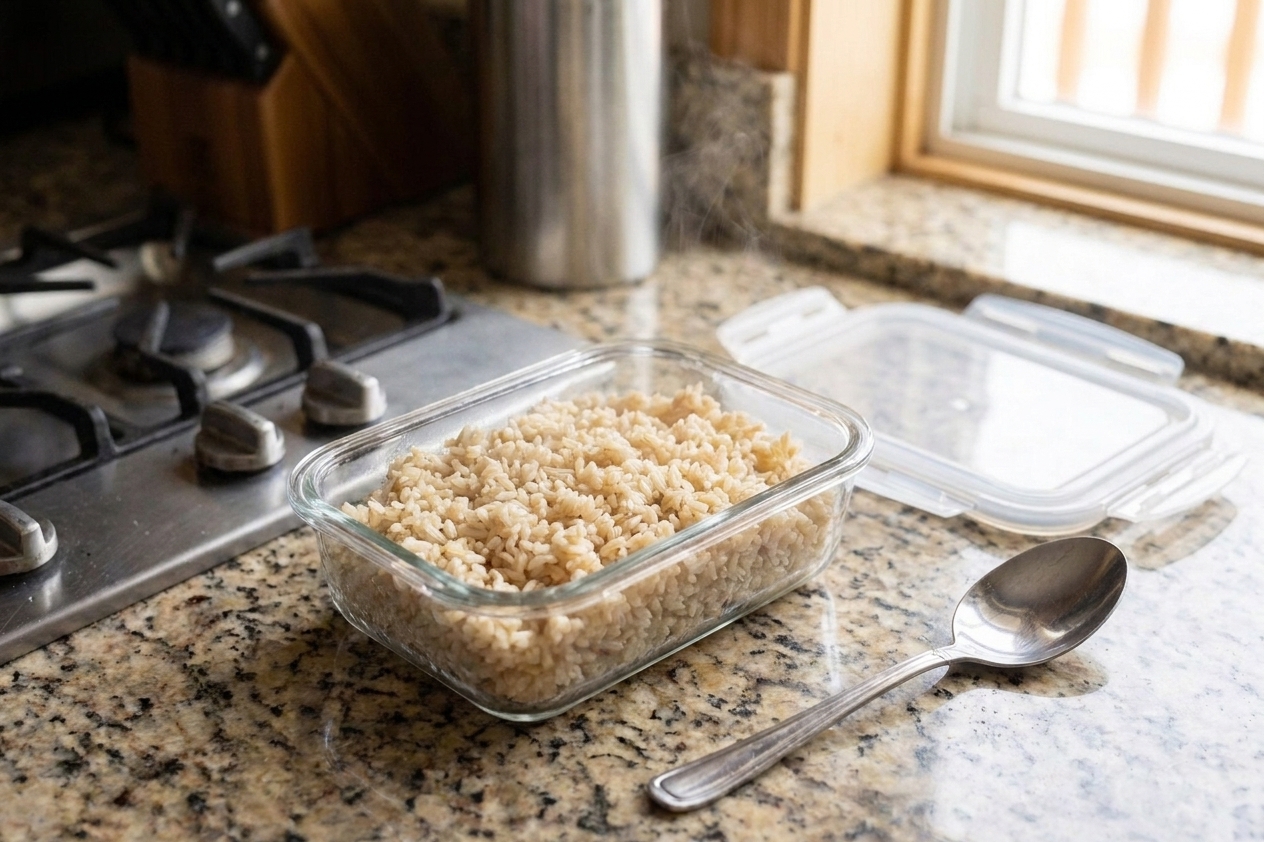
Cool it fast: Spread leftover rice on a sheet pan or a wide plate for 10 to 15 minutes so it cools quickly, then store. For best food safety, aim to get it cooled and refrigerated within 1 to 2 hours.

Refrigerate: Store in an airtight container for up to 4 days.

Freeze: Portion into freezer bags or containers and freeze up to 3 months. Flatten bags so they stack neatly and thaw faster.

Reheat: Add a splash of water (1 to 2 tablespoons per cup of rice), cover, and microwave until hot, stirring once. On the stove, warm in a covered pan with a splash of water over low heat.

A glass meal prep container filled with cooked brown rice on a kitchen counter next to a lid and a spoon

Common Questions

Is whole rice the same as brown rice?

Usually, yes. In everyday cooking, people often use “whole rice” to mean brown rice, which still has the bran and germ. That said, “whole grain rice” can also include other intact rices (like red or black rice), and labels vary by brand.

Do I really need to rinse brown rice?

I recommend it. A quick rinse removes extra surface starch and any dusty bits from storage, which helps prevent a gummy texture.

Why is my brown rice still hard after cooking?

Usually one of three things: the simmer was too low, the lid was not tight, or it simply needed a little more time (some brands and grain types do). If the water is absorbed but the grains are still firm, add 2 to 3 tablespoons water, cover, and cook 5 to 10 more minutes, then rest off heat.

Why is it mushy?

Too much water, too vigorous of a boil, or too much stirring. Keep it at a gentle simmer, do not stir once it is covered, and let it steam at the end.

Can I cook it without oil or butter?

Yes. The fat is for flavor and a little extra separation, but the recipe works without it.

Does short-grain brown rice cook the same way?

Not always. Short-grain brown rice often needs a bit more water and time, and it naturally cooks up a little stickier. If you are using short-grain, plan on adding a splash more water and a few extra minutes if needed.

When I first started cooking seriously, rice was my “how is this so simple and still so easy to mess up” enemy. I would peek, stir, second-guess the water, and basically helicopter-parent the pot into a sticky situation. Learning to rinse, simmer gently, then walk away was the turning point. Now brown rice is my weeknight safety net. If I have a container of it in the fridge, dinner is never that far away.