Mom's Best Recipes
Recipe

Brown Rice

Fluffy, nutty brown rice cooked simply on the stovetop with easy ratios, real-life tips, and a few safeguards for different varieties.

Author By Matt Campbell
4.8
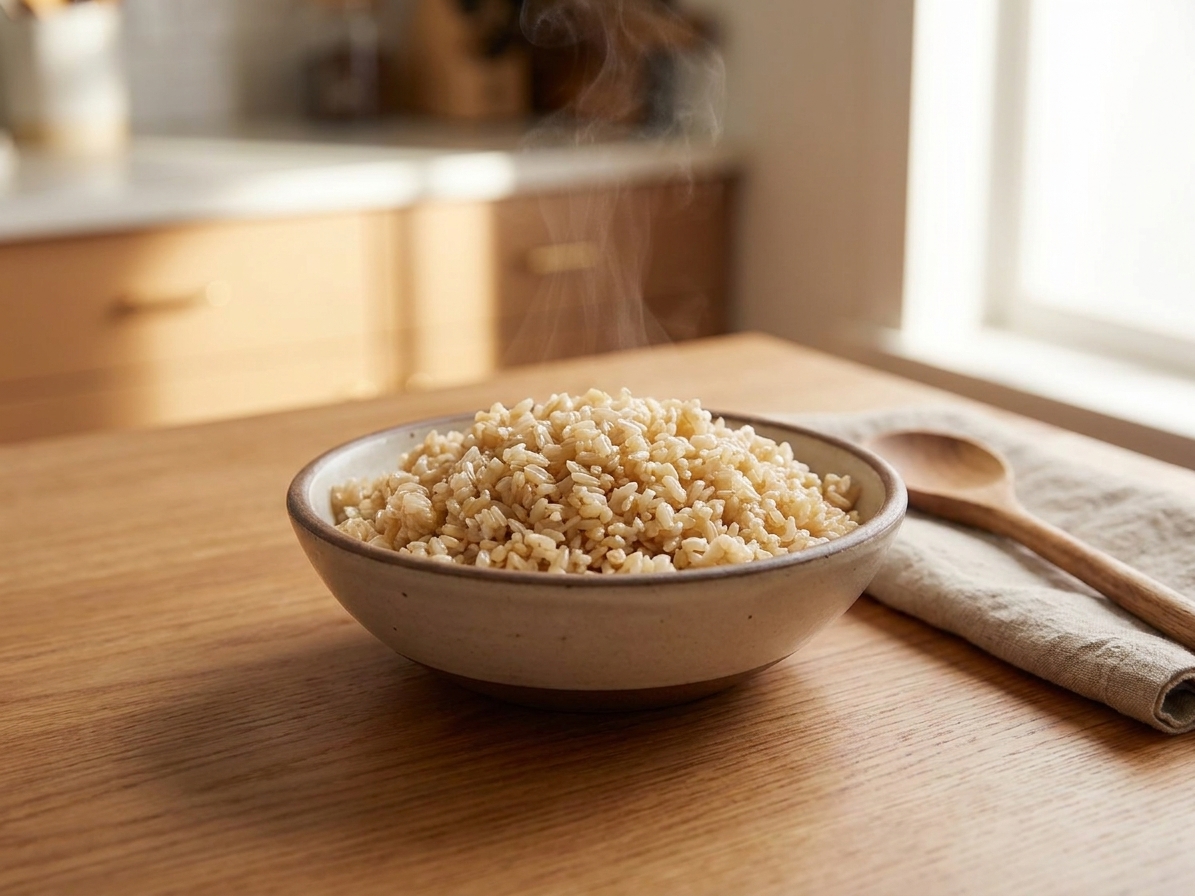
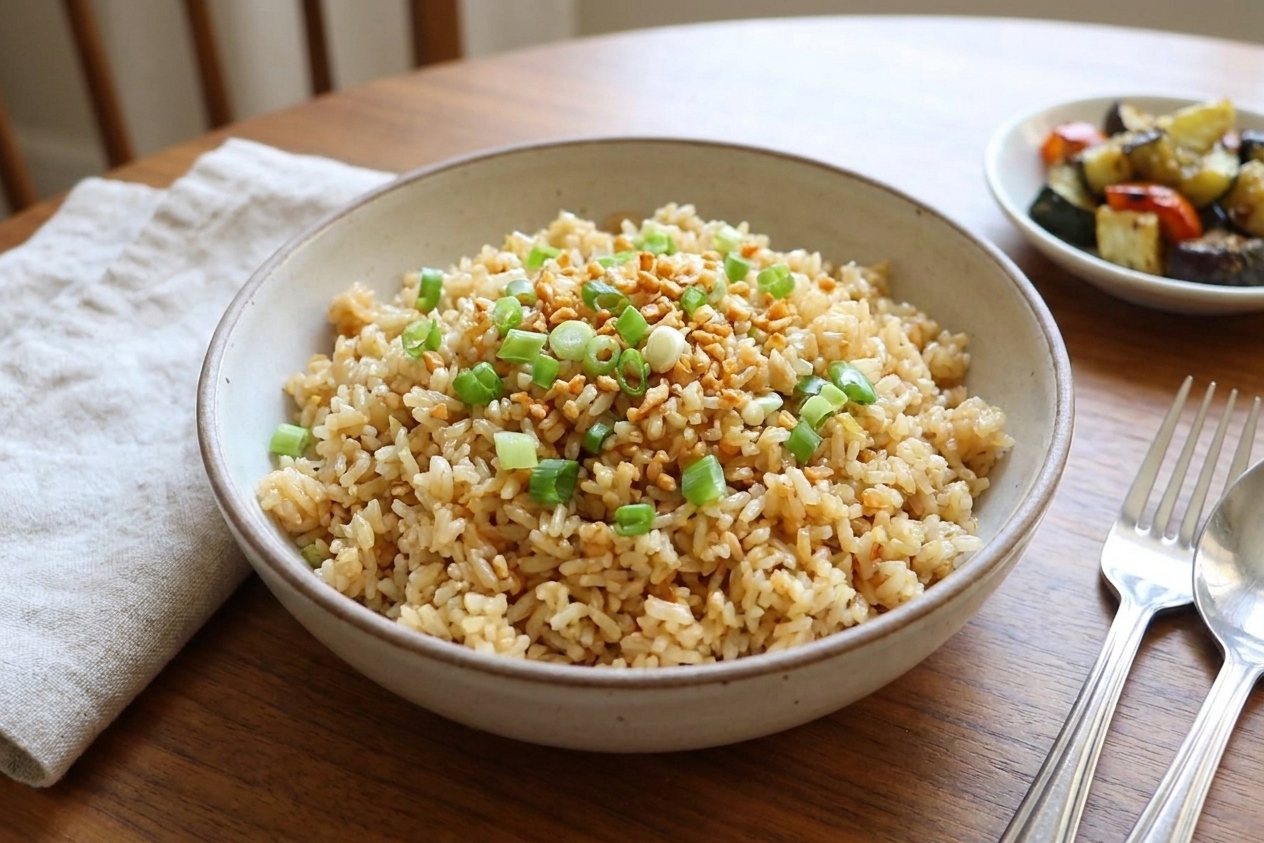
A warm bowl of fluffy brown rice with distinct grains and a light sheen, set on a kitchen table

Brown rice, sometimes labeled integral rice or whole-grain rice, is one of those quiet kitchen staples that makes everything else easier. It is nutty, cozy, and sturdy enough to hold up to saucy dinners, meal prep lunches, and the inevitable fridge clean-out stir-fry. The goal here is simple: tender grains that stay separate, not a pot of gummy rice that needs a fork and a pep talk.

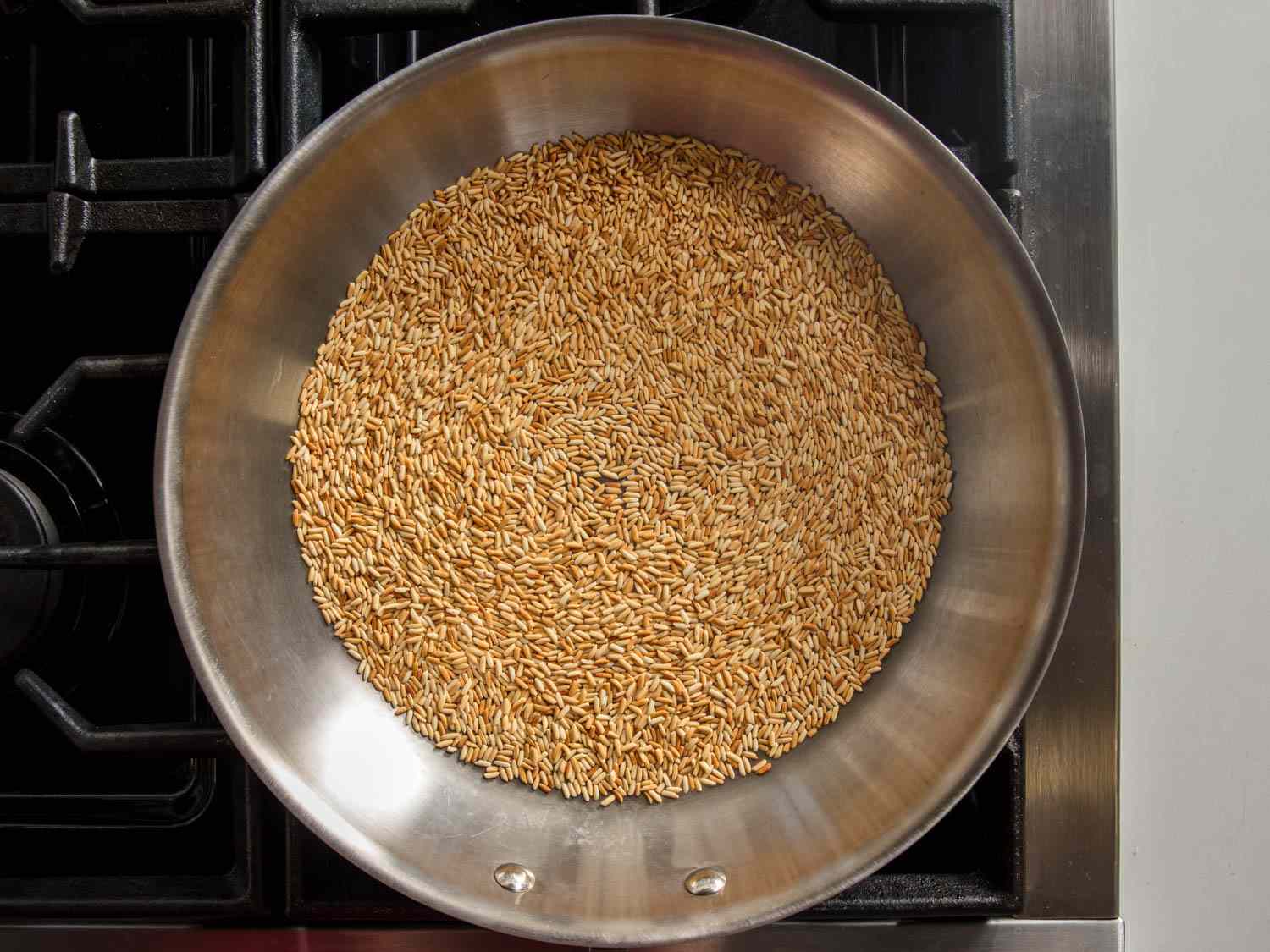
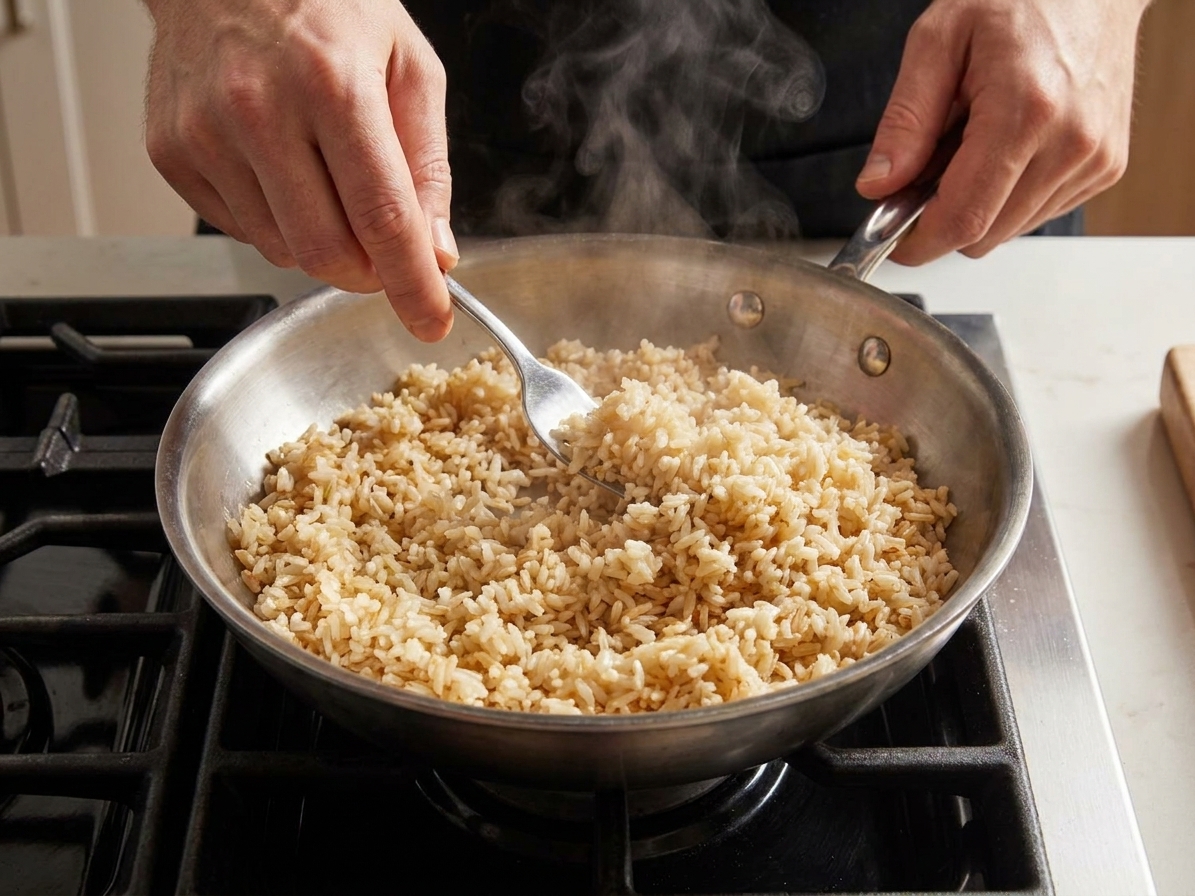
This method is my weeknight default. A quick rinse, a little toast in oil or butter if you feel like it, then a gentle simmer and a rest. That final rest is the difference between “fine” and “okay, wow.”
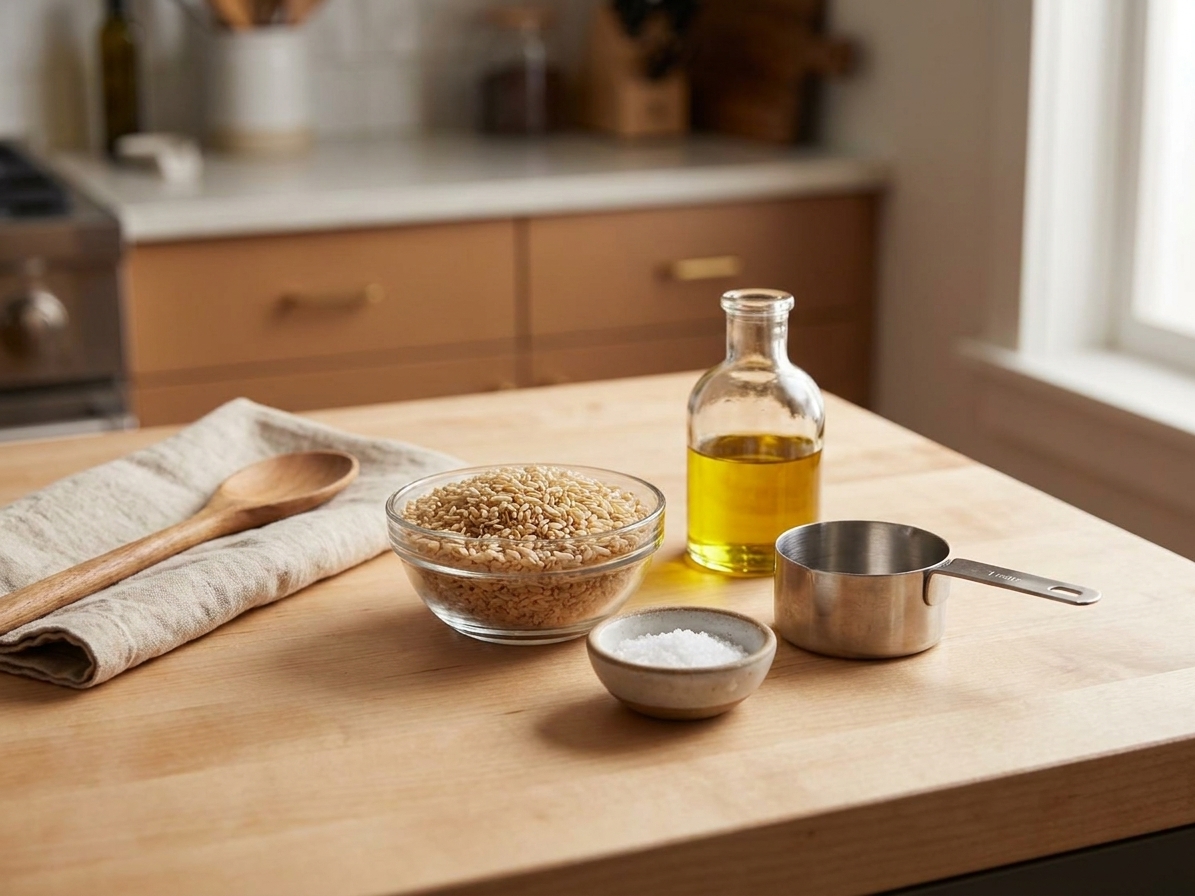
Uncooked brown rice, salt, olive oil, and a measuring cup arranged on a home kitchen counter

Why It Works

  • Clear ratios with flexibility: A dependable starting point, plus how to adjust if your variety needs it.
  • Better flavor with minimal effort: A quick toast step builds a lightly nutty, warm aroma.
  • Resting and fluffing do the heavy lifting: Steam finishes the cook and keeps the texture fluffy.
  • Flexible for real life: Works as a plain base, or you can season it up with garlic, broth, or herbs.

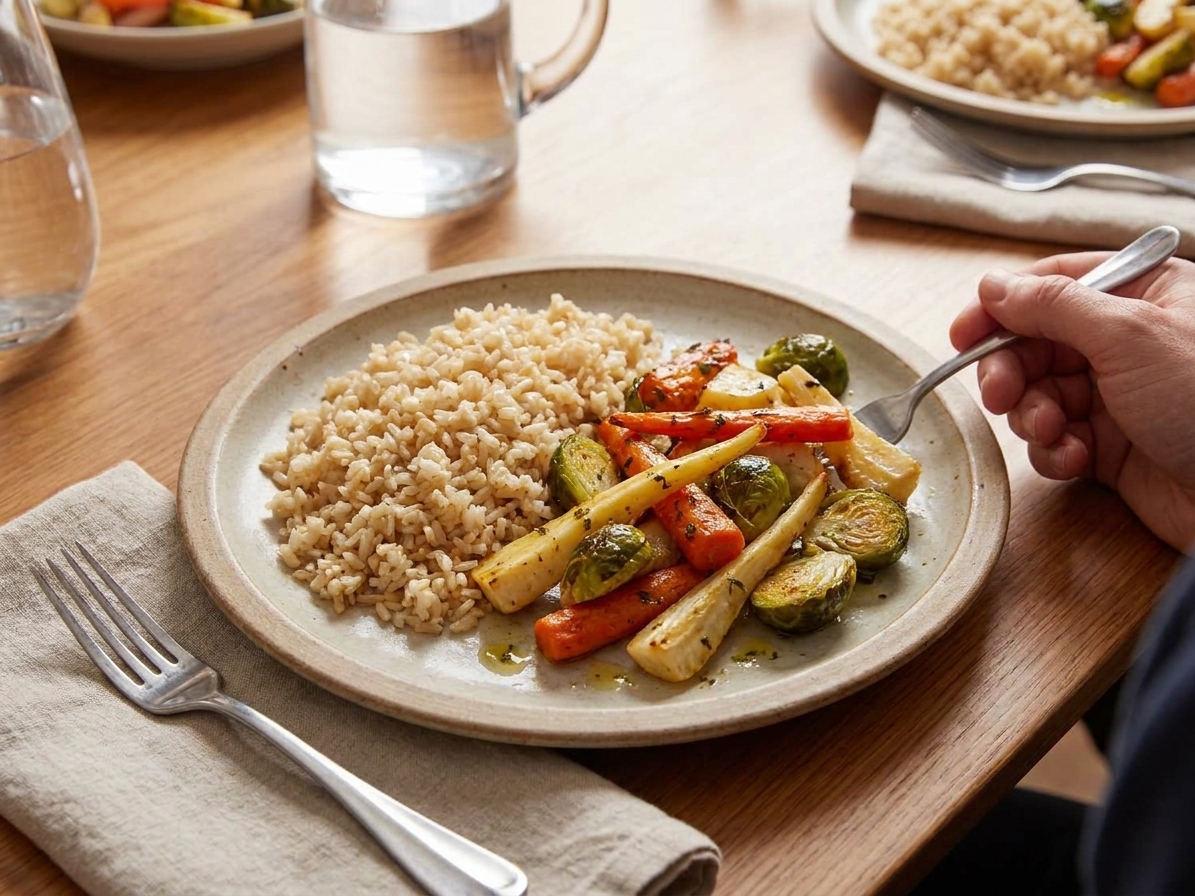
Pairs Well With

Storage Tips

Refrigerate: Cool rice quickly, then store in an airtight container for up to 4 days.

Freeze: Portion into freezer bags or containers (I like 1 to 2 cup portions). Freeze up to 3 months.

Reheat (best texture): Add a splash of water (about 1 tablespoon per cup), cover, and warm in the microwave or in a small saucepan over low heat until hot and steamy.

Food safety note: Refrigerate cooked rice within 2 hours, or within 1 hour if your kitchen is very warm (around 90°F/32°C or hotter).

Common Questions

Is integral rice the same as brown rice?

Yes. “Integral rice” is a common label in many places, and in English it is most often called brown rice or whole-grain rice. This recipe is written for brown rice.

Do I need to rinse brown rice?

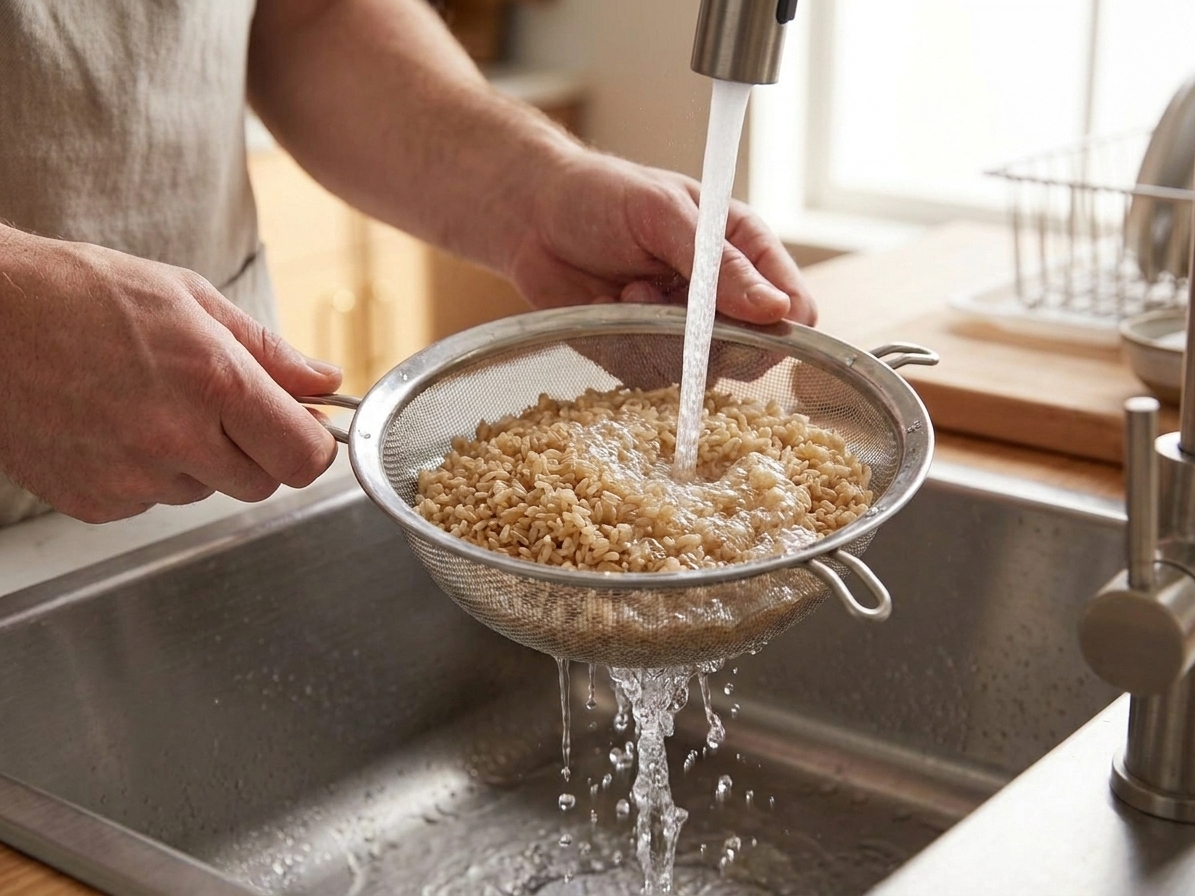
I recommend it. A quick rinse removes excess surface starch so the grains cook up less sticky. Rinse until the water runs closer to clear, then drain well.

What is the best water ratio for brown rice?

For this recipe, start with 1 cup brown rice to 2 cups water. It works well for many long-grain brown rices, but brands and varieties vary. If your package directions are very different, follow those. If your rice still feels a bit firm at the end, add a few tablespoons of hot water and simmer 5 more minutes.

Why is my brown rice mushy?

Most common culprits are too much water, simmering too aggressively, or skipping the rest. Keep it at a gentle simmer, measure the water, and let it rest covered for 10 minutes before fluffing. If your brand runs soft, try 1 3/4 cups water next time.

Can I cook brown rice in broth?

Yes. Swap water for broth for more flavor. If your broth is salty, reduce the added salt and adjust at the end.

How do I make brown rice taste better?

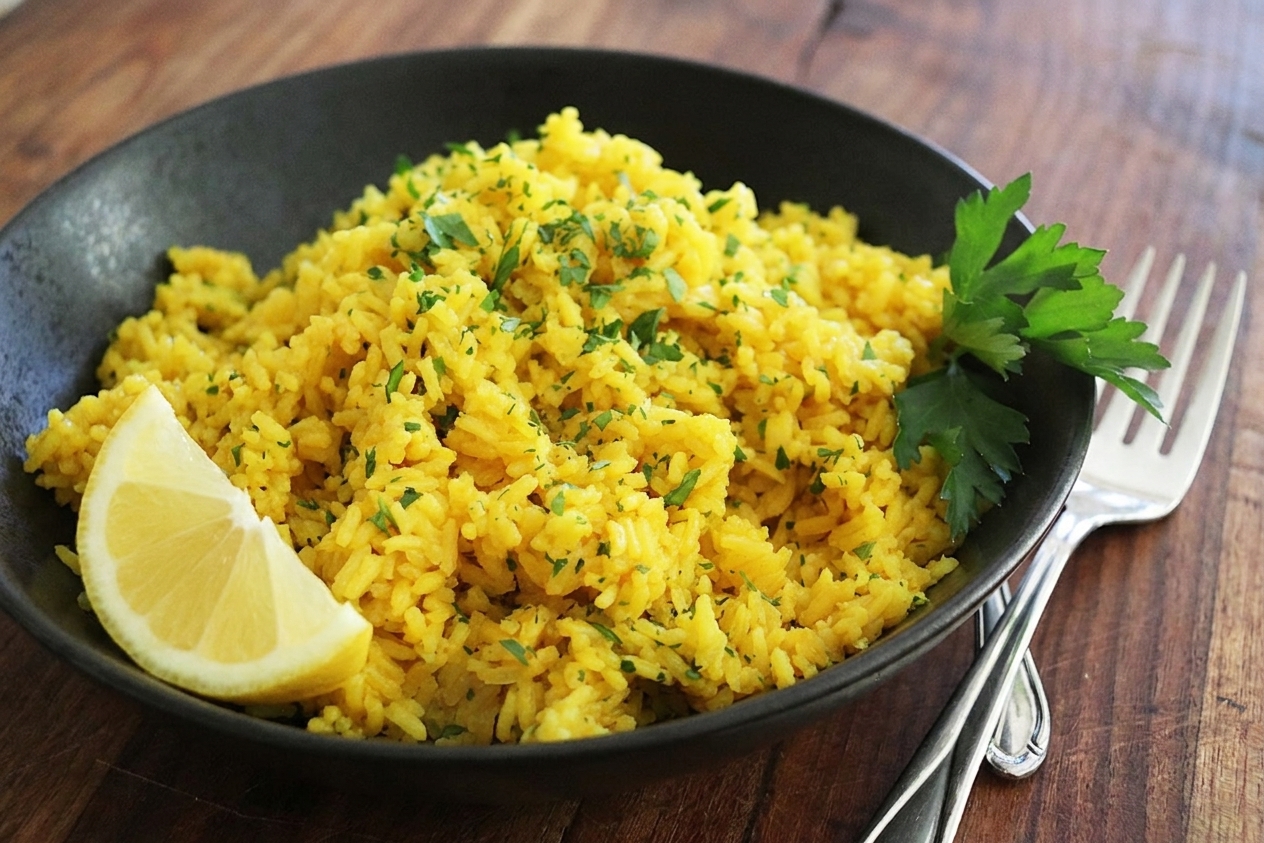
Toast it in oil or butter first, then add a bay leaf, a smashed garlic clove, or a pinch of cumin. Finish with a squeeze of lemon and chopped herbs for a bright upgrade.

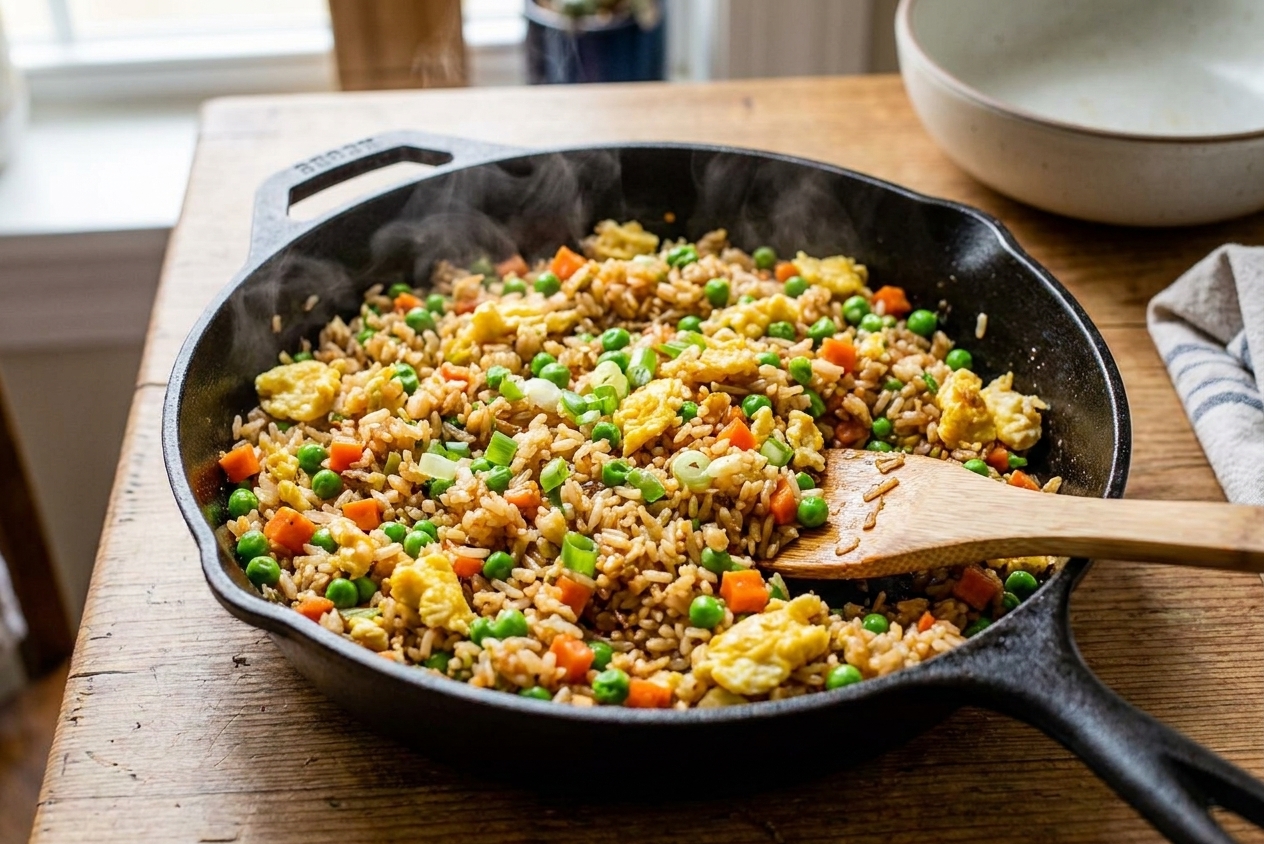
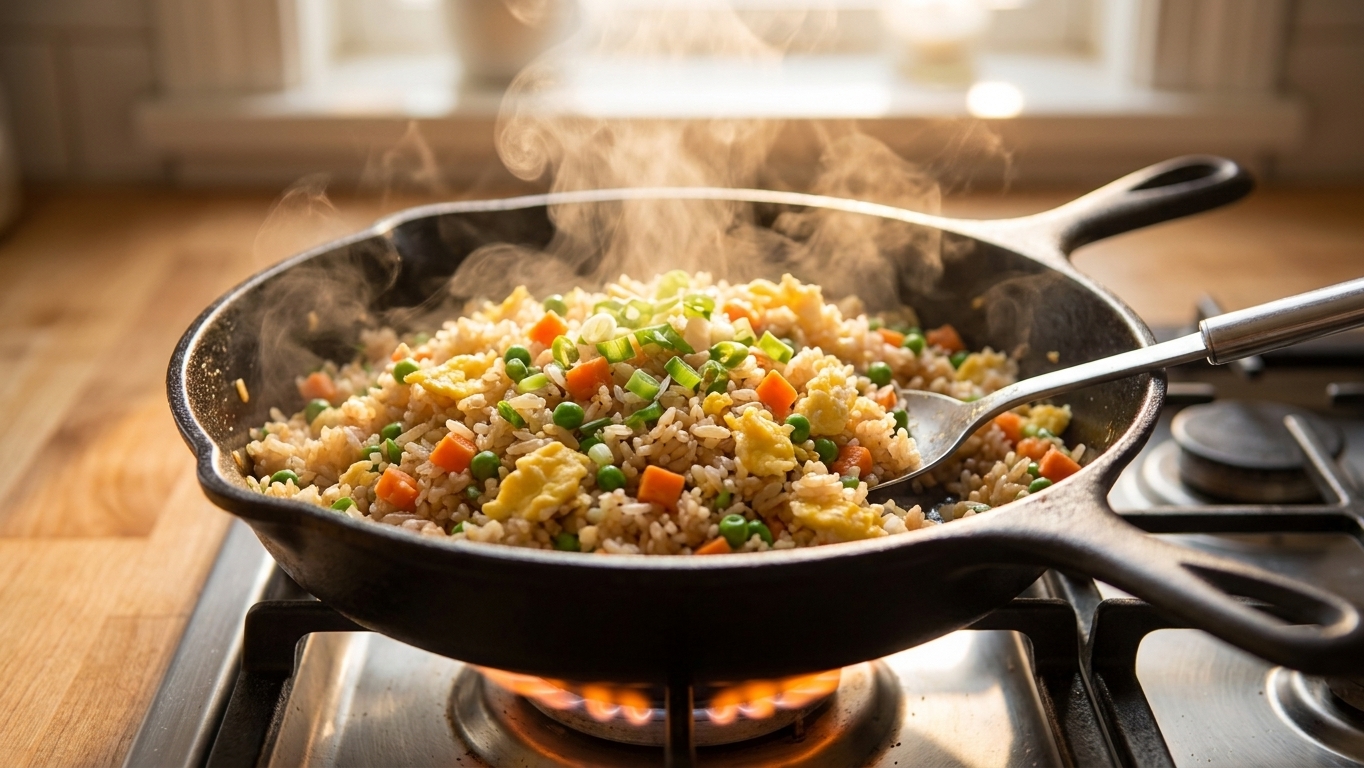
Brown rice is the kind of thing I used to overthink, mostly because I wanted it to behave like white rice. It does not. Once I started treating it like its own thing and giving it the time and the rest it deserves, it became the low-drama backbone of my week. I make a pot, let it cool, and suddenly I have the base for quick burrito bowls, fried rice, or a cozy side for whatever is sizzling in the pan.