What makes brown stew chicken “brown”?
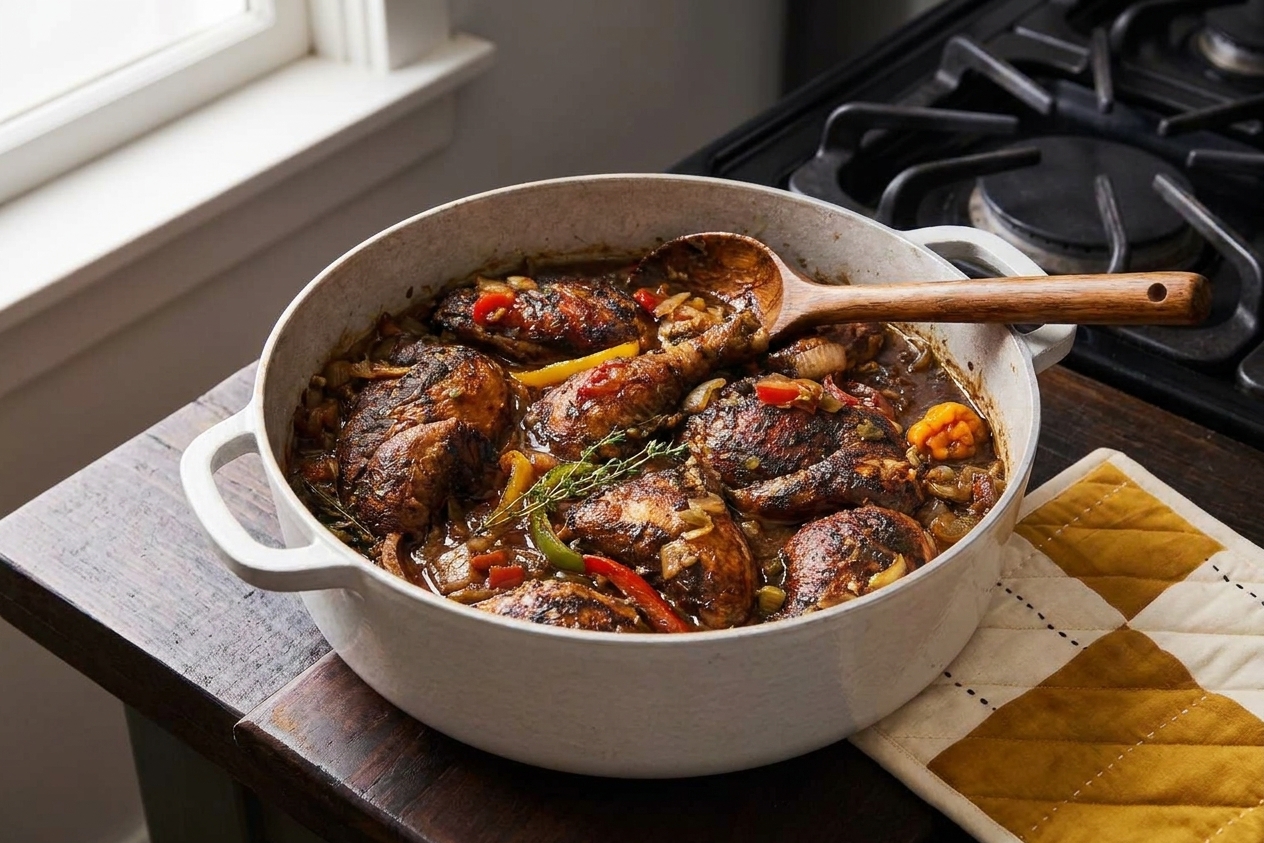
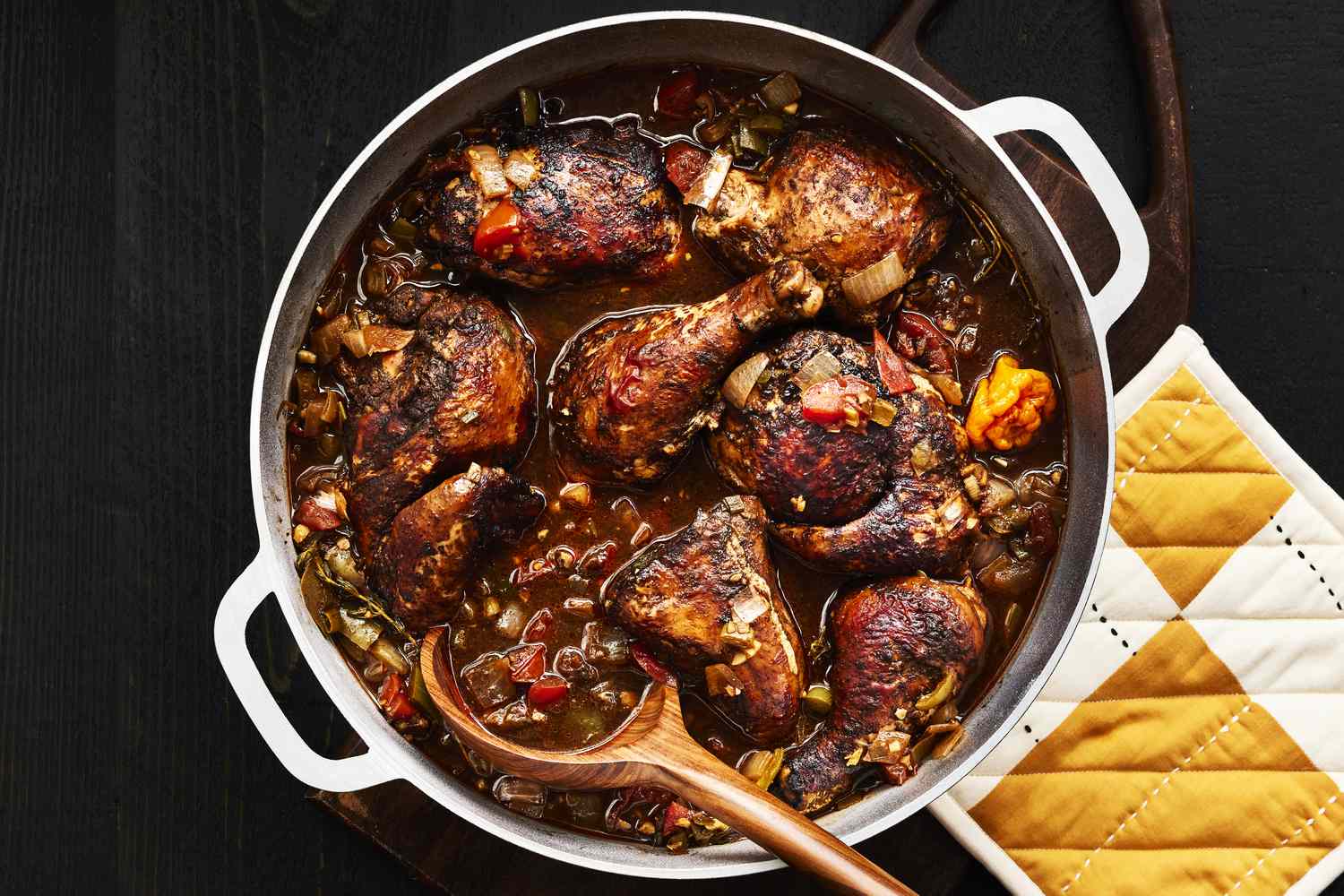
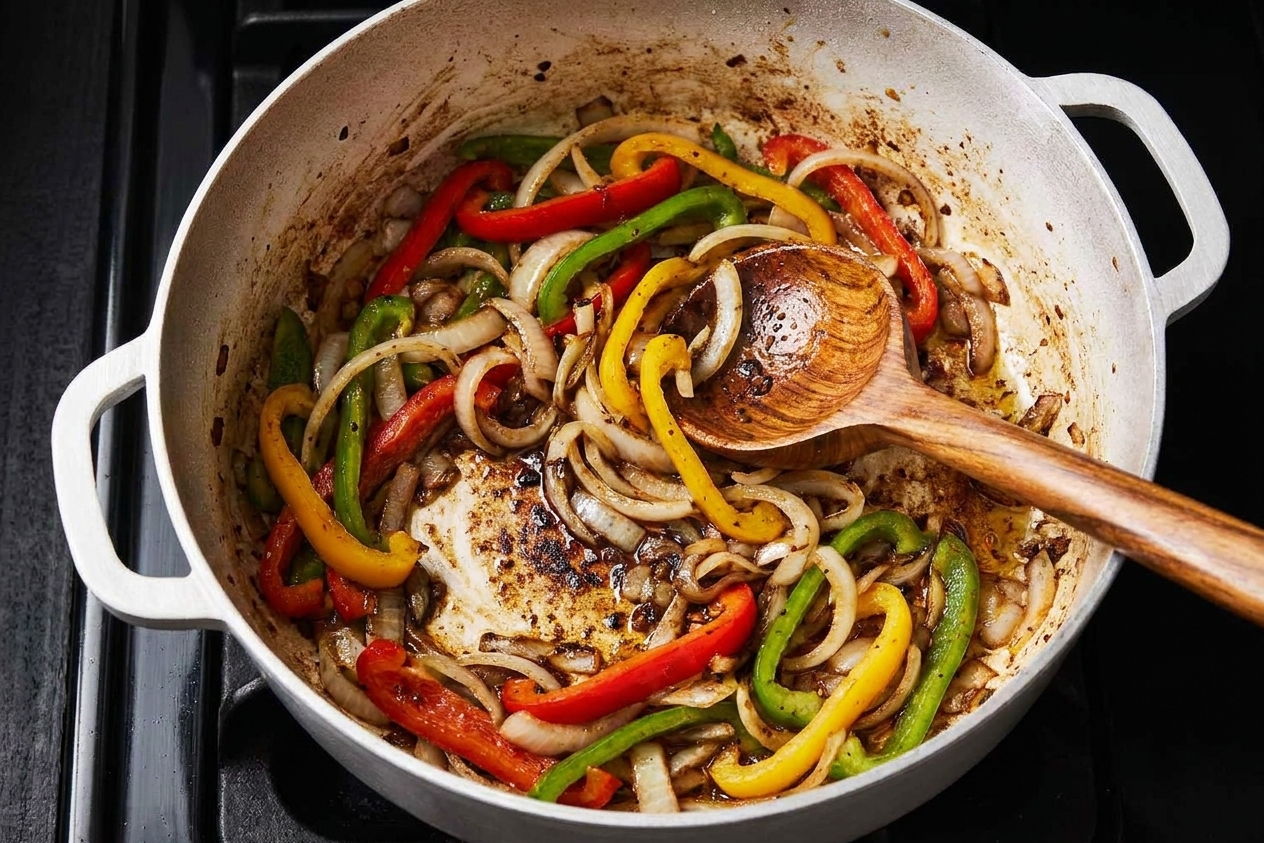
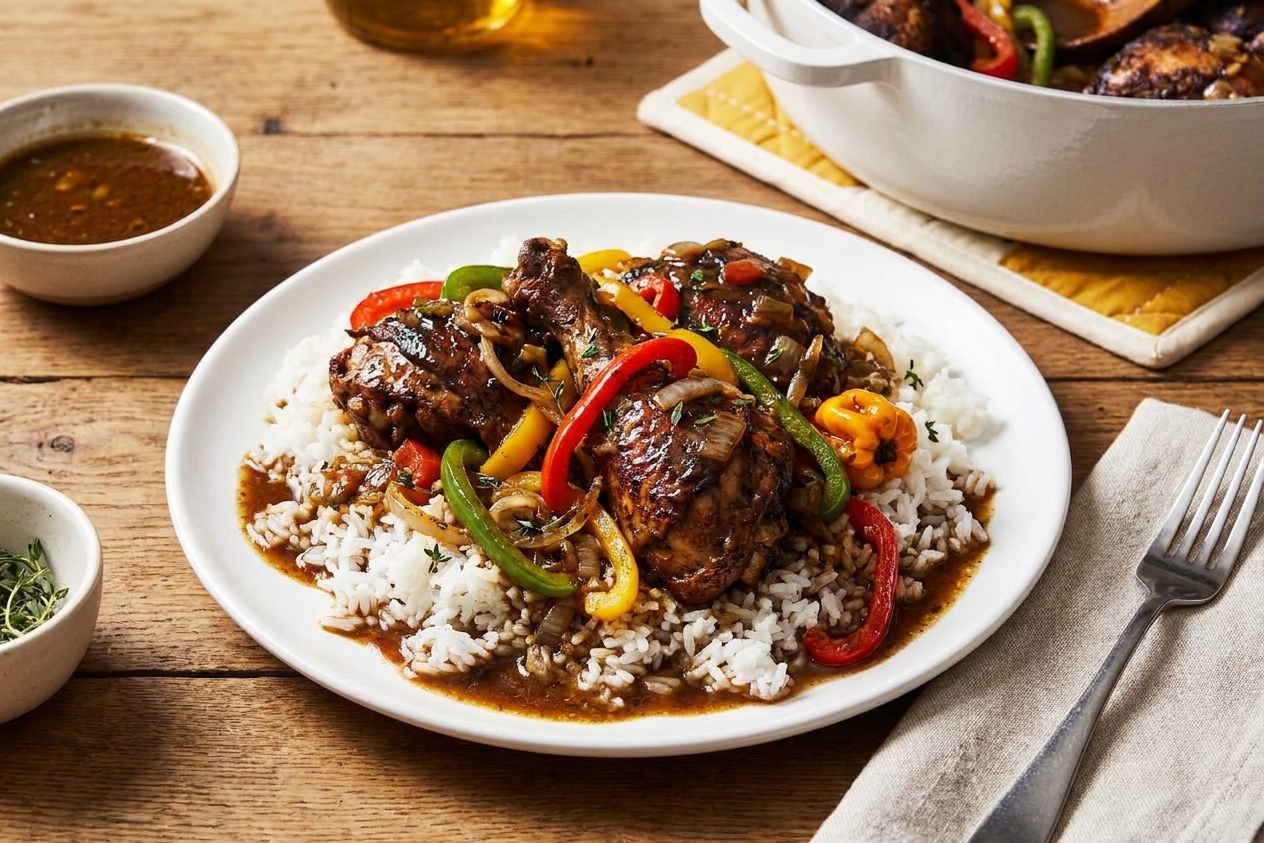
It is all about the color and flavor built from caramelization. Traditionally, many cooks use a small amount of browning sauce (like Grace) to deepen color. You can also get there by caramelizing brown sugar in the pot and then building the stew on top of it. Either way, you are aiming for a rich, dark gravy that tastes toasty, not burnt.
Can I use chicken breast instead of thighs?
You can, but thighs and drumsticks stay juicier during simmering. If you use breast, use boneless, skinless breast cut into 1 1/2-inch chunks and keep the simmer gentle. Start checking around 15 to 20 minutes and pull it as soon as it is cooked through so it does not dry out.
Do I have to marinate the chicken?
No, but marinating for even 30 minutes makes a noticeable difference. If you are short on time, just season it well and let it sit while you chop the veggies.
Is browning sauce the same as soy sauce?
No. Soy sauce adds salt and umami. Browning sauce is mainly for color with a slightly bittersweet, caramel note. If you skip browning sauce, the stew will still taste great, just a bit lighter in color unless you caramelize sugar.
Why is my gravy bitter or too dark?
Most likely the sugar (or fond) got too dark. Next time, pull the pot off the heat the second the sugar turns deep amber. For this batch, add a splash of water and a little more ketchup or a pinch of brown sugar to round it out.
How do I thicken the gravy?
First, uncover for the last 10 minutes to reduce. If you still want it thicker, mix 1 teaspoon cornstarch with 1 tablespoon cold water, then stir in and simmer 1 to 2 minutes.
How do I know the chicken is done?
You are looking for chicken that is tender enough to pull from the bone easily. If you like numbers, thighs and drumsticks are happiest around 175 to 185°F internal temperature.