
Mom's Best Recipes
Recipe

Brown Sugar Garlic Salmon (Easy Glazed)

Oven-baked salmon with a caramelized brown sugar and garlic glaze, finished under the broiler for crisp edges and big sweet-savory flavor.

Author By Matt Campbell
4.8
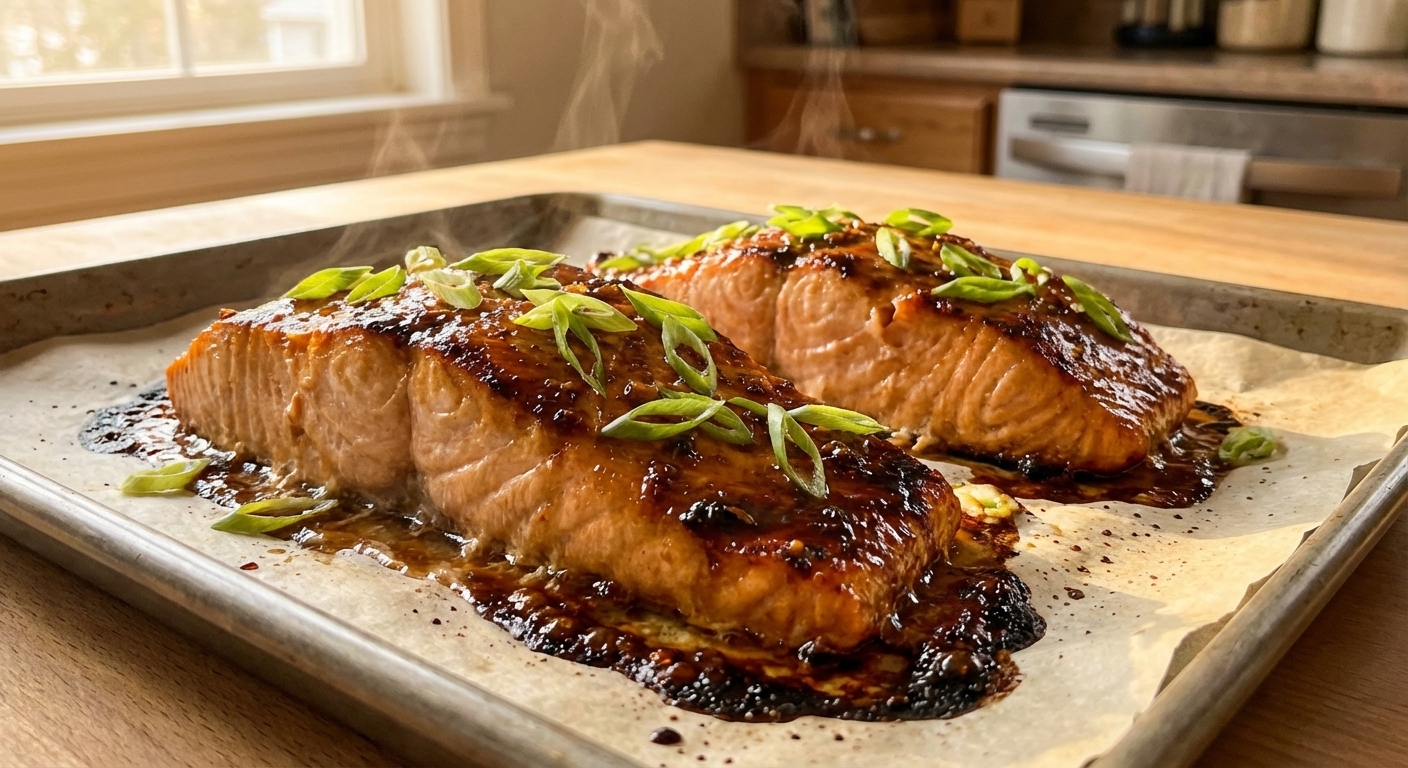
A real, photorealistic close-up of oven-baked salmon fillets on a parchment-lined sheet pan, glazed with a shiny brown sugar and garlic sauce, with caramelized edges and a few sliced scallions scattered on top, warm kitchen lighting

Some recipes are built for weeknights: low drama, high reward, and the kind of glaze that makes you hover near the oven door like it is a movie you paid for. This brown sugar garlic salmon is exactly that.

You get a sticky, glossy finish that tastes like sweet soy caramel met roasted garlic toastiness, plus those crispy edges from a quick broil at the end. It is simple enough for a random Tuesday, but it looks like you tried very hard, which is my favorite kind of cooking.
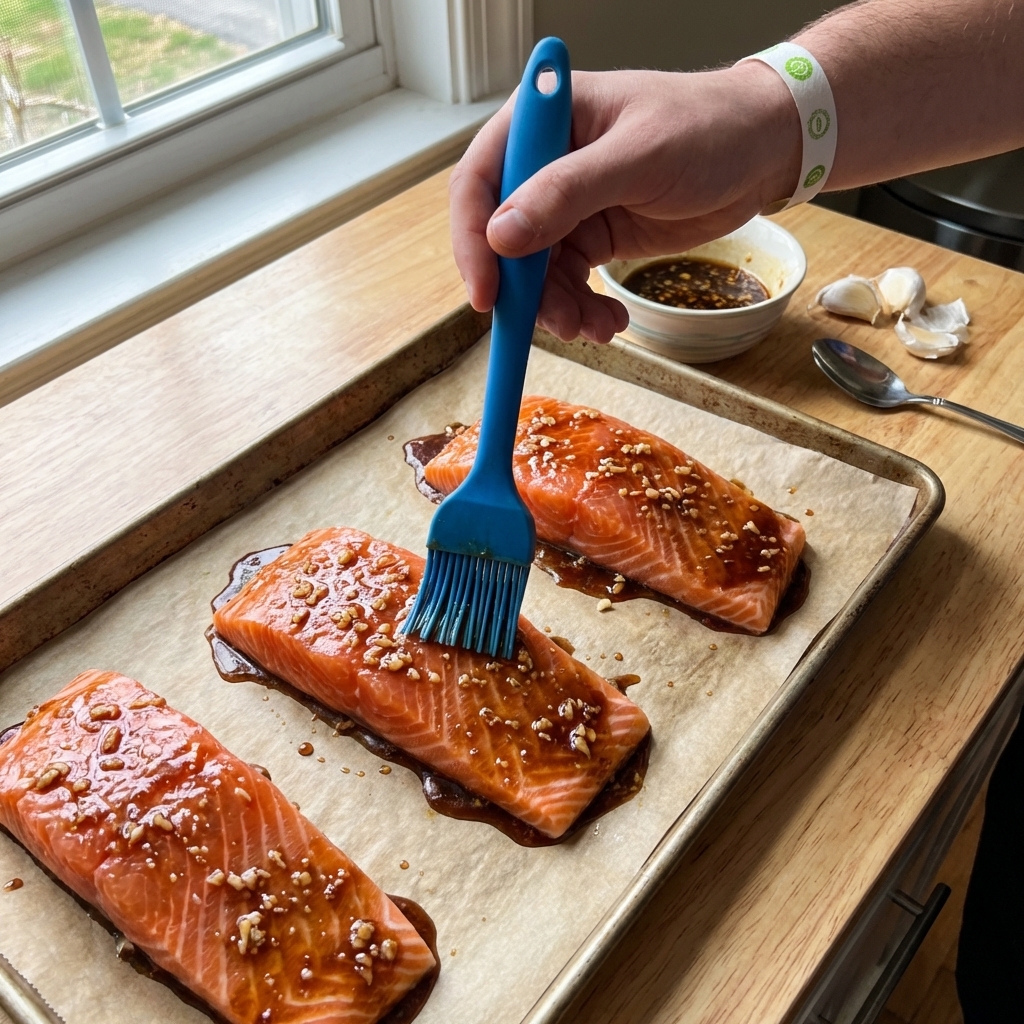
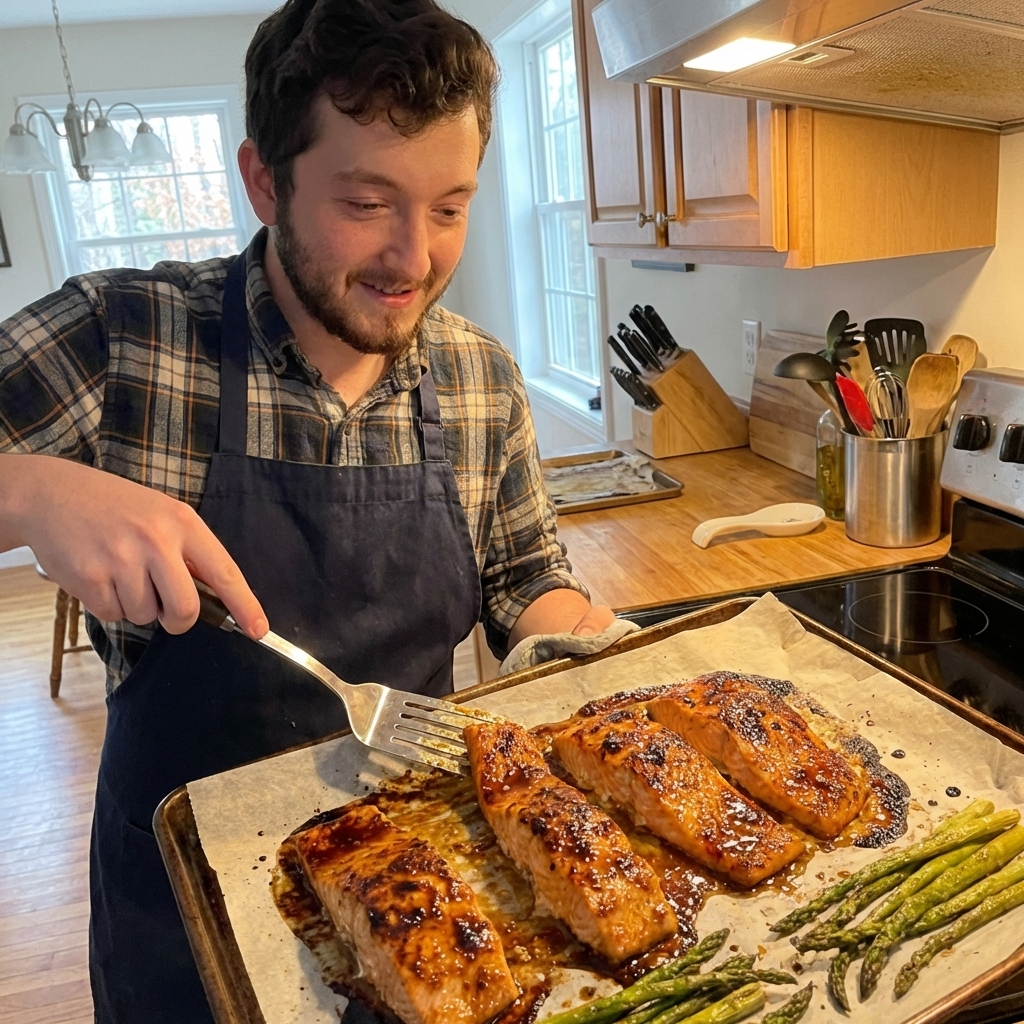
A real photograph of a hand using a silicone pastry brush to coat raw salmon fillets with a brown sugar and garlic glaze on a parchment-lined baking sheet, overhead angle, natural kitchen light

Why It Works

  • Sweet and savory balance that actually works: Brown sugar rounds out the salty umami (soy sauce) and a little acid (lemon or vinegar) so it tastes bold, not candy-sweet.
  • Fast caramelization without drying out the fish: Bake first for gentle cooking, then broil for the last 1 to 2 minutes to set the glaze and crisp the edges.
  • Minimal ingredients, maximum payoff: Pantry staples, one bowl, and a sheet pan. The glaze doubles as a quick spoon-over sauce.
  • Flexible with your salmon cut: Works with individual fillets or a larger side of salmon, just adjust bake time.

Pairs Well With

Storage Tips

Refrigerate: Let salmon cool, then store in an airtight container for up to 3 days.

Reheat (best method): Warm gently so it stays juicy. Use a 300°F oven for 8 to 12 minutes, or a covered skillet over low heat with a tiny splash of water to create steam.

Microwave tip: If you must, use 50% power in short bursts. Overheating turns salmon from tender to tough fast.

Cold leftover move: Flake it onto a salad or rice bowl and drizzle with extra glaze, soy sauce, or a squeeze of lemon.

Freezing: You can freeze cooked salmon for up to 2 months, but the glaze is best fresh. Thaw overnight in the fridge and reheat gently.

Common Questions

Do I need to marinate the salmon?

Nope. The glaze works like a quick “paint and bake” sauce. If you have an extra 10 minutes, letting it sit while the oven preheats is nice, but not required.

Can I use skin-on salmon?

Yes. Skin-on fillets are great here. Bake skin-side down. If you want extra crisp skin, pat it very dry and skip glazing the skin side. Note: broiling is mainly for the glaze on top, not for crisping the skin.

What internal temperature should salmon be?

USDA guidance is 145°F, but many home cooks prefer pulling salmon at 125°F to 135°F for a moist, flaky center. The fish will carryover cook a bit after you take it out.

Will the brown sugar burn under the broiler?

It can, which is why we broil for only 1 to 2 minutes and keep a close eye on it. Every broiler has a different attitude. If yours runs hot, place the pan a rack lower.

Can I swap the brown sugar?

Light or dark brown sugar both work. Honey or maple syrup will also glaze nicely, but they behave a bit differently under the broiler and can brown faster.

How do I know when it is done without a thermometer?

Press gently with a fork. Salmon should flake easily and look opaque on the outside, with a slightly translucent, juicy center if you like it medium.

I love salmon, but I do not love recipes that want me to babysit a pan while the rest of dinner spirals. This one is my “get back on track” meal: mix a quick glaze, slide the fish into the oven, then broil at the end for that sticky, crisp-edged payoff. It tastes like a restaurant move, but it is really just brown sugar doing its caramel thing while garlic makes the whole kitchen smell like you know what you are doing.