Mom's Best Recipes
Recipe

Burger Patty

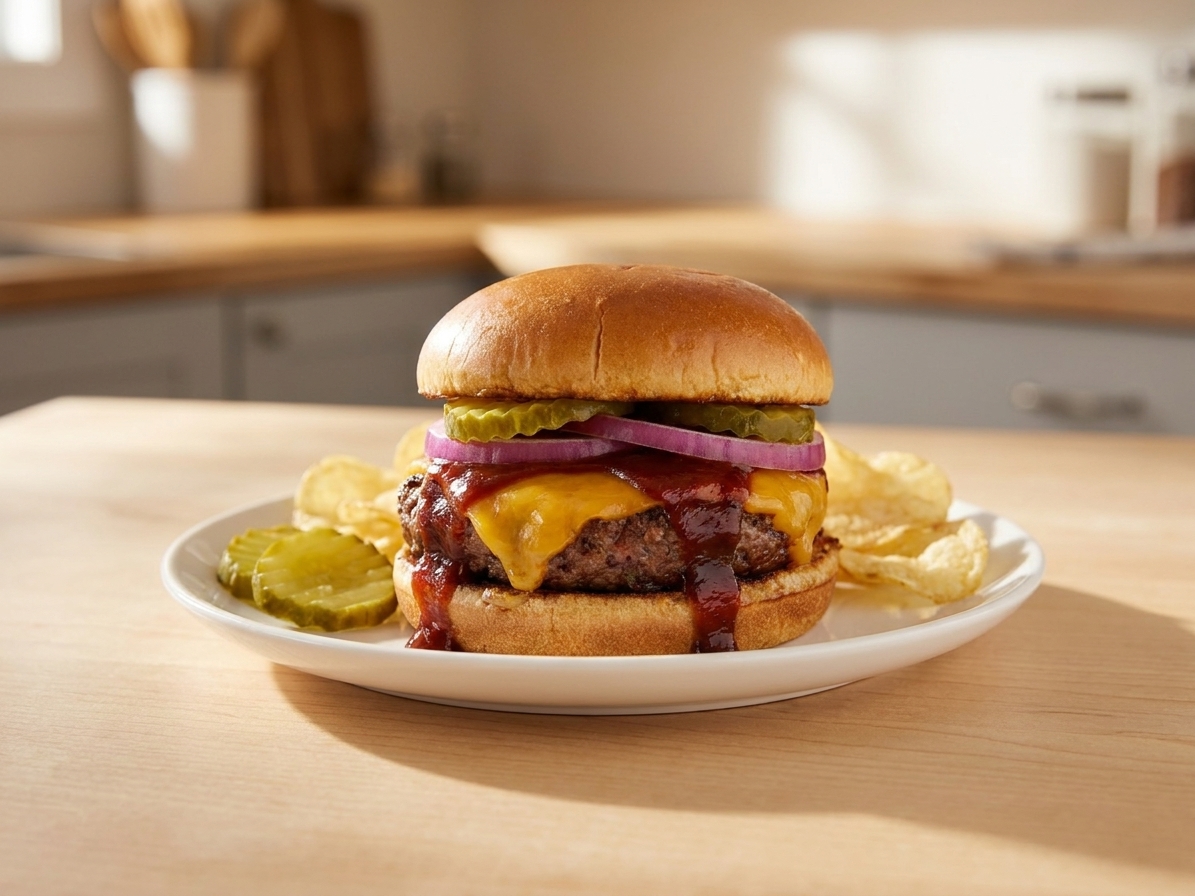
Juicy, well-seasoned patties with crisp edges, made with simple pantry ingredients and cooked your way: skillet or grill.

Author By Matt Campbell
4.8
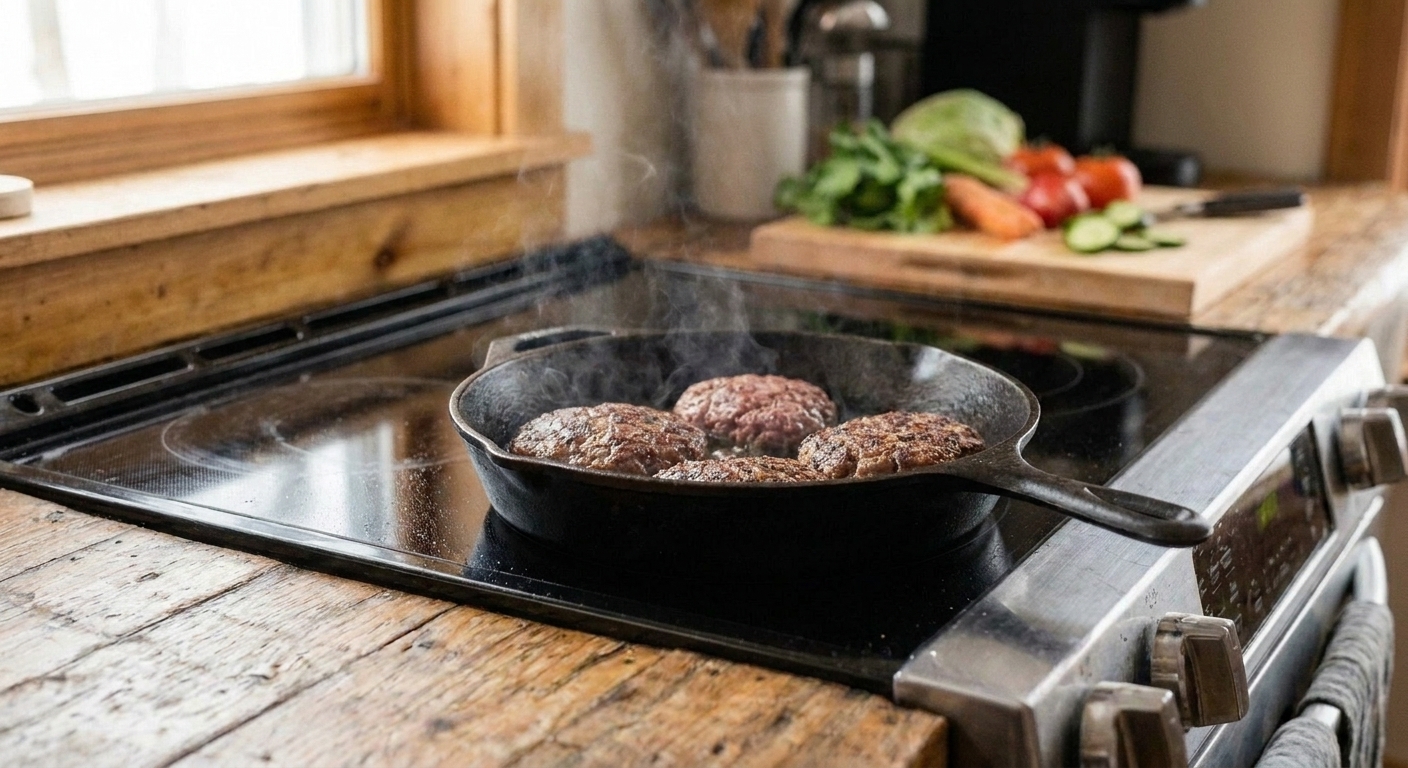
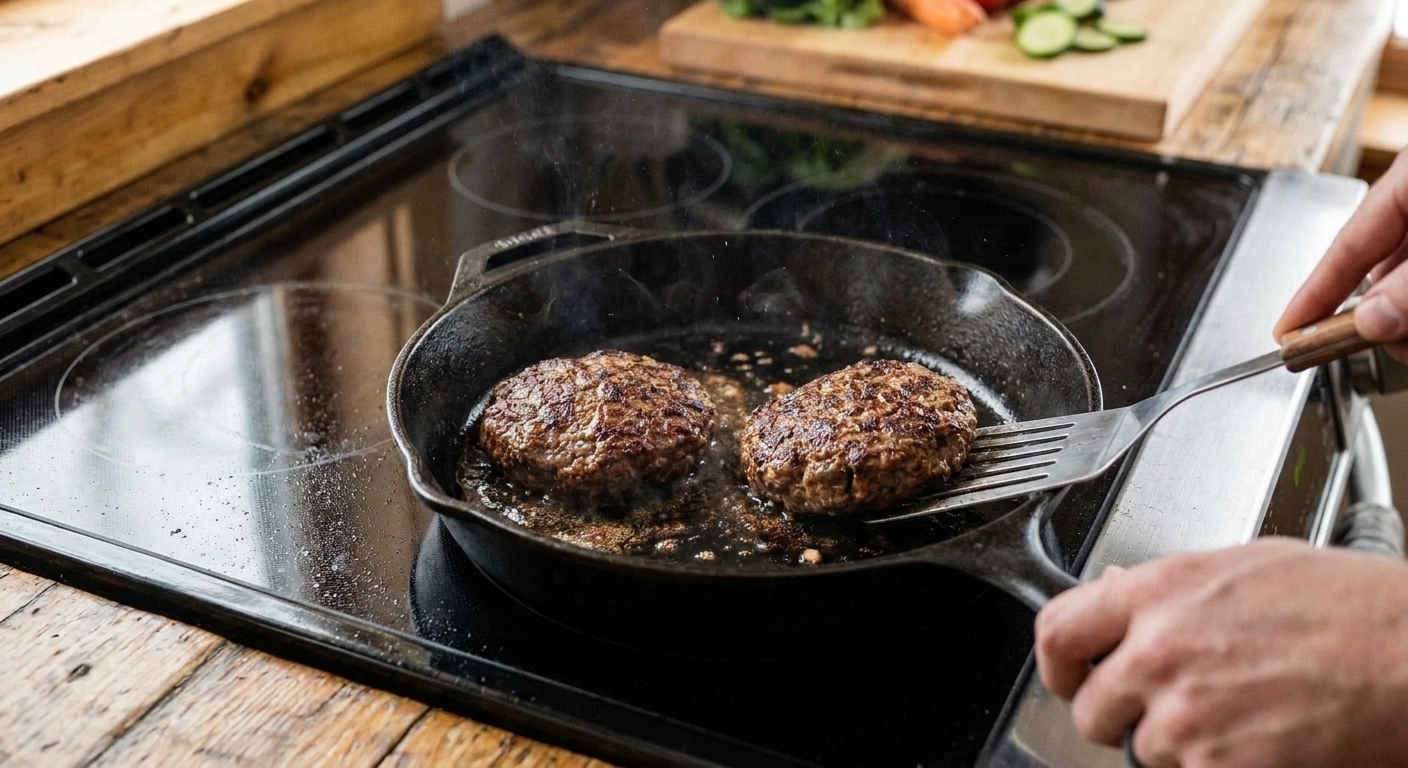
Two browned burger patties sizzling in a cast iron skillet with a light sheen of fat and crisp edges, warm kitchen lighting

A great burger patty is not complicated. It just needs a few things to go right: the right fat level, confident seasoning, and a hot surface that gives you those crisp, lacy edges while the middle stays juicy. This is my go-to patty for weeknights when I want diner vibes without the drama.
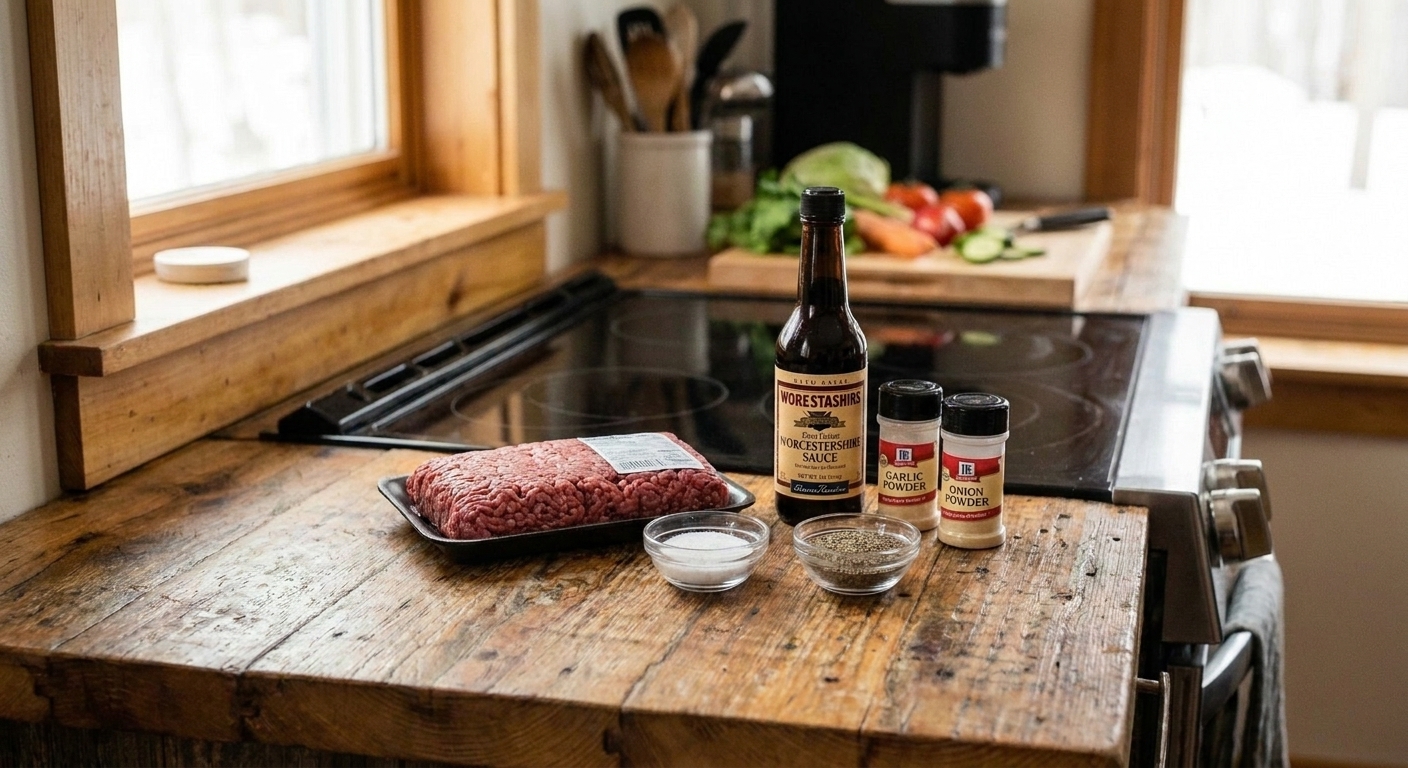
Ground beef, salt, pepper, Worcestershire sauce, garlic powder, and onion powder arranged on a clean kitchen counter

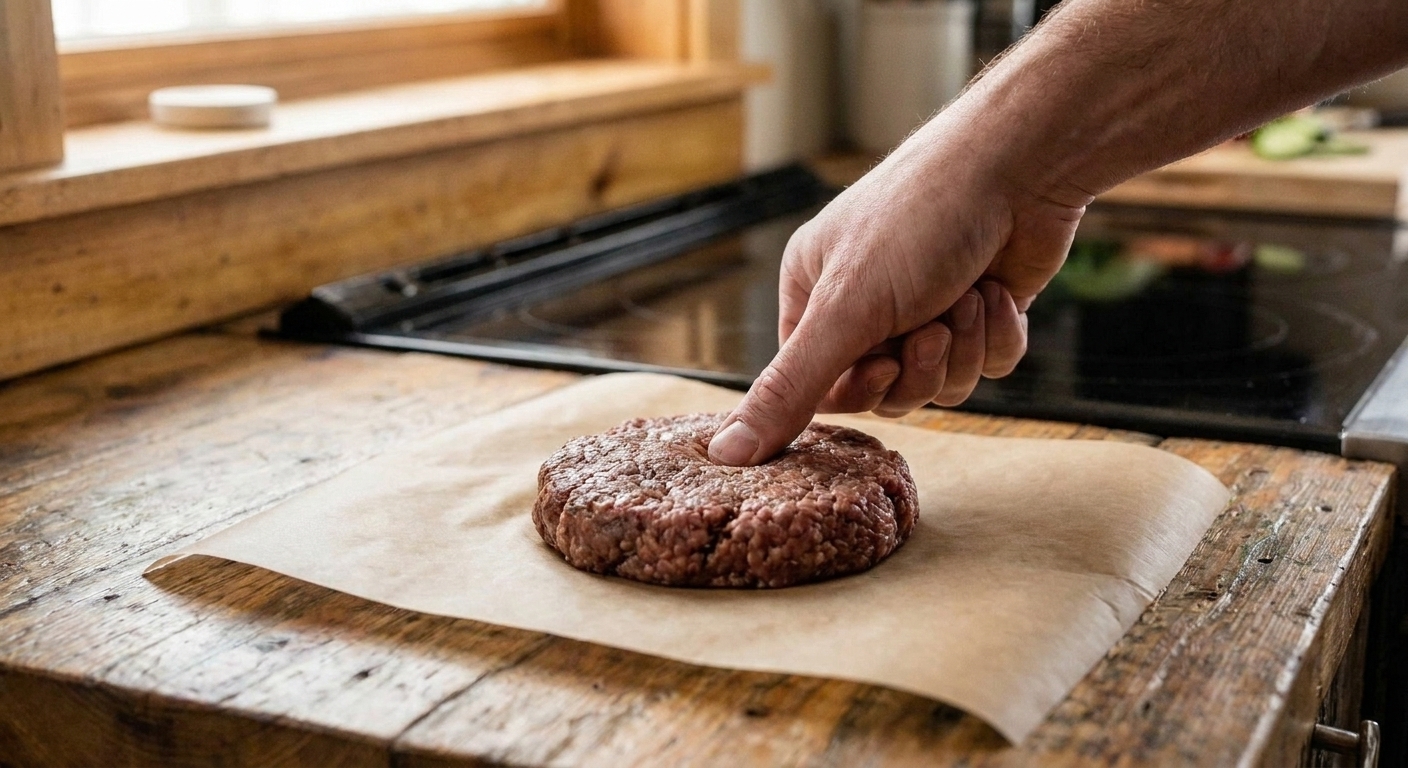
We keep the ingredients accessible and the steps straightforward. You will also get a couple of practical moves that make a big difference, like the thumbprint dimple (it works), keeping the meat cold, and when to flip (once, and only once if you can help it).
Why It Works

  • Juicy texture: Using 80/20 beef and gentle mixing keeps the patty tender, not bouncy.
  • Big beefy flavor: Simple seasoning plus a little Worcestershire gives you that savory, “why is this so good?” bite.
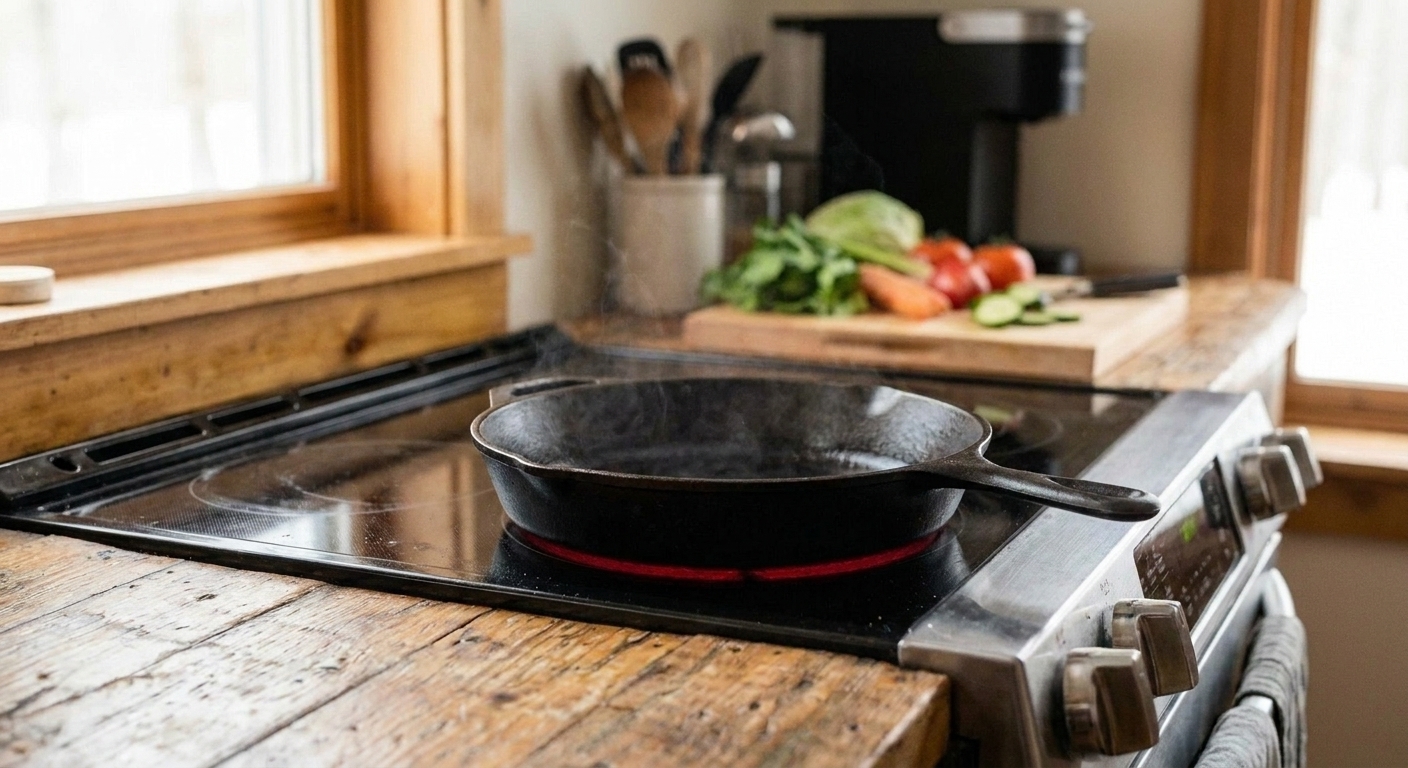
  • Crisp edges: A hot skillet or grill and no fidgeting equals real browning, not gray steaming.
  • Home-cook friendly: Works on the stove, on the grill, or even in the oven if you need hands-off.

Pairs Well With

Storage Tips

Refrigerate: Cool cooked patties completely, then store in an airtight container for up to 4 days.

Freeze: Wrap cooked patties individually and freeze up to 3 months. You can also freeze raw patties separated by parchment on a sheet pan, then transfer to a freezer bag.

Reheat: Warm in a skillet over medium-low with a splash of water and a lid for 2 to 4 minutes, flipping once. Or microwave in short bursts, but the skillet keeps the texture better.

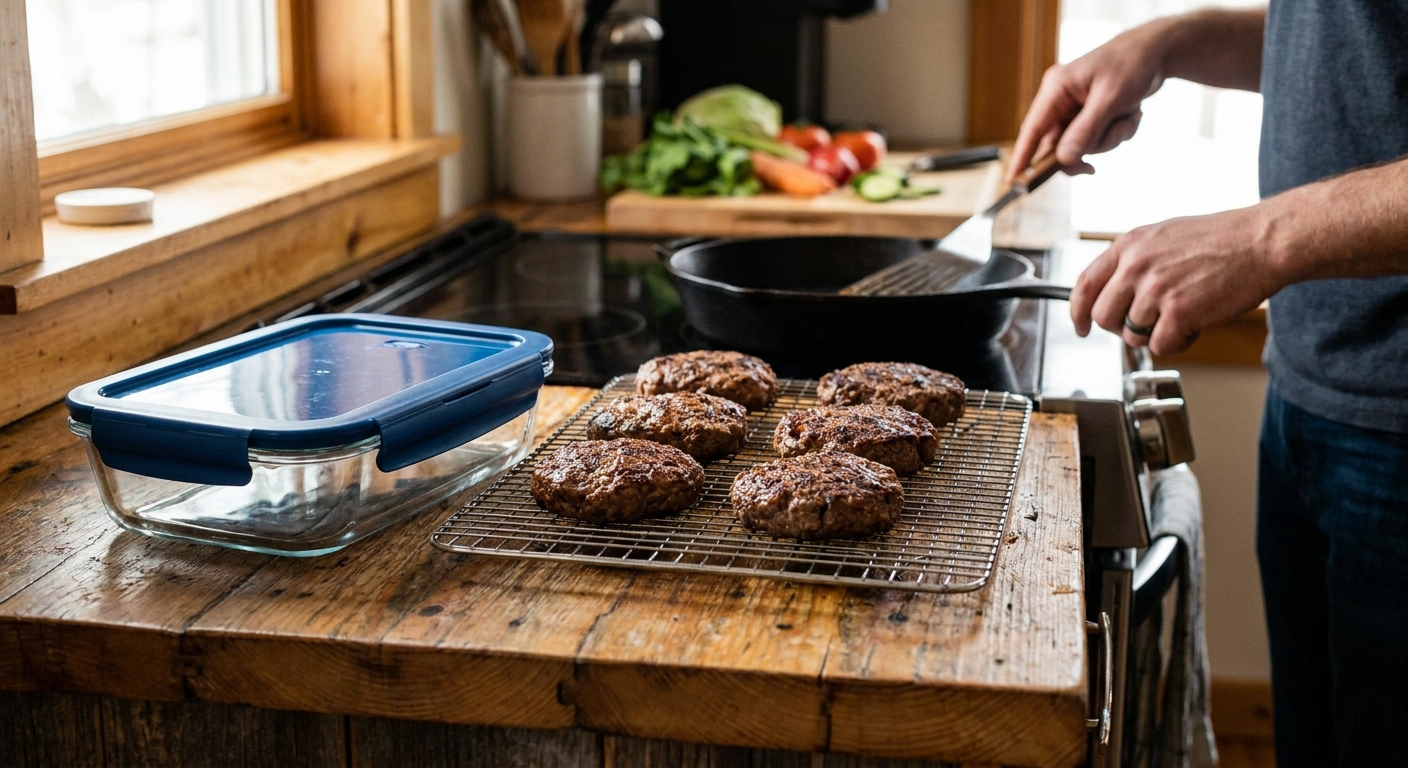
Cooked burger patties cooling next to a glass meal prep container on a kitchen counter

Common Questions

What ground beef is best for burger patties?

80/20 (80 percent lean, 20 percent fat) is the sweet spot for juicy burgers with good browning. Leaner beef can work, but it is easier to dry out, so watch the heat and do not overcook.

How do I keep patties from shrinking or puffing up?

Make patties wider than the bun and press a shallow dimple in the center. The dimple helps the patty stay flatter as it cooks.

Should I add egg or breadcrumbs?

For classic burgers, I skip them. Egg and breadcrumbs can make the texture more like meatloaf. If you are working with very lean beef and want a little extra insurance, my personal tip is to add about 1 tablespoon breadcrumbs per pound, but keep it minimal.

How long do I cook burger patties?

It depends on thickness and heat, but for 1/2-inch patties in a hot skillet: about 3 to 4 minutes on the first side, then 2 to 4 minutes on the second side. Timing gets you close, but a thermometer is the most reliable way to nail it. The USDA recommends 160°F for ground beef. Keep in mind temperatures can rise a bit while resting, and guidance can vary by country.

Can I make these on the grill?

Yes. Preheat to medium-high, oil the grates, and cook about the same timing. Resist pressing the patties, which squeezes out juices.

I used to think burgers were all about fancy toppings. Then I had one of those “hold on” moments where the patty itself tasted so good I forgot I even had ketchup. That is the goal here. A burger patty that stands on its own, with enough seasoning to be interesting and enough restraint to still taste like beef. Also, I am a crisp-edge person. If the pan is not singing a little when the patty hits it, I am not emotionally ready to cook.