Mom's Best Recipes
Recipe

Buttery Boiled Cabbage

Tender, sweet cabbage simmered until just right, then tossed with butter, garlic, and a bright lemon finish.

Author By Matt Campbell
4.7
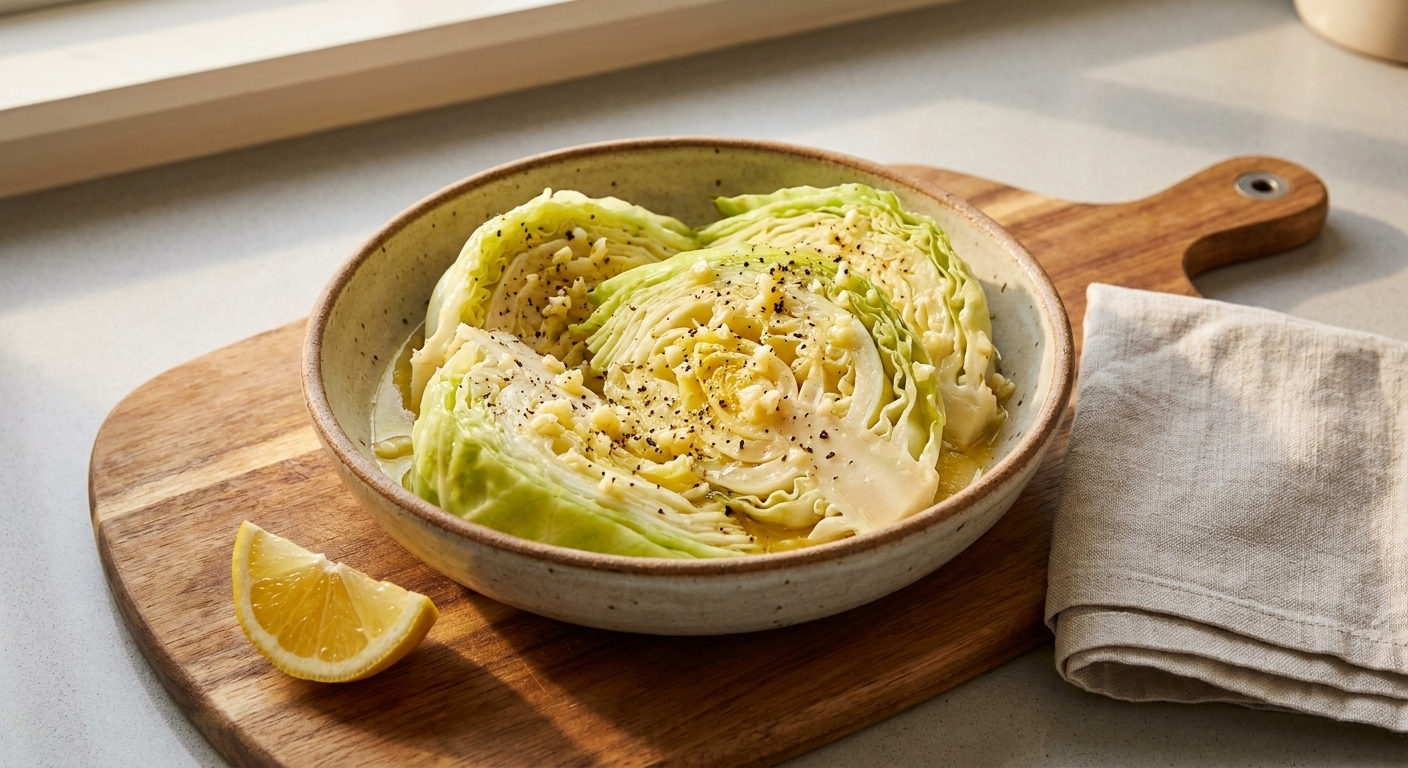
A serving bowl of buttery boiled cabbage with visible garlic and black pepper on a wooden table beside a lemon wedge, warm kitchen lighting

Boiled cabbage has a reputation. Mostly for smelling a little strong and tasting kind of sad. But here is the thing: cabbage is naturally sweet, and when you cook it just until tender and give it a little help from butter, garlic, and a hit of lemon, it turns into a cozy side dish that disappears fast.

This is my go-to method when I want something simple and comforting that still feels like real cooking. No complicated steps, no weird ingredients, and no, you do not need to boil it into submission. We are going for tender, glossy, and well-seasoned with a few crisp edges if you want to take it one step further.
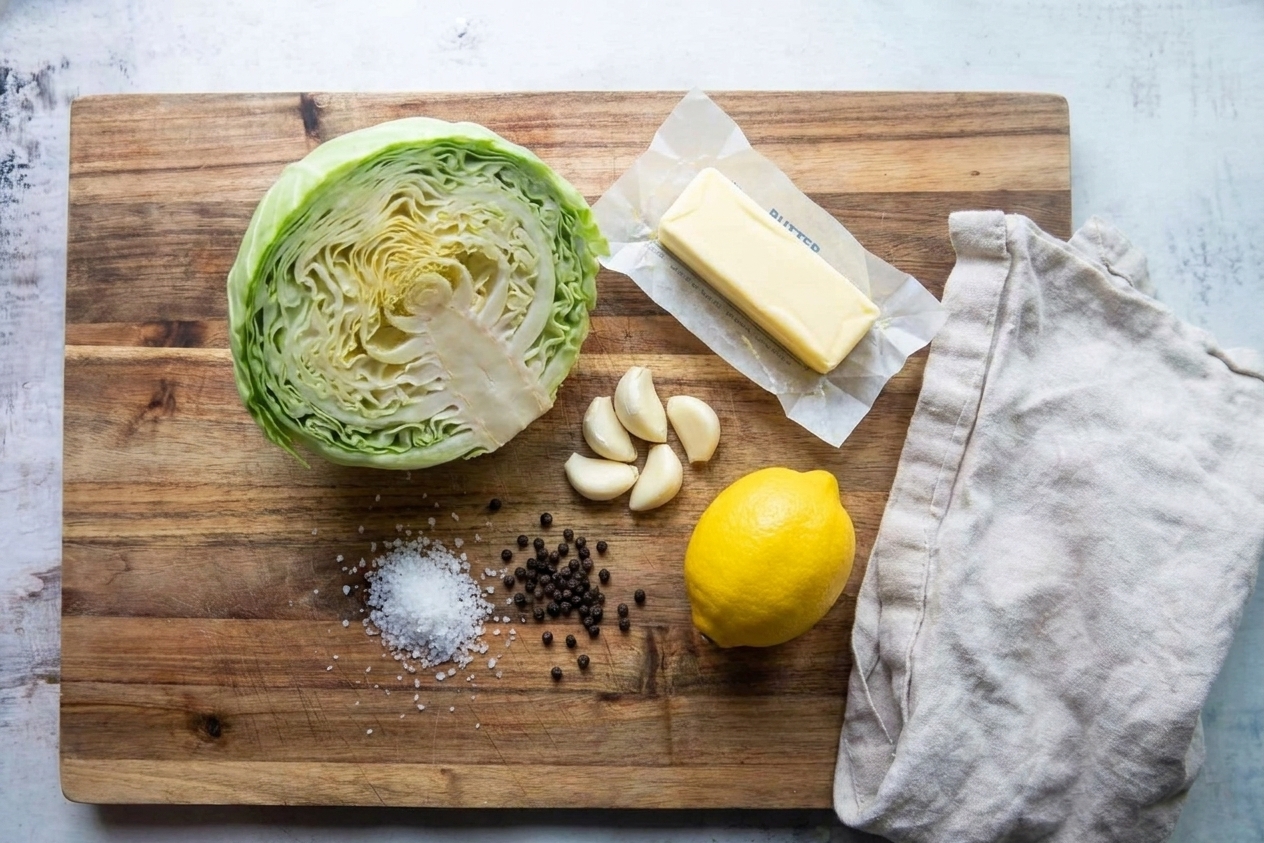

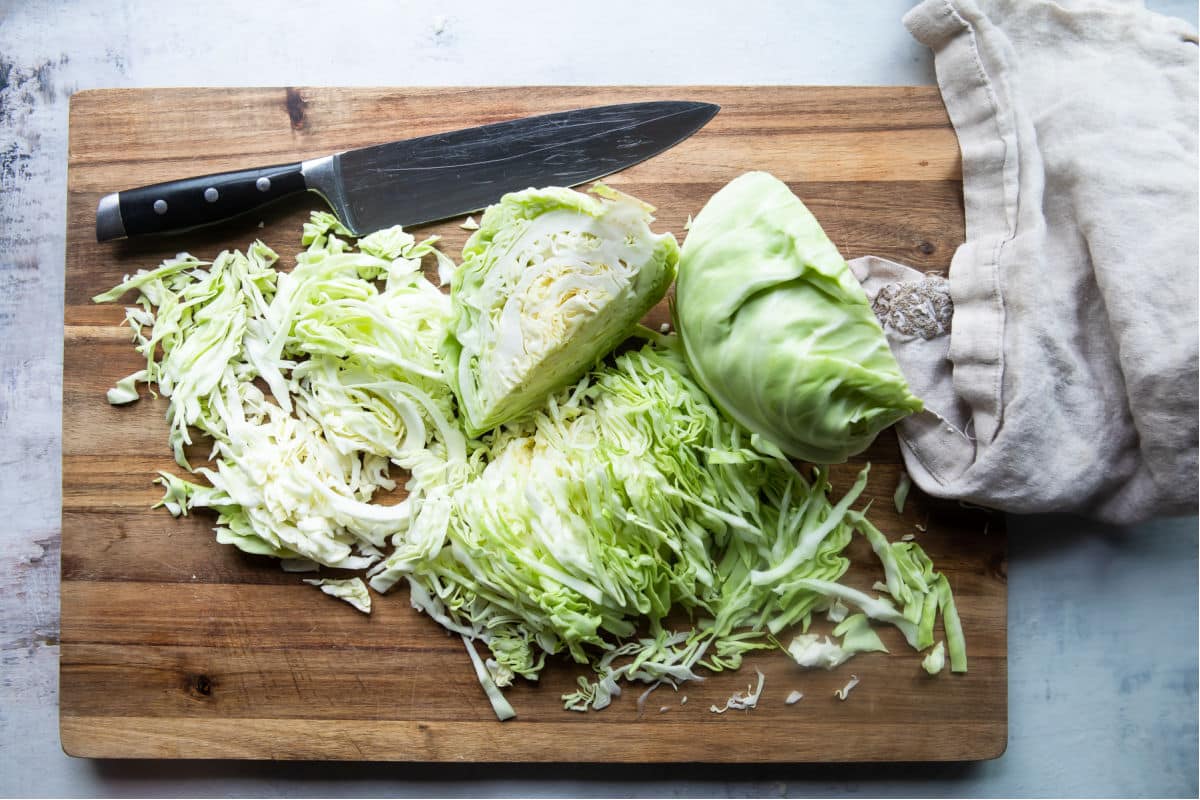
A halved green cabbage, a stick of butter, peeled garlic cloves, a lemon, salt, and black pepper arranged on a light kitchen counter

Why It Works

  • Fast flavor: boiling softens cabbage quickly, then butter and garlic bring it back to life.
  • Better texture: we cook it until tender but still a little toothsome, not mushy.
  • Balanced finish: lemon cuts the richness and keeps the whole thing from tasting flat.
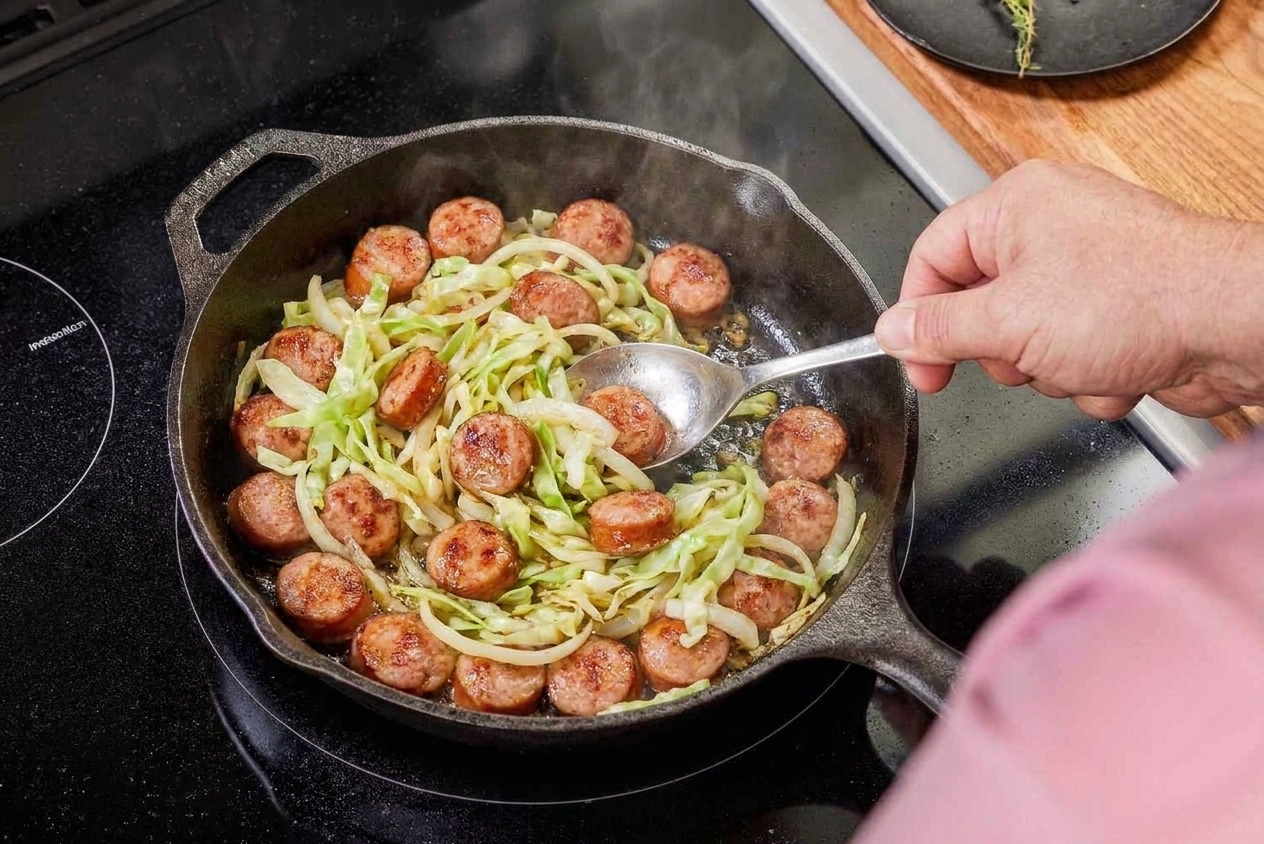
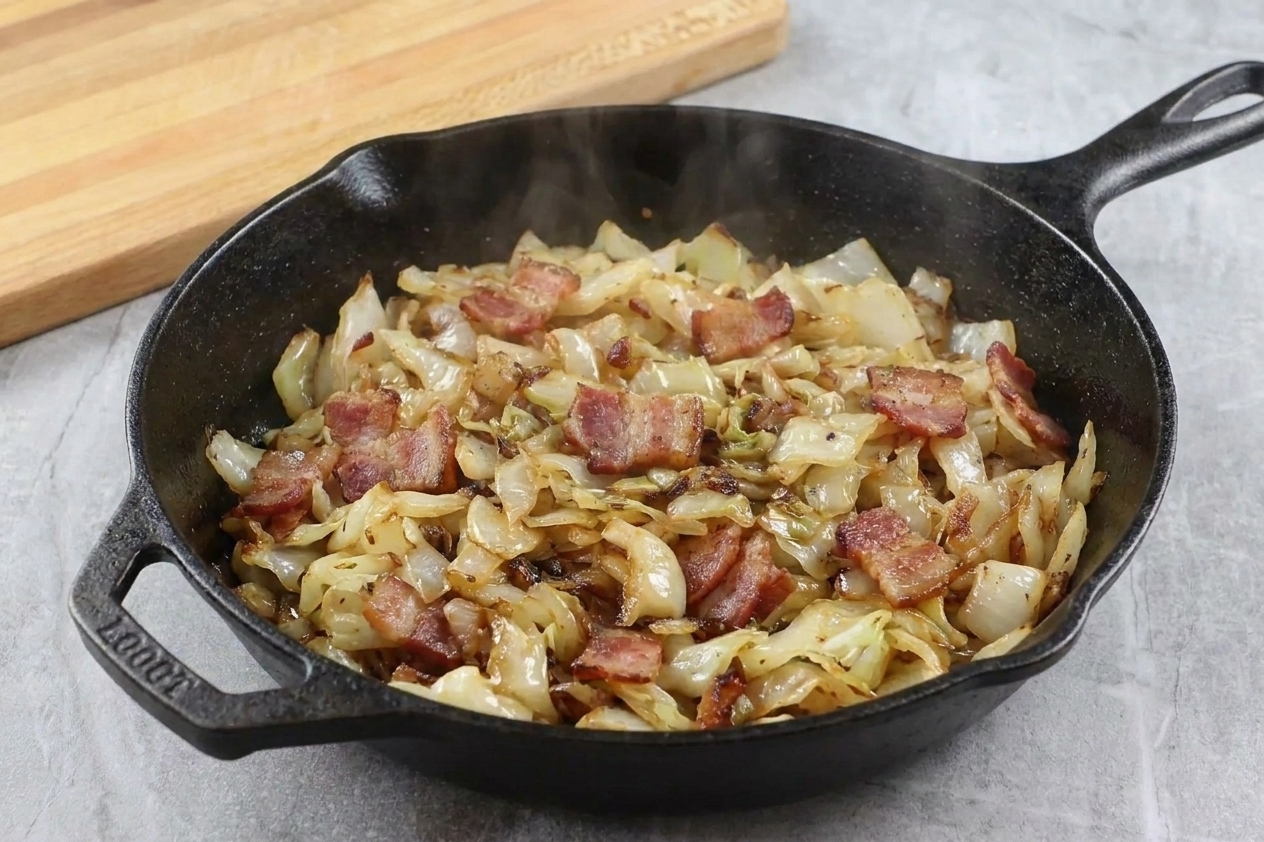
  • Flexible: keep it simple, make it spicy, or crisp it up in a skillet for extra oomph.

Pairs Well With

Storage Tips

Refrigerate: Cool leftovers, then store in an airtight container for up to 4 days.

Reheat: Best in a skillet over medium heat with a small knob of butter and a splash of water or broth. Stir occasionally until hot. Microwave works too, but the skillet keeps the texture nicer.

Freeze: You can freeze it for up to 2 months, but the texture will soften quite a bit after thawing. If you do freeze it, reheat in a skillet and let excess moisture cook off.

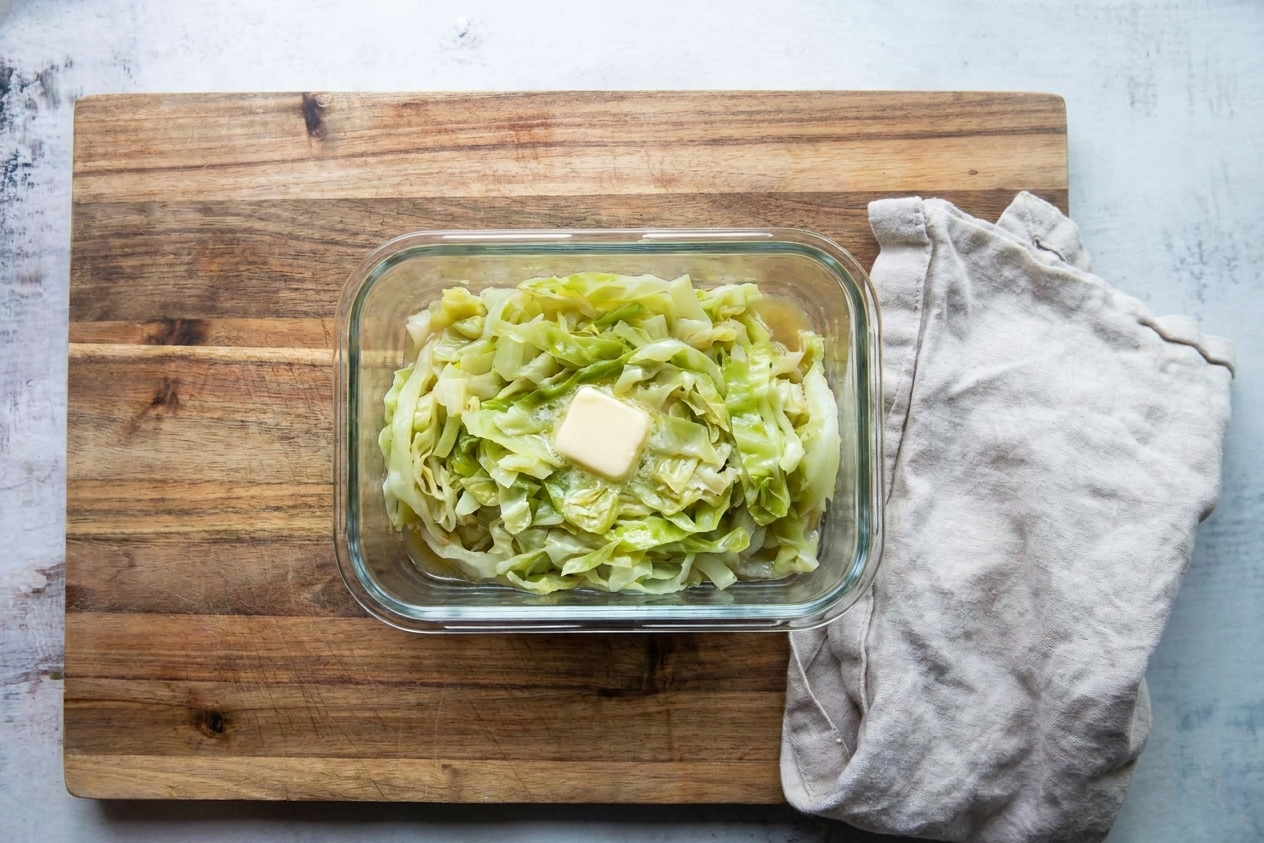
A glass meal prep container filled with cooked cabbage and a small pat of butter on top, sitting on a kitchen counter

Common Questions

How long should cabbage be boiled?

For wedges or rough chunks, usually 6 to 10 minutes in gently boiling water gets you tender cabbage that still holds its shape. If you slice it thin, it can be done in 3 to 5 minutes. Timing depends on thickness, cabbage age, and even altitude, so start checking early. Cabbage goes from perfect to floppy fast.

Why does boiled cabbage smell so strong?

That sulfur smell gets louder the longer you cook it. The fix is simple: keep the cook time short, stick to a gentle boil or simmer, and drain promptly. Finishing with butter, garlic, and lemon also helps a lot.

Do I need to add vinegar to the water?

Not required. Vinegar can brighten cabbage, but I prefer adding acidity at the end with lemon so you control the flavor and keep it from tasting pickled.

Can I make this with red cabbage?

Yes. It will bleed purple into the water and tends to stay a bit firmer. You may need a slightly longer cook time, and the flavor can read a little deeper and earthier than green cabbage.

How do I keep cabbage from getting watery?

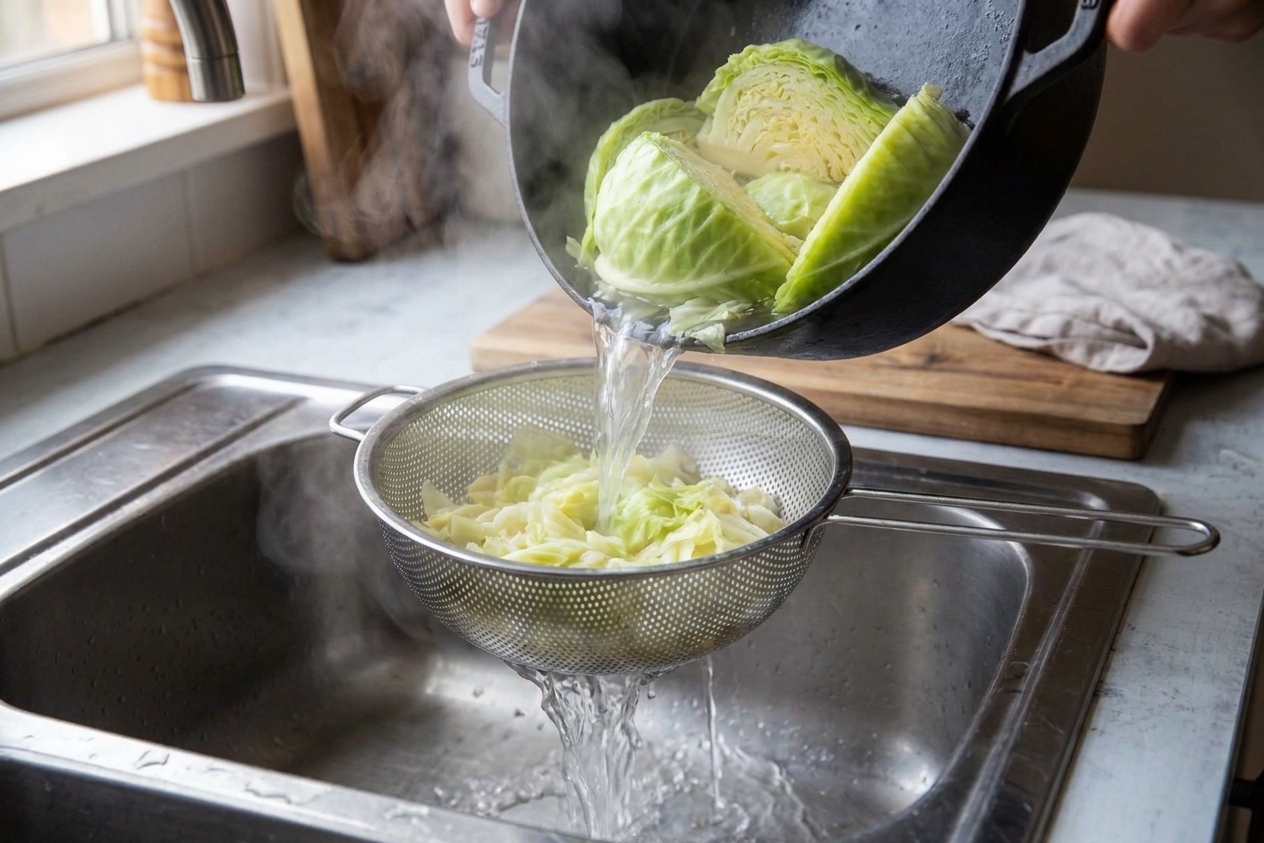
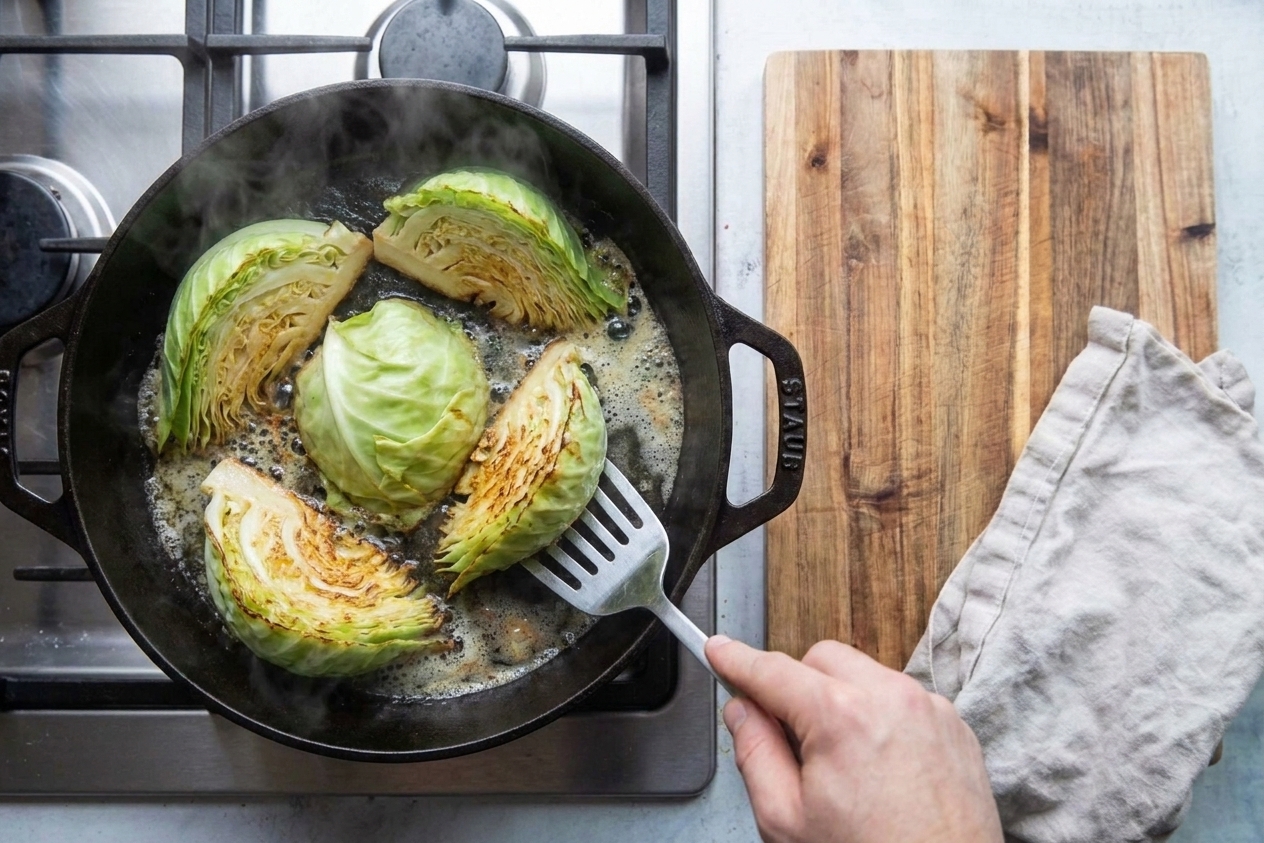
Drain it very well, then return it to the warm pot for 30 to 60 seconds (off heat) to steam off extra moisture before adding butter. If you want an extra upgrade, do the optional quick skillet step to evaporate water and add a little browning.

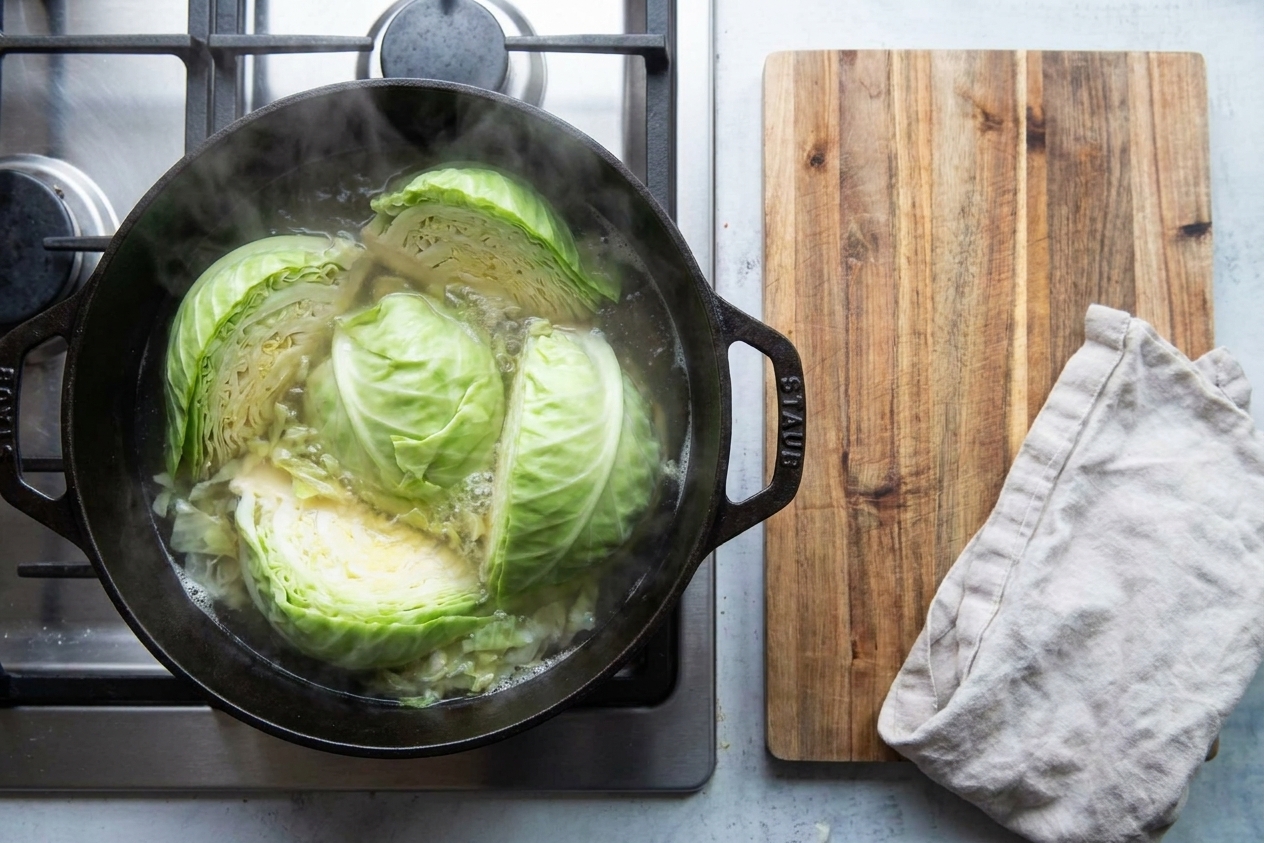
Green cabbage wedges simmering in a wide pot of water on a stovetop, with steam rising

I used to treat boiled cabbage like a punishment side that showed up next to corned beef once a year. Then I started cooking it like I cook everything else: taste it, season it, and stop before it is overcooked. The first time I tossed hot cabbage with butter and garlic and finished it with lemon, I had that mid-bite moment where you realize something basic just turned into something you actually want to make again. It is humble, a little messy, and weirdly comforting, which is basically my favorite kind of food.