What kind of noodles are best?
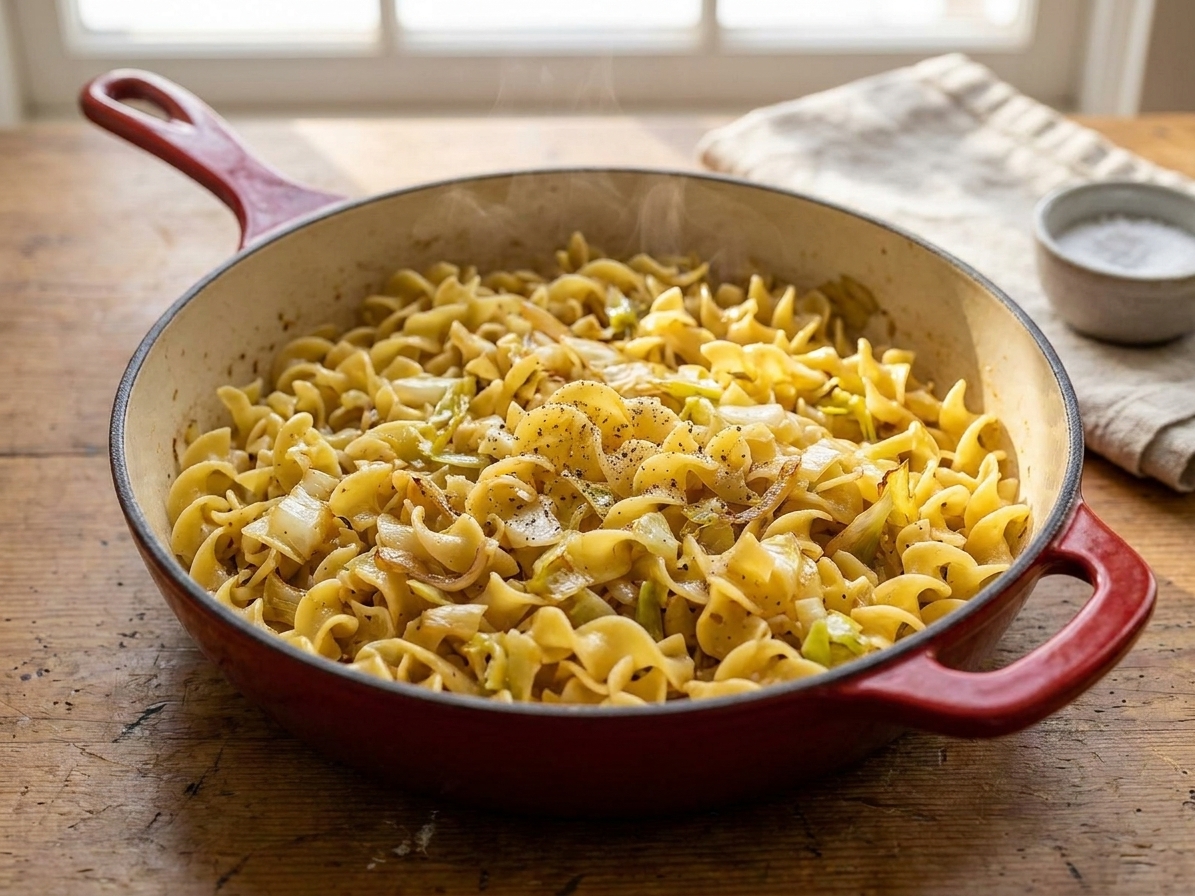
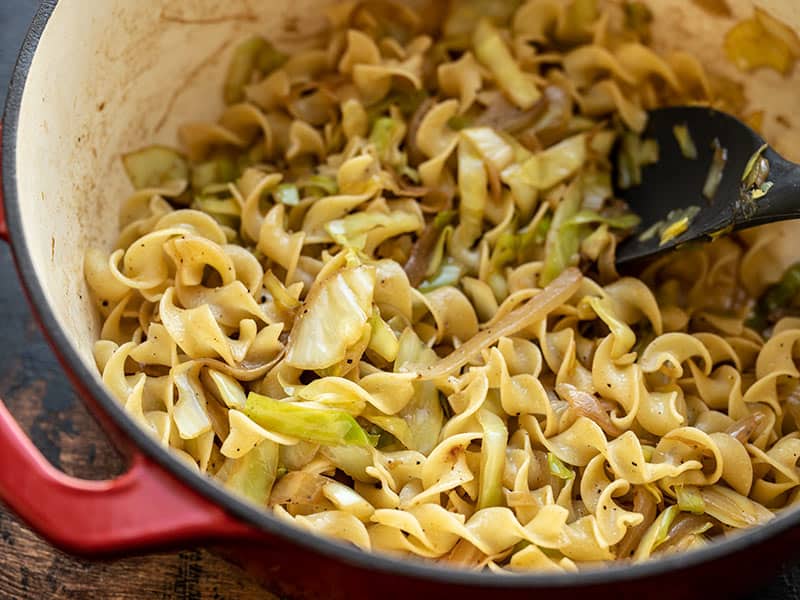
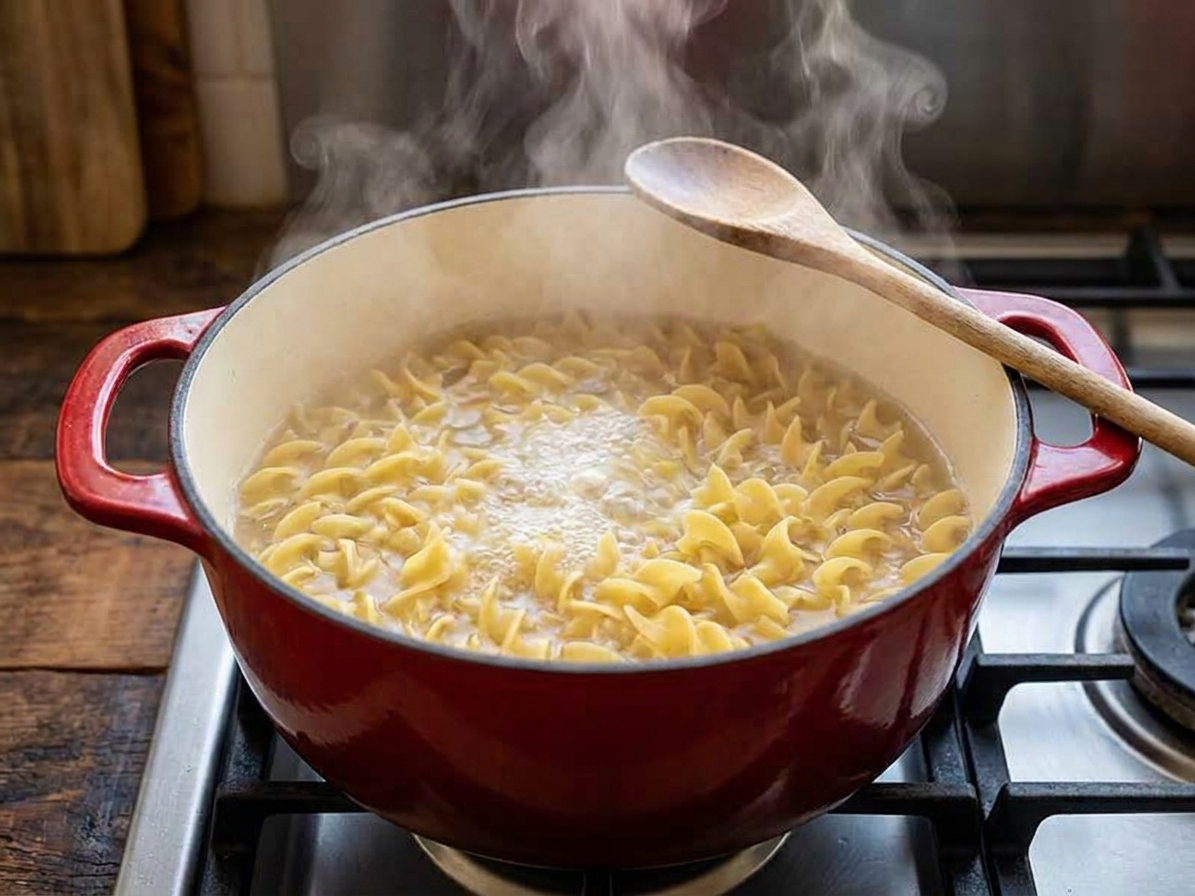
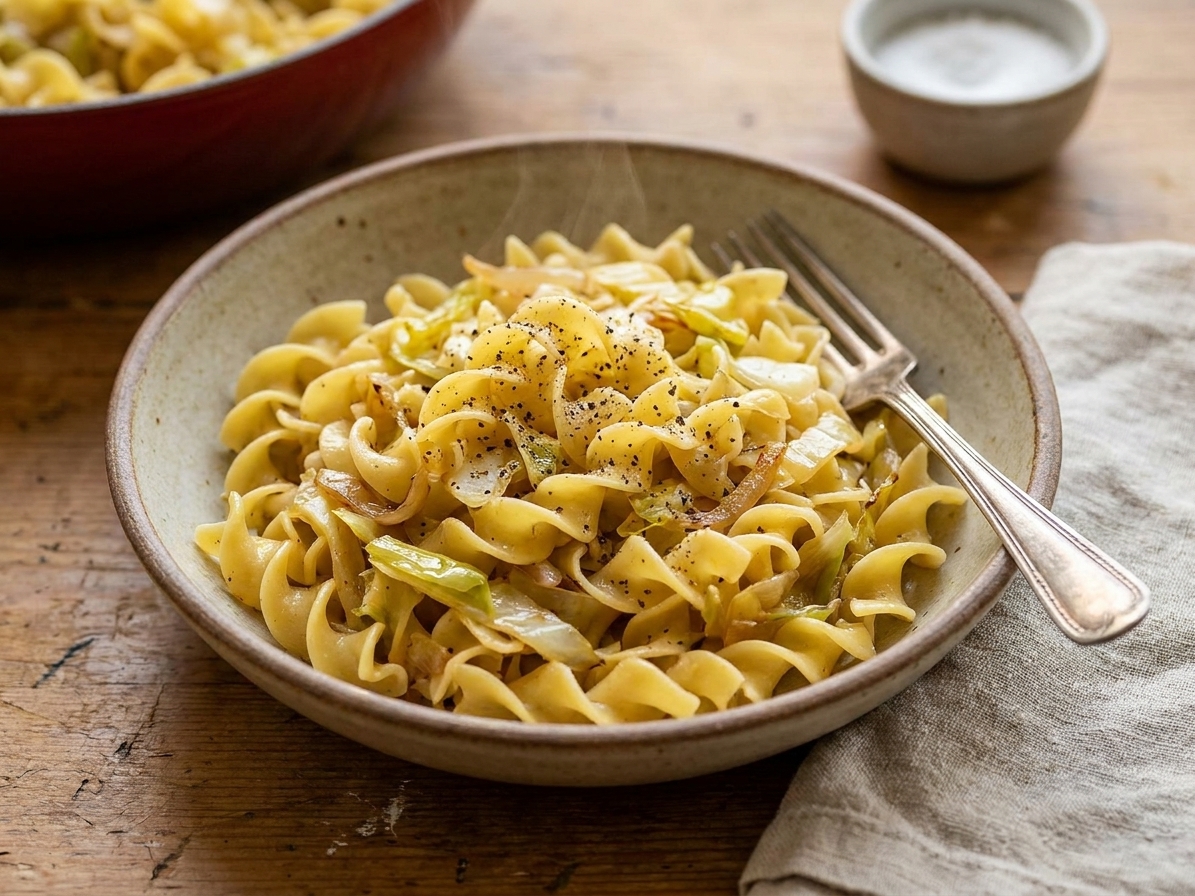
Wide egg noodles are a very common, cozy go-to for cabbage and noodles because they hold butter well and stay tender. That said, this dish shows up in a lot of kitchens with a lot of “classic” versions. No egg noodles? Use rotini, bowties, or spaetzle-style noodles if you want to lean into that dumpling vibe.
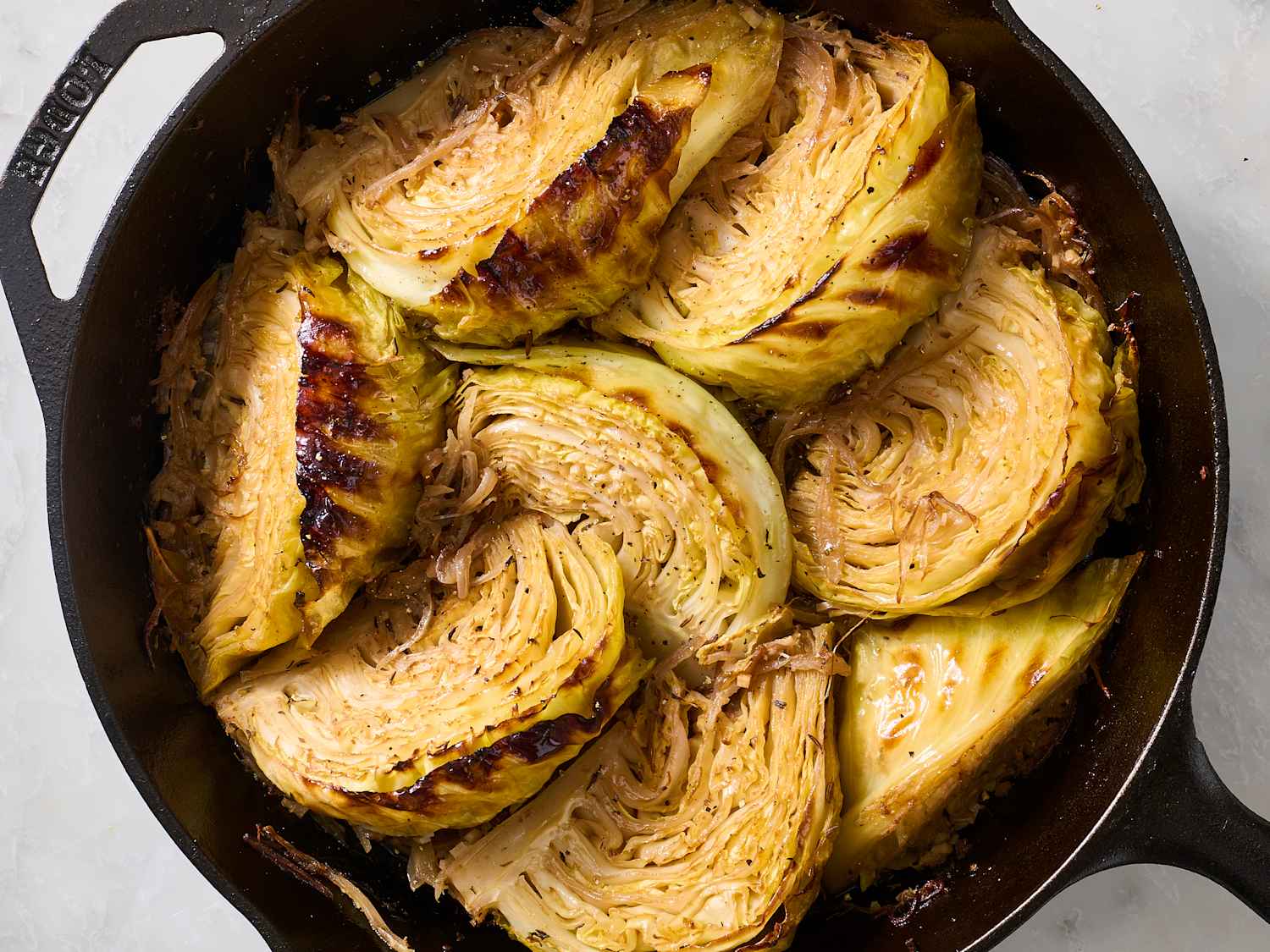
Do I have to brown the cabbage?
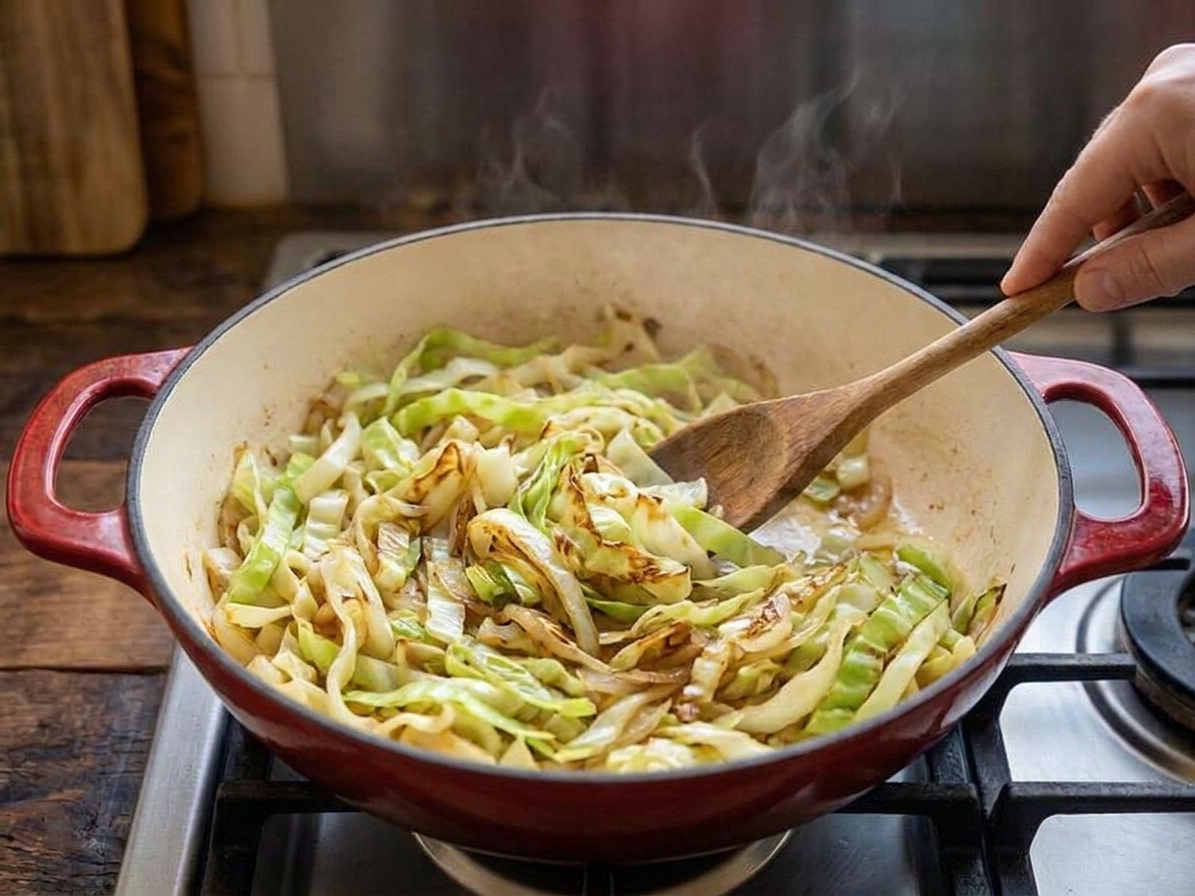
You do not have to, but it is the difference between “fine” and “why is this so good.” Let it cook undisturbed in spots so it browns. If the pan looks dry, add a bit more butter.
My cabbage keeps steaming instead of browning. What should I do?
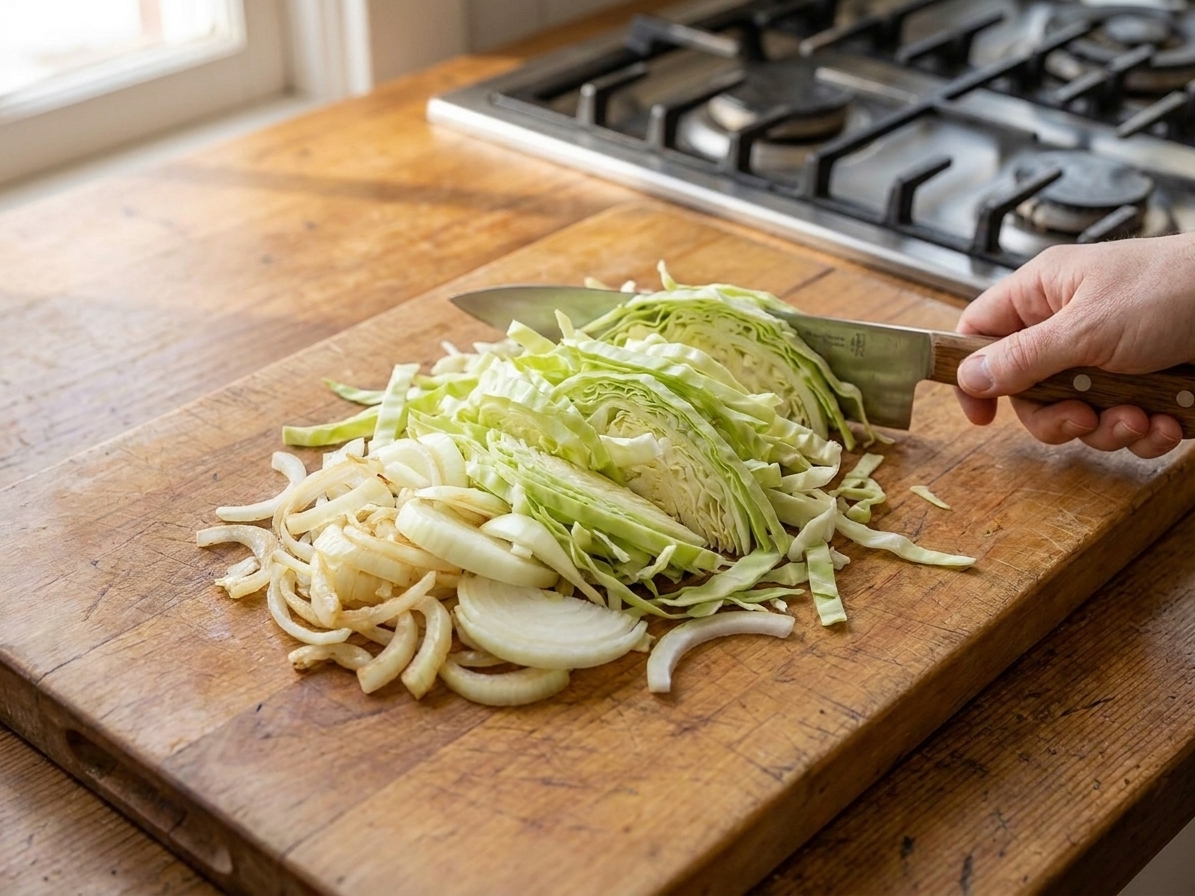
This usually means the pan is crowded or the heat is too low. Use a 12-inch skillet if you can, spread the cabbage into an even layer, and bump the heat up slightly. If you are working with a very large cabbage, cook it in two batches so it can actually brown instead of turning into a cabbage sauna.
How do I keep the noodles from getting mushy?
Salt the pasta water, cook to al dente, and drain well. Also, do not over-stir once you combine everything. Gentle tossing keeps the noodles intact.
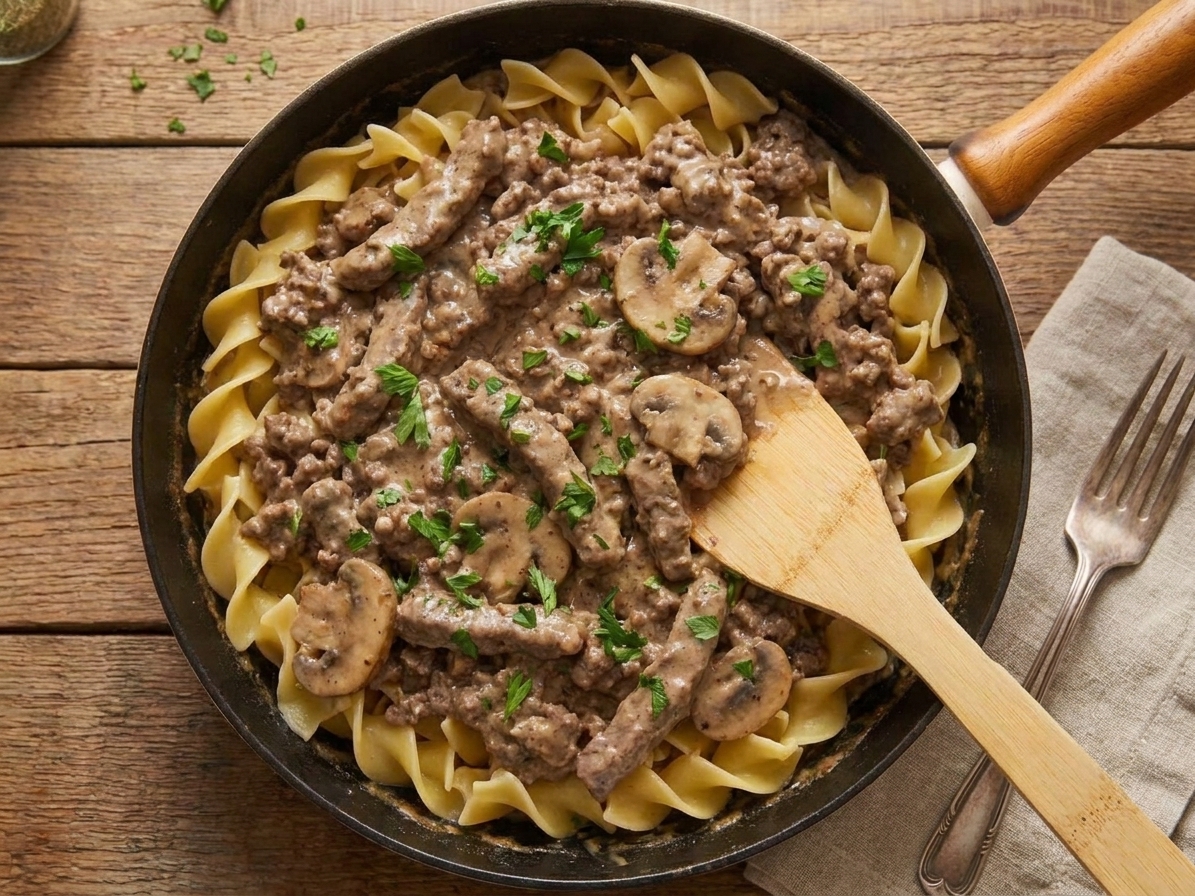
Can I add meat?
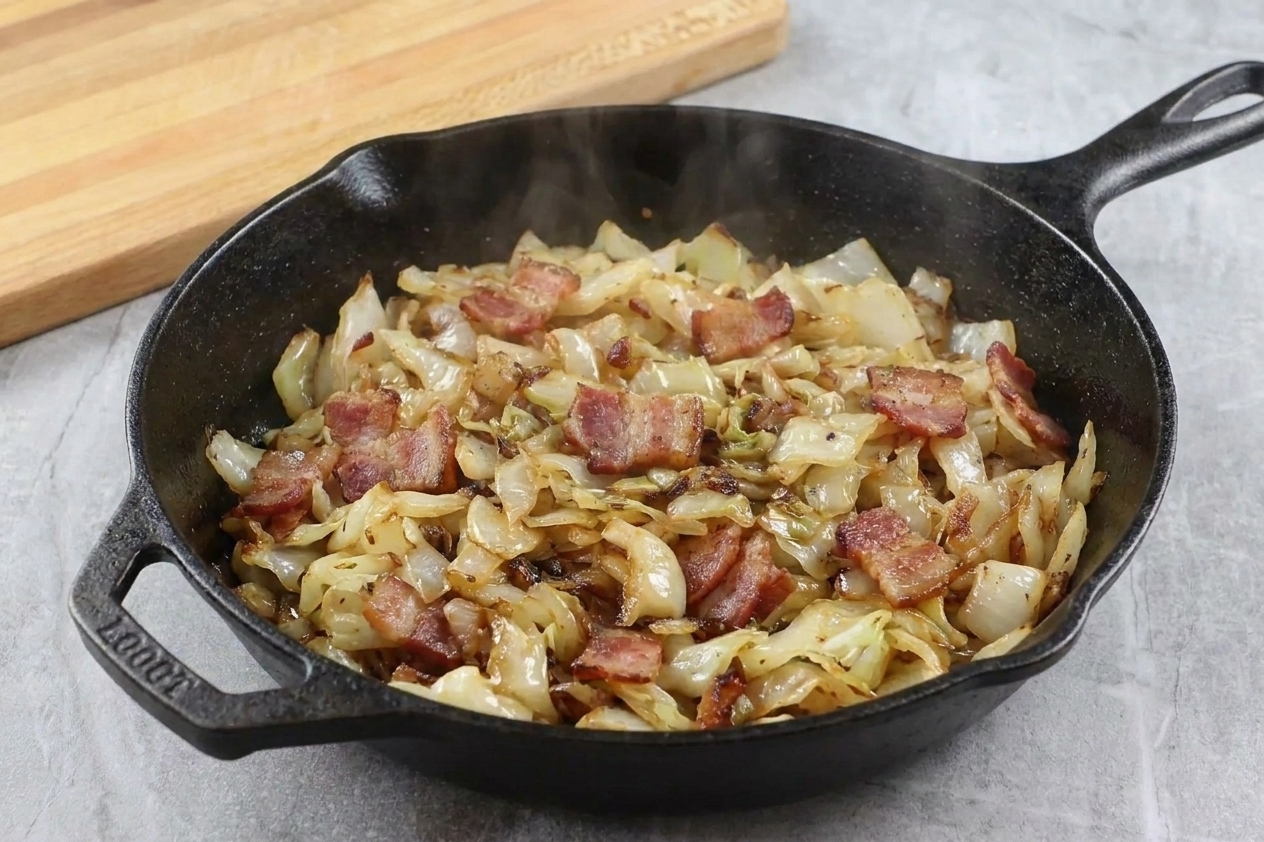
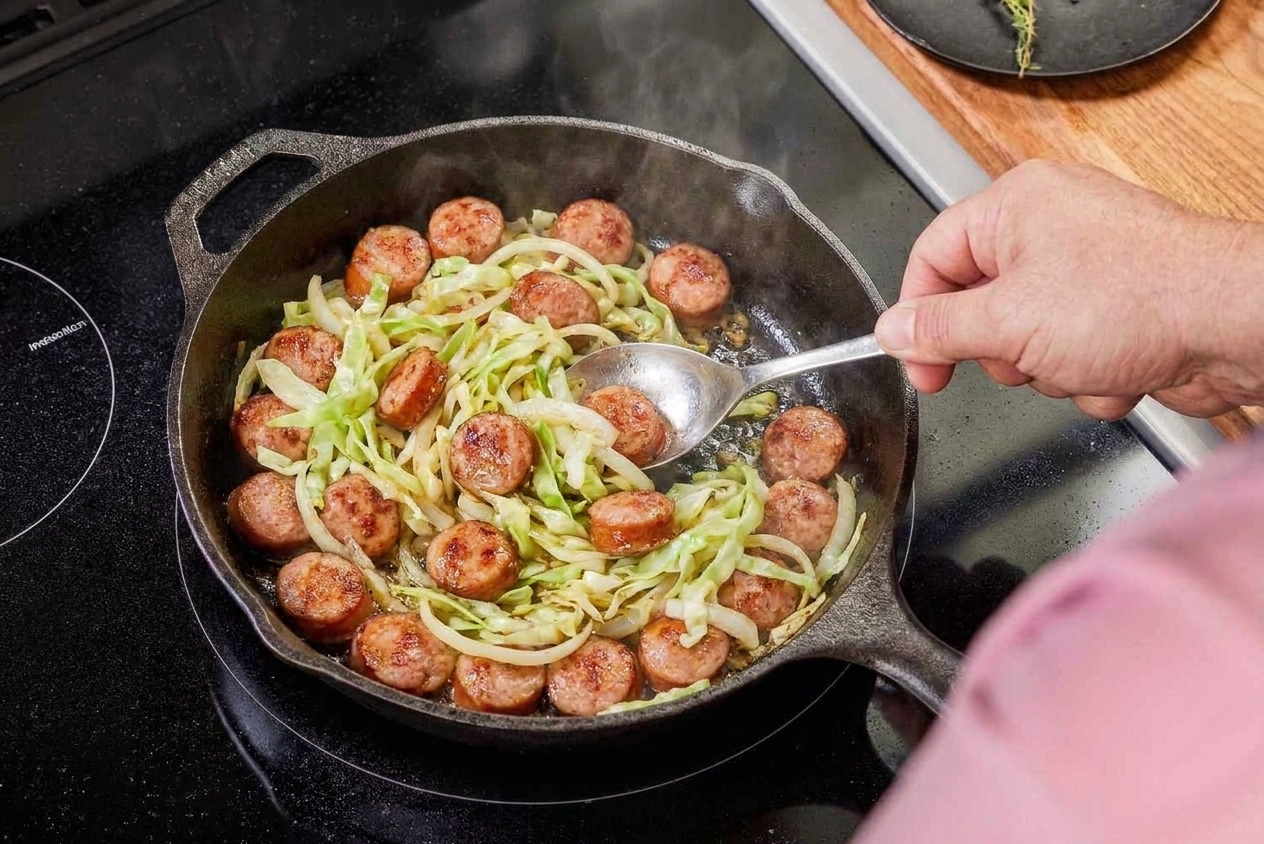
Absolutely. Crisp bacon first and cook the cabbage in the drippings, or brown sliced kielbasa and stir it in at the end. Rotisserie chicken works too, but sausage and cabbage are best friends.
How do I brighten it up if it tastes too rich?
Add 1 to 2 teaspoons apple cider vinegar or a squeeze of lemon right at the end. It wakes everything up without changing the comfort-food vibe.
Do I need sugar to make the cabbage sweet?
Usually, no. Browning does the heavy lifting. But if your cabbage is tasting more sharp than sweet, you can add 1 teaspoon sugar once it starts to soften, especially if you are using a less-sweet onion. Totally optional, quietly effective.