Mom's Best Recipes
Recipe

Buttery Shortbread Cookie Recipe

Classic, melt-in-your-mouth shortbread with crisp edges, a tender crumb, and big buttery flavor. One bowl, pantry staples, and zero drama.

Author By Matt Campbell
4.9
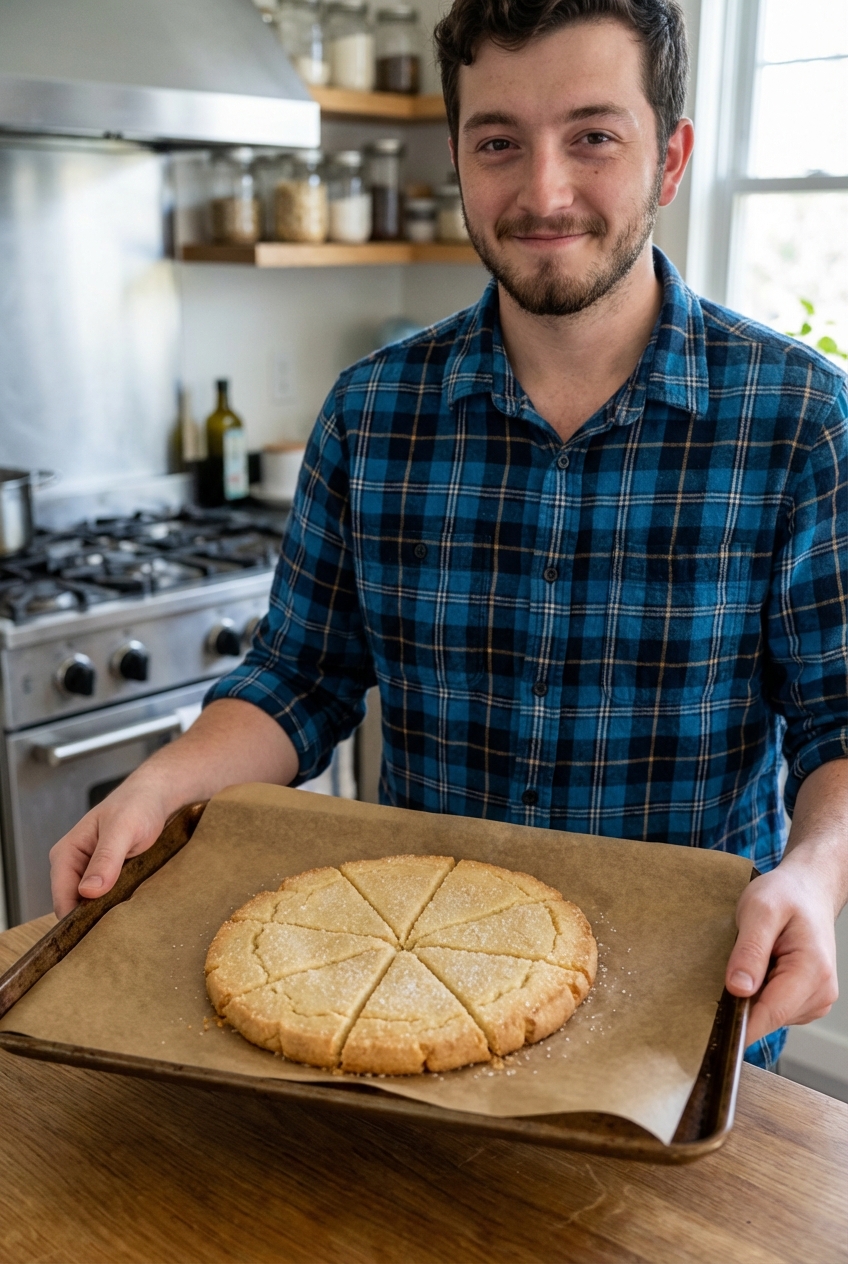
A real photo of buttery shortbread cookies cut into wedges on a parchment-lined baking sheet, lightly golden at the edges with a few sugar crystals on top

Shortbread is the cookie equivalent of a cozy sweater: simple, reliable, and somehow still impressive. This buttery shortbread cookie recipe leans into what makes shortbread great in the first place: real butter, a light hand, and a bake that lands right between crisp edges and melt-in-your-mouth centers.

If you have ever made shortbread that turned out crumbly in a bad way or weirdly tough, you are not alone. The trick is treating the dough like a friend who needs a little space: mix just until it clumps and there is no dry flour left, press it in, chill it, then bake until the edges whisper “golden” and not “brown.”
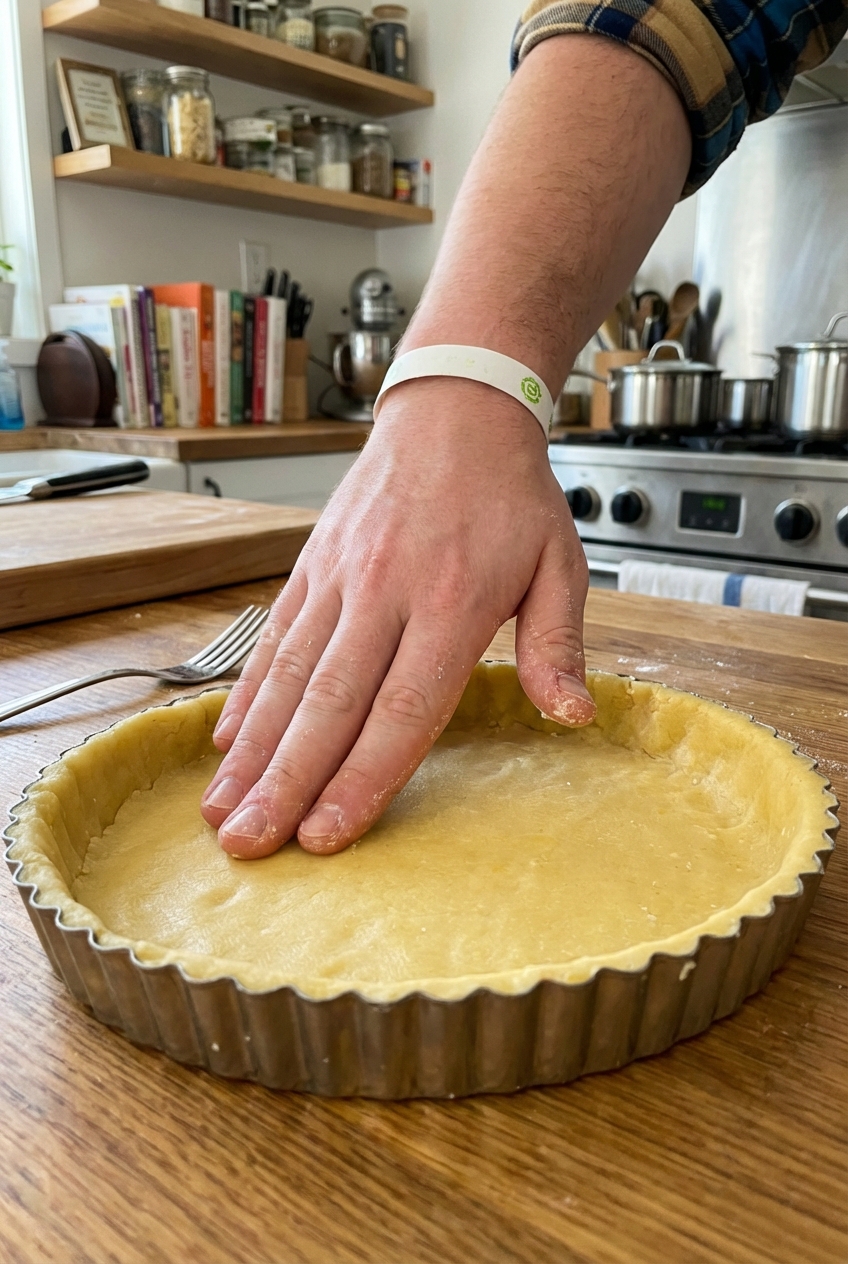
A real photo of a hand pressing shortbread dough evenly into a round tart pan before docking with a fork

Why It Works

  • Big buttery flavor, not greasy: Using room-temperature butter and a short chill helps keep the texture rich and clean, not oily.
  • Perfect texture: Powdered sugar keeps the crumb tender and fine, while a touch of granulated sugar on top adds sparkle and crunch.
  • No fussy rolling: This is a press-in shortbread. You can slice it into wedges or bars with minimal mess.
  • Reliable bake: Lower oven temp helps the shortbread cook through evenly, so you get pale-golden shortbread instead of toasted bricks.

Pairs Well With

Storage Tips

Room temperature: Store in an airtight container for up to 7 days. Add a piece of parchment between layers to protect the edges.

To keep them crisp: Avoid storing with soft cookies or bread. Moisture is the enemy of a good shortbread snap.

Freezer (baked): Freeze in a zip-top bag or airtight container for up to 3 months. Thaw at room temp, uncovered, for best texture.

Freezer (dough): You can freeze the dough, but do not send a delicate pan from freezer to oven unless it is clearly freezer-safe. For the safest option, press the dough into a parchment-lined pan or form it into a disk, wrap tightly, and freeze up to 2 months. Bake from frozen, adding 5 to 10 minutes as needed and using the same doneness cues: edges lightly golden, center set.

Common Questions

Why did my shortbread turn out tough?

Usually it is from overmixing, or using butter that was too cold so you had to work the dough harder. Mix just until the dough clumps and no dry flour remains, then press it in. No kneading, no stress.

Can I use salted butter?

Yes. Omit the added salt if your butter is salted, or add just a tiny pinch if you love a sweet-salty moment.

Do I have to chill the dough?

Chilling helps the butter firm up so the shortbread holds its shape and bakes up with cleaner edges. If you skip it, it may spread slightly and bake up a bit greasier.

How do I know when it is done if it is supposed to stay pale?

Look for light golden edges and a surface that looks set and matte, not shiny. If you gently tap the center, it should feel firm, not squishy.

Can I add flavors without ruining the texture?

Yes. Keep add-ins dry and light. Try 1 teaspoon vanilla, 1 to 2 teaspoons citrus zest, or 1/2 teaspoon almond extract. If adding spices, start with 1/4 to 1/2 teaspoon.

Shortbread is my “reset” cookie. When I am tired of complicated desserts or my kitchen looks like a flour tornado, I make this. It is the kind of recipe where you can be a little imperfect, press the dough in with your hands, and still end up with cookies that taste like you planned your whole life around butter. I like slicing it into wedges, sprinkling the top with sugar, then eating the first warm piece standing at the counter like it is a totally normal thing to do.