Mom's Best Recipes
Recipe

Cake Flour 101 (With a Fluffy Vanilla Cake)

A simple guide to cake flour, plus a tender vanilla layer cake recipe that proves why it matters.

Author By Matt Campbell
4.8
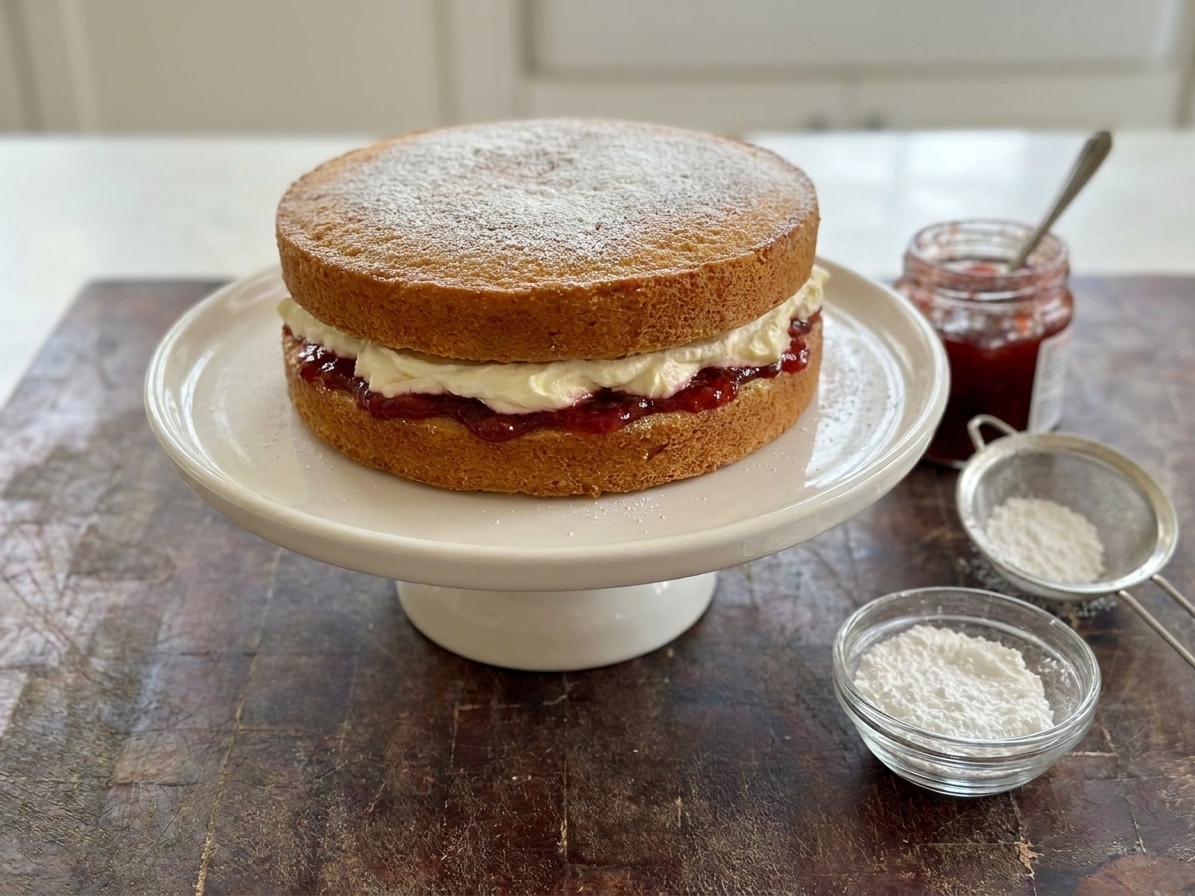
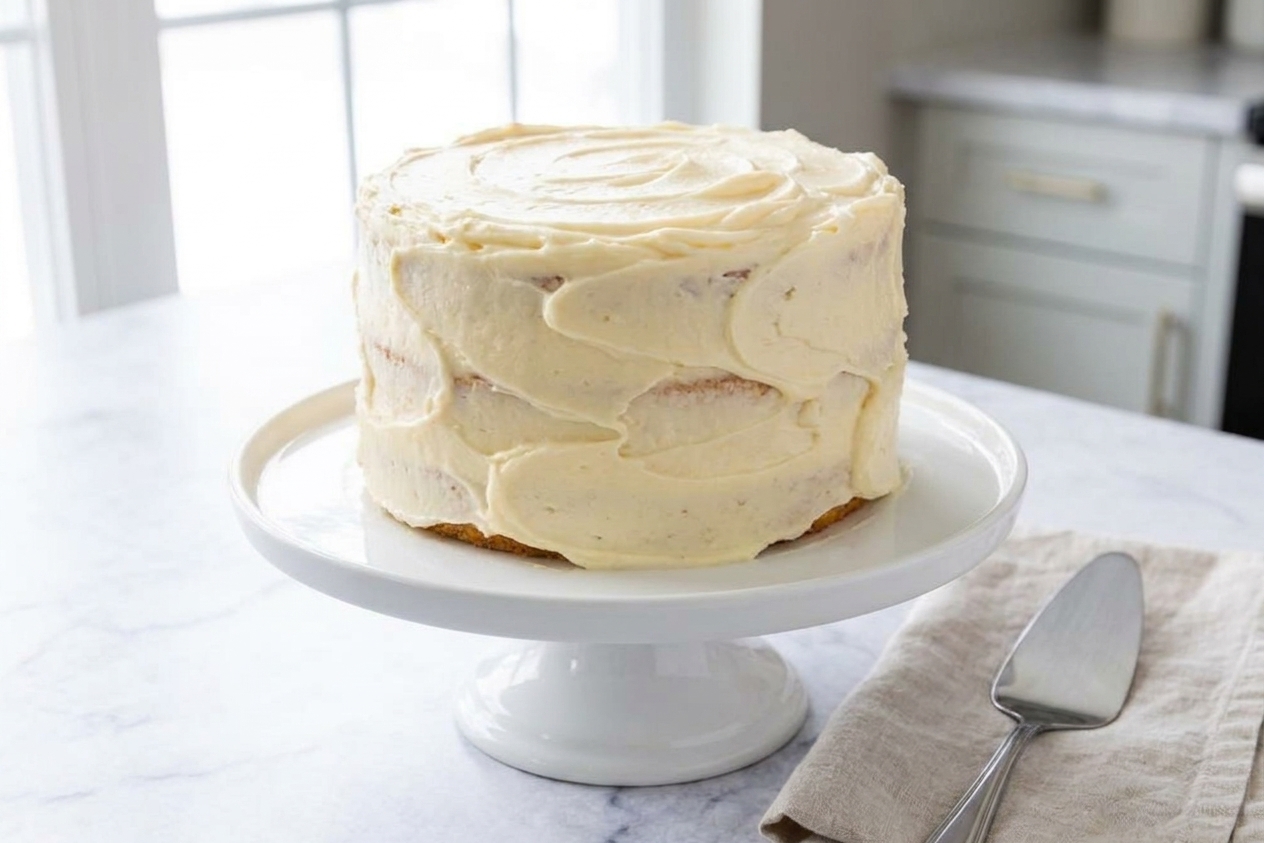
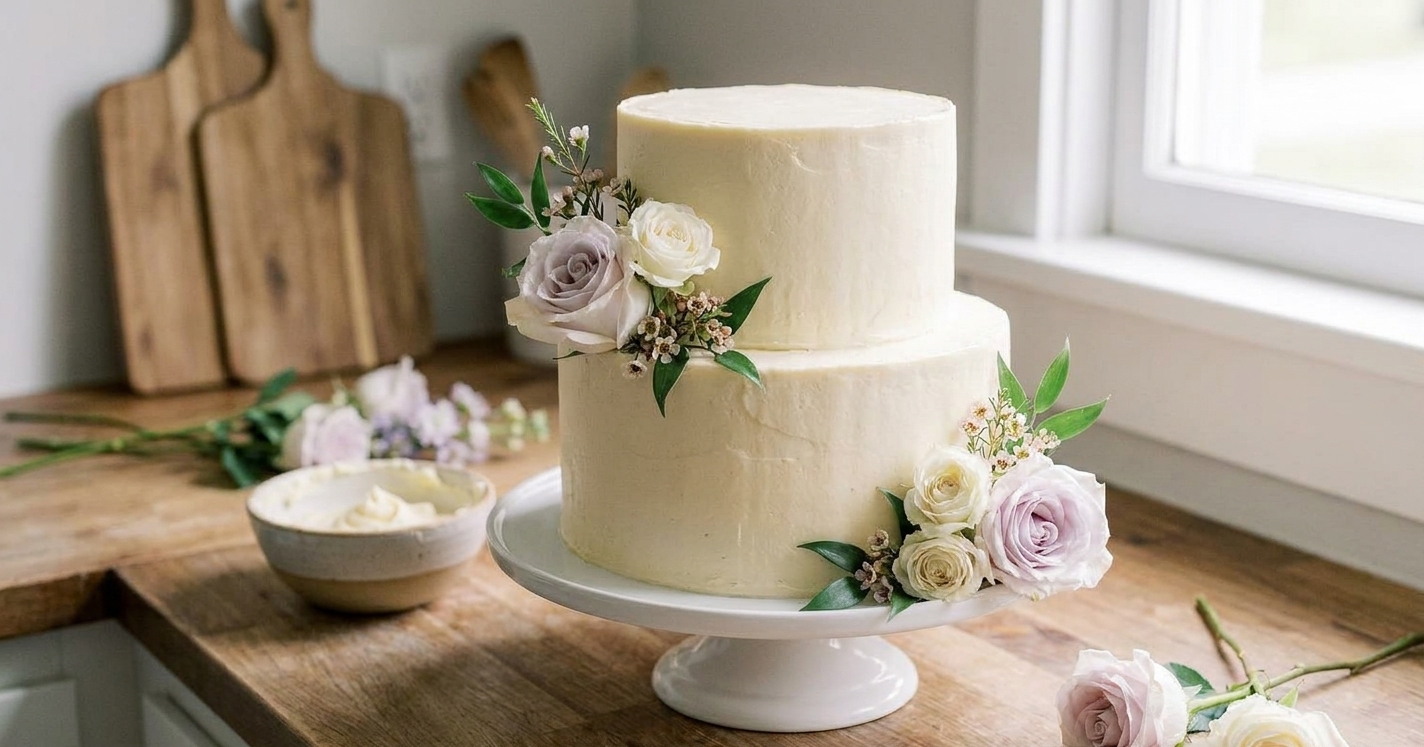
A tall, tender vanilla layer cake with pale golden edges and creamy frosting on a simple white cake stand on a bright kitchen table

Cake flour is one of those pantry items that sounds fussy, but the payoff is very real. If you've ever baked a cake that tasted great but felt a little bready, or you wanted that soft bakery crumb that practically melts on your tongue, cake flour is usually the missing puzzle piece.

It's not magic. It's just flour with a lower protein level, which means less gluten potential, which means a more tender, finer crumb. And yes, you can still bake great cakes with all-purpose flour. But if you want a cake that slices clean, stays plush, and feels like it belongs at a birthday party even when it's just a random Tuesday, cake flour is your friend.

Below I break down what cake flour is, when to use it, how to substitute it in a pinch, and a fluffy vanilla cake recipe designed to show off exactly what cake flour does best.
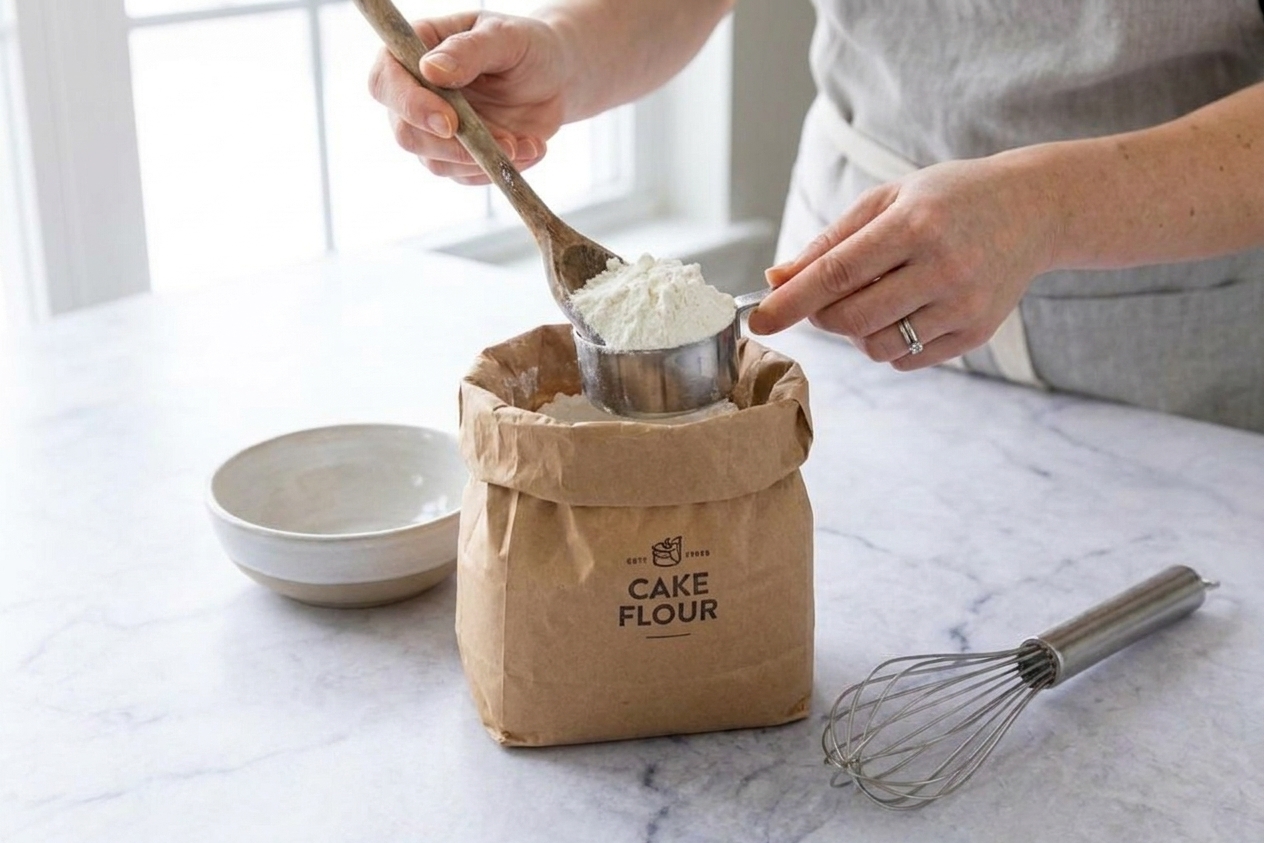
A wooden spoon and a metal measuring cup scooping fine white cake flour from an open bag on a light kitchen counter

Why It Works

  • Soft, fine crumb: Cake flour helps the cake bake up tender instead of chewy.
  • Light texture with good structure: Cake flour supports a delicate, even crumb, so the cake feels plush and slices cleanly.
  • Less risk of toughness: Even if you mix a little too enthusiastically, cake flour is more forgiving than all-purpose.
  • Classic vanilla flavor that pops: A simple vanilla base lets the texture be the star, with enough salt and vanilla to keep it interesting.

Pairs Well With

Storage Tips

At room temp: Store frosted cake slices in an airtight container for up to 2 days. If your kitchen runs warm or humid, refrigerate instead.

In the fridge: Keep covered up to 5 days. For the softest texture, let slices sit at room temperature for 30 to 60 minutes before eating.

In the freezer: Freeze unfrosted layers wrapped tightly in plastic wrap, then foil, for up to 2 months. Thaw overnight in the fridge, then frost. You can also freeze individual frosted slices on a tray until firm, then wrap and store for quick future cake emergencies.

Common Questions

What is cake flour?

Cake flour is a finely milled flour made from soft wheat with a lower protein percentage than all-purpose flour. Lower protein means less gluten potential, which is what helps cakes bake up with that tender, delicate crumb.

Is cake flour the same as all-purpose flour?

No. All-purpose flour has more protein, which makes it better for structure and chew in things like cookies and breads. Cake flour is designed for softness. Swapping them 1:1 can change texture quite a bit.

When should I use cake flour?

Use it when you want a light, tender bake: layer cakes, sheet cakes, cupcakes, some muffins, and delicate cookies. It really shines in vanilla and sponge-style cakes where texture is the main event.

Can I make a cake flour substitute at home?

Yes. For every 1 cup of cake flour, measure 1 cup all-purpose flour, remove 2 tablespoons, then add 2 tablespoons cornstarch. Whisk well and sift if you can.

This is a great pinch-hitter, but it isn't identical to store-bought cake flour. In the U.S., many cake flours are bleached (often chlorinated), which changes how the flour absorbs liquid and sugar and can make cakes extra tender.

Do I need to sift cake flour?

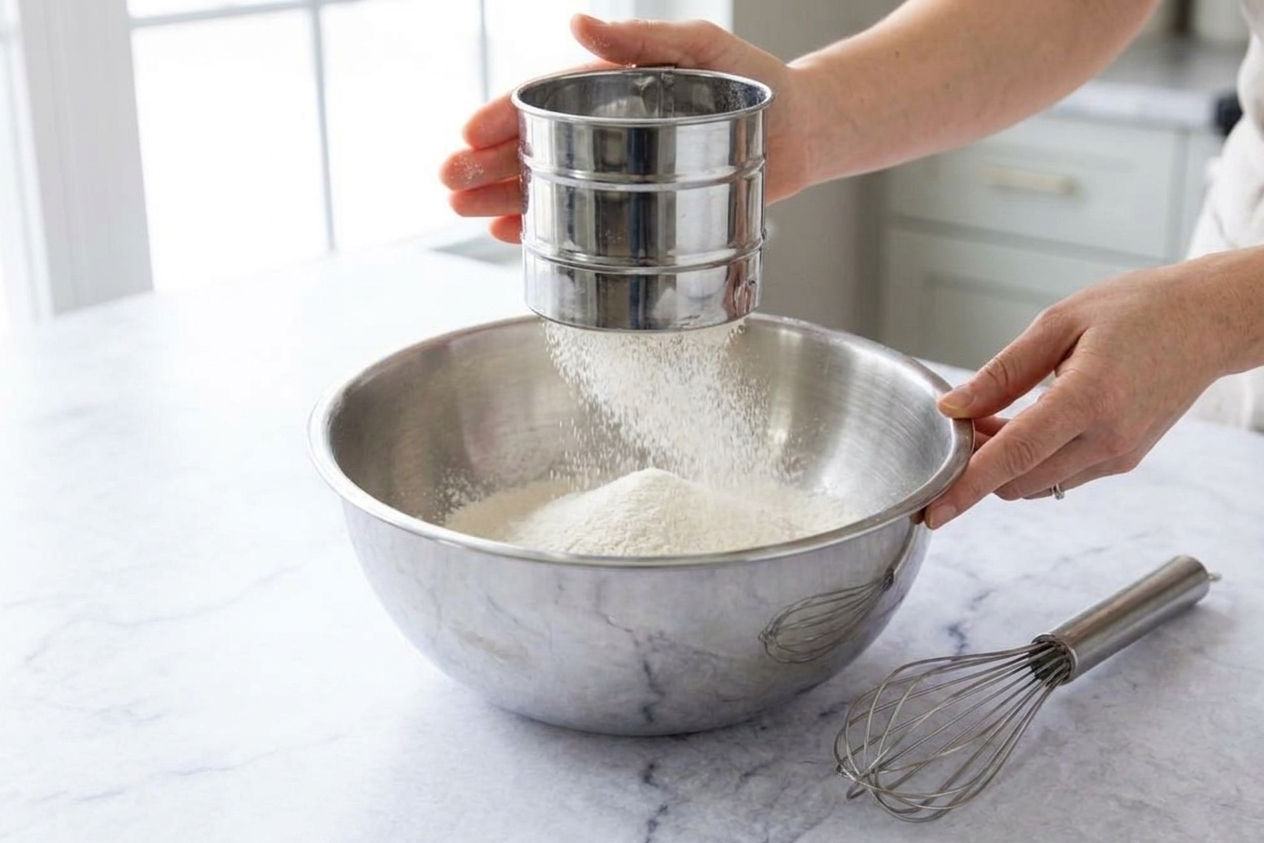
Often, yes. Cake flour can compact easily. Sifting helps it measure more accurately and mixes into batter without stubborn lumps. If you don't own a sifter, whisking the dry ingredients aggressively for 30 seconds helps.

Why did my cake turn out dense even with cake flour?

Common culprits: overmixing after adding flour, expired baking powder, ingredients too cold, or overbaking. Also make sure you aren't packing flour into the measuring cup. Spoon it in and level it off.

Can I use cake flour for cookies or bread?

You can, but results change. Cookies can turn out more cake-like and less chewy. Bread usually needs higher protein for structure, so cake flour isn't ideal there.

Cake flour being sifted into a large mixing bowl on a bright kitchen counter with a whisk nearby

I avoided cake flour for a long time because it felt like one more specialty ingredient I'd buy, use once, and then stare at guiltily from the back of the pantry. Then I baked a simple vanilla cake with it, sliced into it, and immediately understood the hype. The crumb was soft without being fragile, and the whole thing had that bakery vibe where you keep “just tasting” until somehow your slice is gone.

Now I treat cake flour like a weeknight tool, not a fancy one. When I want a cake that behaves, rises evenly, and stays tender for days, I grab the cake flour and don't overthink it. The goal isn't perfection. The goal is a good slice and a fork that keeps going back for more.