
Yes, you can absolutely freeze pie dough. Future-you will feel like a kitchen wizard when pie night rolls around and the hard part is already done. The goal is simple: keep the dough cold, protected from air, and flat enough to thaw evenly so you do not lose that tender, flaky texture.
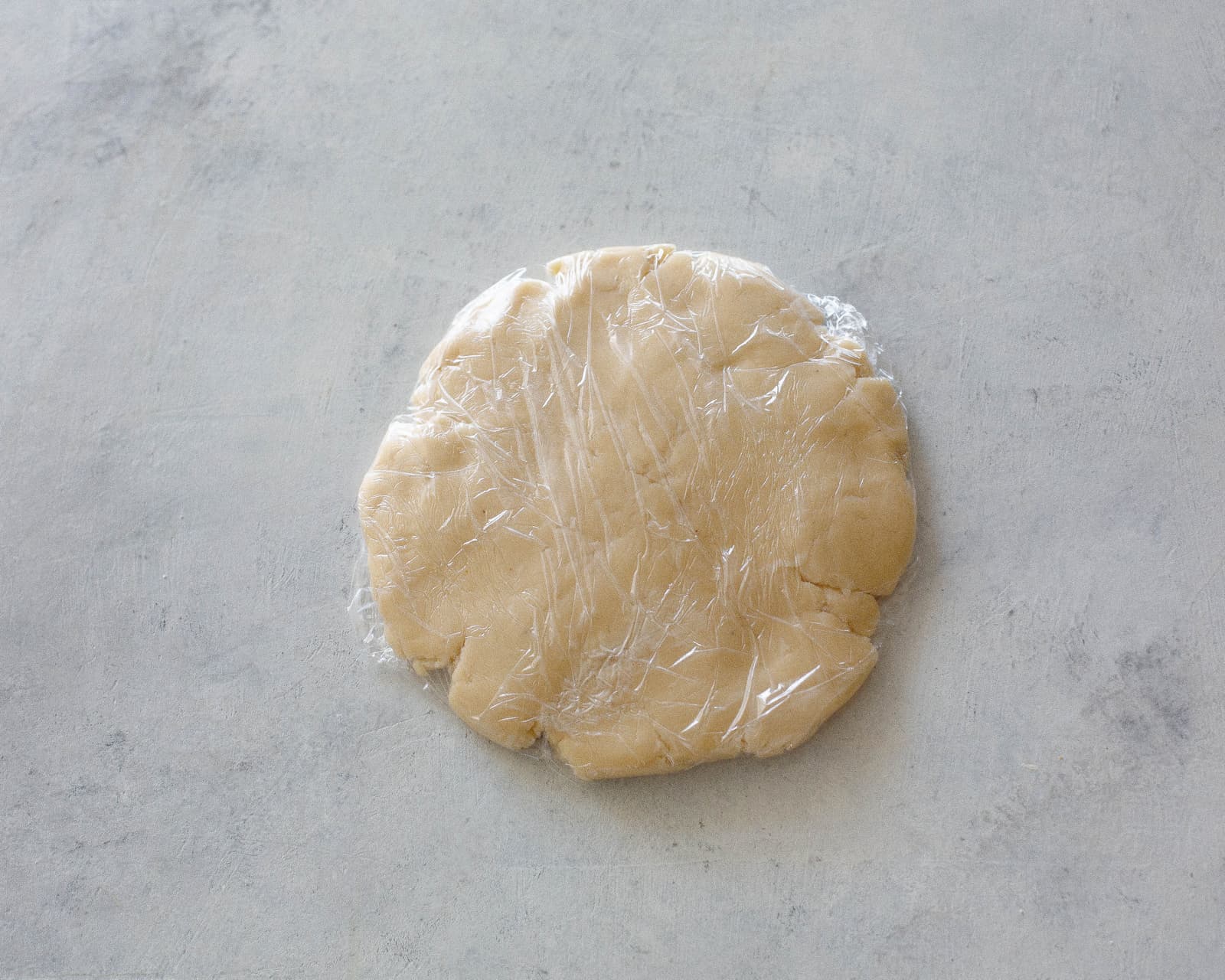
Below are three reliable ways to freeze pie dough: as discs, as rolled rounds, or pressed into a pie plate. Pick the one that matches how you bake.
Before you freeze: quick checklist
Pie dough is happiest when it stays cold and does not dry out. Do these small steps and your crust will taste like you made it the same day.
- Chill first. Refrigerate the dough until firm before freezing. Cold dough is easier to wrap tightly without squishing it.
- Wrap airtight. Air is what causes freezer burn and weird dry edges.
- Label it. Write what it is and the date. If you have multiple dough styles, note that too.
- Freeze flat. A flat shape freezes and thaws more evenly, which helps prevent cracking later.
Freezer timeline, in plain English: for most methods, pie dough is best within 2 to 3 months. It is often safe longer, but quality tends to slowly decline the longer it sits.
Method 1: Freeze as discs
This is my favorite plan for make-ahead pie crust because it is flexible. One disc can become a bottom crust, a top crust, lattice strips, hand pies, you name it.
How to do it
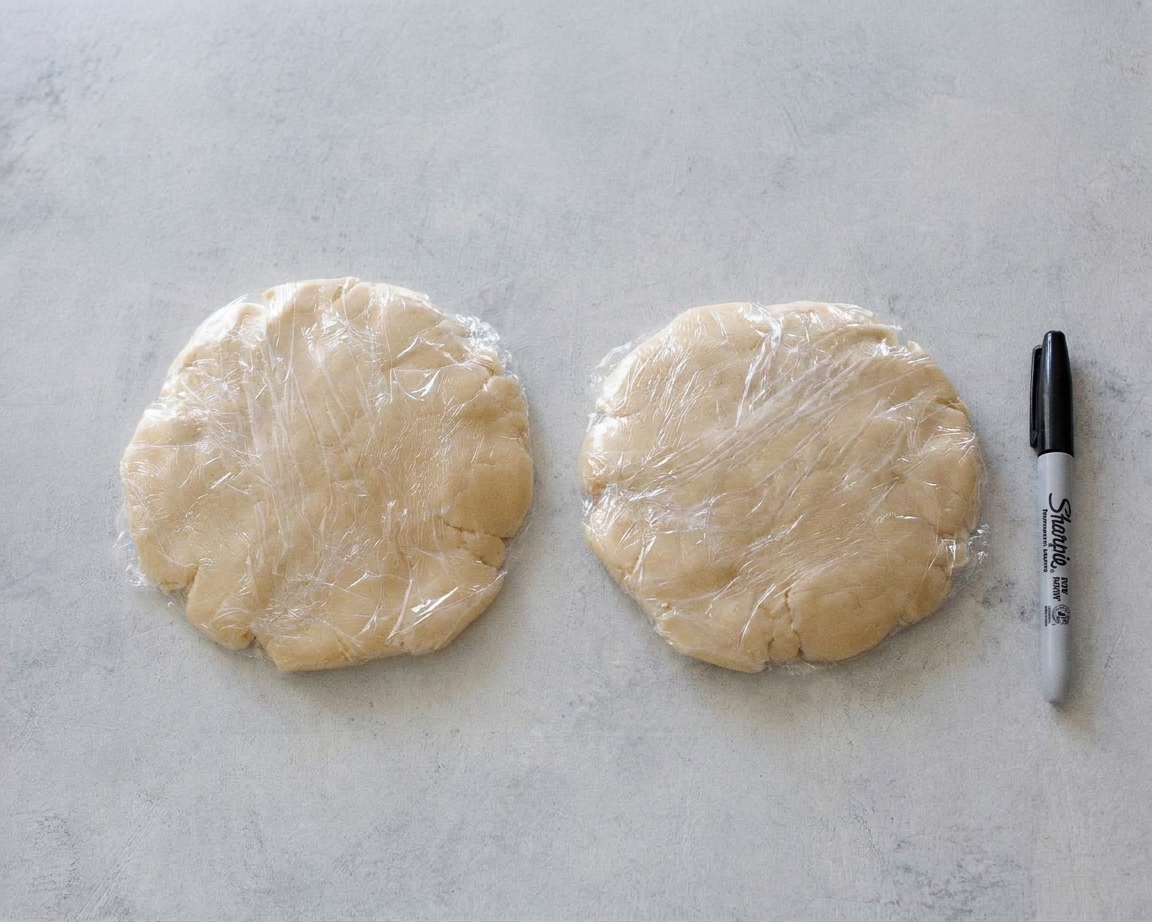
Shape the dough into a disc. Aim for about 1 inch thick. If your recipe makes two crusts, make two separate discs now.
Wrap tightly in plastic wrap. Use at least two layers and press out as much air as you can.
Add a second barrier. Slide the wrapped disc into a freezer bag or wrap in foil. This extra layer is your freezer-burn shield.
Freeze on a flat surface. A small sheet pan or cutting board in the freezer keeps it from freezing in a lumpy shape.
How long will discs last?
For best quality, use frozen pie dough discs within 2 to 3 months. It will often be safe longer if your freezer stays consistently cold, but the texture can slowly suffer as it sits.
Method 2: Freeze as rolled rounds
If you know you will be making a standard pie in a standard pan, freezing a rolled round is like gifting yourself a shortcut. This can also help if you dislike rolling dough at the last minute.
How to do it
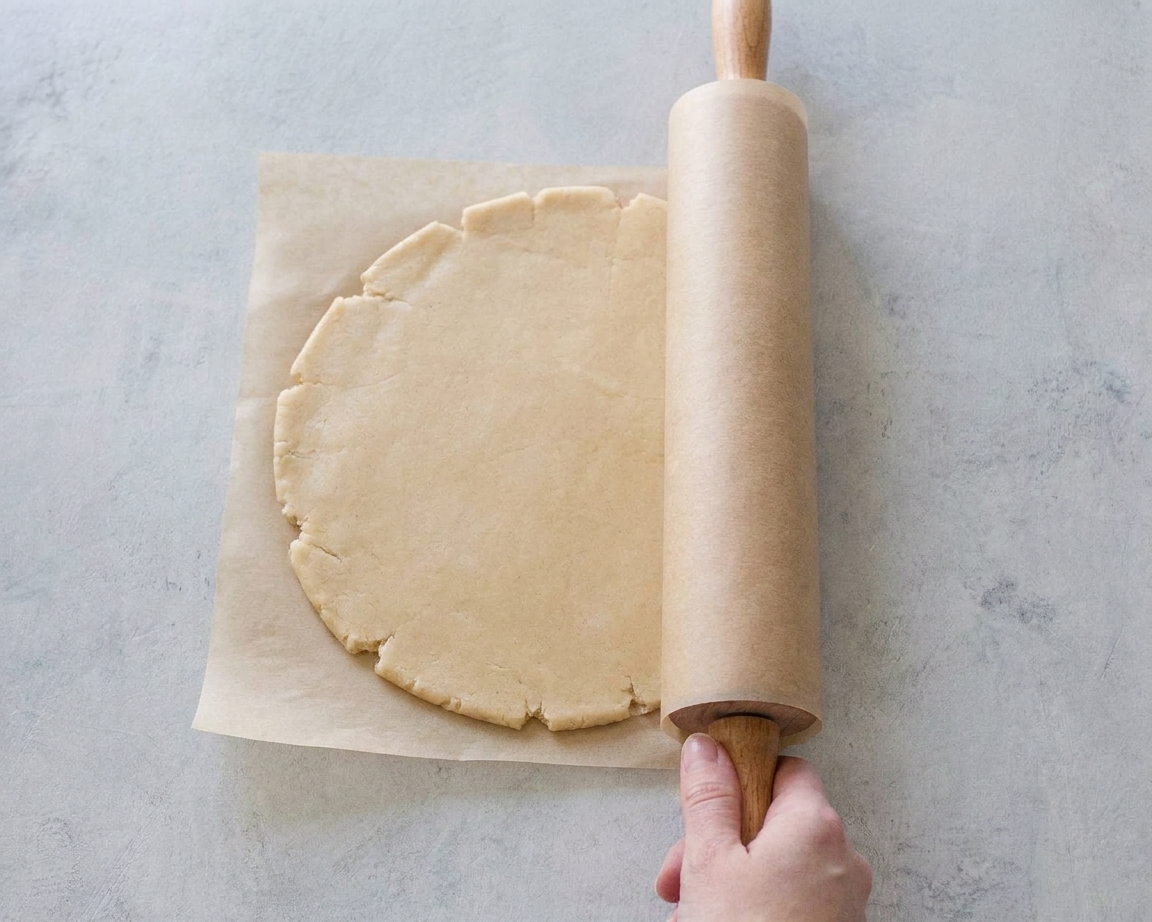
Roll the dough between two sheets of parchment paper. Roll it to roughly the size you need, usually 12 to 13 inches for a 9-inch pie plate.
Keep it sandwiched in parchment. Do not remove the paper. It prevents sticking and protects the surface.
Keep it flat or roll it loosely. Flat is ideal if you have freezer space. If you roll it, keep it loose so the dough does not crack.
Wrap airtight. Plastic wrap plus a freezer bag works well here too.
Freezer life
For best results, plan on 2 to 3 months. Longer storage is often safe, but expect gradually drier edges and less-than-perfect flake.
Best use
Rolled rounds are great for single crust pies and bottom crusts. If you want a fancy lattice top, discs usually thaw with less risk of cracking.
Method 3: Freeze in a pie plate
This method is wonderfully practical when you want to get a crust ready ahead of time. It is also helpful if you tend to overwork dough while fitting it into the pan.
One important note: freeze it in the plate, but plan to thaw in the fridge before baking for most recipes. Also, if you use a glass pie plate, avoid sudden temperature swings to reduce the risk of thermal shock. Do not move a frozen glass plate straight into a hot oven.
How to do it
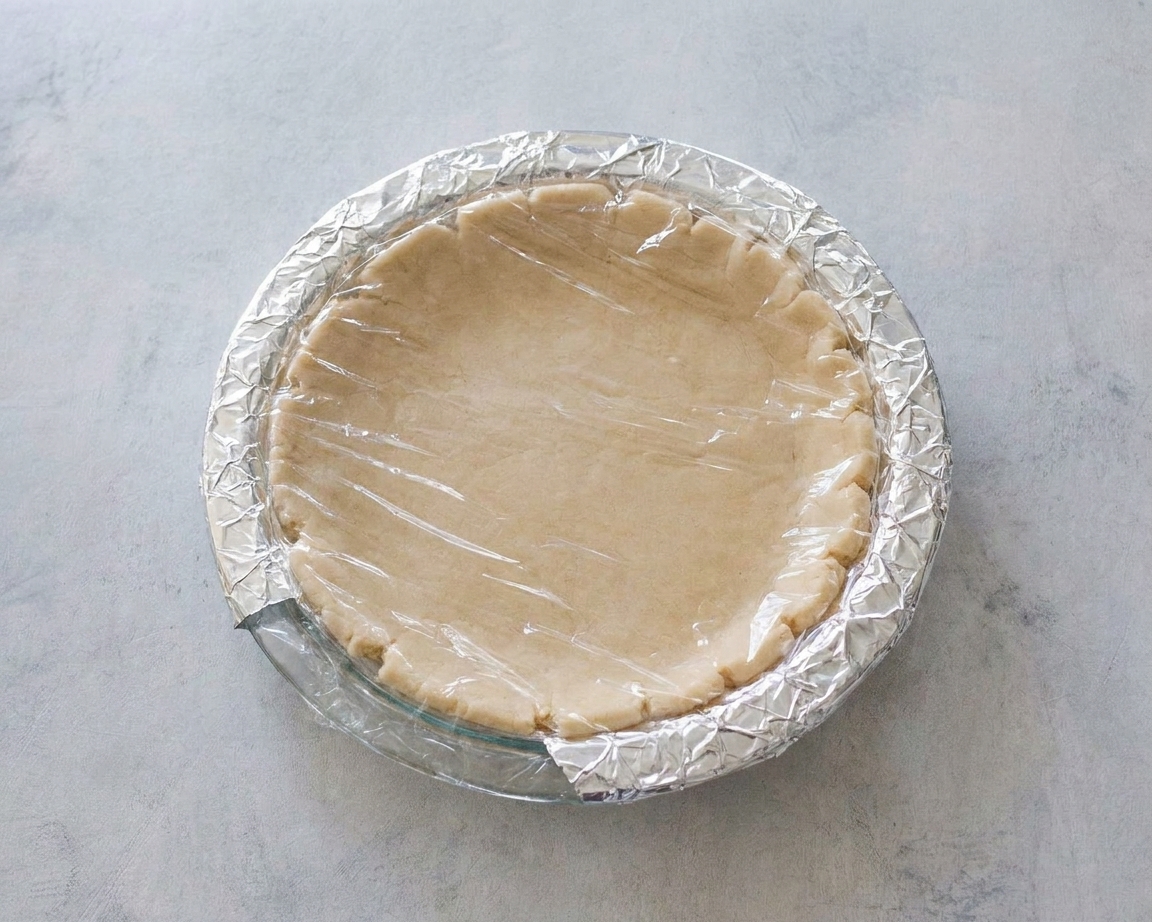
Press the dough into the pie plate. Fit it gently, avoiding stretching. Crimp the edge if you like.
Chill until firm. Pop the whole plate in the fridge until the dough feels cold and set.
Protect the edge. If you have room, set the plate inside a rigid container or cover it with an inverted pie plate before wrapping. This helps keep the rim from getting bumped and broken.
Wrap the entire plate well. Wrap in plastic wrap, then foil. Try to seal the rim area especially well.
Freeze level. Set it on a flat surface in the freezer so it freezes evenly.
Freezer life
For best quality, plan on 1 to 2 months when it is already in the plate, since it is a bit harder to wrap perfectly airtight around the shape.
How to thaw frozen pie dough
The best thawing method is simple and not very exciting, which is usually the best kind of kitchen advice.
Thaw in the fridge
- Discs: thaw in the refrigerator overnight, or at least 8 hours.
- Rolled rounds: thaw in the refrigerator until flexible, usually 4 to 8 hours, depending on thickness and how cold your freezer runs.
- Crust in a pie plate: thaw in the refrigerator until it no longer feels rock-solid, often overnight.
Why the fridge matters: Slow thawing keeps the fat cold. Cold fat is what creates flakes. Warm dough turns soft and sticky, and it can bake up tougher.
Can you thaw on the counter?
You can, but it is easy to overshoot. If the dough gets warm, it becomes sticky and harder to handle, and it can slump or shrink more in the oven. If you must use the counter, keep it brief (about 10 to 20 minutes) and watch it closely.
Can you bake from frozen?
For most pies, it is easiest to thaw in the fridge first, then roll or fill and bake. Some recipes (especially certain blind-bake instructions) may start with a very cold or even frozen crust, so follow the method your recipe is built for. If your crust is in a glass plate, avoid going from frozen to hot.
Rolling after thawing
Once thawed, your dough should feel cold but workable. If it is still hard as a hockey puck, give it a little more fridge time. If it is floppy and sticky, chill it again before rolling.
Tips for success
- Let it rest for 5 to 10 minutes. A cold disc straight from the fridge sometimes needs a brief sit so the edges do not crack.
- Tap the disc with a rolling pin first. A few gentle thumps help soften it evenly before you start rolling.
- Use light flour. Flour your surface and pin lightly, then brush off excess. Too much flour can dry the crust.
- If cracks appear, patch them. Press the crack together with your fingertips. A tiny dab of water can help it fuse.
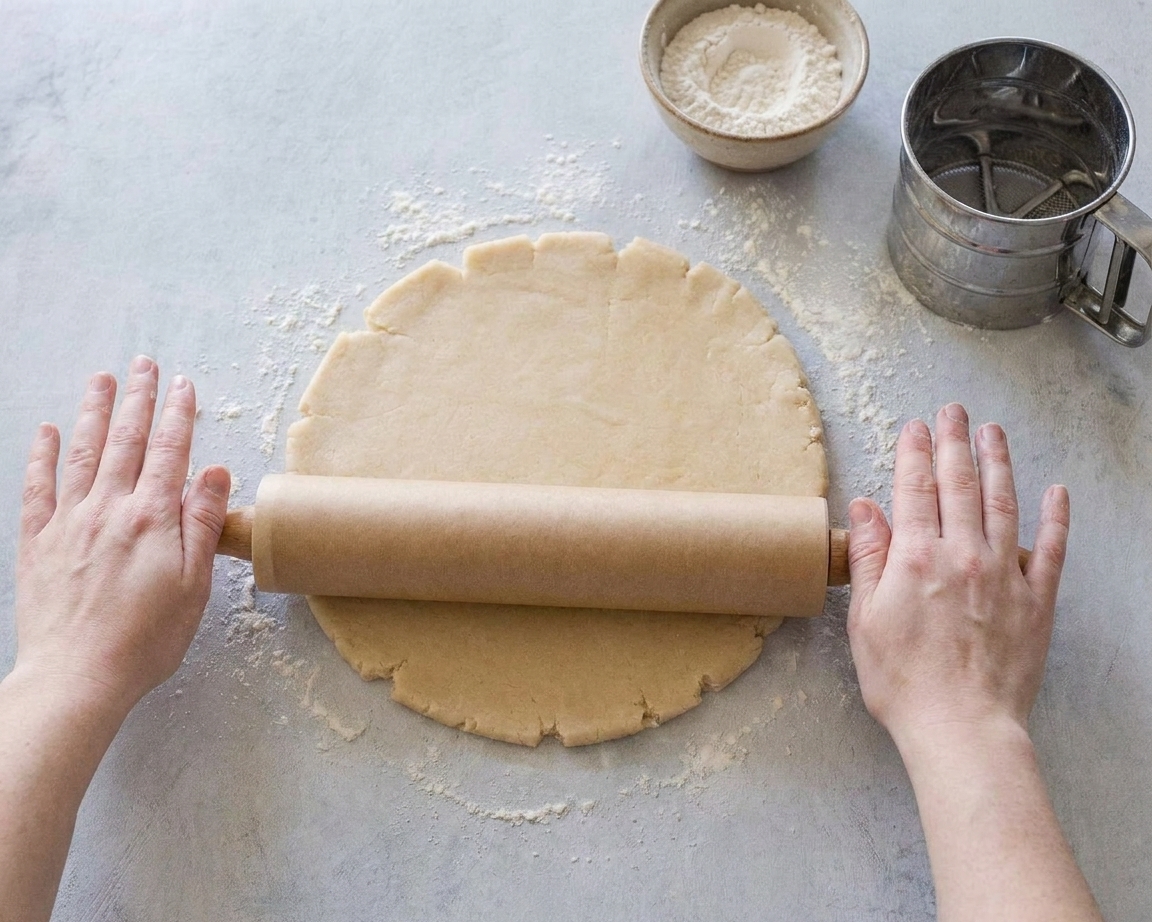
If the dough feels greasy or leaves oily marks, it is too warm. Slide it onto a sheet pan and chill 10 to 15 minutes, then try again. This is also a good rule before baking: if the dough seems soft, a quick re-chill helps it hold its shape in the oven.
When to freeze a baked crust
Sometimes, the best make-ahead move is baking the crust first, then freezing the baked shell. This is especially helpful for pies where you want a crisp crust and a quick assembly day.
Freeze a baked crust if:
- You are making a no-bake pie (like many cream or pudding-style pies).
- You are planning a pre-baked, fully cooked filling and want the crust ready to go.
- You want to reduce the risk of a soggy bottom.
How to freeze a baked crust
Let the crust cool completely.
Wrap it carefully in plastic wrap, then foil.
Freeze it on a flat surface so the edge does not get bumped.
When you are ready to use it, unwrap and let it sit at room temperature briefly, then fill. If you want extra crispness, you can warm it in the oven for a few minutes before filling, as long as your filling plan allows it.
FAQ
Can I freeze pie dough with egg or vinegar in it?
Yes. Doughs with a little vinegar or egg generally freeze fine. The same wrapping and thawing rules apply: airtight wrap and a slow thaw in the fridge.
Can I freeze pie dough after it has been in the fridge for a few days?
Usually, yes, as long as it still smells fresh and looks normal. If it is already close to the end of its fridge life, freezing will not magically improve it. It just pauses the clock.
Should I freeze it before or after the first chill?
Freeze it after the dough has chilled and firmed up. Cold dough is easier to wrap well, and it freezes more evenly.
How do I keep frozen dough from getting freezer burn?
Use a double wrap (plastic wrap plus a freezer bag or foil), press out air, and label so you actually use it in the best-quality window.
Little hedgehog wrap-up
If you want the simplest, most flexible option, freeze pie dough as discs. If you want to save time on baking day, freeze rolled rounds. And if you want pure convenience, press it into a pie plate and freeze it ready for a planned, gentle fridge thaw. No matter which route you pick, the secret is airtight wrapping and a slow thaw in the fridge so your crust stays flaky and cozy.