
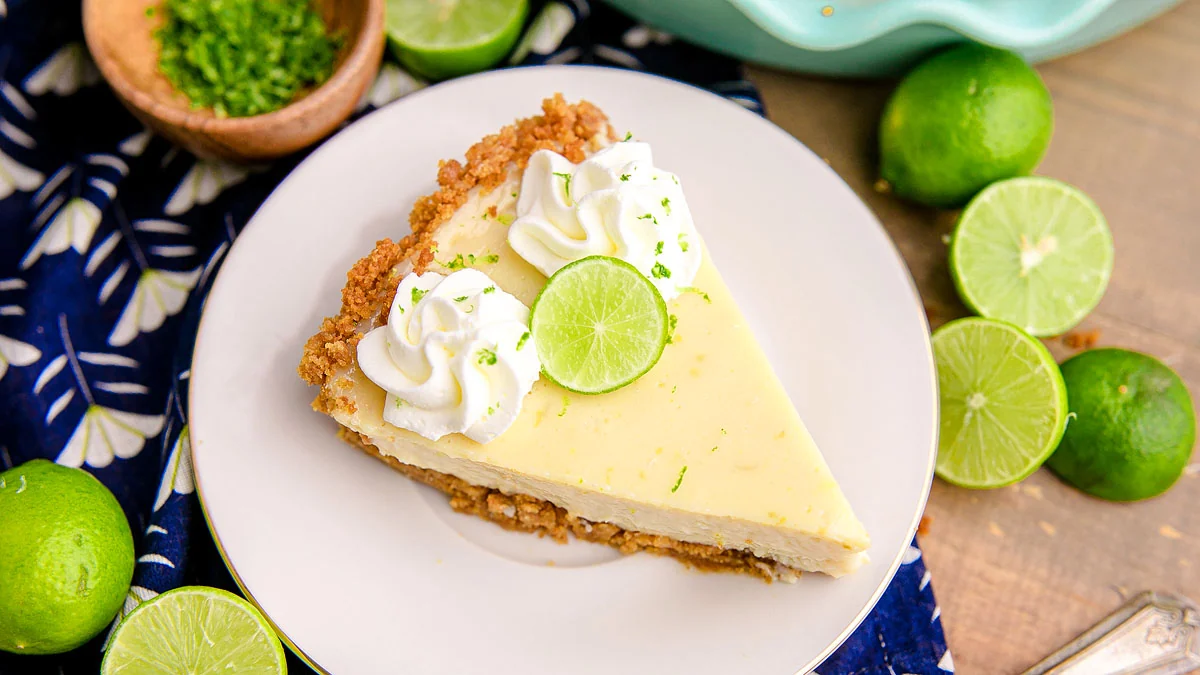
Yes, regular limes work
You can absolutely use regular grocery store limes for key lime pie. Most of the time those are Persian limes, and they make a pie that is still creamy, tangy, and totally worth clearing a spot in the fridge.
What changes is the flavor tone more than anything. A pie made with Key limes tends to taste more floral and punchy. A pie made with Persian limes tastes brighter and a little more straightforward. Still delicious, just slightly different vibes.
Key limes vs Persian limes
If you have ever stood in the produce aisle squinting at little limes and big limes like they are about to give you a pop quiz, you are not alone. Here’s the simple breakdown.
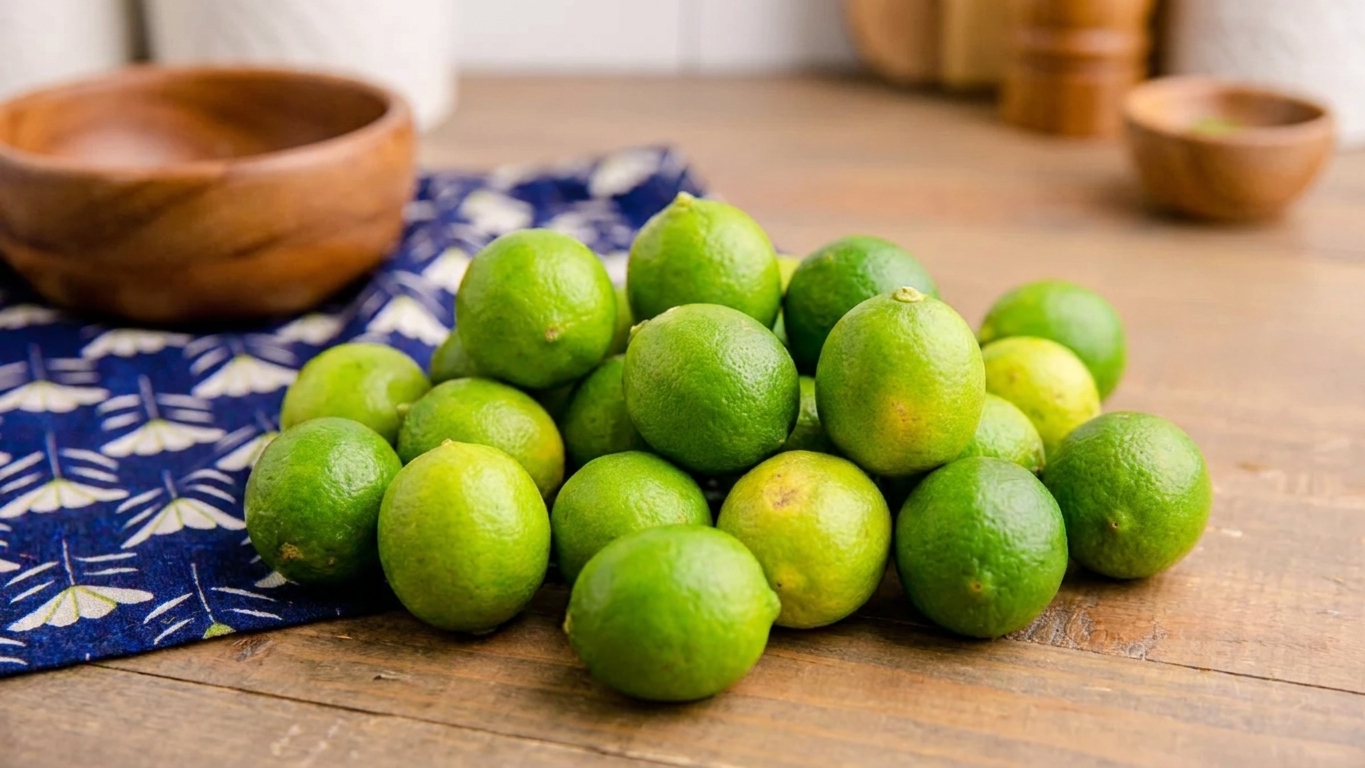
Key limes (often sold as Mexican limes)
- Smaller, often about golf ball size
- Thinner skin, usually more aromatic
- More seeds, more effort, more reward
- Flavor is often described as tart, floral, and slightly bitter in a good way
Naming note: Depending on where you live, “Mexican lime” can be used loosely for small, seeded limes. If they are tiny, fragrant, and packed with seeds, you are in the Key-lime neighborhood.
Persian limes (regular limes)
- Larger, smoother and thicker-skinned
- Fewer seeds, easier to juice
- Flavor is bright, sharp, and clean
- Usually what most US stores stock year-round
Acidity note: Both are plenty acidic for a classic condensed-milk-based filling. In baked versions, the filling sets from a combo of acid thickening plus egg setting in the oven. In no-bake versions (if you make one), the acid does more of the heavy lifting, so sticking to the recipe’s juice amount matters even more.
How to substitute Persian limes
Use the same amount of juice your recipe calls for. The real trick is planning for how many limes you will need and how much zest to add.
Juice swap
- 1:1 by volume: if the recipe calls for 1/2 cup Key lime juice, use 1/2 cup Persian lime juice.
- Persian limes are larger, so you usually need fewer of them.
Rough yield guide (it varies):
- 1 Key lime: about 2 to 3 teaspoons juice
- 1 Persian lime: about 1 to 2 tablespoons juice
So if your recipe needs 1/2 cup juice (8 tablespoons), expect roughly:
- 4 to 8 Persian limes (depending on size and juiciness)
- 12 to 24 Key limes (still a tiny-citrus workout)
Zest swap
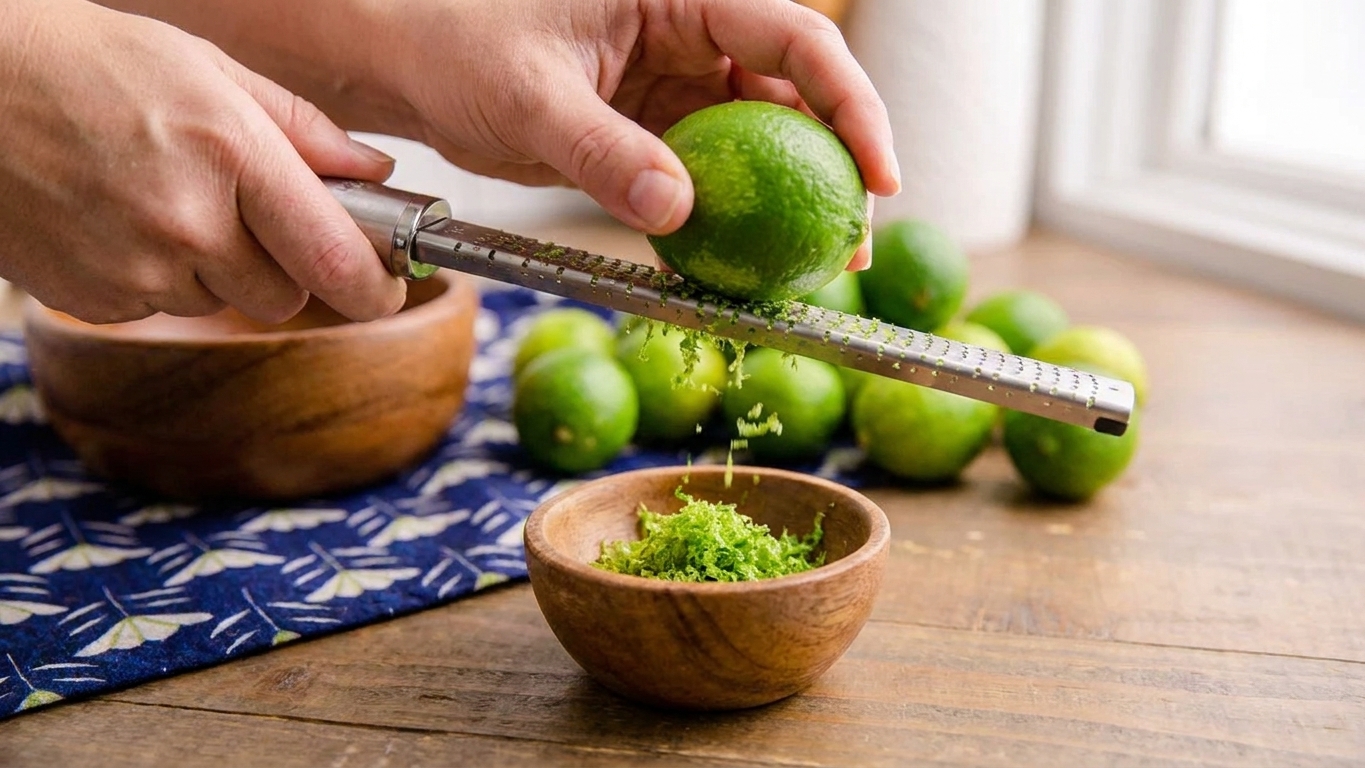
Key lime zest is more intense and perfume-y. Persian lime zest can be a little harsher if you go heavy, especially if you accidentally get too much white pith.
- If a recipe calls for 1 teaspoon Key lime zest, use 3/4 to 1 teaspoon Persian lime zest.
- If your recipe calls for 1 tablespoon Key lime zest, use 2 to 2 1/2 teaspoons Persian lime zest to start.
Pro tip: Zest the limes before you cut and juice them, and only take the bright green outer layer. When the zest turns pale, stop.
And instead of tasting a raw-egg filling, do this: rub a pinch of zest between your fingers and smell it. If it smells bold and limey, you are probably right where you want to be.
Keep the filling balanced
Most classic key lime pie fillings are a three-part harmony: sweetened condensed milk, egg yolks, and lime juice. The acid starts thickening the dairy, and baking finishes the job by setting the eggs. Then the fridge time helps everything firm up and mellow.
When you swap limes, the filling can tilt in one of two directions:
- Too mellow: if your Persian limes are mild, the pie can taste more like “lime cream pie” than that signature key lime zing.
- Too sharp: if your Persian limes are extra punchy and you add a lot of zest, the bite can feel more aggressive.
Easy balancing moves
- Add zest for aroma, not extra juice. If the pie tastes a little flat, a small increase in zest often helps more than adding more juice.
- Do not reduce condensed milk. That sweetness is part of the set and the classic flavor. Less condensed milk can make the pie taste harsh and can throw off texture.
- Chill fully. Many “too tart” complaints mellow after several hours in the fridge. Overnight is extra dreamy if you can.
If you are worried it tastes intense right after mixing, remember it is concentrated at that point. Once baked (if your recipe bakes) and chilled, and served with whipped cream or meringue, it usually settles into that tart-sweet comfort zone.
What about bottled Key lime juice?
Bottled Key lime juice is a handy shortcut, especially when Key limes are out of season or you do not feel like wrestling a pile of tiny citrus. It can still make a very tasty pie, but the flavor can be slightly different from fresh.
How bottled juice behaves
- It is often more consistent in acidity from bottle to bottle than random fresh limes.
- It can taste a bit less fragrant than freshly squeezed because aroma compounds fade over time.
- Some brands taste more “cooked” or more one-note.
How to make bottled juice taste more like fresh
- Add fresh zest. Even 1 to 2 teaspoons of fresh zest wakes the whole pie up.
- Use 100% juice. If the ingredient list is long or includes a lot of extras, the flavor can drift.
- Do not add extra juice just because it is bottled. Stick to the recipe’s amount so the texture sets properly.
Quick swap guide
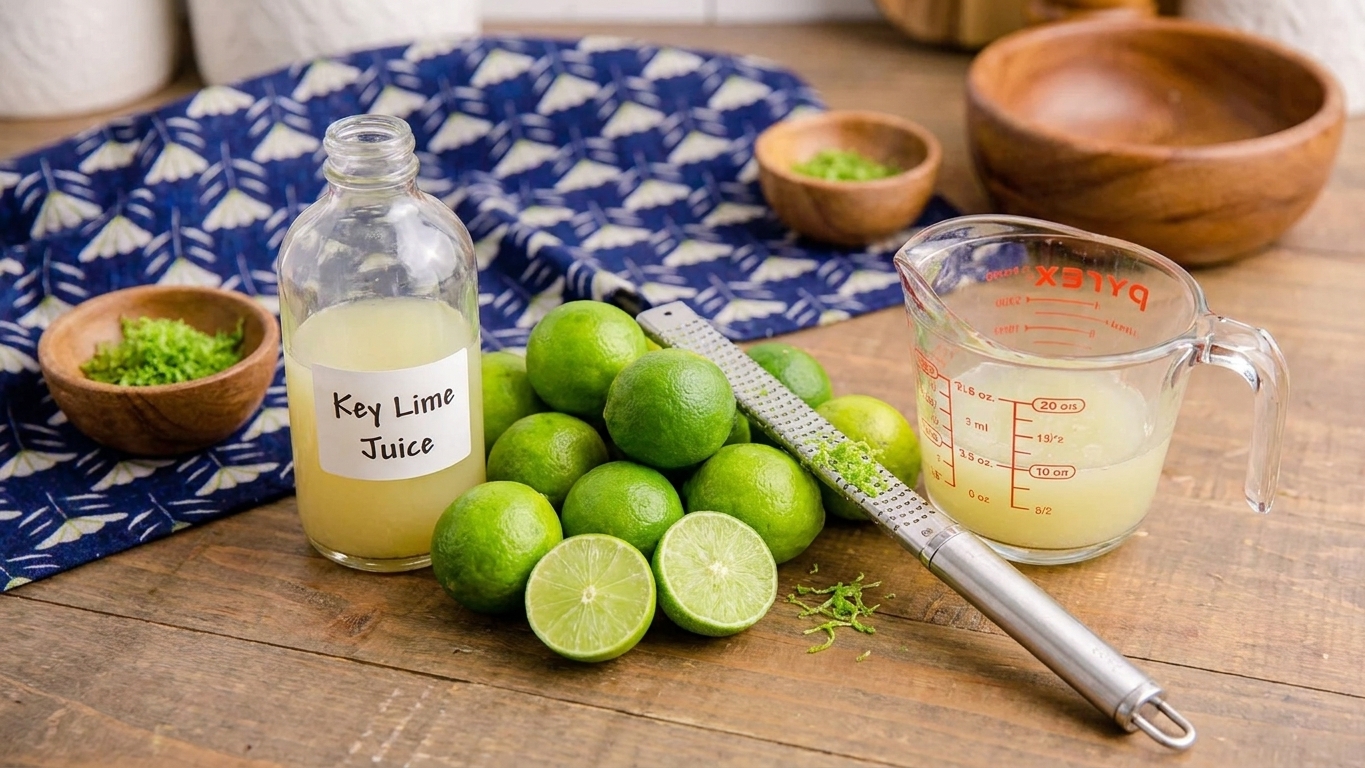
Here’s a cozy little cheat sheet for common recipe amounts. Measure juice in a cup or measuring glass, and treat zest as adjustable for taste. These are starting points.
For 1/4 cup juice
- Use 1/4 cup Persian lime juice
- Zest: start with 1 to 1 1/2 teaspoons
For 1/3 cup juice
- Use 1/3 cup Persian lime juice
- Zest: start with 2 teaspoons
For 1/2 cup juice
- Use 1/2 cup Persian lime juice
- Zest: start with 2 to 3 teaspoons
Rule of thumb: With Persian limes, start a tiny bit lighter on zest, then add more next time if you want a bolder lime perfume.
Color expectations
If you are expecting neon green, here is your gentle heads-up: traditional key lime pie is usually a soft pale yellow to light green. Egg yolks and condensed milk bring warmth, and fresh lime juice does not dye the filling bright green. A little green tint is normal, but a very natural-looking pie is often more golden than people expect.
Common mistakes
- Using bottled lime juice labeled just “lime juice”: It can be very harsh. If you go bottled, choose bottled Key lime juice when you can, and add fresh zest.
- Zesting into the white pith: Pith adds bitterness fast. Use a light hand.
- Changing the juice amount: Adding more juice can make the filling looser and sharper. Keep the volume the same and adjust flavor with zest.
- Skipping chill time: Key lime pie needs time to set and mellow. Overnight is extra dreamy if you can.
FAQ
Will it still be Key lime pie?
Purists might call it lime pie, but in real-life kitchens (including mine), it is close enough to scratch the itch. It will still be tangy, creamy, and classic.
Can I mix Key limes and Persian limes?
Yes. Mixing is a nice way to stretch a small bag of Key limes. Combine juices to reach the total amount, then zest whichever ones smell the most fragrant.
Do Persian limes have the same acidity?
Both are acidic enough for the traditional condensed milk and egg yolk filling to set. The bigger difference is flavor and aroma, not whether the pie will work.
If my pie tastes too tart, what should I do?
Serve with whipped cream or meringue, let it chill longer, and do not cut back on condensed milk next time. If you want to tweak the next pie, reduce zest slightly before reducing juice.