What cut is best for carne asada?
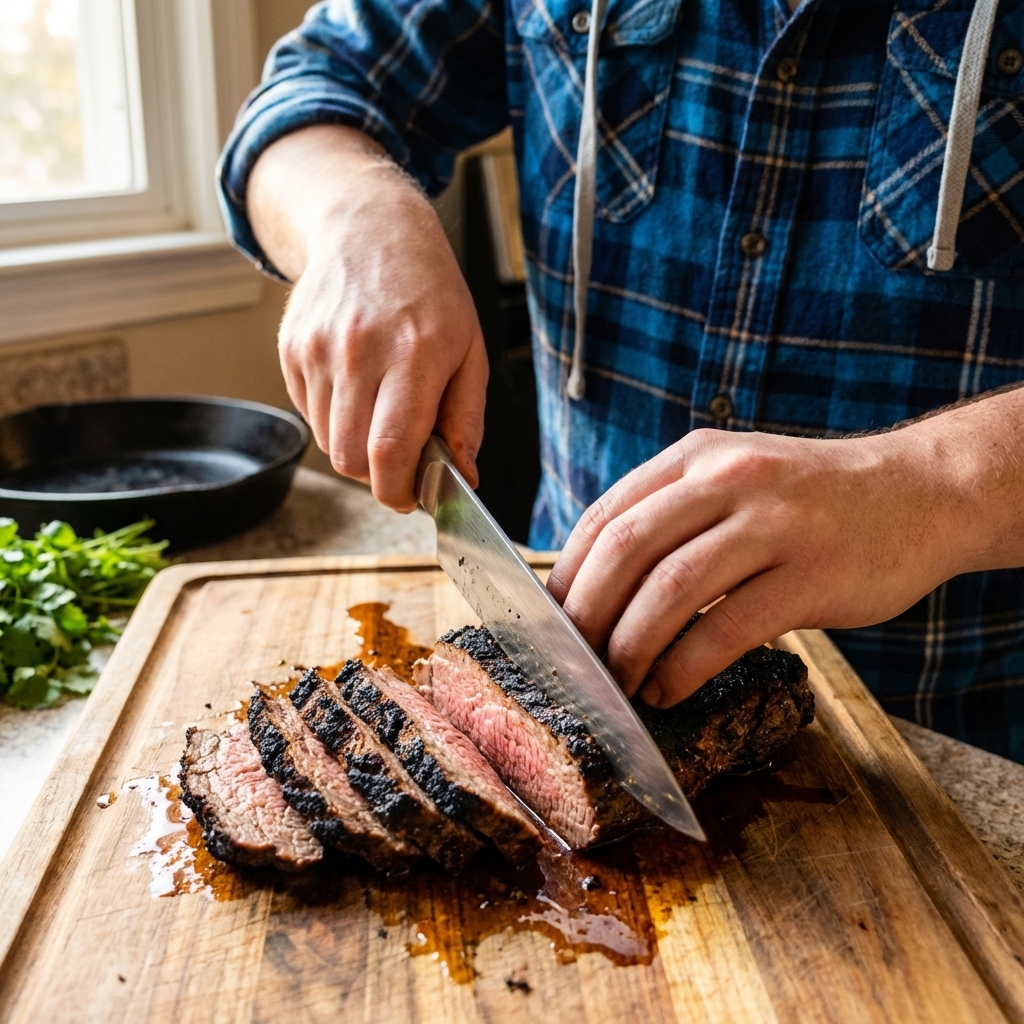
Skirt steak is the classic choice for big beefy flavor and fast cooking. Flank steak is a little leaner and thicker, but still excellent if you slice it thin against the grain. In many parts of Mexico, you will also see diezmillo (thinly sliced chuck) used for carne asada, especially when you want a beefier bite that stays juicy over high heat.
How long should I marinate carne asada?
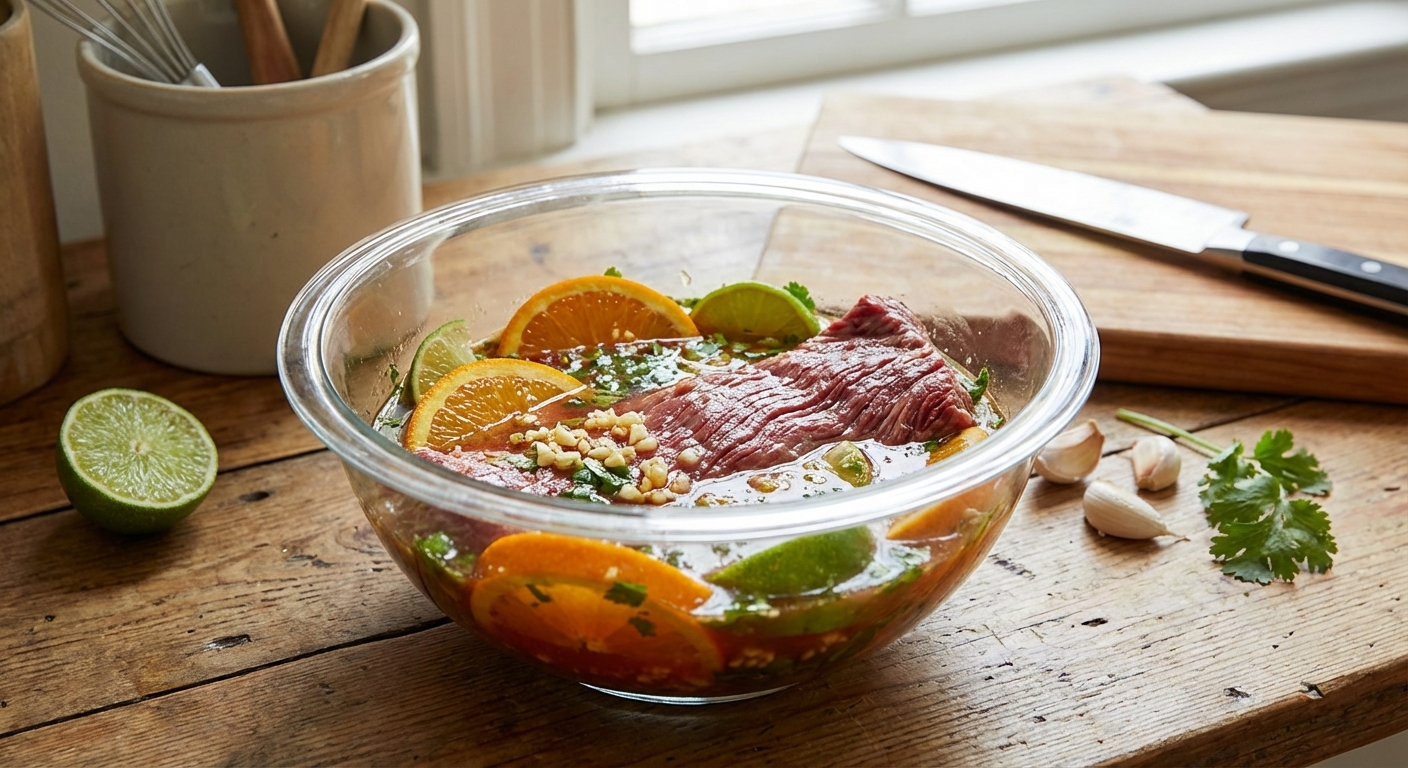
For citrus-based marinades, I like 1 to 4 hours. You can go up to 8 hours for flank, but avoid overnight if possible because acid can start to make the surface a bit mushy. Thickness and citrus strength matter, so if your steak is on the thin side, lean closer to 1 to 2 hours.
How do I get good char without overcooking?
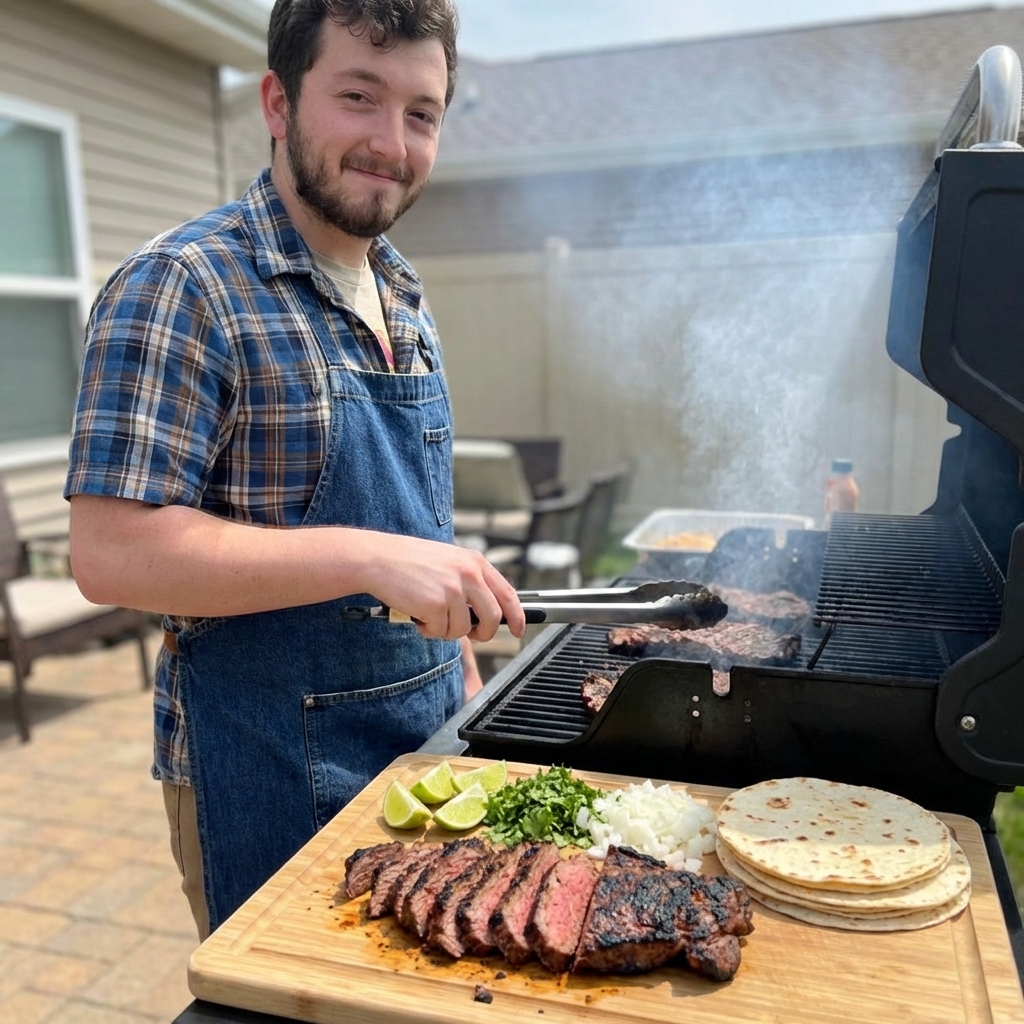
Three rules: pat the steak dry before cooking, preheat hard (very hot grill or ripping-hot cast iron), and cook briefly. Skirt steak especially goes from perfect to overdone fast, so start checking early and pull sooner than you think.
What internal temperature should carne asada be?
Pull it around 125 to 130°F for medium-rare, or 135 to 140°F for medium. It will climb a few degrees as it rests. If you prefer a more conservative benchmark, many food safety guidelines cite 145°F for steak, but most people cook whole cuts to their preferred doneness.
Can I cook carne asada on the stovetop?
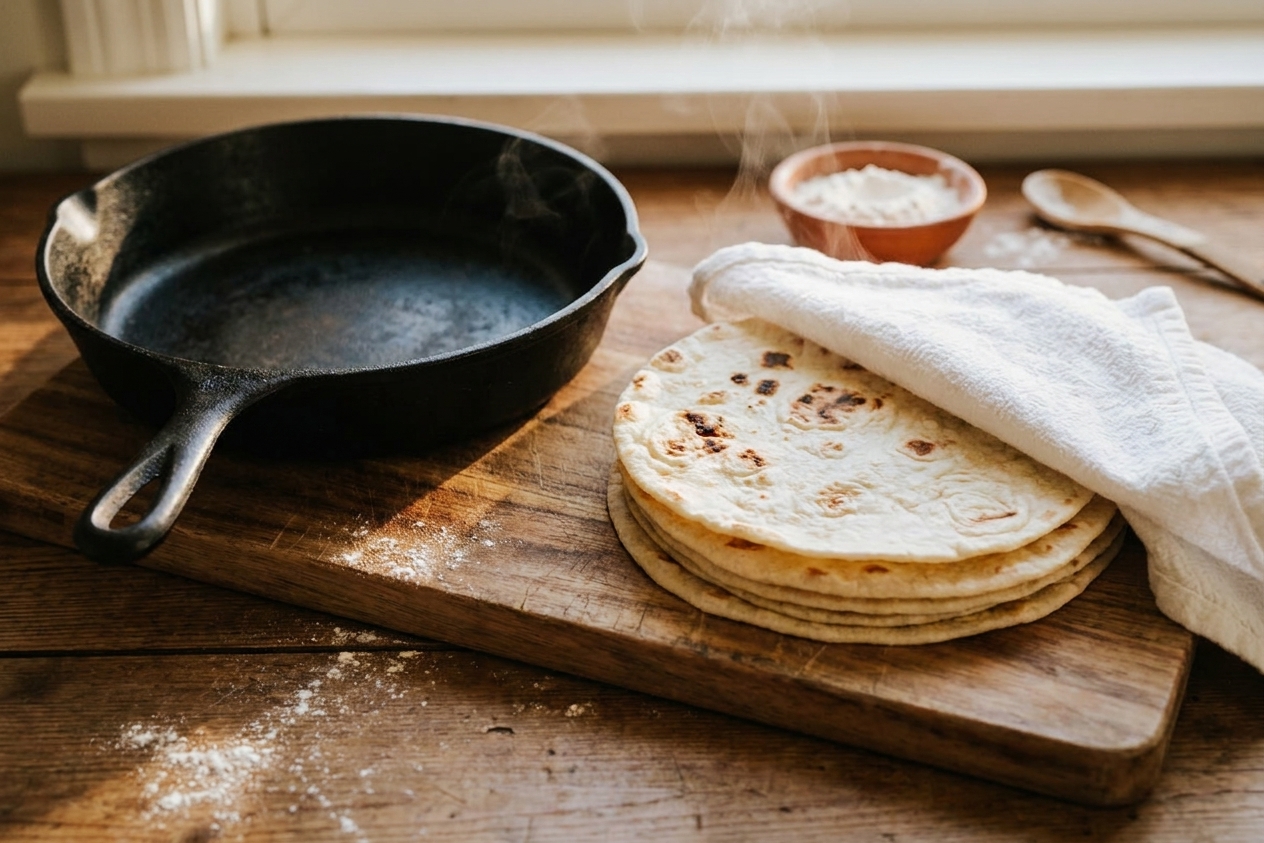
Yes. A cast iron skillet or stovetop griddle works great. Use high heat, good ventilation, and do not overcrowd the pan.
Is soy sauce authentic?
Carne asada marinades are wildly region- and family-dependent. Some are just salt, citrus, and garlic. Others lean on a salty umami booster like soy sauce or Maggi-style seasoning. This recipe is taqueria-style in that sense, and it is built to make the beef taste louder without getting complicated.