Mom's Best Recipes
Recipe

Cast-Iron T-Bone Steak

Crisp edges, juicy center, and garlic-herb butter that makes you pause mid-bite.

Author By Matt Campbell
4.8
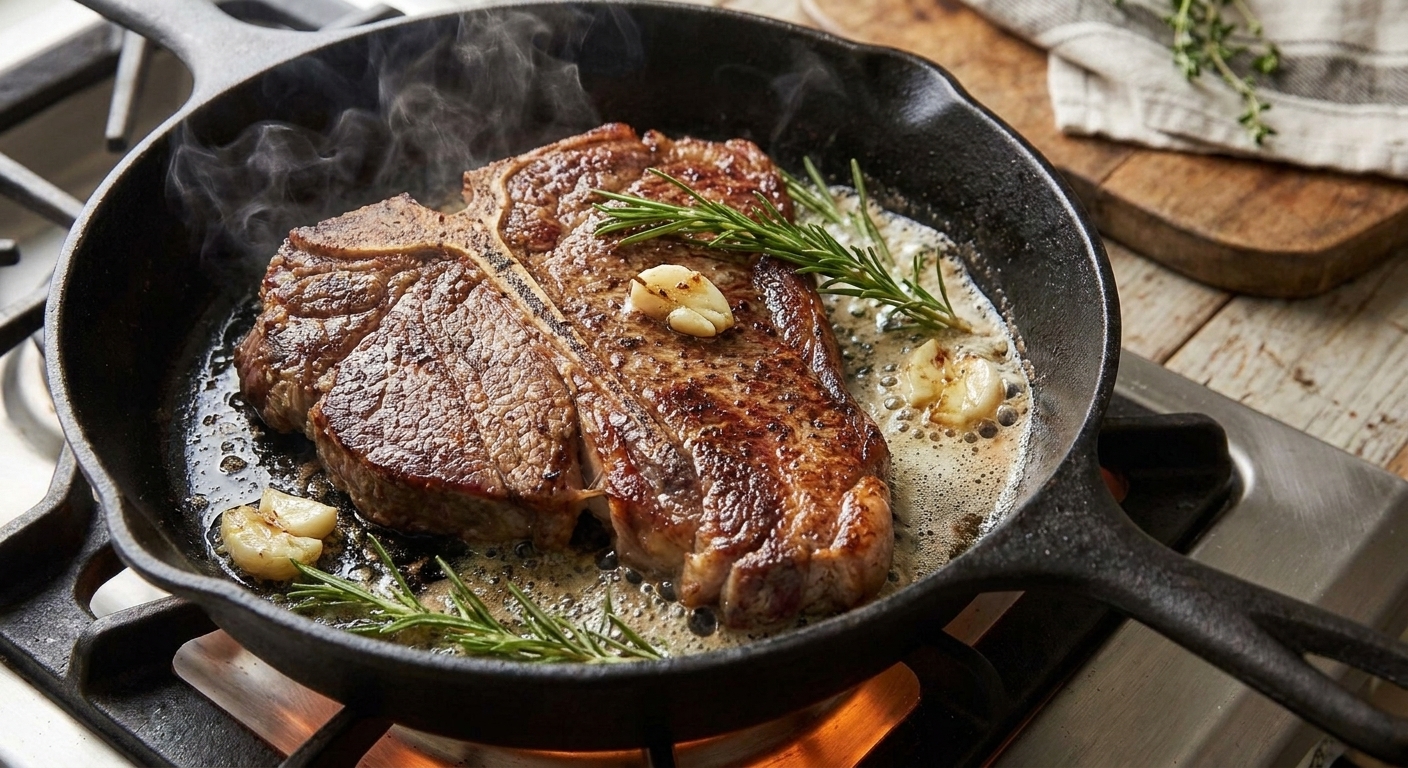
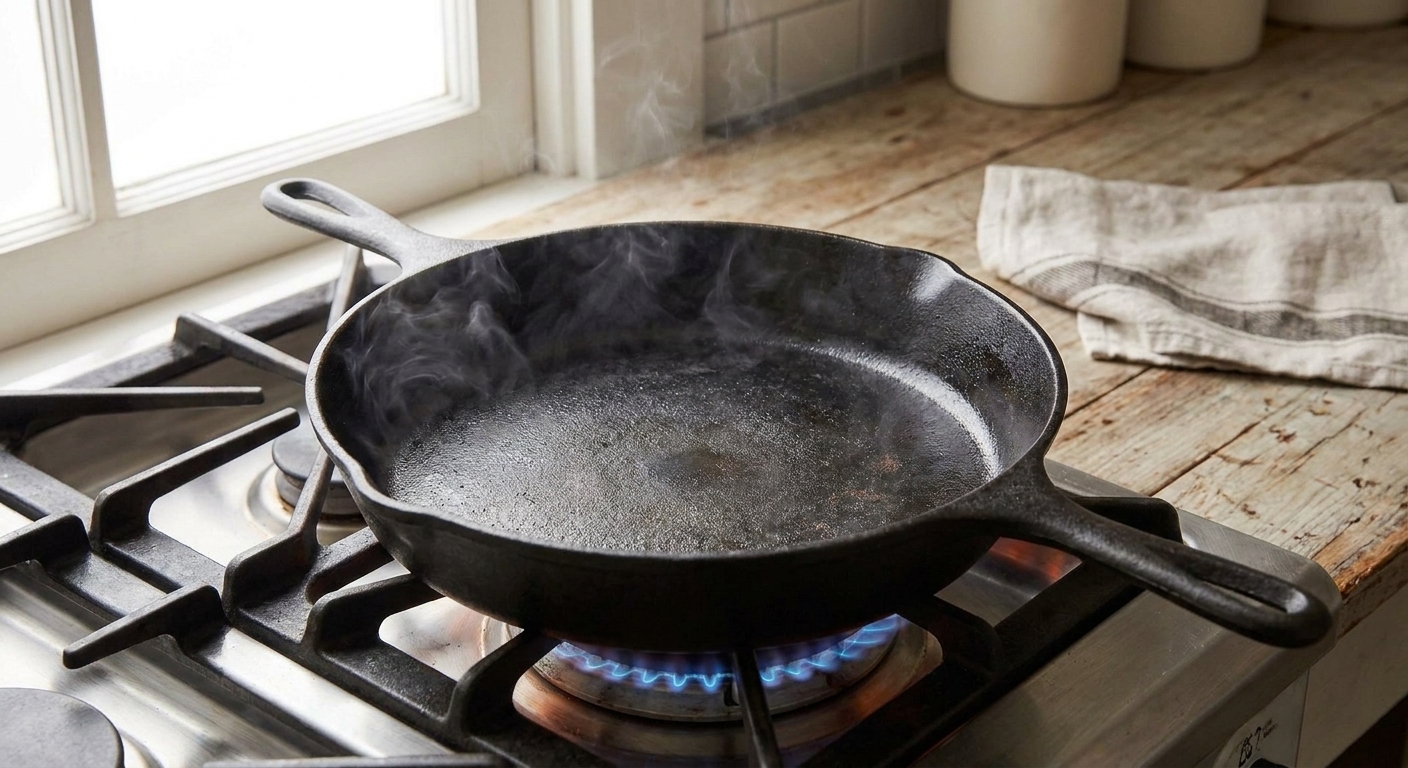
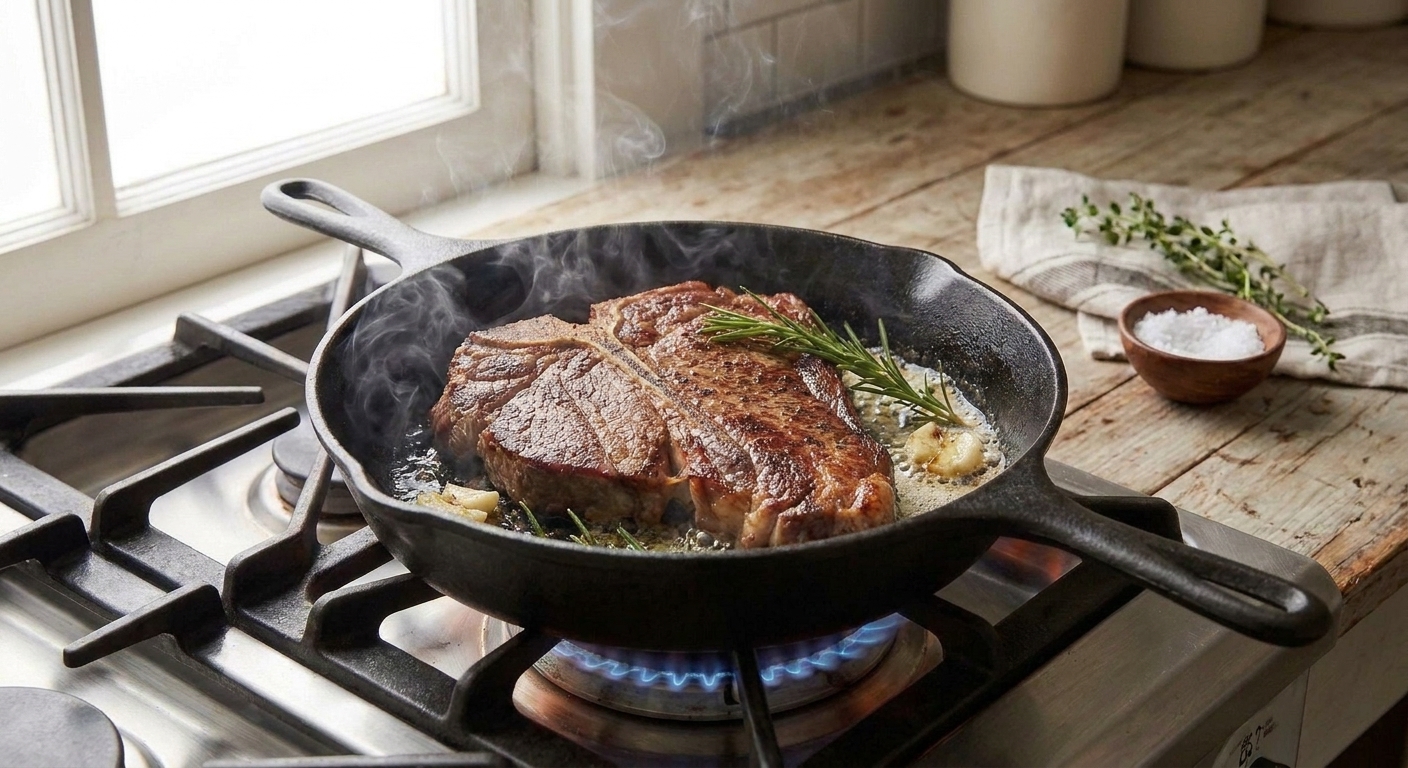
A thick T-bone steak sizzling in a cast-iron skillet with foaming butter, smashed garlic cloves, and rosemary on a warm kitchen stove

T-bone steak is that loud, lovable cut that shows up with two personalities in one: tenderloin on one side, strip steak on the other, divided by that T-shaped bone. Translation: if you cook it right, you get buttery tenderness and beefy chew in one glorious pan.

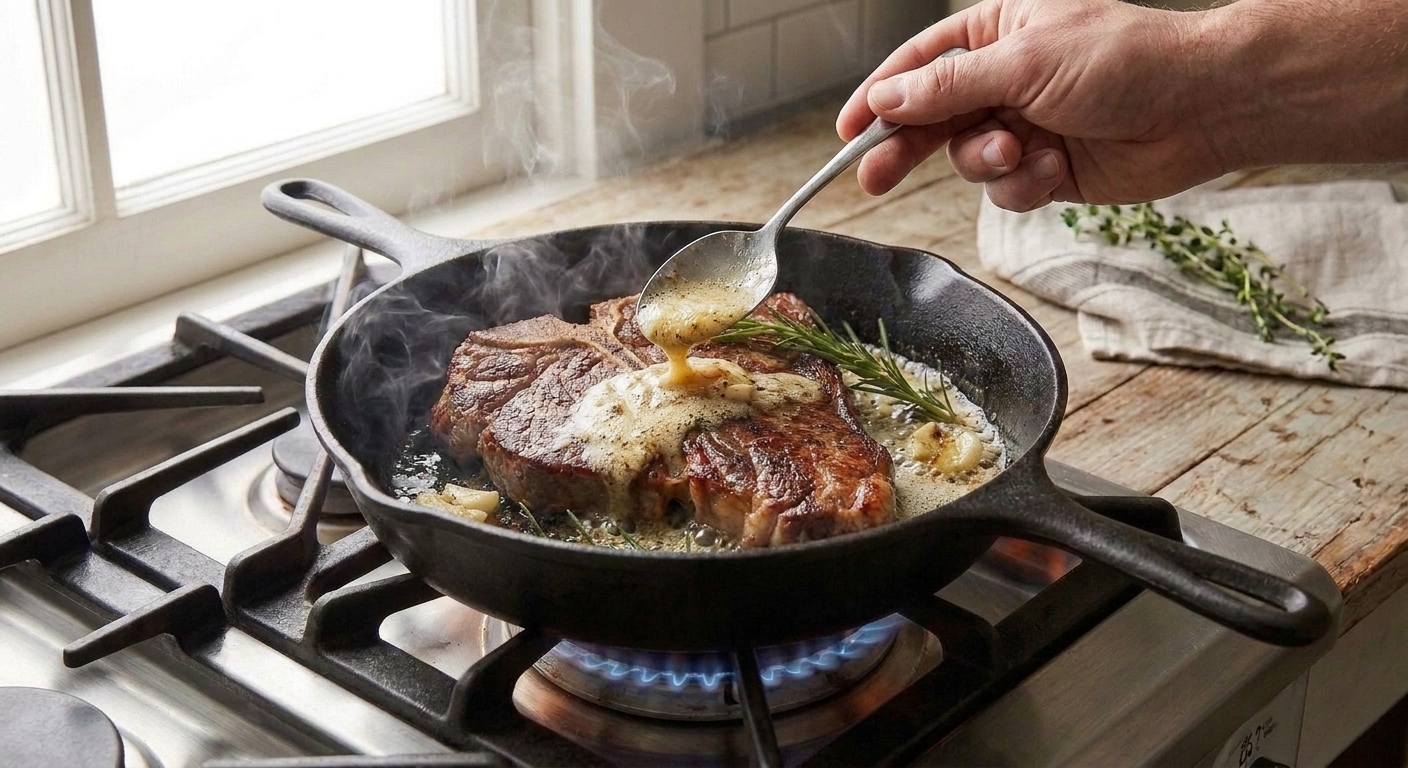
This is my low-drama, high-reward method: a cast-iron sear for crisp edges, then a quick butter baste that turns the whole thing glossy and steakhouse-level. No complicated marinade. No mystery timing. Just solid heat, simple seasoning, and a thermometer doing the heavy lifting.

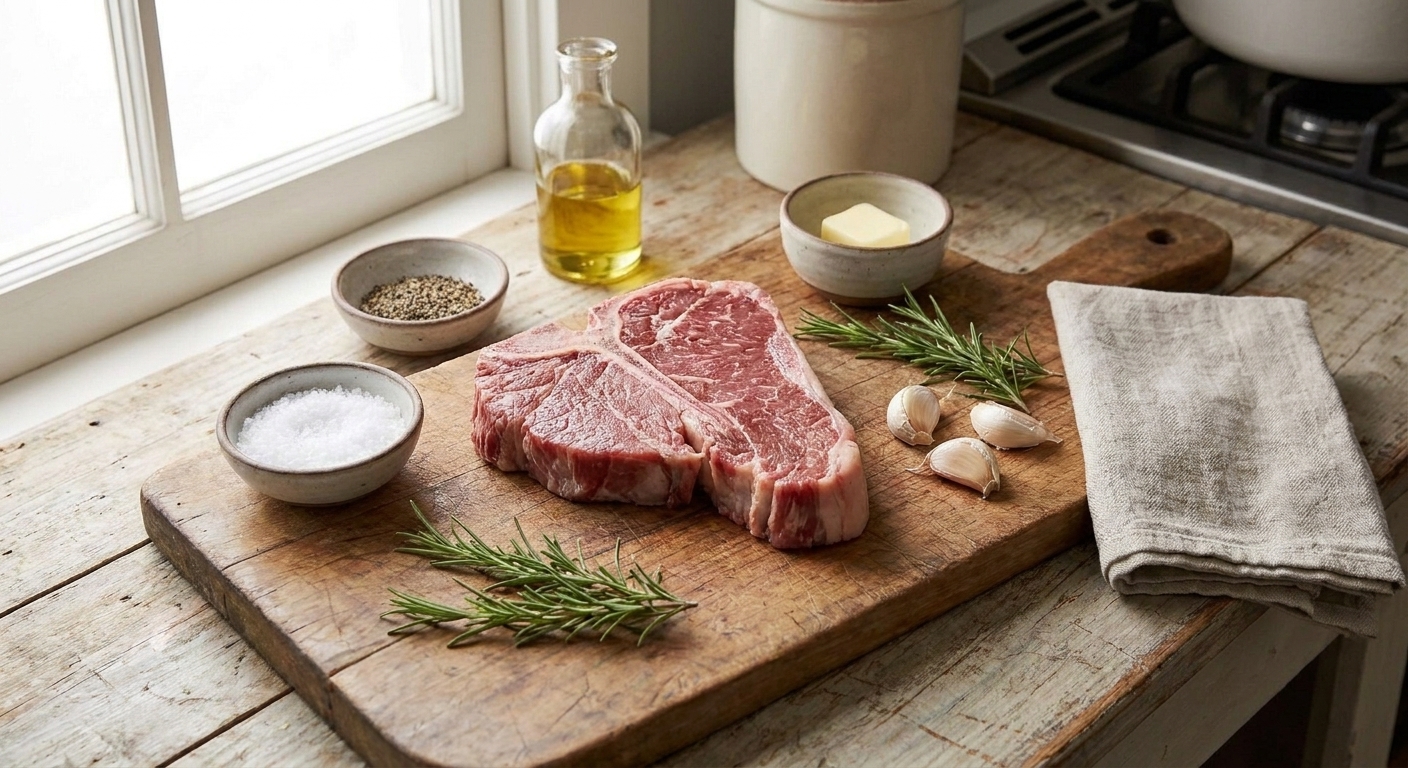
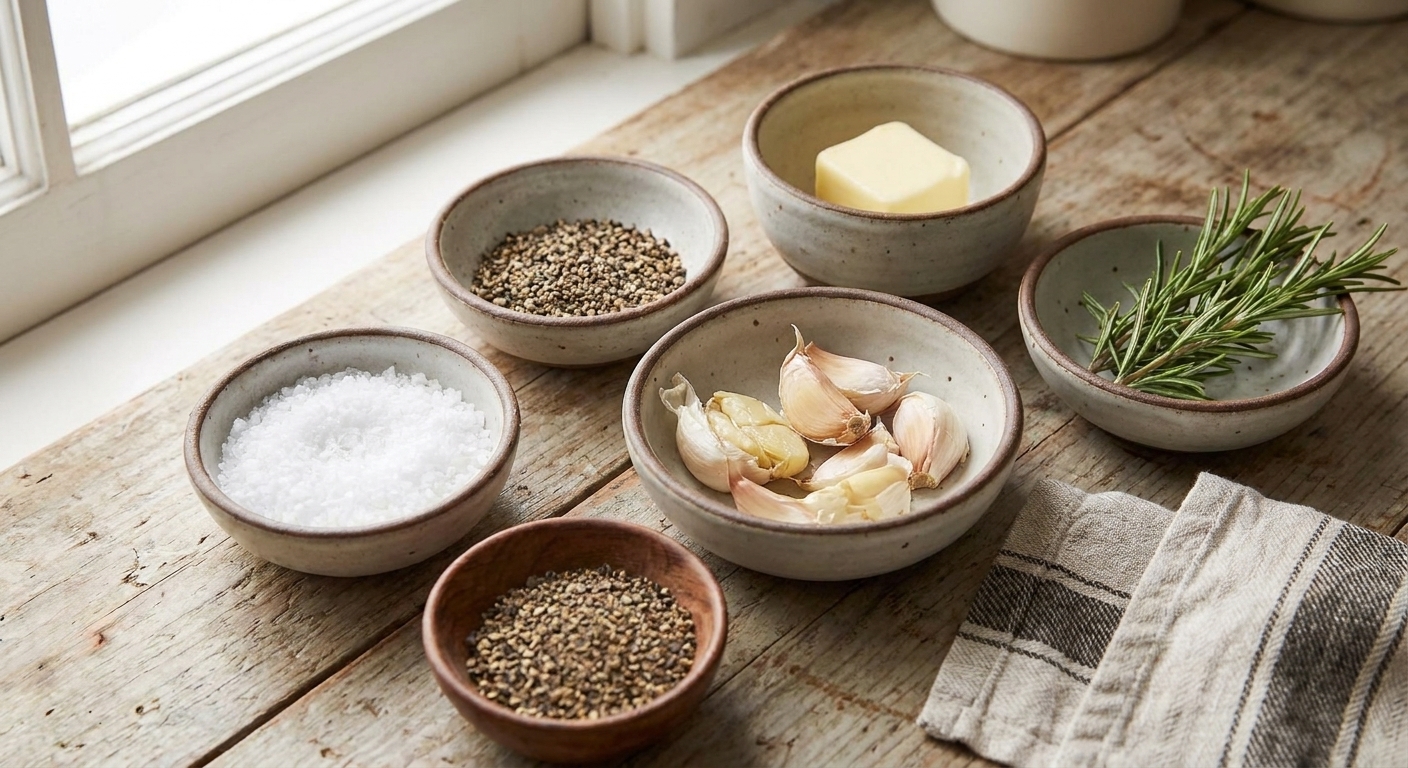
Raw T-bone steak on a cutting board with kosher salt, black pepper, neutral oil, butter, garlic, and fresh rosemary on a clean kitchen counter

Why It Works

  • Crisp, browned crust from a properly preheated cast-iron skillet and dry steak surface.
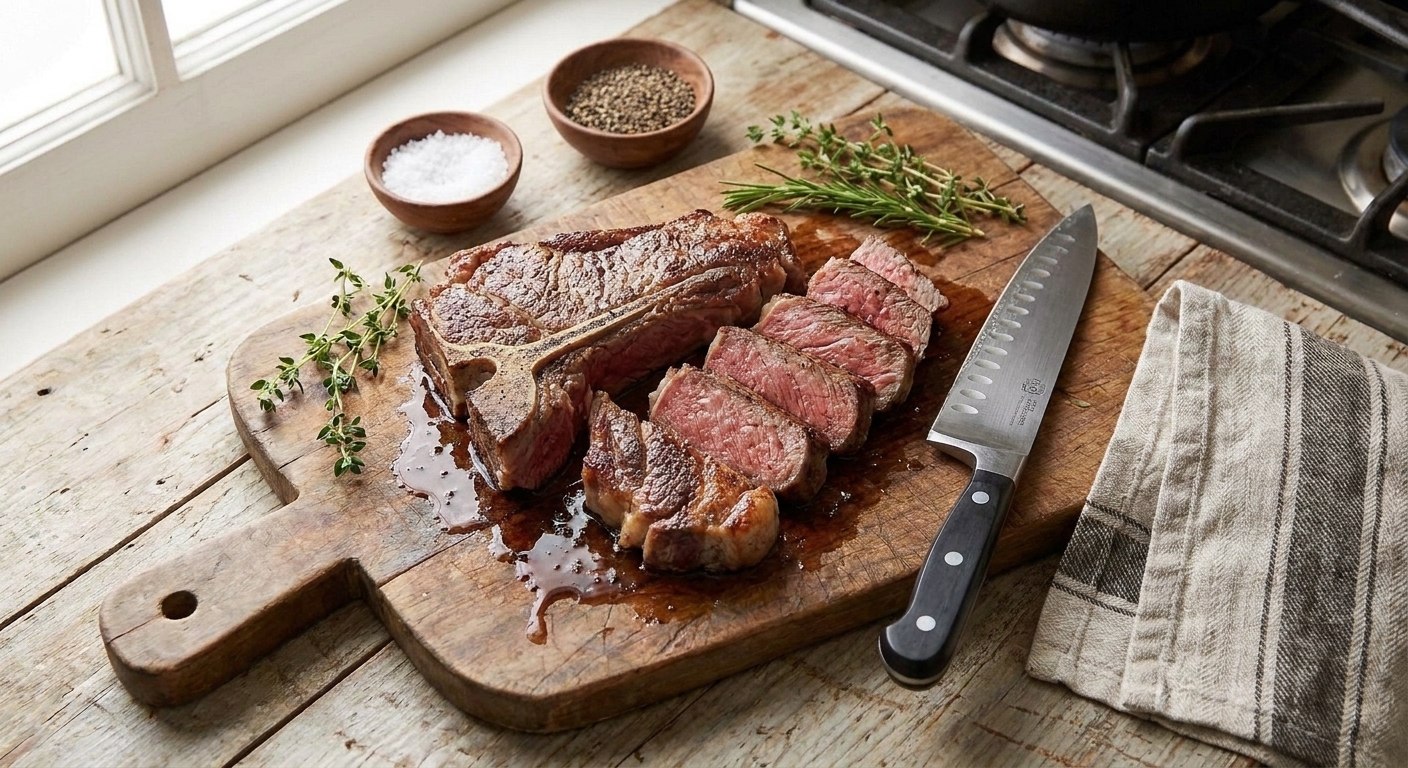
  • Juicy interior because we cook to temperature, then rest like sensible people.
  • Built-in basting sauce with butter, garlic, and herbs that perfumes both sides of the T-bone.
  • Even cooking thanks to a quick oven finish, which is especially helpful for thicker T-bones.

Pairs Well With

Storage Tips

Cool fast: Let leftover steak cool for about 20 to 30 minutes, then refrigerate.

Refrigerate: Store in an airtight container for up to 3 days.

Freeze: Wrap tightly (plastic wrap, then foil) and freeze up to 2 months. Thaw overnight in the fridge.

Reheat without sadness: Warm slices in a skillet over low heat with a small pat of butter, just until heated through. Or place whole pieces on a sheet pan at 250°F until warm (aim to keep it under your original doneness temp).

Leftover move: Slice thin and toss into a warm pan sauce, steak fried rice, or a quick steak sandwich with mustardy mayo.

Common Questions

What is a T-bone steak, exactly?

A T-bone includes both the strip steak and a portion of the tenderloin, separated by a T-shaped bone. It is similar to a porterhouse, but porterhouse has a larger tenderloin section.

How thick should my T-bone be for this method?

Best is 1 to 1.5 inches thick. Thickness matters more than ounces here because a 20 to 28 ounce T-bone can vary a lot depending on the bone and cut.

If it is thinner than 1 inch, skip the oven finish and reduce sear time so you do not overcook the tenderloin side.

Do I really need a meat thermometer?

For T-bone, I strongly recommend it. The strip and tenderloin cook at slightly different rates, and the thermometer keeps you from accidentally turning the tenderloin into polite regret.

What internal temperature should I target?

  • Rare: 120 to 125°F
  • Medium-rare: 130 to 135°F
  • Medium: 140 to 145°F
  • Medium-well: 150 to 155°F
  • Well done: 160°F+

Tip: Pull the steak 5 to 10°F below your target. Carryover cooking depends on thickness, bone, and how hot your pan and oven are.

Small but important note: Temps vary by preference and thermometer placement. For food safety, USDA guidance for whole cuts of beef is 145°F plus a 3 minute rest. Many steak lovers choose lower temperatures by preference.

Where should I place the thermometer on a T-bone?

Probe the thickest part of the meat, avoiding the bone. If you can, check both sides (strip and tenderloin). The tenderloin side usually reaches temperature first, so I cook to the lower reading to protect it.

Can I grill this instead?

Yes. Use a two-zone fire (hot side for sear, cooler side to finish) and cook to the same temperatures listed above. Rest is still non-negotiable.
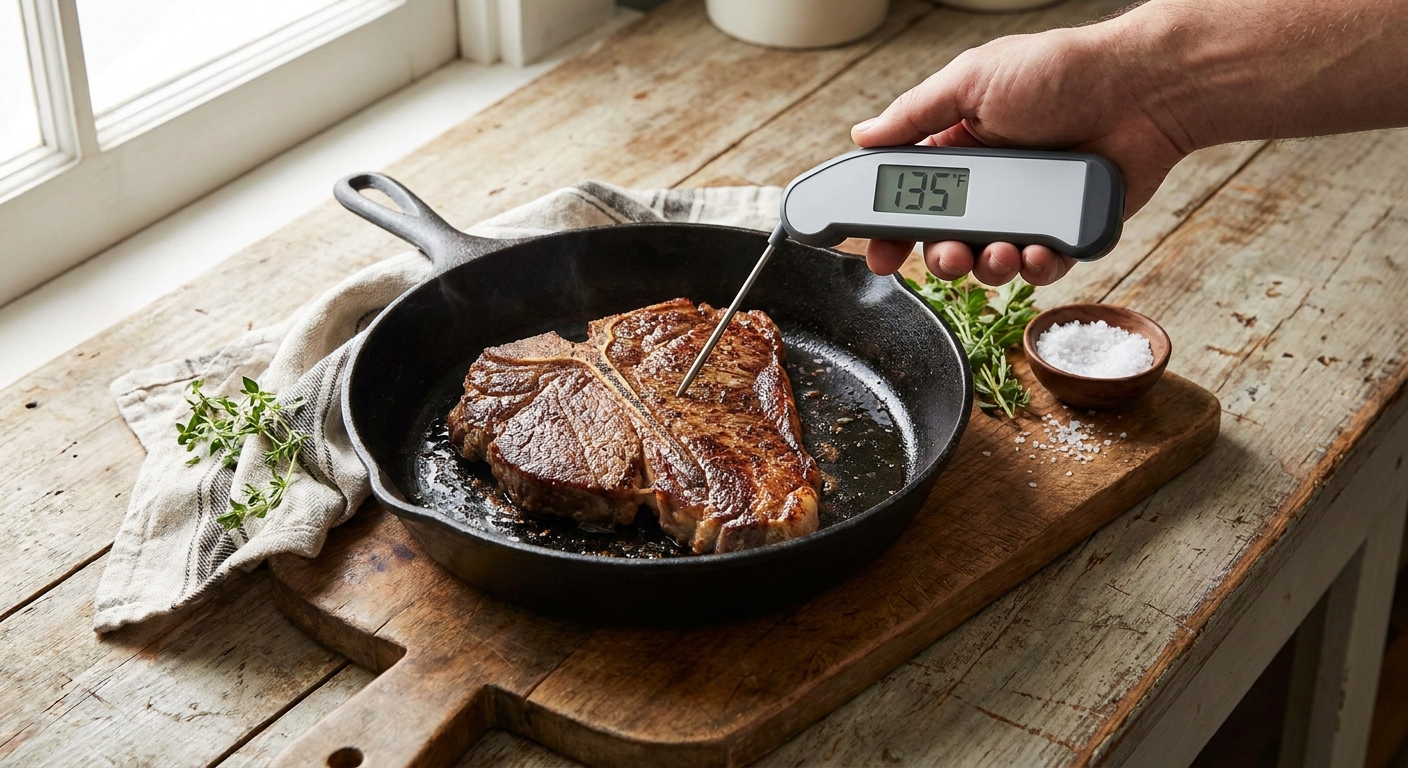

A hand holding an instant-read thermometer inserted into the thickest part of a cooked T-bone steak in a cast-iron skillet, avoiding the bone

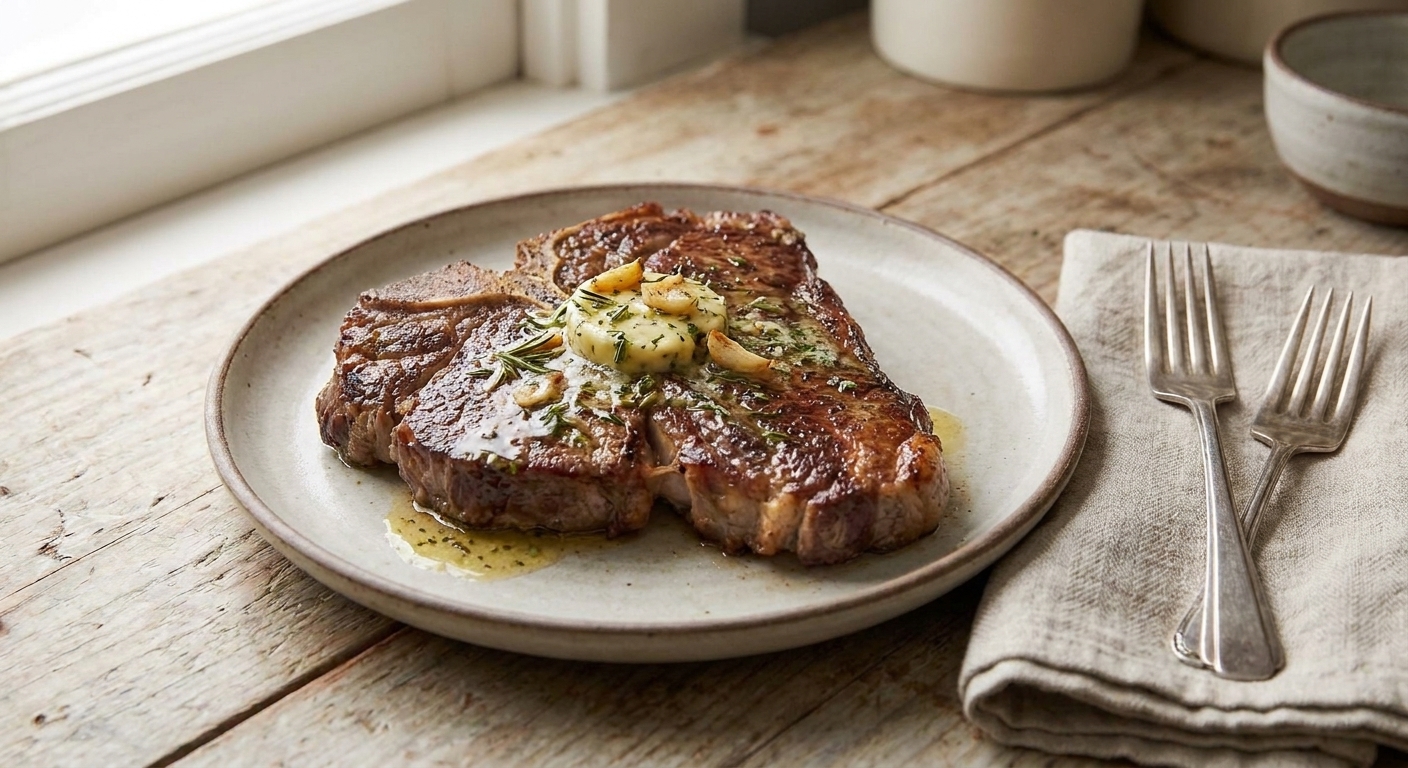
I used to overthink steak like it was a final exam. Then I realized the best home steak nights are basically a good pan, a loud sear, and the confidence to let it rest while you make something easy like a salad or crispy potatoes. T-bone became my favorite “treat yourself” cut because it feels like two steaks sharing an apartment. When it hits the table with that butter and garlic situation happening, everyone suddenly has time to sit down.