Mom's Best Recipes
Recipe

Charleston She-Crab Soup

Silky sherry cream she-crab soup with thyme and mace, finished with sweet lump crab and a simple, optional roe-style garnish.

Author By Matt Campbell
4.8
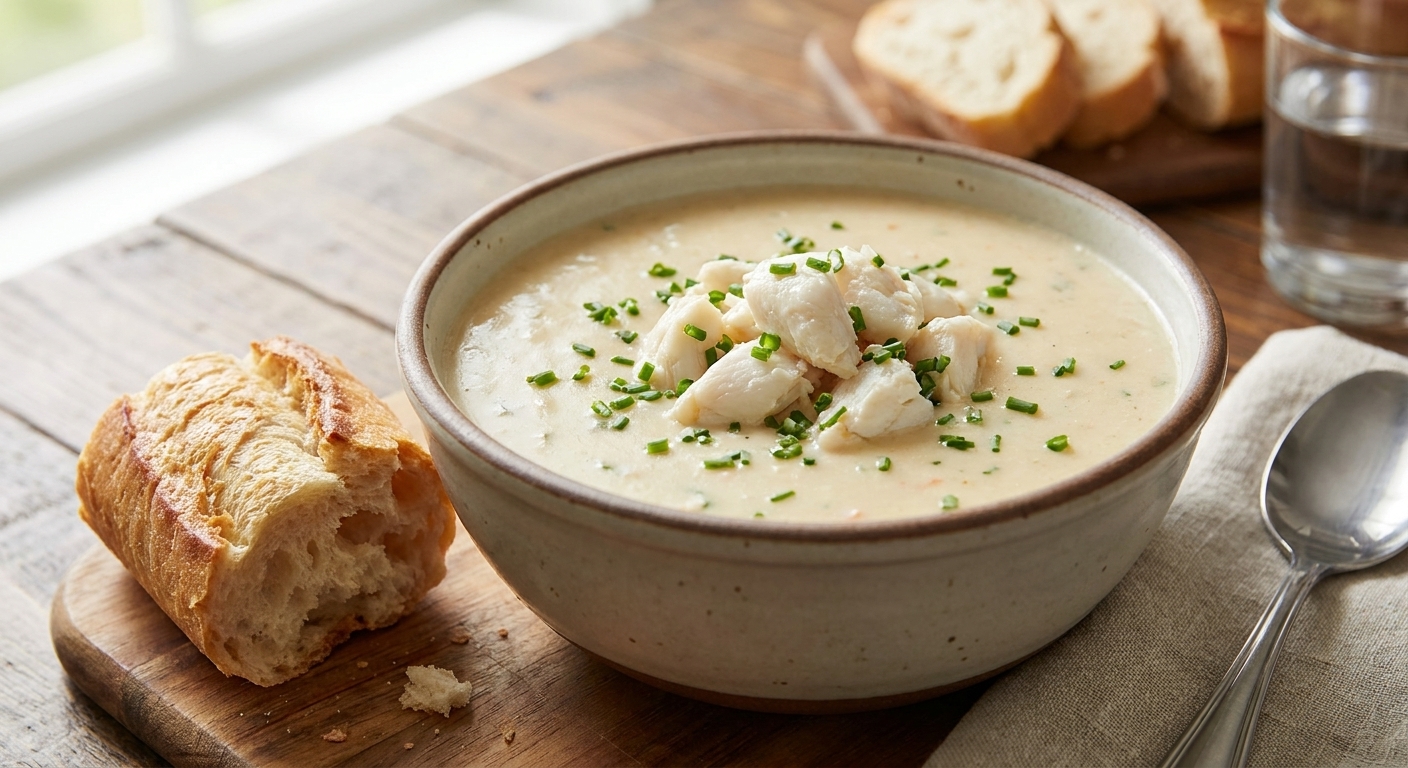
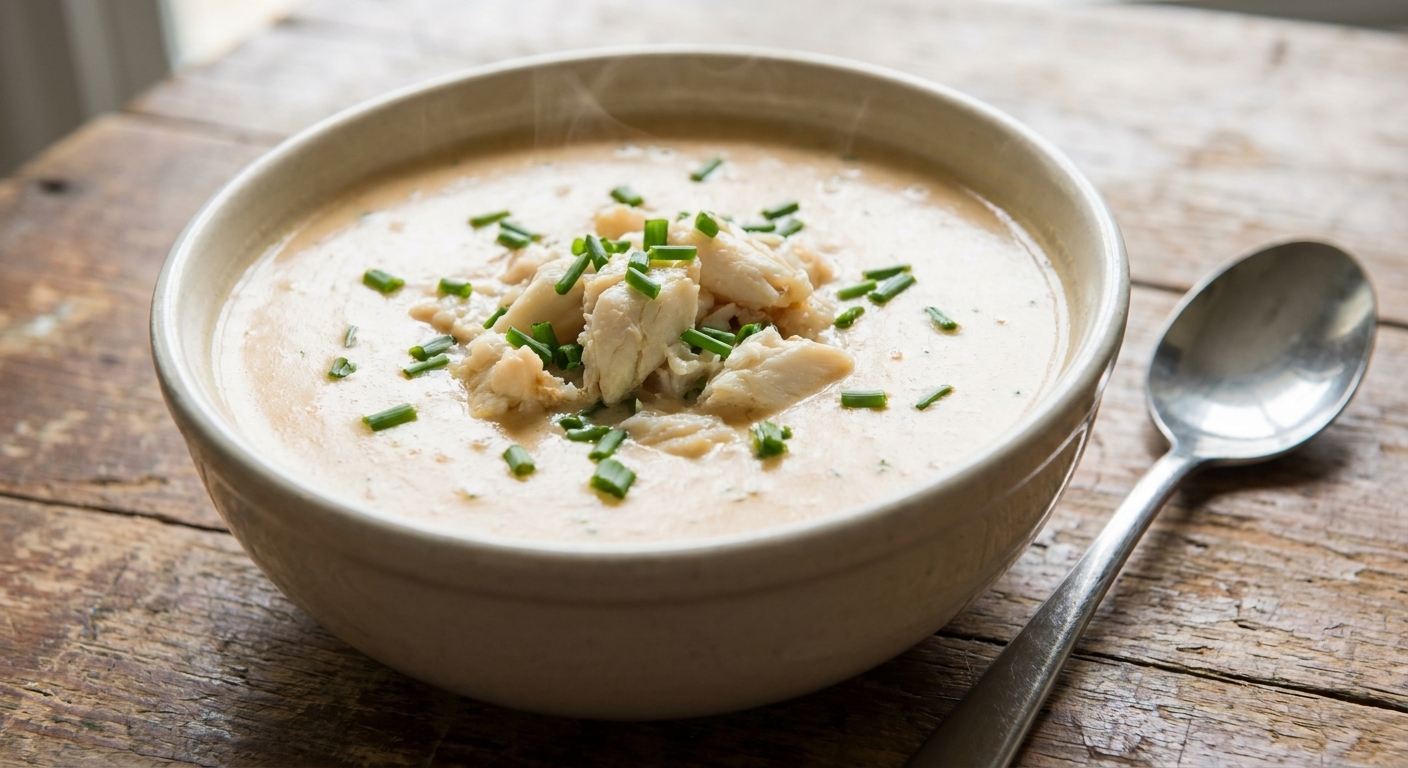
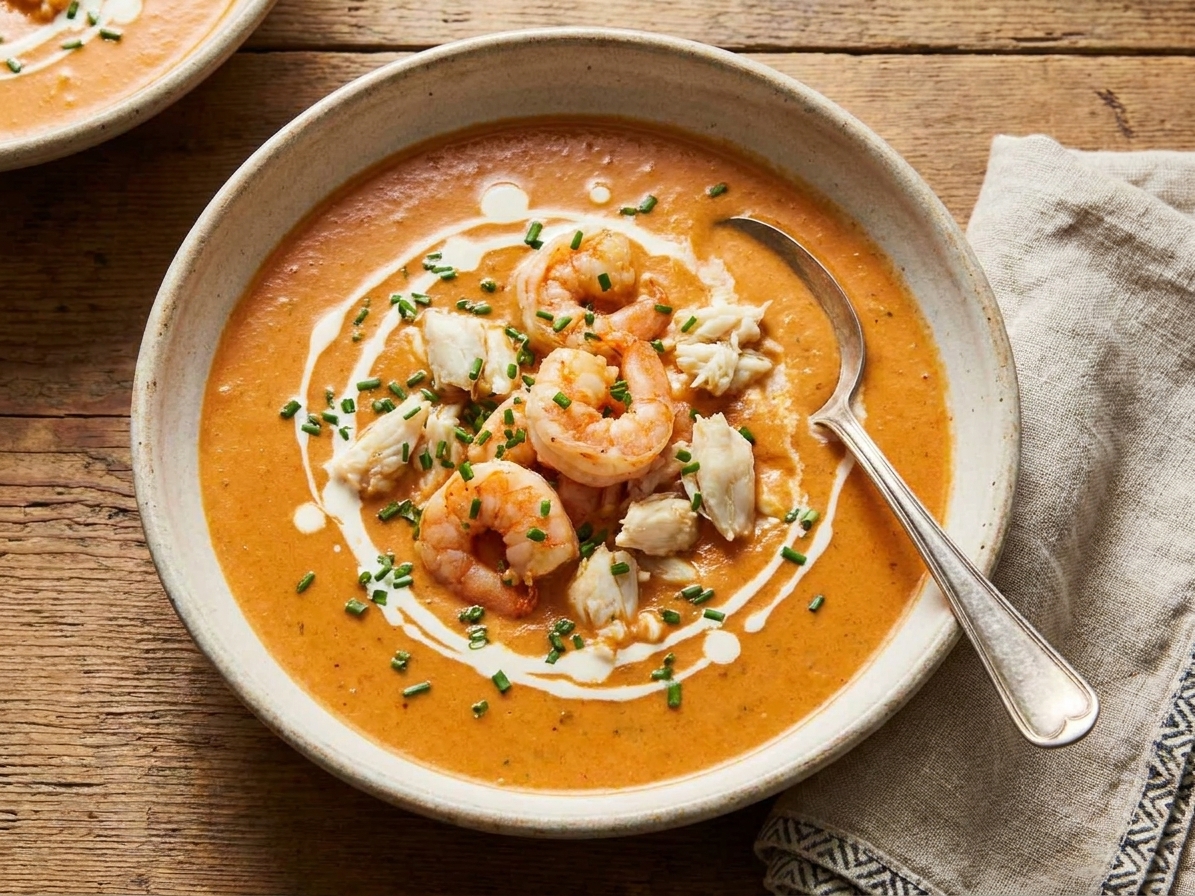
A steaming bowl of Charleston she-crab soup with a creamy pale-orange color, topped with lump crab and chopped chives, photographed on a wooden table with a spoon nearby

She-crab soup is Charleston comfort in a bowl: rich like a bisque, brightened with a splash of sherry, and perfumed with thyme plus just enough mace to make you pause mid-spoonful like, wait, what is that cozy magic? Traditionally, it’s often finished with roe from female blue crabs (she-crabs). That’s not always available, and plenty of folks would rather skip it.

So we’re doing this the home-cook way. A smooth, sherry-kissed cream base that tastes deeply crabby, then a generous pile of lump crab at the end so it stays sweet and intact. If you want that classic briny lift, I included a simple no-crab-roe option that gets you in the neighborhood without the scavenger hunt.

Also, quick comparison since chowder lovers always ask: this isn’t thick like New England clam chowder. No potato chunks, no floury heaviness. She-crab soup is silky, ladleable, and elegant, but still fully “curl up on the couch” cozy.

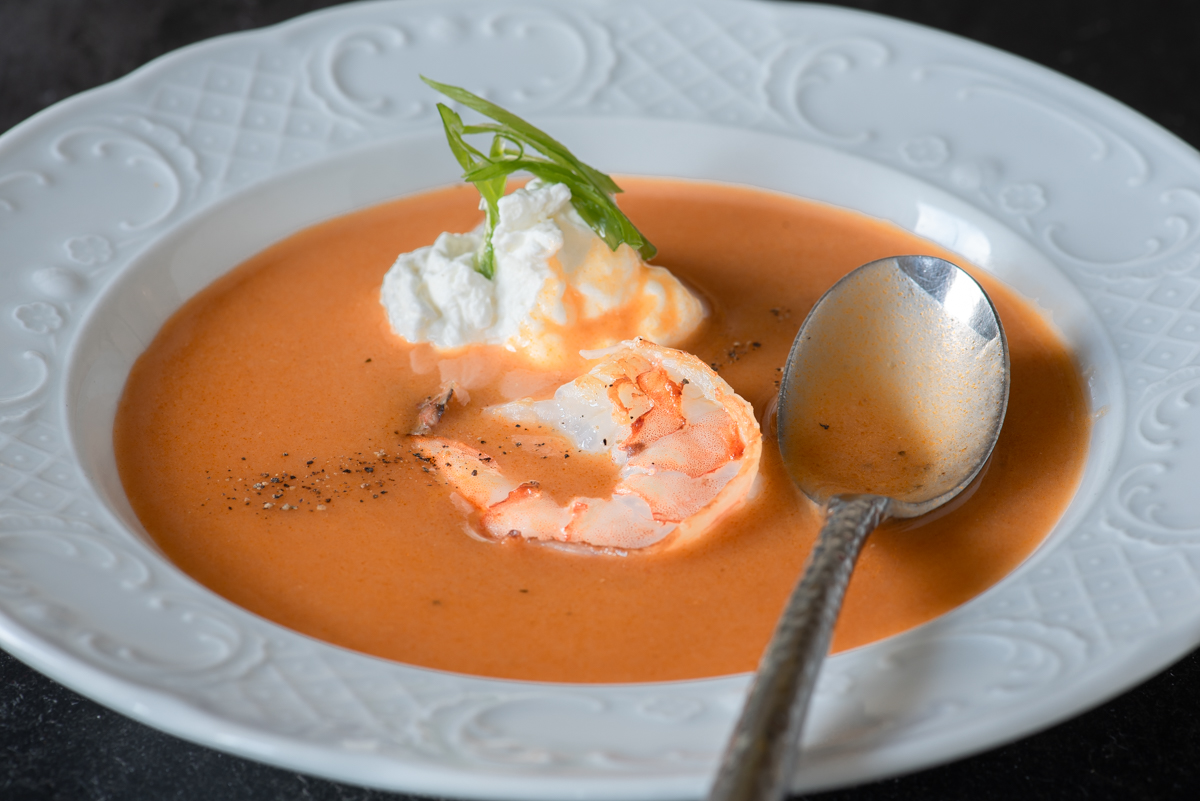
A close-up photograph of sherry being poured into a pot of creamy crab soup on a stovetop, with steam rising and a wooden spoon resting on the rim

Why It Works

  • Layered crab flavor: a quick simmer with stock and aromatics builds depth, and the crab goes in at the end so it stays tender, not shredded.
  • Silky, bisque-like texture: a small amount of roux thickens gently without turning it into chowder.
  • That Charleston finish: sherry added at the end keeps the flavor bright and lightly sweet, not cooked out and flat.
  • Warm spice, not pumpkin pie: a pinch of mace plus thyme brings classic she-crab character. Keep it subtle.
  • Flexible roe-note option: go traditional if you have roe, or use an easy alternative for a similar savory lift.

Pairs Well With

Storage Tips

Refrigerate: Cool the soup quickly, then store in an airtight container for up to 2 to 3 days.

Reheat gently: Warm over low heat, stirring often. Avoid a hard boil or the dairy can separate and the crab can turn bouncy.

Freezing: Cream soups can get grainy after freezing. If you want to freeze, do it before adding cream and crab. Freeze the base up to 2 months, then reheat, add cream, and fold in crab right before serving.

Make-ahead tip: This soup tastes even better the next day. Just reheat gently and add a small splash of stock or milk if it thickened in the fridge.

Common Questions

What makes she-crab soup different from crab bisque?

They are close cousins. She-crab soup is a Lowcountry specialty associated with Charleston and is often finished with sherry and, traditionally, roe from female blue crabs (she-crabs). The texture is smooth and creamy like a bisque, but the seasoning profile is its own thing: thyme, a hint of mace, and that sherry lift.

Do I have to use crab roe?

Nope. It’s still fantastic without it. If you want a similar savory, ocean-y richness, use one of the optional “roe note” finishes in the recipe: a little bottarga grated on top, or a tiny pinch of kelp granules stirred in for depth. These are meant to echo the briny, rich vibe, not pretend to be the traditional thing.

What kind of crab meat is best?

Lump blue crab is the classic. Fresh-picked or refrigerated lump crab is great when you can get it. Pasteurized crab in tubs also works, just drain it well and taste it first. Some brands are saltier than others, so it’s smart to season at the end.

Can I make it gluten-free?

Yes. For a roux-free thickener, the most reliable option is a slurry: whisk 1 tablespoon cornstarch with 2 tablespoons cold stock, then stir it in near the end and simmer 1 to 3 minutes until lightly thickened. Another good option is blending in 2 to 3 tablespoons cooked white rice (or a small piece of cooked potato) for a true bisque-like body. Once the dairy is in, keep the heat low and don’t let it boil.

Is cooking sherry okay?

You’ll get better flavor from a drinkable dry sherry. Cooking sherry can be salty and one-note. If you need a substitute, use a splash of dry white wine plus a tiny pinch of sugar.

How do I keep the soup from curdling?

Keep the heat low once the dairy goes in, and avoid boiling. If you’re nervous, temper the cream by stirring a ladle of hot soup into the cream first, then pour it back into the pot.

The first time I had a good she-crab soup, I remember thinking, “This tastes fancy, but it’s basically comfort food in a blazer.” It’s creamy, yes, but it’s not trying to be a chowder. It’s trying to be silky. The sherry hits your nose before the spoon even lands, and the mace is that quiet background note that makes the whole thing feel like it came from a restaurant kitchen even if you made it in sweatpants. This is the kind of soup I make when I want to impress someone without turning dinner into a three-hour saga.