Mom's Best Recipes
Recipe

Cheesy Grits

Creamy, cheddar-packed grits with buttery richness and a simple early-seasoning move that makes them taste like they took their time.

Author By Matt Campbell
4.8
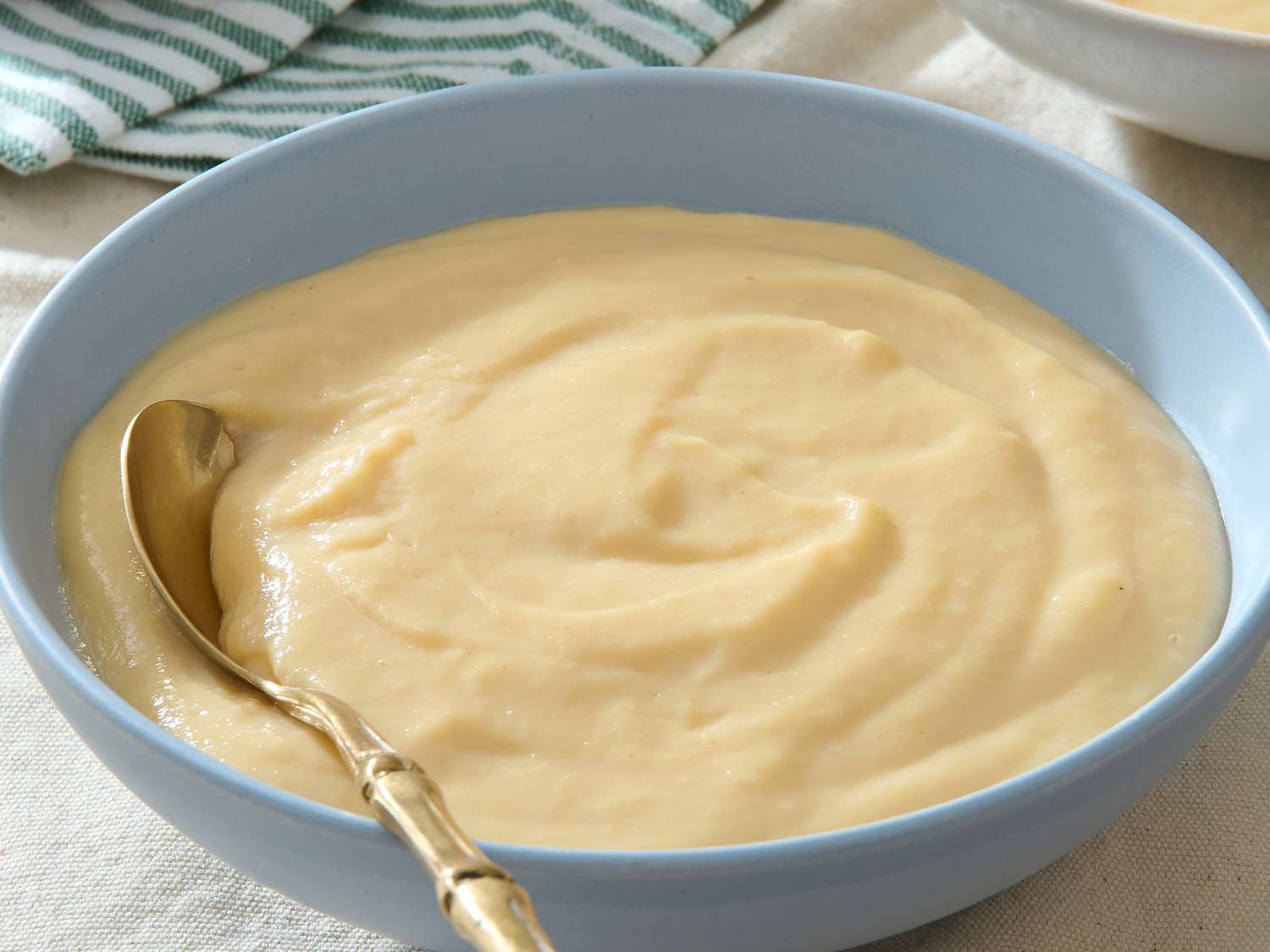
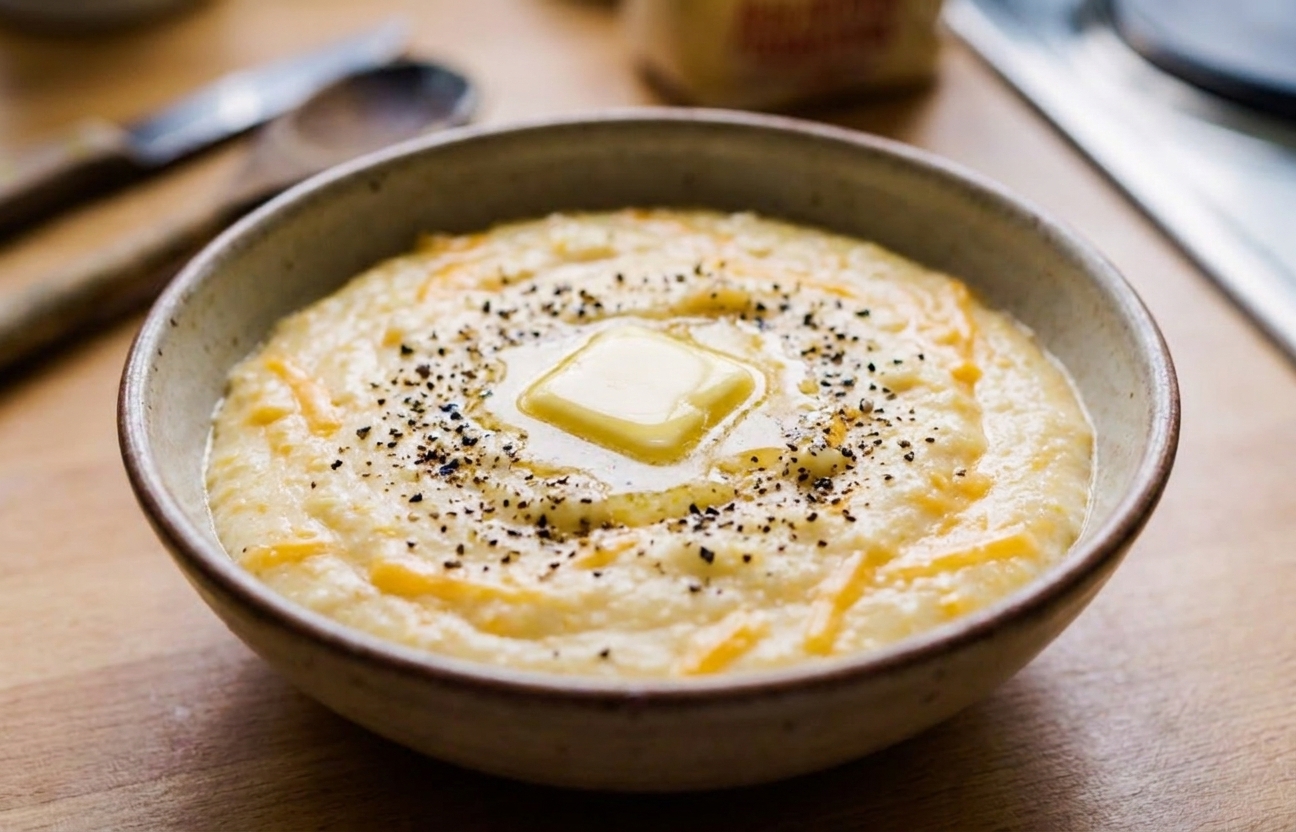
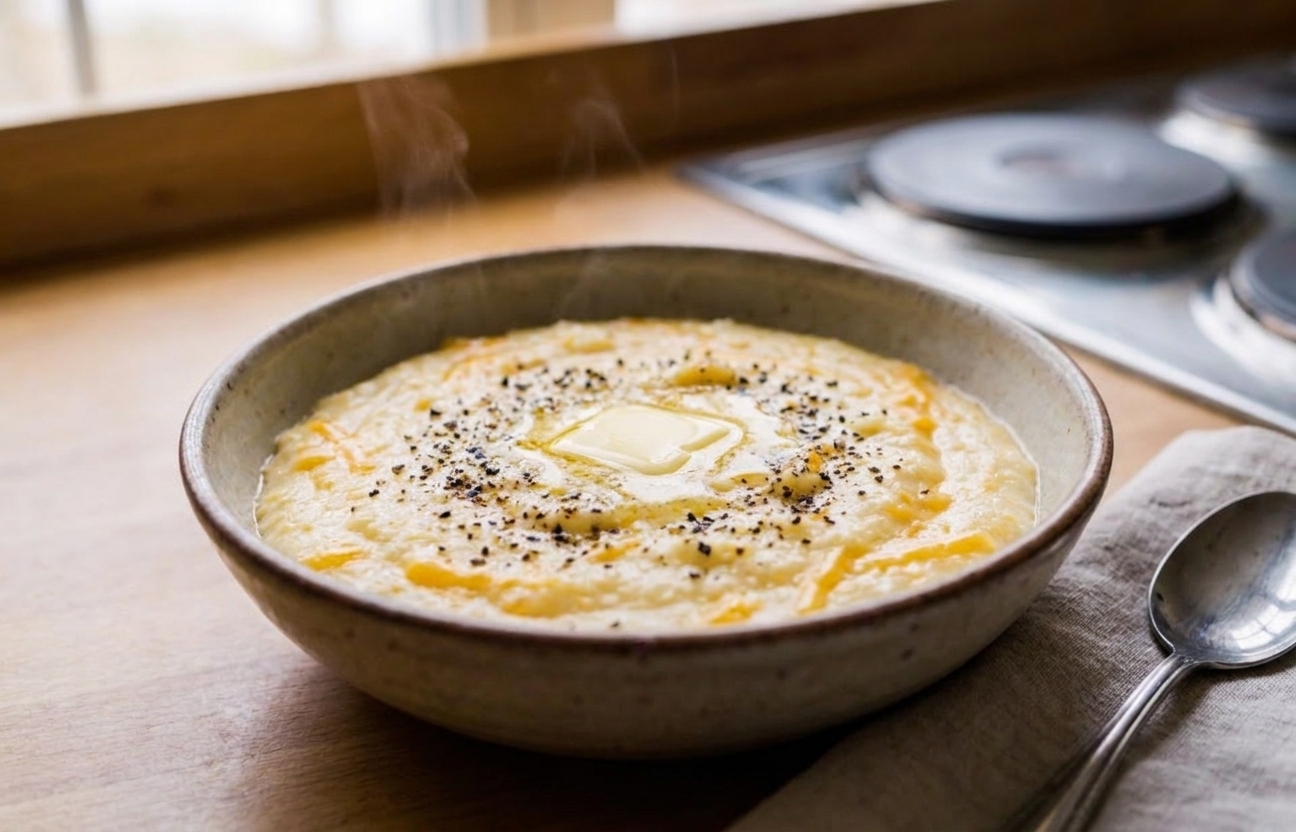
A steaming bowl of creamy cheesy grits topped with melted sharp cheddar and cracked black pepper on a simple wooden table setting

Cheesy grits are one of those dishes that look humble, then absolutely show off the second you take a bite. The goal is simple: creamy, cheesy, and properly seasoned. Not gluey. Not bland. Not the kind of bowl you have to rescue with half a bottle of hot sauce.

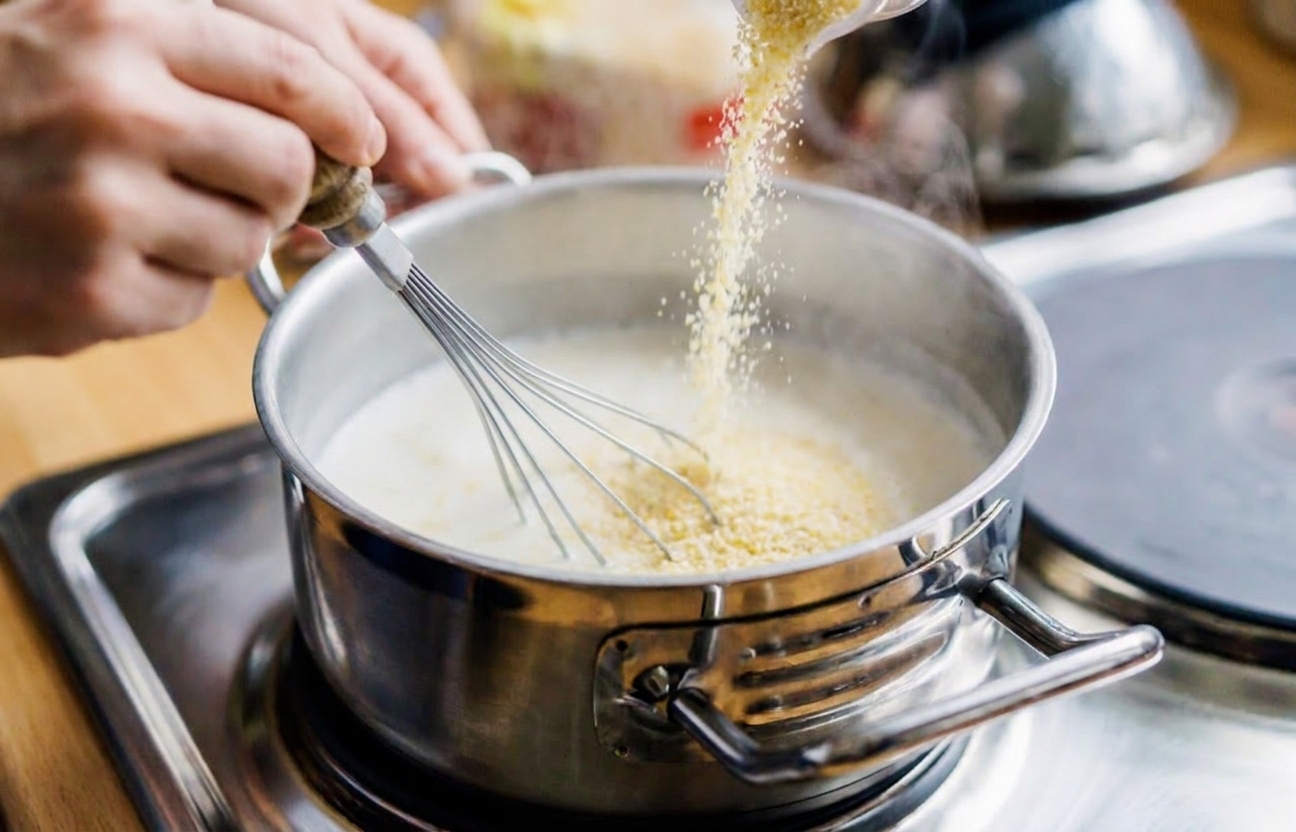
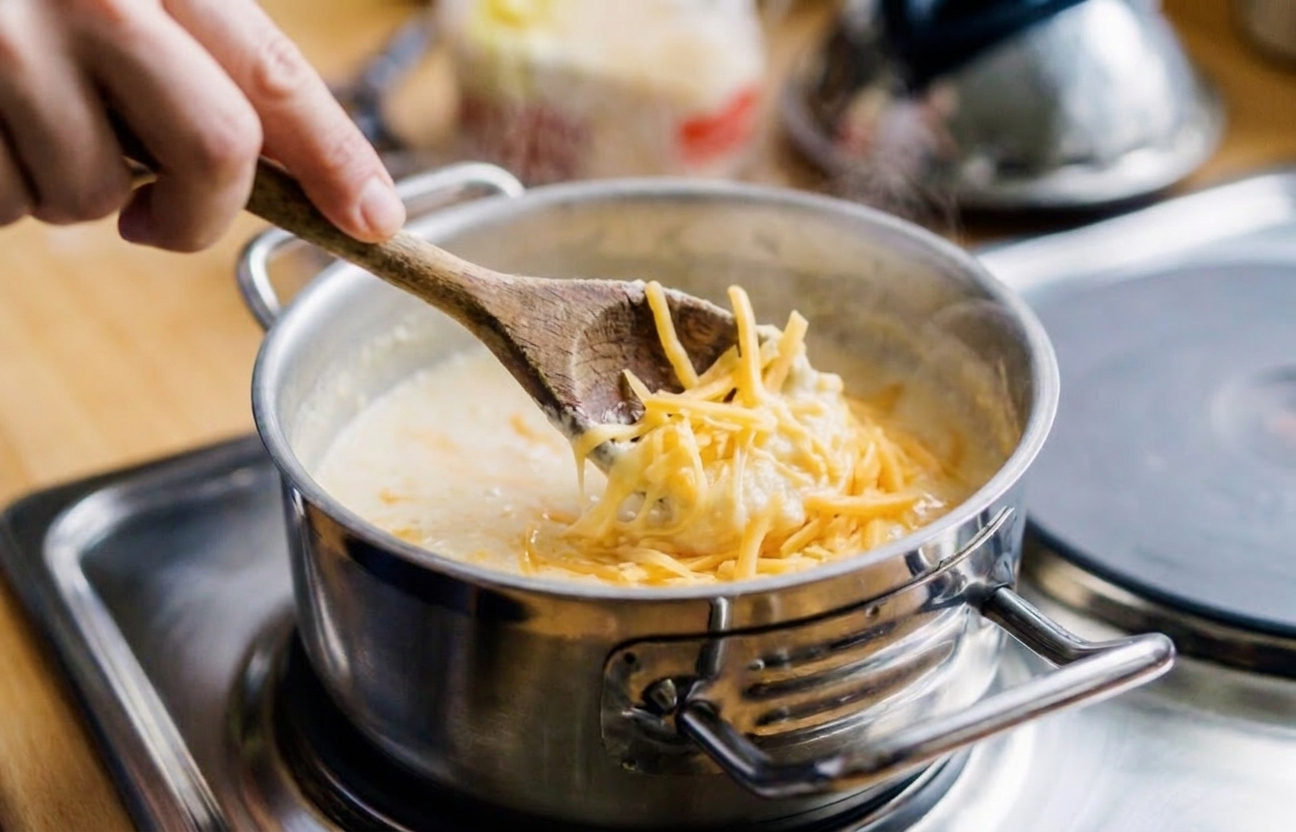
My method is friendly and forgiving: we whisk the grits in slowly, keep the heat low, season the pot early (that is the flavor boost), and finish with butter plus sharp cheddar for that big cozy payoff. And because I love a little chaos in the kitchen, I am also giving you the easiest ways to riff depending on what is in your fridge.

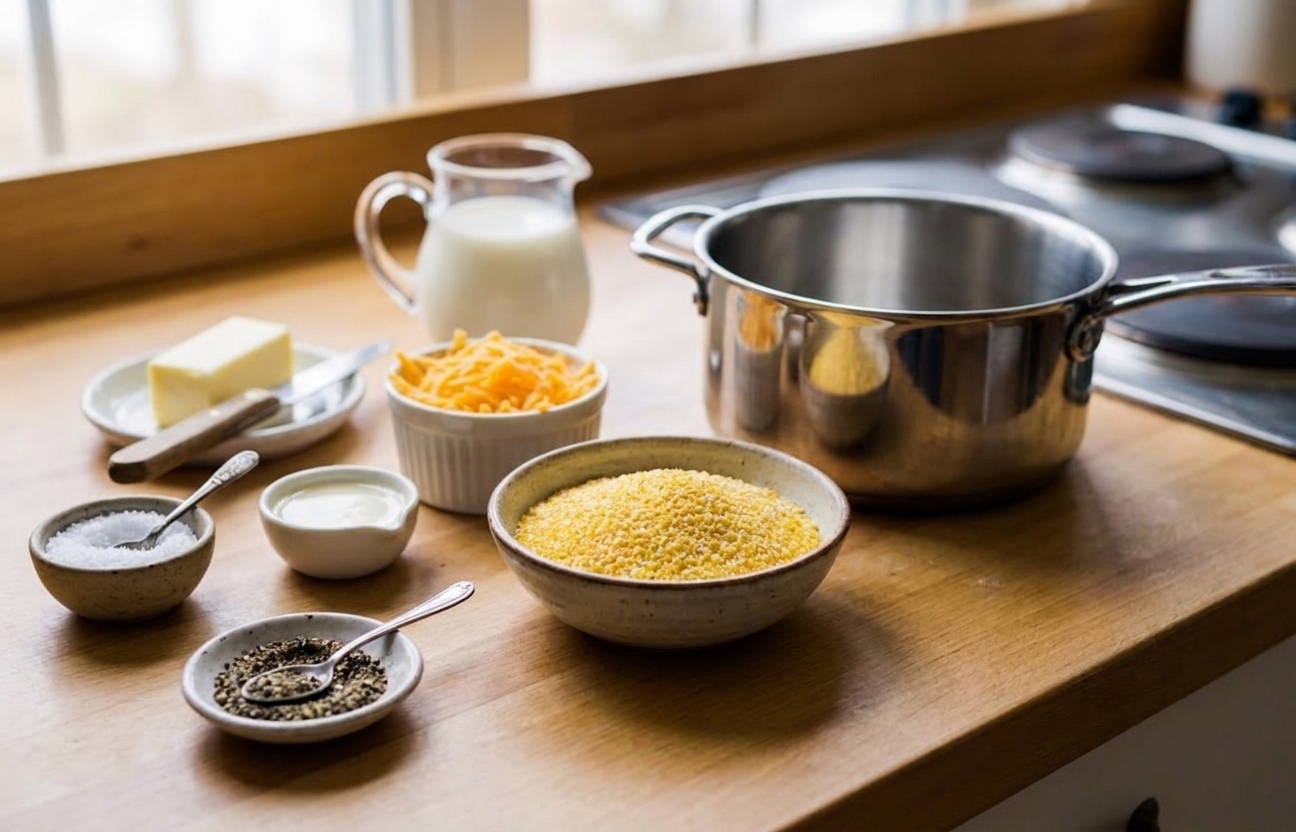
Measured stone ground grits, butter, sharp cheddar, milk, salt, and black pepper arranged on a light kitchen counter with a saucepan nearby

Why It Works

  • Silky texture: Low heat and steady stirring lets the starches hydrate without turning into paste.
  • Cheese that melts, not clumps: We take the pot off the heat before adding cheddar, then stir until glossy.
  • Big flavor with basic ingredients: Water plus milk, plenty of salt, butter, and sharp cheddar gives you depth without needing anything fancy.
  • Easy to scale: This ratio works for a small dinner or a bigger brunch table.

Pairs Well With

Storage Tips

Refrigerate: Cool grits quickly, then store airtight for up to 4 days. They will firm up in the fridge. That is normal.

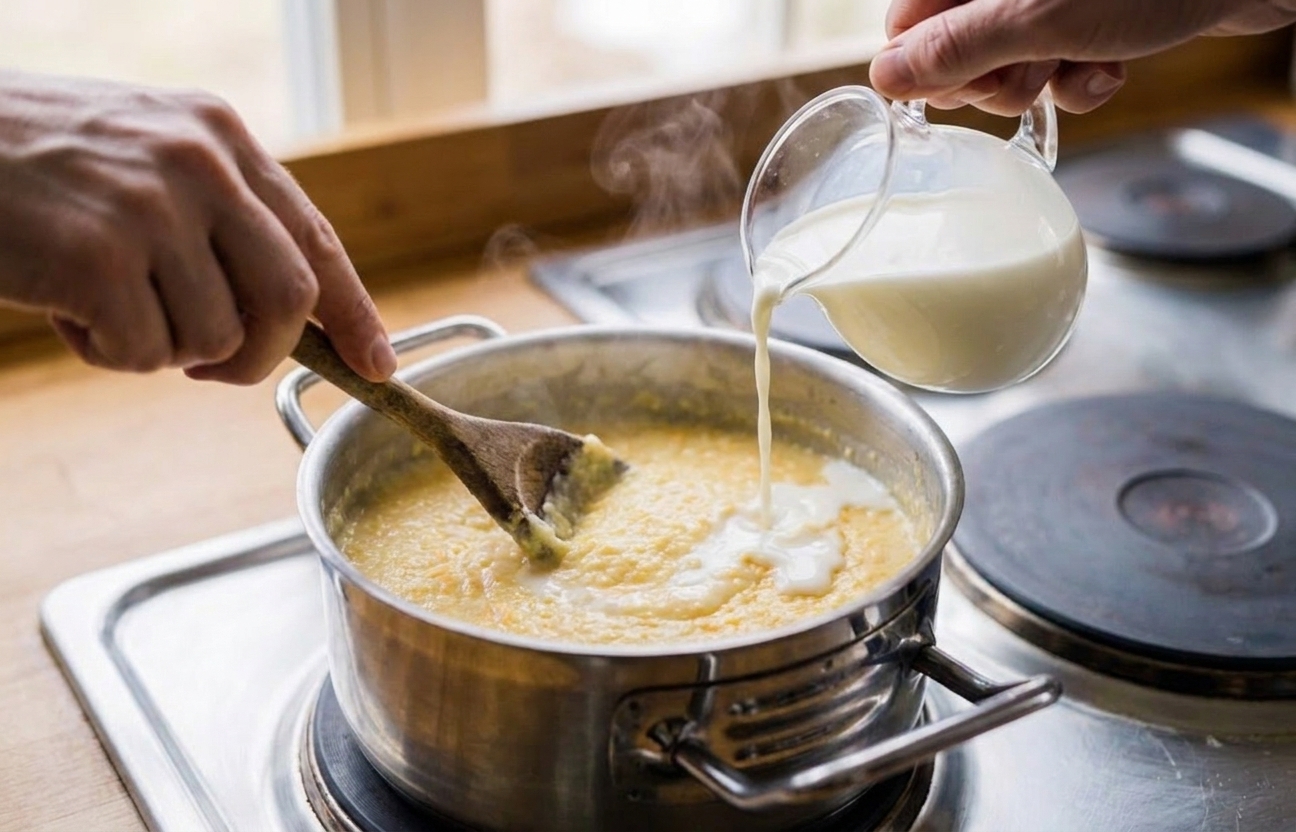
Reheat: Warm in a saucepan over low heat with a splash of milk, water, or broth. Start with 2 to 4 tablespoons per cup of grits and add more as needed, stirring until creamy again. Finish with a small knob of butter or a handful of cheese if you want them extra luxurious.

Freeze: You can freeze grits up to 2 months, but the texture can get slightly grainy. If you freeze them, portion into containers, thaw overnight in the fridge, then reheat gently with extra liquid and a good stir.

A saucepan on a stove with leftover grits being stirred while a small splash of milk is added to loosen the texture

Common Questions

What kind of grits should I use?

Stone-ground grits have the best corn flavor and the nicest texture, but they usually take longer. If you are using quick grits, reduce the cook time and keep an eye on thickness. Avoid instant if you can, but if it is what you have, it will still be cheesy and comforting.

How long do stone-ground grits take?

It depends on the brand and grind. Some are tender around 20 to 25 minutes, but many take 30 to 45 minutes (or longer). The real finish line is texture: they should taste creamy and tender, not chalky or crunchy. If your bag has a longer cook time, follow it.

Why are my grits lumpy?

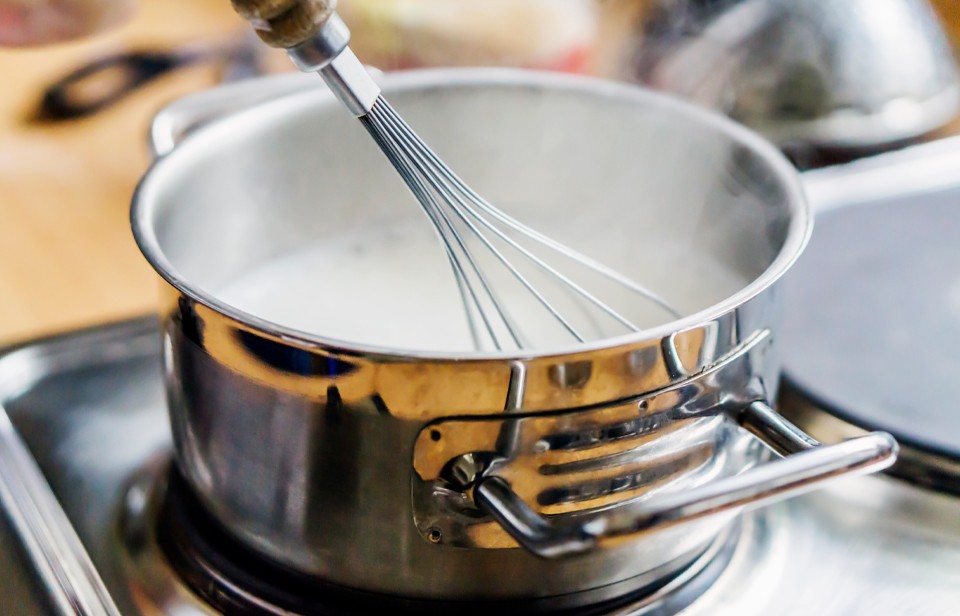
Usually one of two things: the liquid was not simmering, or the grits were dumped in all at once. For lump-free grits, whisk the liquid first, then rain in the grits slowly while whisking. If lumps happen anyway, whisk harder for a minute or two. In extreme cases, a quick hit with an immersion blender smooths things out.

How do I keep cheesy grits from getting stiff?

Grits tighten as they cool. Keep them looser than you think in the pot and serve right away. If they sit, stir in a splash of warm milk or water before serving.

Can I make cheesy grits ahead of time?

Yes. Make them, cool, refrigerate, and reheat with extra liquid. For parties, I like keeping them warm in a low slow cooker with a little extra milk and butter stirred in.

What cheese is best for cheesy grits?

Sharp cheddar is the classic. For extra melt and stretch, mix in a little monterey jack. For big flavor, try smoked gouda or a small amount of parmesan. If your cheese is super aged and dry, it can get a bit grainy, so blend it with a meltier cheese.

Should I shred my own cheese?

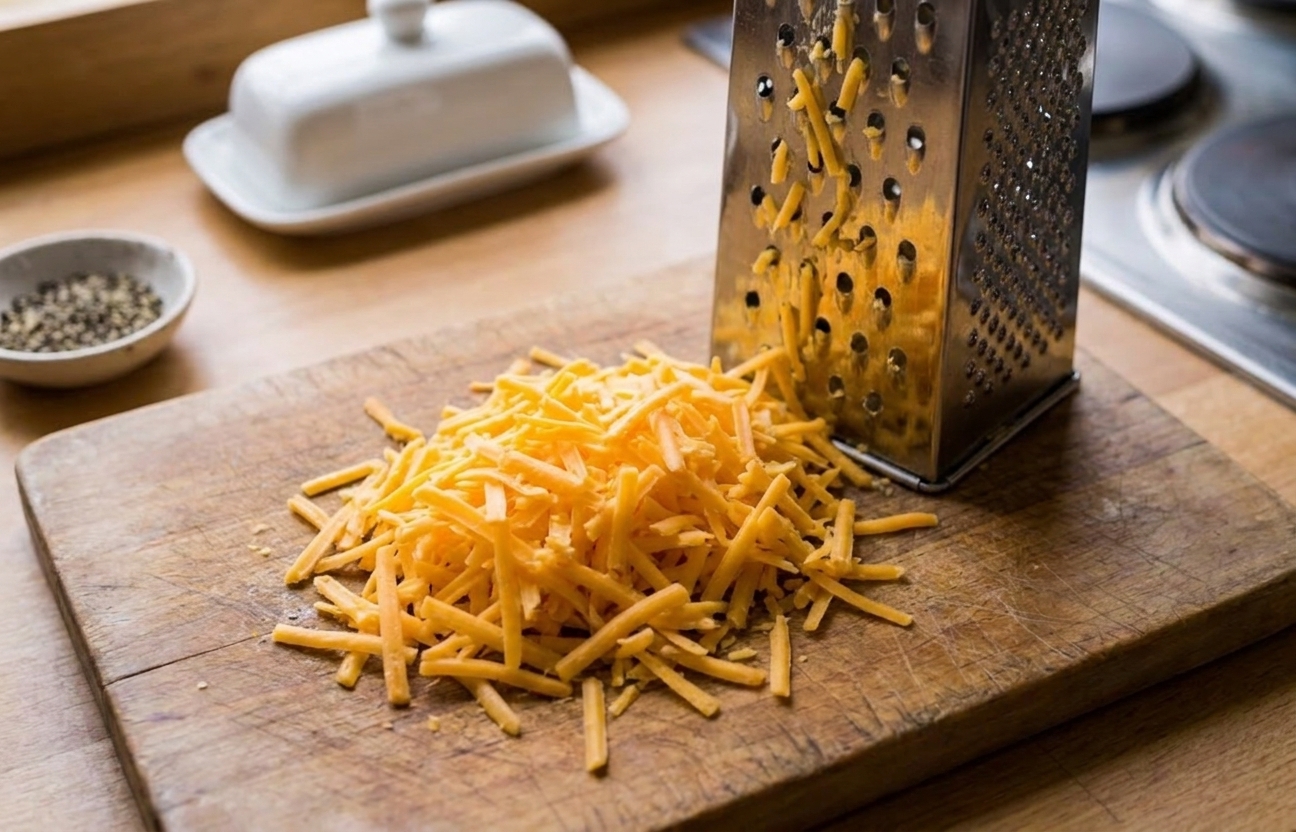
If you can, yes. Freshly shredded cheese melts smoother. Pre-shredded cheese often has anti-caking agents that can make the melt a little less silky. Not a dealbreaker, just a texture upgrade.

The first time I made cheesy grits that I actually loved, I was trying to “wing it” like I always do and ended up with a pot that set up like soft concrete. I did what any reasonable cook does when things go sideways: I added more liquid, turned the heat down, and kept tasting until it stopped being a chore.

Now this is my comfort-bowl baseline. It is the kind of food that makes the kitchen feel warm even if the rest of the day is a mess. Also, if you catch me standing over the pot taking “quality control” bites, no you did not.