
Mom's Best Recipes
Recipe

Chewy Butter Mochi Muffins

Crisp-edged, chewy-centered mochi muffins with a buttery vanilla or coconut profile, made with sweet rice flour for an easy gluten-free style snack.

Author By Matt Campbell
4.8
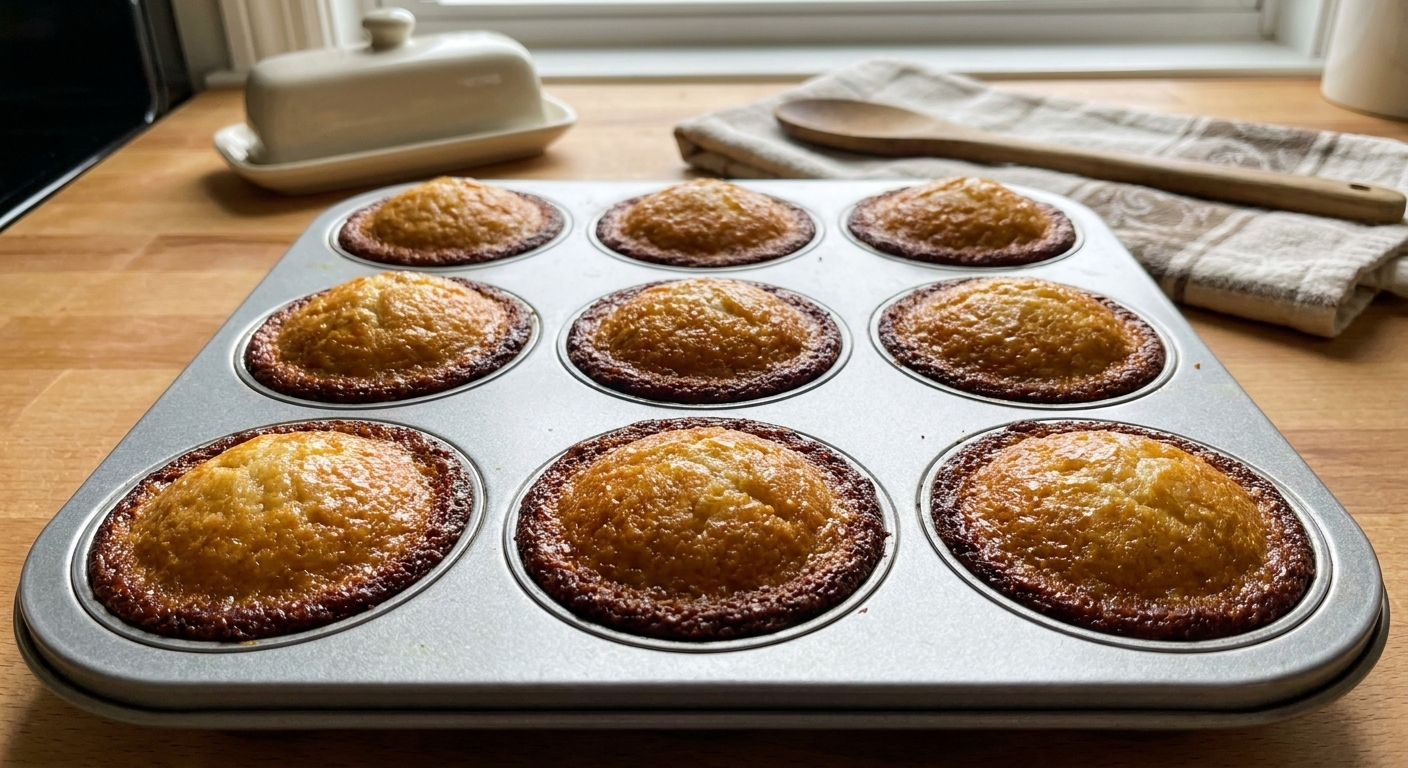
A real photo of golden brown butter mochi muffins in a standard 12-cup muffin tin, with crisp caramelized edges and slightly domed tops on a kitchen counter

These butter mochi muffins are my kind of snack: low drama, high reward. You get that signature mochi chew in the center, plus crisp, lacy edges around the sides. The flavor is classic butter mochi energy, like a vanilla-forward treat with a gentle coconut hum if you want it.

They are also naturally gluten-free, getting their signature texture from Mochiko (sweet rice flour). Quick note, though: gluten-free baking is not just about the main flour. If you are baking for someone with celiac disease or severe gluten sensitivity, you will want to confirm that every ingredient is labeled gluten-free and avoid cross-contact in your kitchen. More on that in the FAQ.

Make these once and you will start treating your muffin tin like a snack machine.
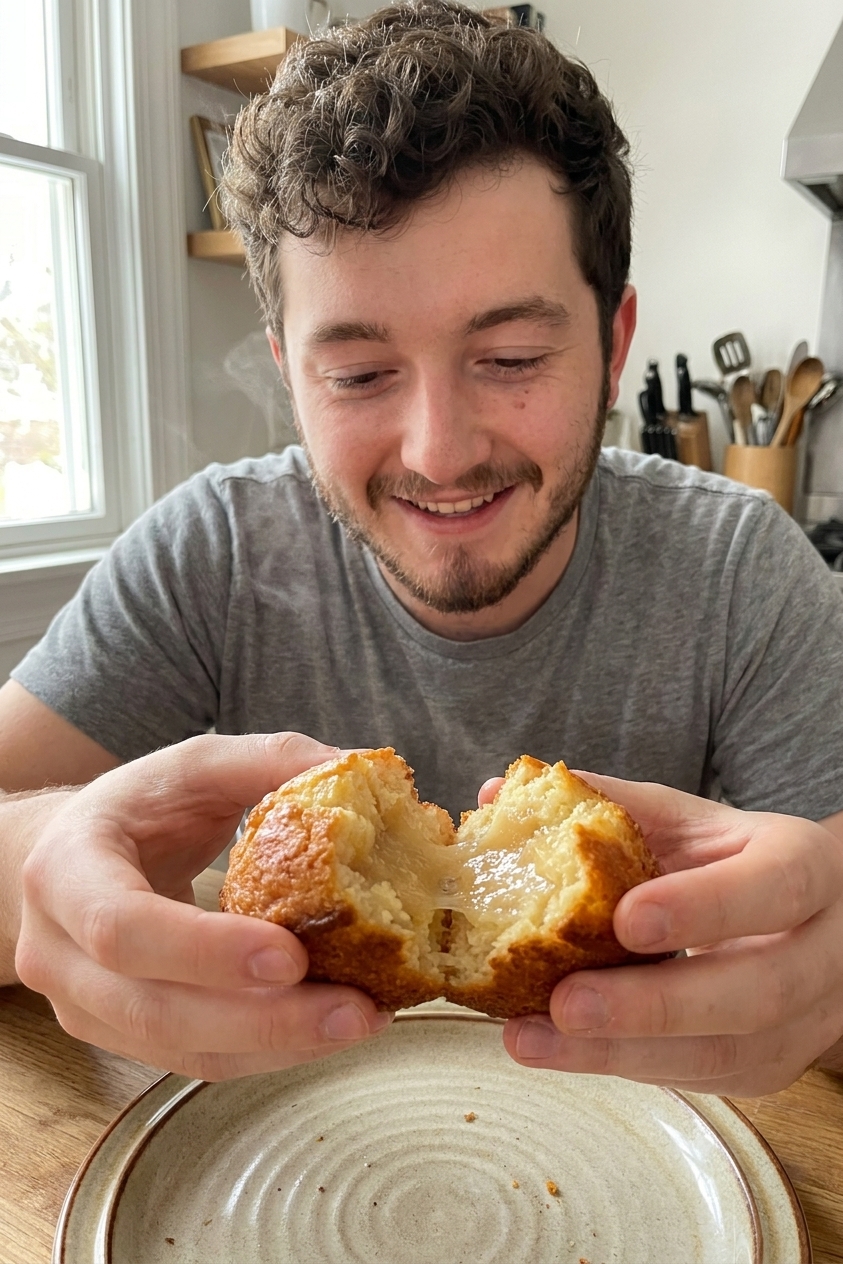
A real photo of a butter mochi muffin broken open to show a glossy, chewy interior crumb with a lightly browned crisp edge, held over a plate in a home kitchen

Why It Works

What you will get

  • Chewy, bouncy crumb that stays tender for days because sweet rice flour holds moisture differently than wheat flour.
  • Crisp edges from proper pan greasing and a hot start in the oven.
  • A reliable ratio you can remember: about 1 pound Mochiko (16 ounces) to 2 cups sugar to 4 eggs to about 2 cups liquid, plus fat. This lands you in chewy territory instead of cakey.
  • Easy flavor control: go pure vanilla, lean coconut, or do both.

Mochiko ratio tips

Mochi bakes are all about balance. Too much liquid and you get a pudding-like center that can sink. Too little and it turns dense and oddly dry. For a chewy muffin with structure, I aim for a batter that pours like thick pancake batter.

  • More liquid (or less Mochiko) makes it softer and closer to custardy mochi squares.
  • Less liquid (or more Mochiko) makes it firmer and can read as cakey or tight.
  • More fat boosts tenderness and helps crisp the edges.

Pairs Well With

Storage Tips

How to store

  • Room temperature: Store in an airtight container for 2 days. Line the container with a paper towel if your kitchen is humid to keep the tops from getting tacky.
  • Refrigerator: Up to 5 days. The fridge can make mochi bakes feel firmer, so plan to warm before eating.
  • Freezer: Wrap each muffin tightly, then freeze in a zip-top bag for up to 2 months.

Stale-day refresh

  • Microwave: 10 to 20 seconds for a soft, chewy center.
  • Toaster oven or oven: 300°F for 6 to 8 minutes. This brings back the crisp edges.
  • From frozen: Microwave 30 to 40 seconds, then toast 2 to 3 minutes to re-crisp.

Common Questions

Are these gluten-free?

The core structure comes from sweet rice flour (Mochiko), which is naturally gluten-free. However, “gluten-free” as a dietary requirement depends on all ingredients and cross-contact. If you are baking for someone with celiac disease, use ingredients that are certified gluten-free when possible (especially baking powder, vanilla, and any add-ins) and avoid shared equipment that has touched wheat flour.

What is Mochiko, and can I swap another rice flour?

Mochiko is sweet rice flour (also called glutinous rice flour). It is not the same as regular rice flour. Regular rice flour will not give you that bouncy chew. Look for Mochiko in the Asian foods aisle or online.

Why did my muffins turn out cakey?

Common culprits: the batter was under-mixed, the Mochiko was under-measured, or the oven ran cool. Mochiko needs thorough mixing to hydrate evenly. Also, measure by weight if you can. For the cups-based ingredients, level them off (especially sugar), since a heavy hand can throw off the texture.

Why did they sink in the middle?

Usually it is too much liquid, underbaking, or opening the oven early. Bake until the centers spring back and a toothpick comes out mostly clean with a few moist crumbs (no wet batter streaks).

Can I make them dairy-free?

Yes. Swap the butter for melted coconut oil or a dairy-free butter alternative, and use full-fat canned coconut milk or a plant milk. The flavor shifts more coconut-forward, which is not a problem in my book.

Do I need muffin liners?

You can use them, but you will lose some of the crispy edge magic. Greasing the pan well gives you that caramelized perimeter and an easier release.

I started making butter mochi when I wanted a snack that felt bakery-level but did not demand bakery-level effort. The first batch taught me two things fast: one, Mochiko is basically the cheat code for chewy texture, and two, the real joy is in the edges. Now I grease the pan like I mean it, crank the oven hot at the start, and treat these muffins like my weeknight reward. They are the kind of thing you grab “just to taste” and then realize you are standing at the counter eating half of one while it is still warm. That is a compliment to the recipe, not a problem.