Mom's Best Recipes
Recipe

Chewy Gluten-Free Chocolate Chip Cookies

Crisp edges, soft centers, and a classic brown sugar chew, made with an easy gluten-free flour blend and simple pantry ingredients.

Author By Matt Campbell
4.8
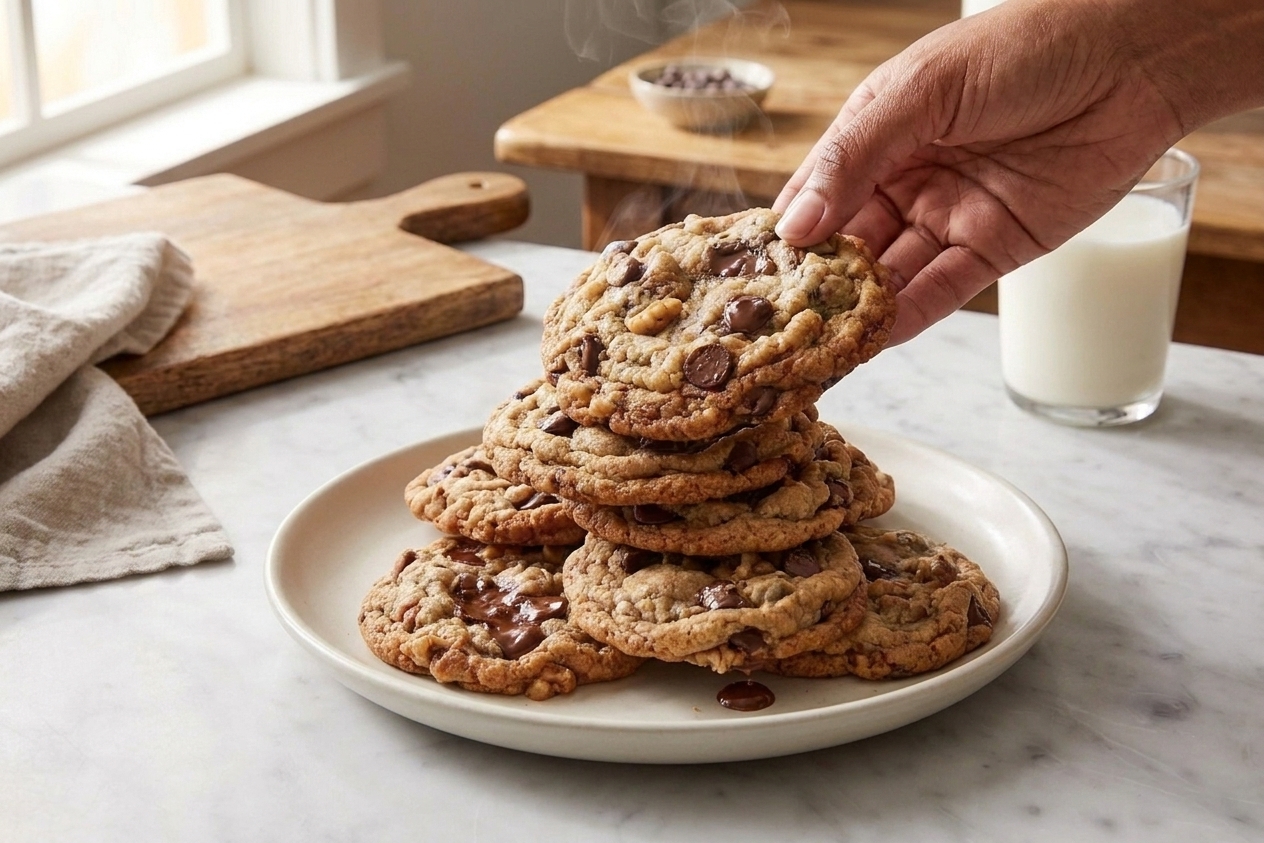
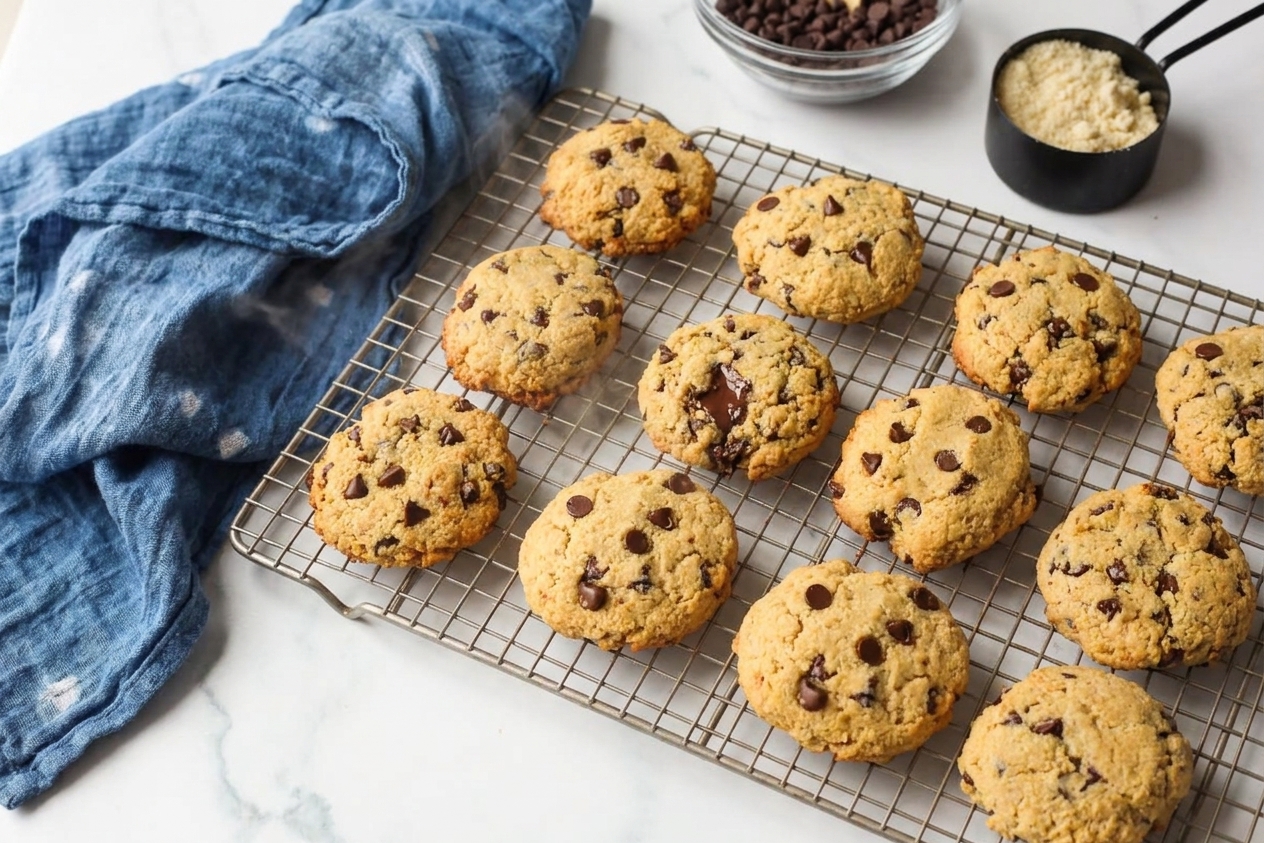
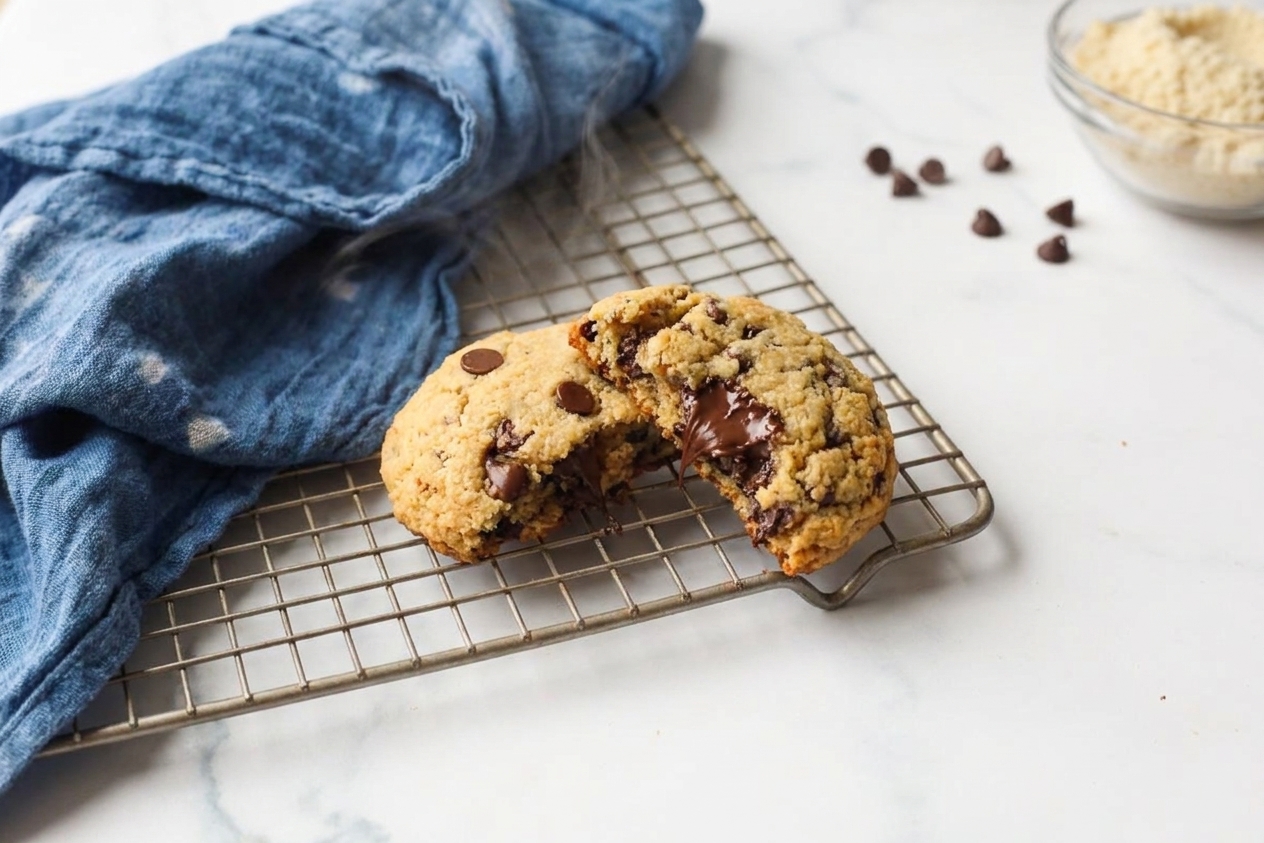
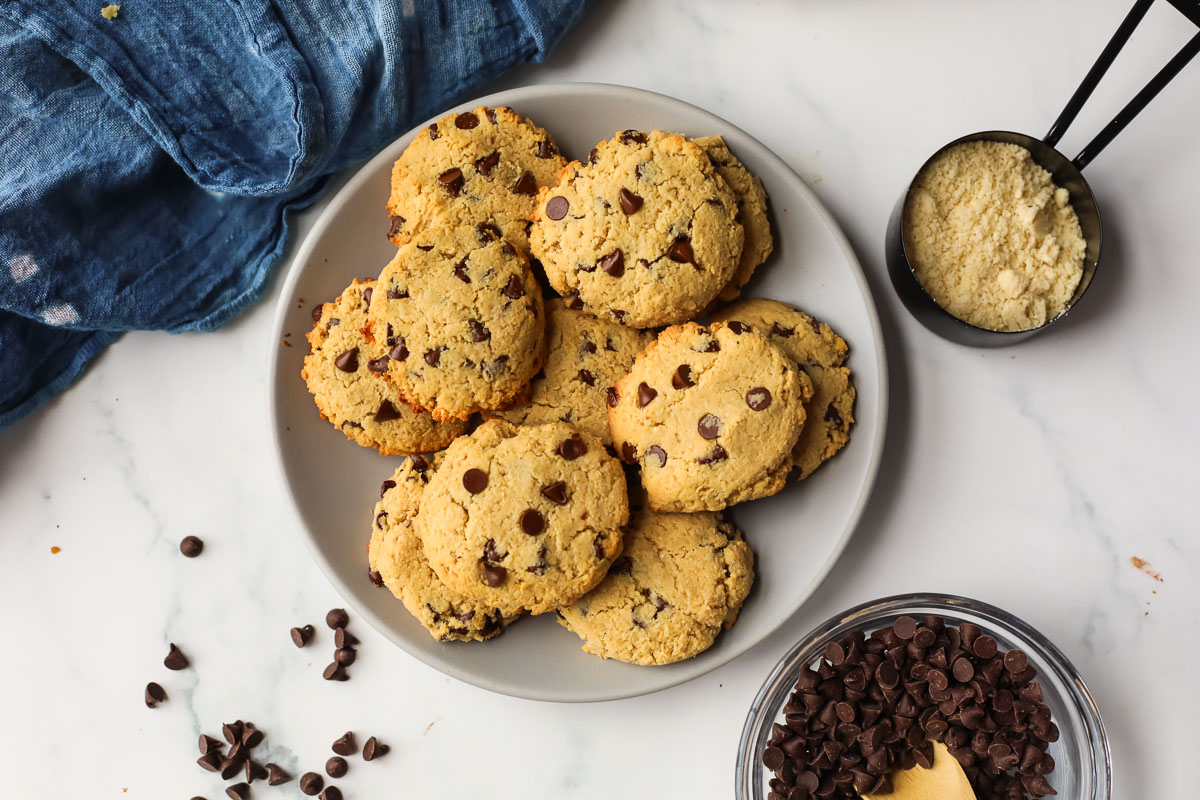
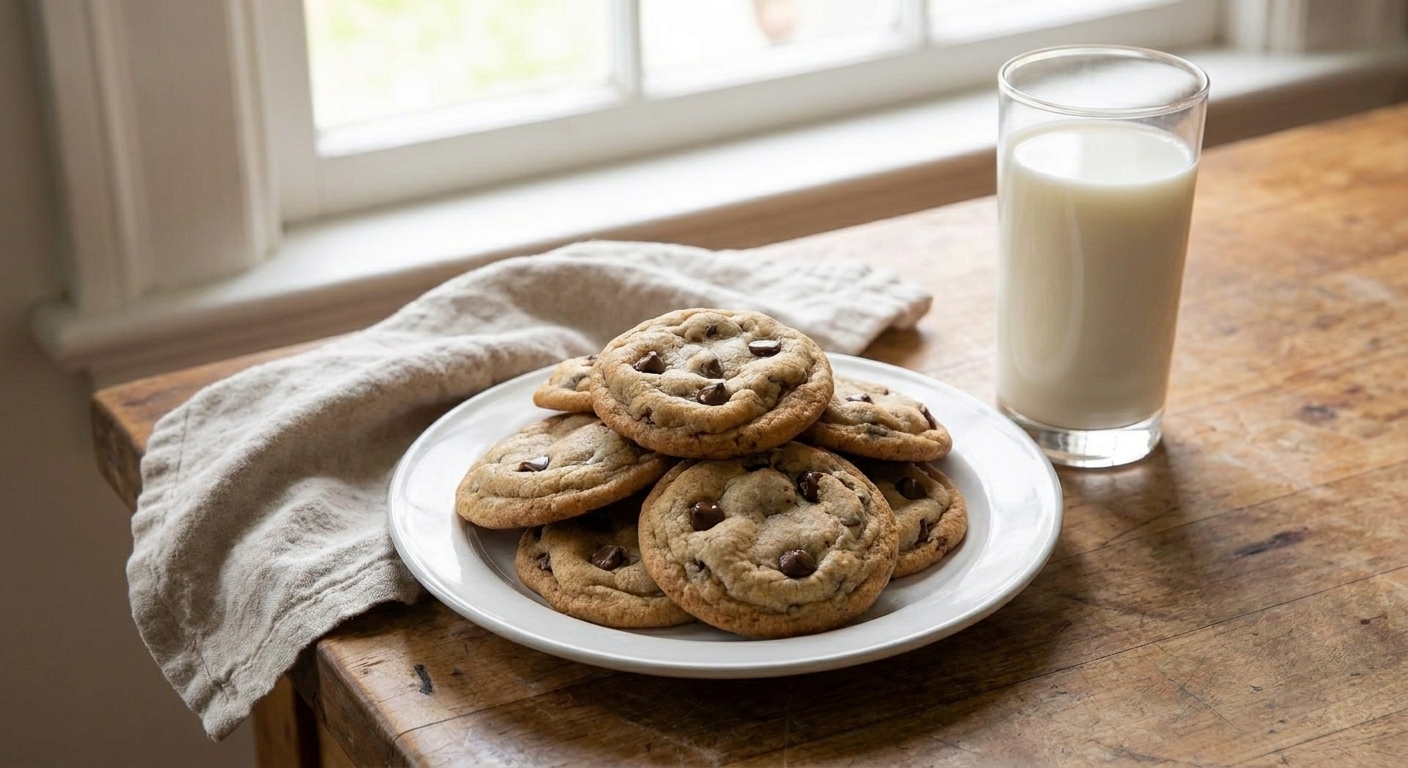
A stack of chewy gluten-free chocolate chip cookies with crisp golden edges and melty chocolate chips on a white plate on a warm kitchen table

Gluten-free cookies get a bad rap. Some are sandy. Some are puffy in a weird way. Some taste like they were baked with good intentions and a small amount of despair.

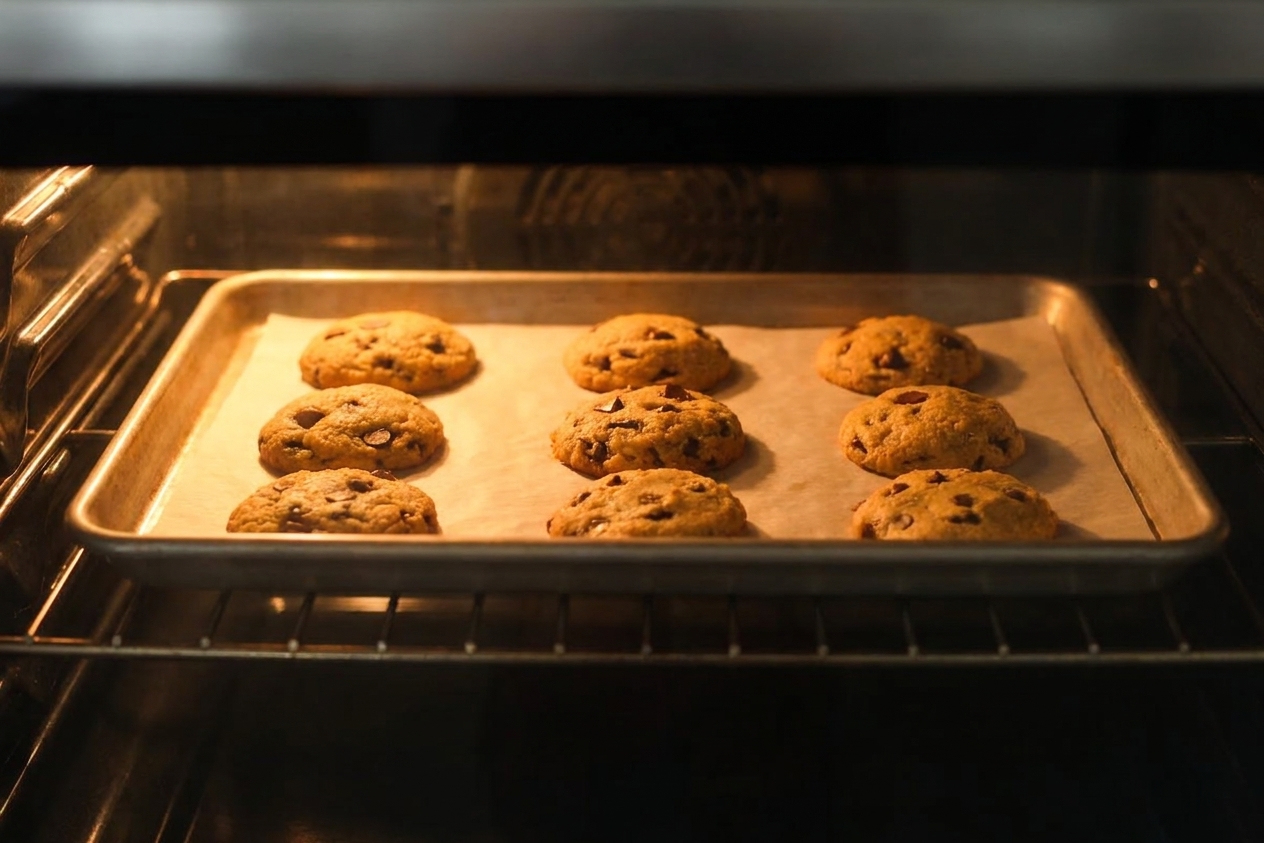
These are not those cookies. These are chewy in the middle, crisp around the edges, and heavy on that brown sugar, vanilla, and chocolate-chip comfort. The trick is simple: a dependable gluten-free flour blend, a little cornstarch for tenderness, and a quick chill so the cookies bake up thick instead of spreading into sad pancakes.

I’m going to walk you through the exact cues I look for at each step, because gluten-free baking is not hard, it just does not forgive “eh, close enough” the way some wheat-flour doughs do. Check the texture, trust the chill, and save the tasting for when the cookies come out of the oven.
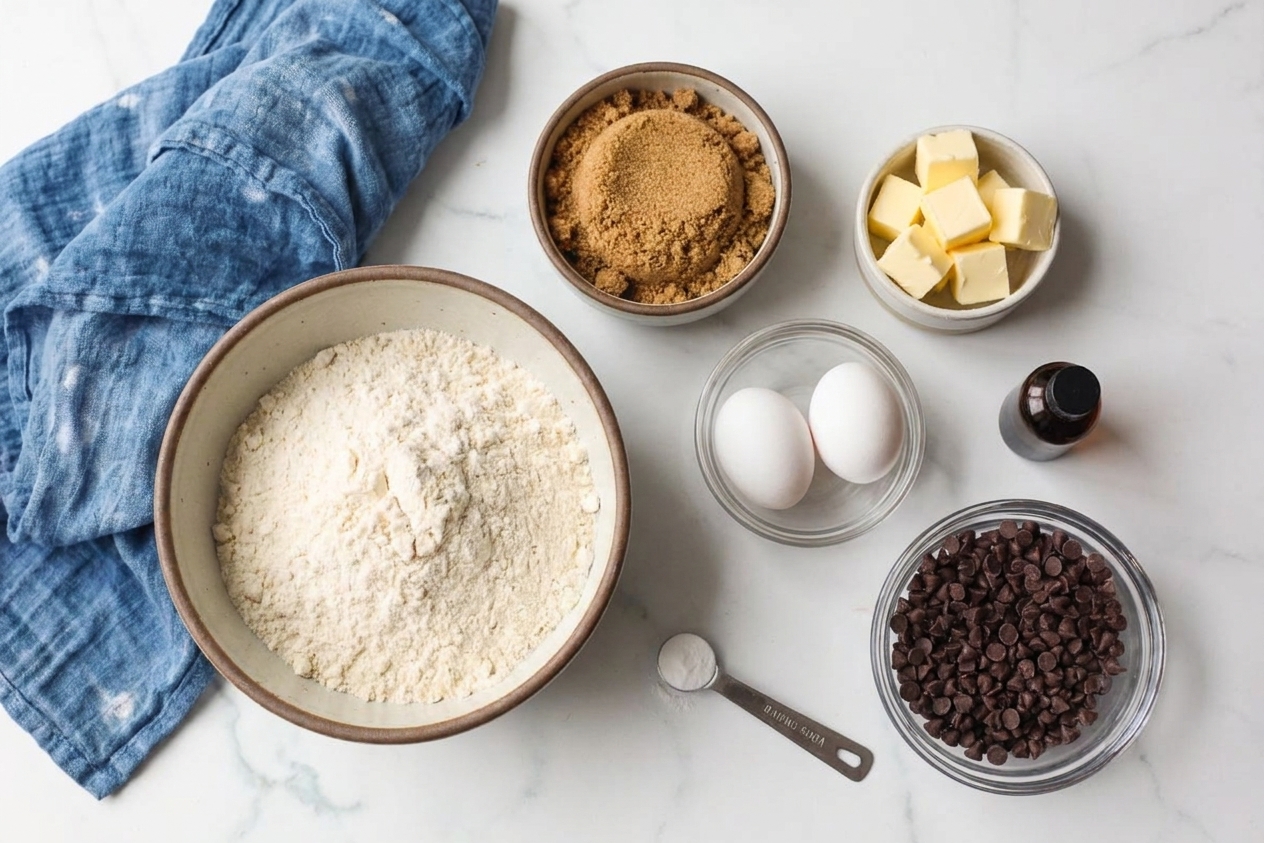
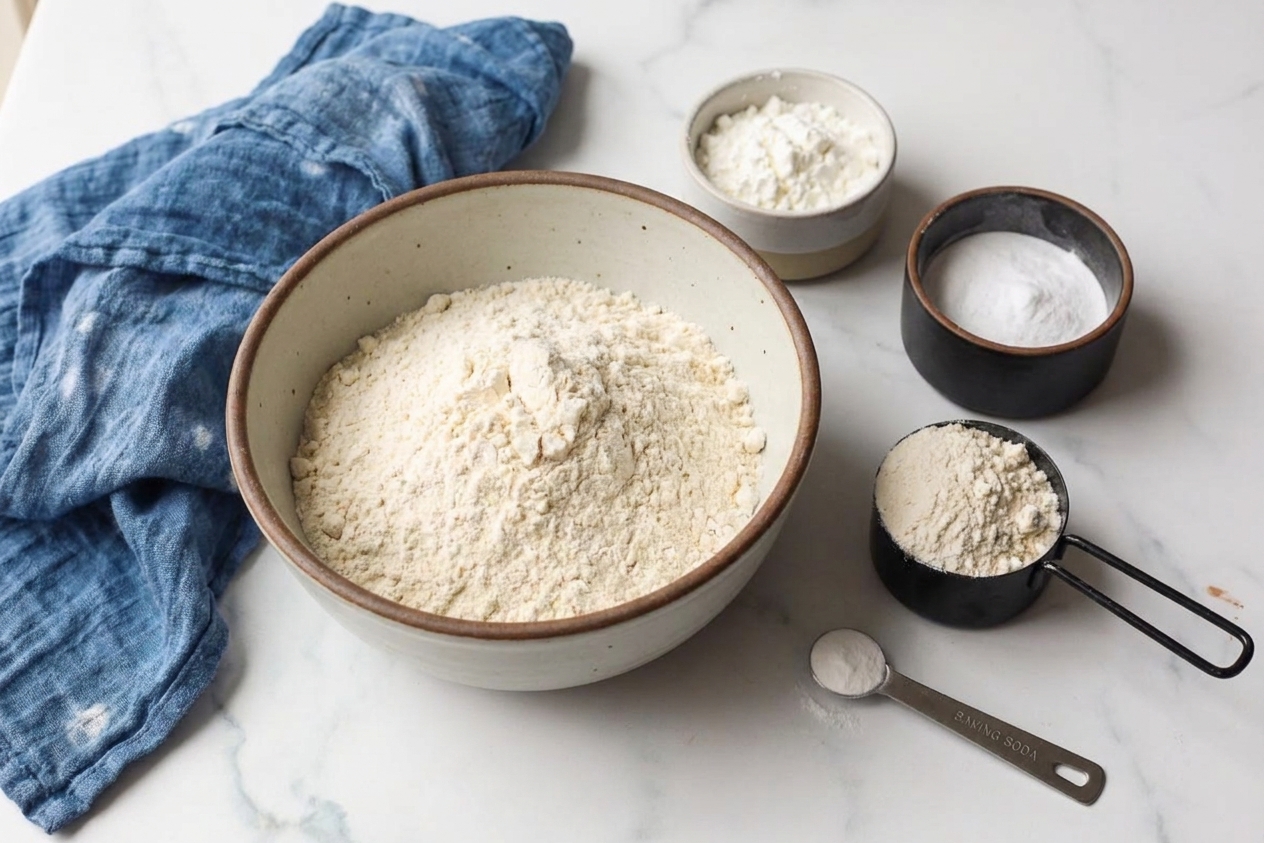
Measured ingredients for gluten-free cookies on a kitchen counter including gluten-free flour blend, brown sugar, butter, eggs, vanilla, chocolate chips, and baking soda in small bowls

Why It Works

  • Texture that feels classic: The cornstarch plus brown sugar keeps the centers soft while the edges crisp up.
  • No gritty aftertaste: Using a cup-for-cup gluten-free flour blend (and adding xanthan gum only if your blend needs it) gives structure without that sandy bite.
  • Consistent spread: A short chill firms the butter, hydrates the flour, and makes the bake predictable.
  • Big flavor, minimal drama: One bowl, simple steps, and chocolate-forward results.

Pairs Well With

Storage Tips

Storage Tips

Room temp: Store cooled cookies in an airtight container for up to 4 days. Add a small piece of bread to the container if you want them extra soft (replace bread daily).

Freeze baked cookies: Freeze in a zip-top bag or airtight container for up to 2 months. Thaw at room temp, or warm for 10 to 15 seconds in the microwave for that just-baked feel.

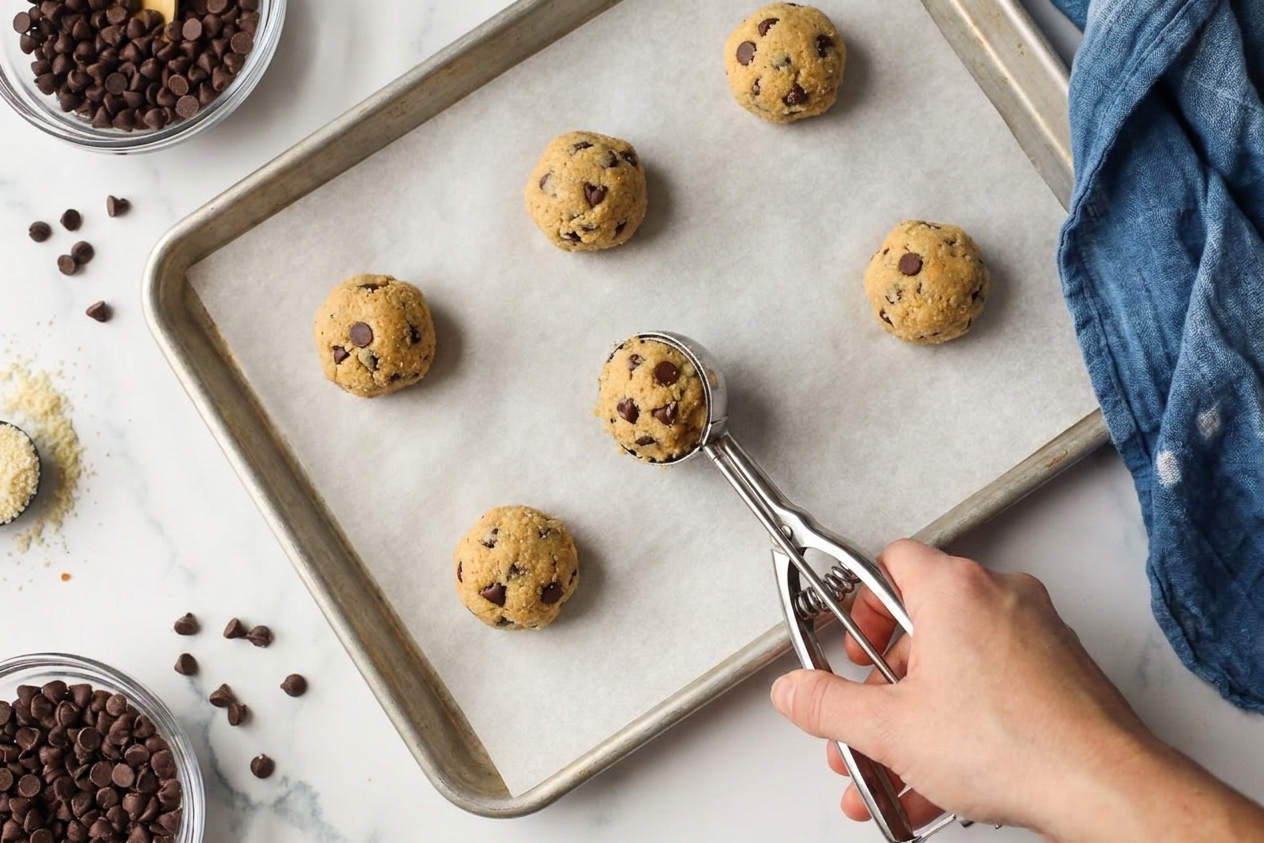
Freeze cookie dough: Scoop into balls, freeze on a lined sheet pan until firm, then transfer to a bag. Bake from frozen, adding 1 to 2 minutes to the bake time.

Common Questions

Common Questions

What gluten-free flour is best for cookies?

Use a 1:1 cup-for-cup gluten-free flour blend that’s meant for baking. Some blends include xanthan gum and some do not. If yours does not, add xanthan gum separately (see next question). Different blends behave differently, so once you find one you like, stick with it. If you can, use the weight for the most consistent results.

How much xanthan gum should I add?

It depends on the brand and how starch-heavy your blend is. For this batch, start with 1/4 teaspoon xanthan gum. If your cookies tend to spread and crumble with your blend, you can go up to 1/2 teaspoon next time.

Why did my gluten-free cookies spread too much?

Usually it’s one of three things: butter was too warm, the dough was not chilled, or the flour blend is lighter than expected. Chill the dough for at least 20 minutes, and make sure your baking sheet is cool before loading the next batch.

Why are my cookies dry?

Overbaking is the big culprit. Pull them when the edges look set but the centers still look a little underdone. They finish setting as they cool. Also, measure flour by spooning into the cup and leveling (or use a scale if you have one).

Can I make these dairy-free?

Yes. Use a plant-based butter that comes in sticks (not tub margarine). Chill the dough a bit longer, since vegan butter can soften fast.

Can I use almond flour or coconut flour instead?

Not as a direct swap. Coconut flour is extremely absorbent, and almond flour bakes up differently because it’s higher in fat and has no starch structure. This recipe is built for a gluten-free all-purpose blend.

Do I really need to chill the dough?

You can bake right away, but chilling improves texture and reduces spread. If you want thick cookies with that chewy middle, give the dough at least 20 to 30 minutes.

I came up with this batch after one too many “gluten-free” cookies that tasted like a compromise. I wanted the real deal cookie energy: warm vanilla, brown sugar depth, and chocolate that stays a little molten if you catch the cookie at the right minute. The first win was realizing I needed to treat the dough like it deserved a small rest. Not a whole life story in the fridge, just enough time for the flour to hydrate and the butter to calm down. Now it’s my go-to when I need something dependable, a little indulgent, and very hard to share.