Mom's Best Recipes
Recipe

Chicken Katsu Curry (Japanese Style)

Crispy panko chicken over rice with a rich, mildly sweet Japanese curry sauce, plus pickled ginger and fukujinzuke for that classic comfort-food finish.

Author By Matt Campbell
4.9
A plate of Japanese chicken katsu curry with crispy sliced chicken cutlet over steamed white rice, ladled with glossy brown curry sauce, with pickled ginger and fukujinzuke on the side, warm kitchen lighting

Chicken katsu curry is the kind of meal that makes you feel like you have your life together, even if your sink is full of dishes and you are wearing socks that do not match. You get the crisp, crunchy cutlet, the cozy rice, and then the deep, velvety curry sauce that tastes like it has been simmering all day. It has not. That is the beauty.

This is Japanese home cooking comfort at its best, and it is not the same thing as plain chicken katsu. Here, the katsu is the crunch on top, but the curry is the main character. I will show you two ways to make the sauce: the super reliable route with curry roux blocks, and a from-scratch spice blend for when you feel curious and want to play.

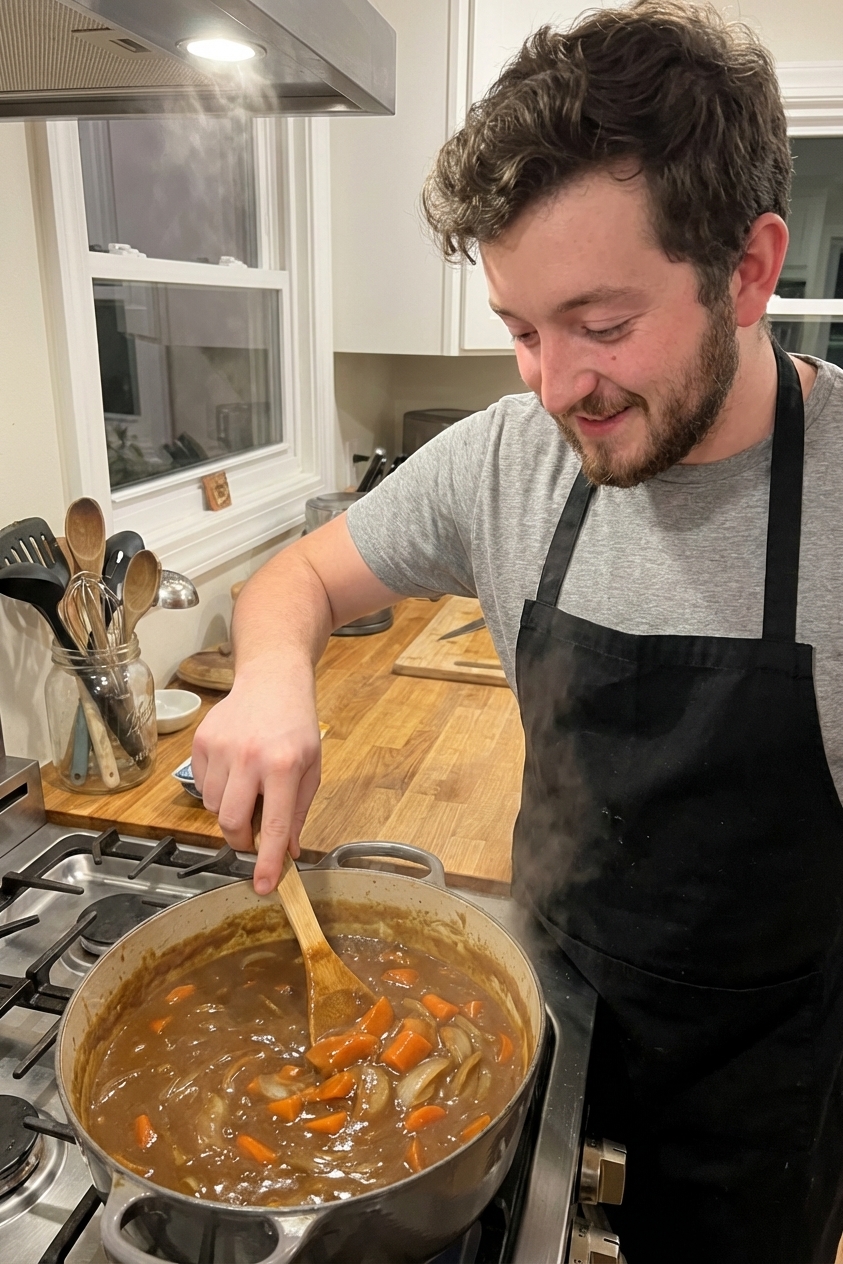
A saucepan of Japanese curry sauce being stirred with a wooden spoon, with softened onions and carrots visible, stovetop home cooking photo

Why It Works

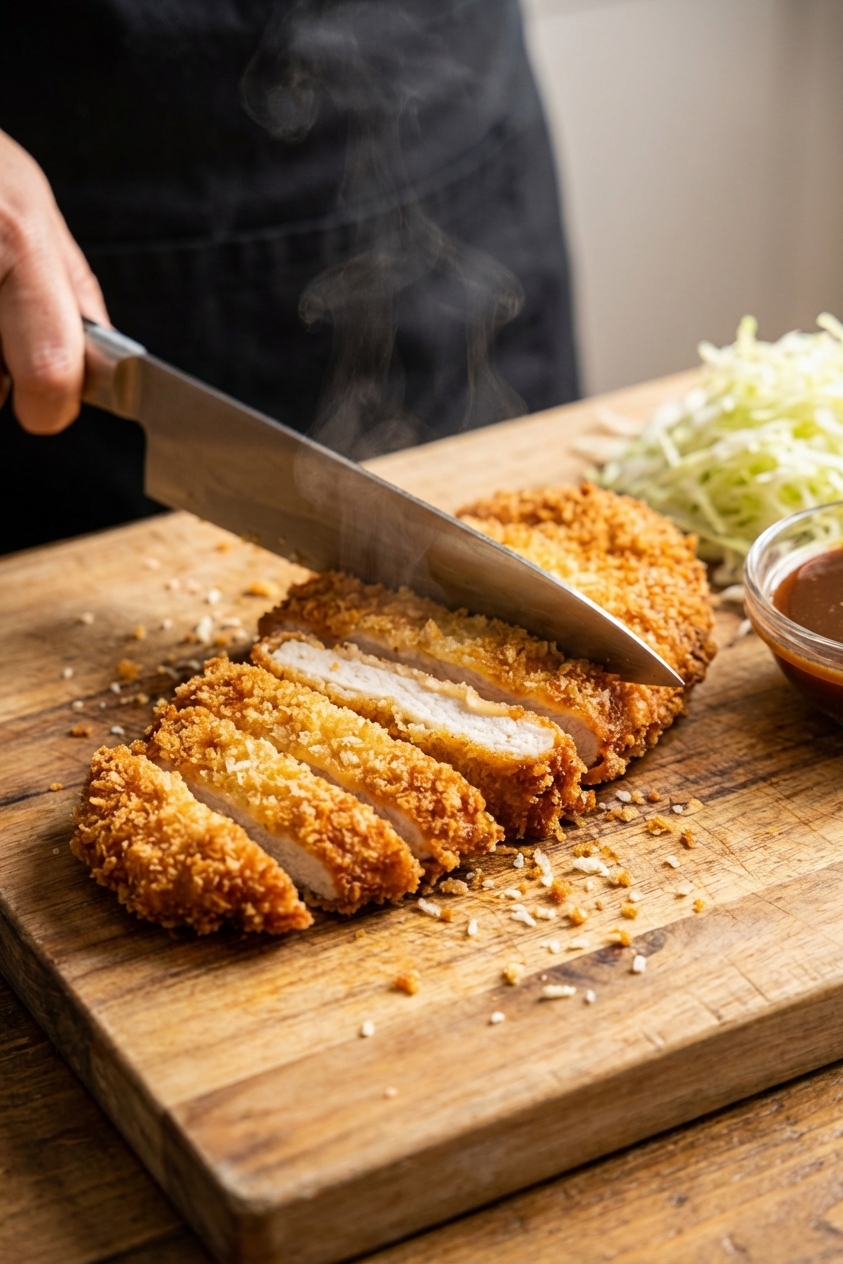
  • Ultra-crispy katsu that stays crunchy: We pound the chicken to an even thickness, use a simple flour egg panko dredge, and fry at the right temp so the coating sets fast without getting greasy.
  • Japanese curry that tastes like a restaurant: Onions cooked until truly golden build sweetness and depth, then the roux thickens the sauce into that classic glossy, spoon-coating texture.
  • Two curry options: Use store-bought roux blocks for weeknights, or make a quick spice blend with a butter-flour roux when you want full control.
  • Garnishes that matter: Pickled ginger and fukujinzuke are not “extra”. They cut the richness and make every bite feel balanced.

Pairs Well With

Storage Tips

Katsu curry is best when the chicken is crisp and the curry is hot, but leftovers still taste great if you store them smart.

Store everything separately

  • Curry sauce: Cool, then refrigerate in an airtight container for up to 4 days. It thickens as it chills. That is normal.
  • Chicken katsu: Refrigerate for up to 3 days. For best crunch, cool completely, then store on a rack set over a tray and cover loosely. If you are short on space, a container lined with a paper towel is fine for storage. Just do not drain freshly fried cutlets directly on paper towels.
  • Rice: For food safety, cool rice promptly and refrigerate within 1 hour. Spreading it on a tray helps it cool fast. Once chilled, keep refrigerated up to 4 days.
  • Garnishes: Keep pickled ginger and fukujinzuke sealed in the fridge.

Reheating tips

  • Re-crisp the katsu: Oven or air fryer at 375°F until hot and crunchy, about 8 to 12 minutes. Avoid the microwave if you want crunch.
  • Reheat the curry: Stovetop on low with a splash of water or stock, stirring until glossy again.

Freezing: Curry freezes great for up to 2 months. Freeze the sauce alone. If you want a freezer-friendly katsu plan, freeze uncooked breaded cutlets on a tray, then bag them. Fry from frozen at 325°F to 340°F, flipping as needed, until deep golden and the center reaches 165°F (time varies by thickness, start checking around 10 to 14 minutes total).

Common Questions

What is Japanese curry, and how is it different from Indian curry?

Japanese curry is usually milder, slightly sweet, and thicker, more like a gravy. It is commonly made with onions, carrots, potatoes, and a curry roux that thickens the sauce.

Do I have to use curry roux blocks?

No, but they are the easiest way to get the classic flavor and texture. If you want to make it from scratch, use the spice blend option in the ingredients and instructions below. You will still make a roux, you just control the seasonings.

Can I bake or air fry the chicken katsu?

Yes. It will be a little less shatter-crisp than frying, but still really good. Spray the breaded cutlets generously with oil and air fry at 400°F for 10 to 14 minutes, flipping halfway, or bake at 425°F for 18 to 22 minutes.

What can I use if I do not have panko?

Panko is key for the signature crunch, but in a pinch use crushed cornflakes or coarse dried breadcrumbs. The texture will change, but dinner will still happen.

My curry is too thick or too thin. How do I fix it?

  • Too thick: Add a splash of water or stock, stir, simmer 2 minutes.
  • Too thin: Simmer uncovered to reduce, or mash a few potato chunks into the sauce if using potatoes. If you made the from-scratch version, you can whisk 1 tablespoon flour with 2 tablespoons water and simmer it in for a few minutes.

What are fukujinzuke and pickled ginger?

Fukujinzuke is a sweet-tangy Japanese pickle mix, often red, commonly served with curry rice. Pickled ginger (beni shoga or gari depending on style) adds a sharp, bright bite that cuts the richness.

Any allergy notes?

This recipe contains gluten (flour, panko, and many curry roux blocks), egg, and may contain dairy depending on the curry block brand. Check labels if you are cooking for allergies.

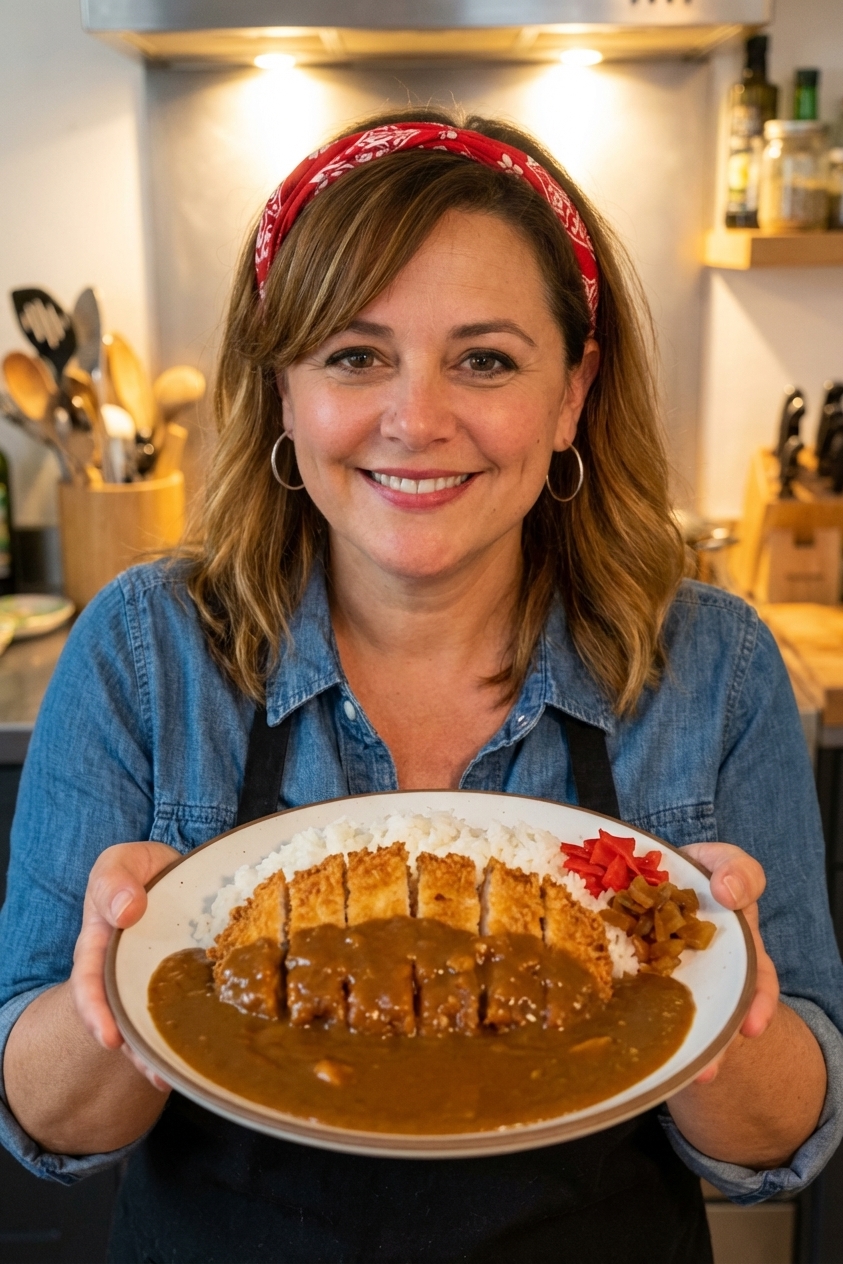
The first time I made katsu curry at home, I treated it like two separate recipes that happened to share a plate. The katsu was great, the curry was fine, and the whole thing felt oddly unfinished. Then I learned the trick: the curry needs real onion time, and the katsu needs a rack, not a paper towel puddle. Add a little fukujinzuke on the side and suddenly it tastes like the best kind of lunch you would hunt down on a rainy day. Now it is one of my favorite “weeknight comfort” meals, especially when I want something cozy that still has crunch.