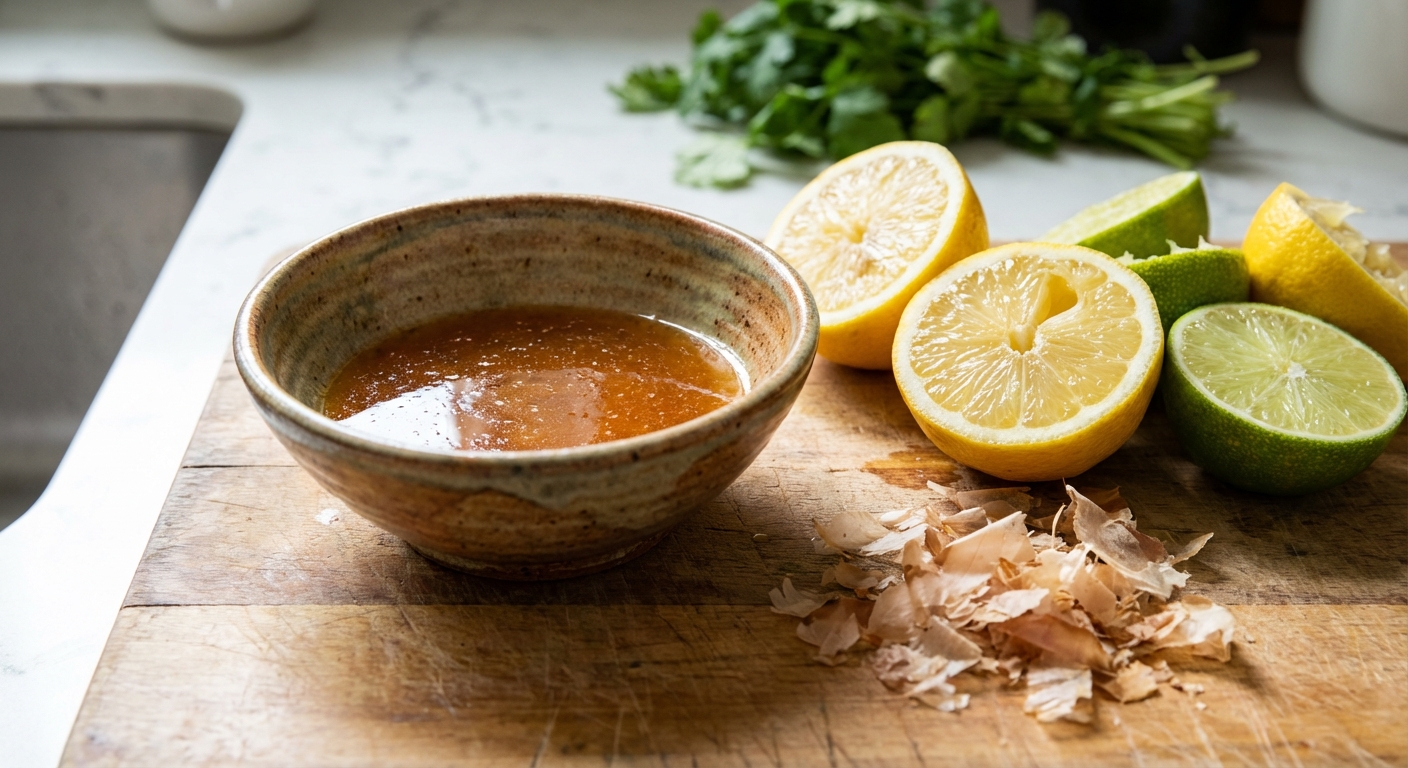
Learn how to make homemade ponzu sauce with a few simple ingredients like soy sauce, citrus, mirin, and dashi. A tangy, umami-rich dip for dumplings, sushi, ...
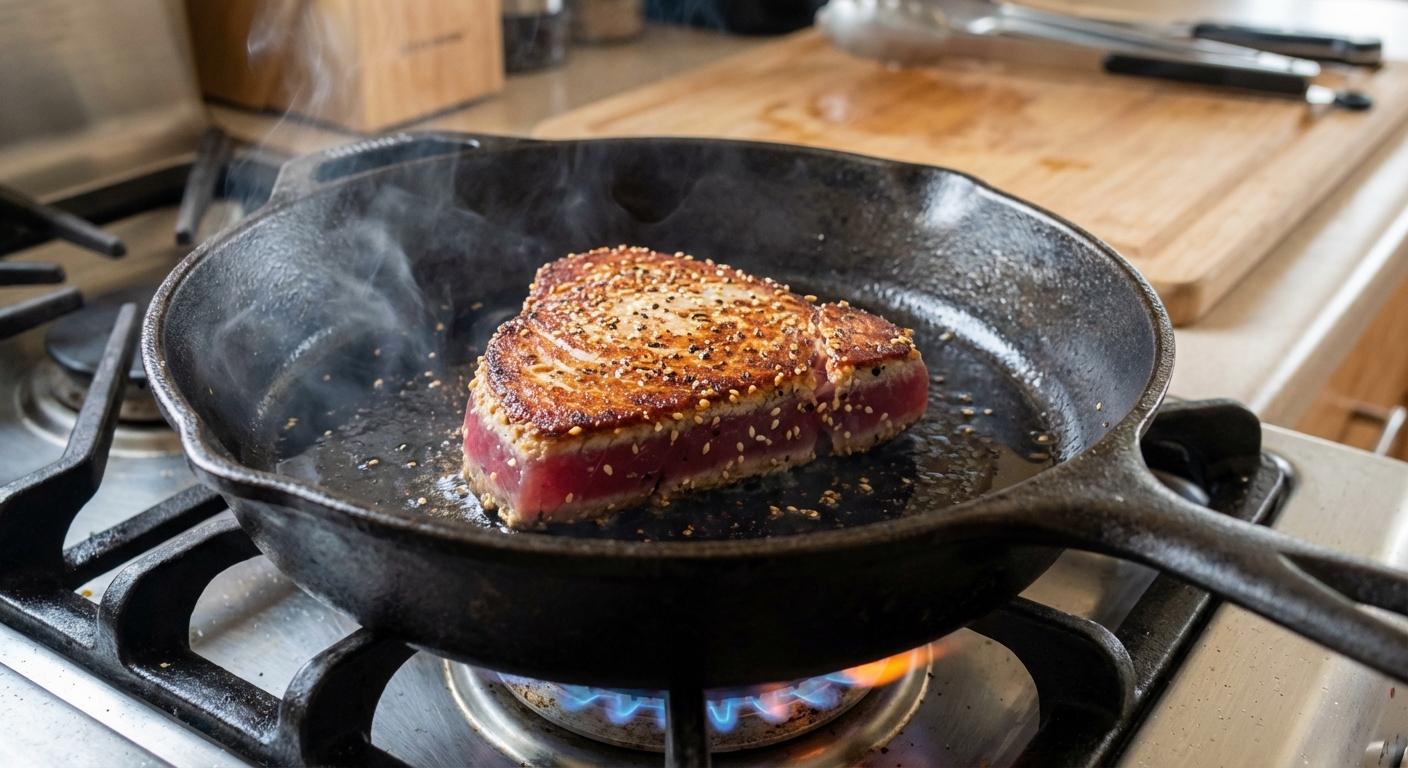
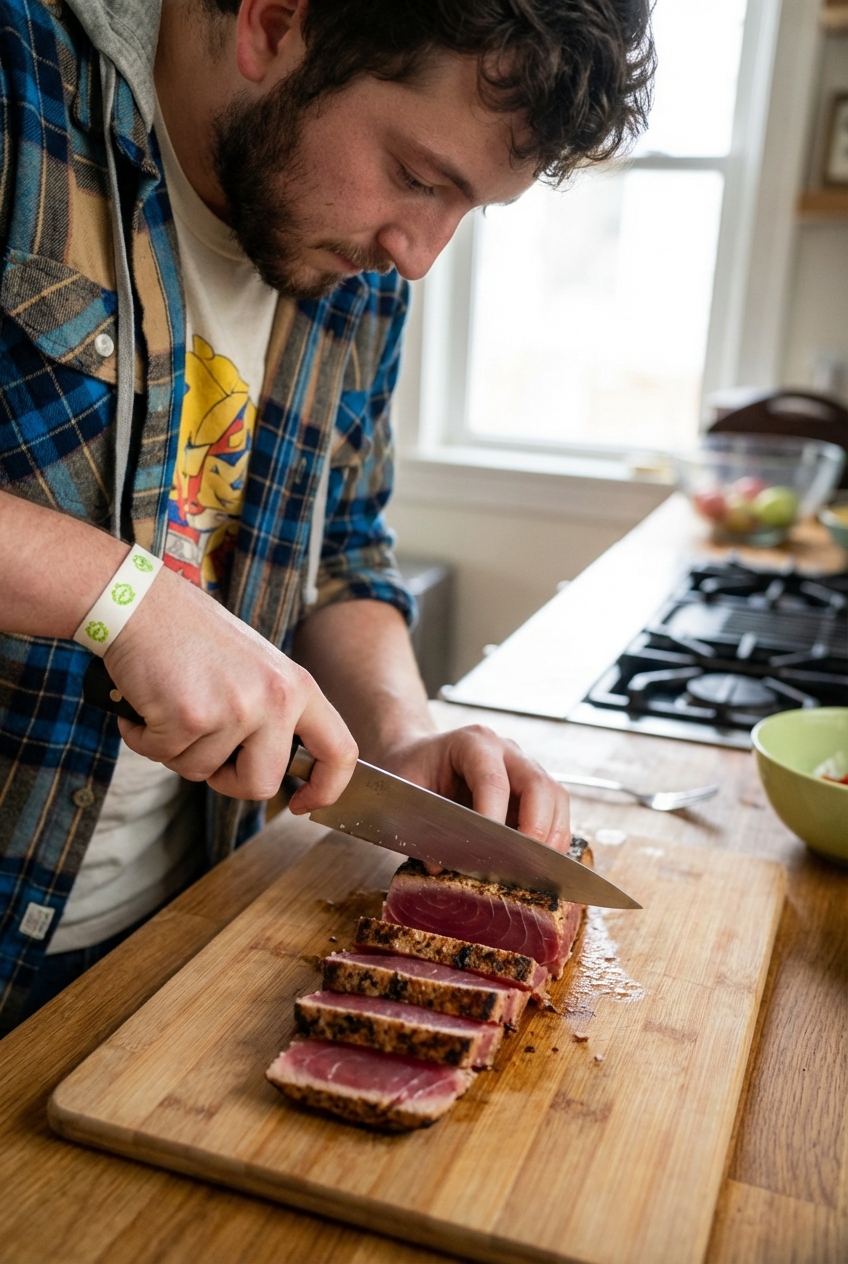
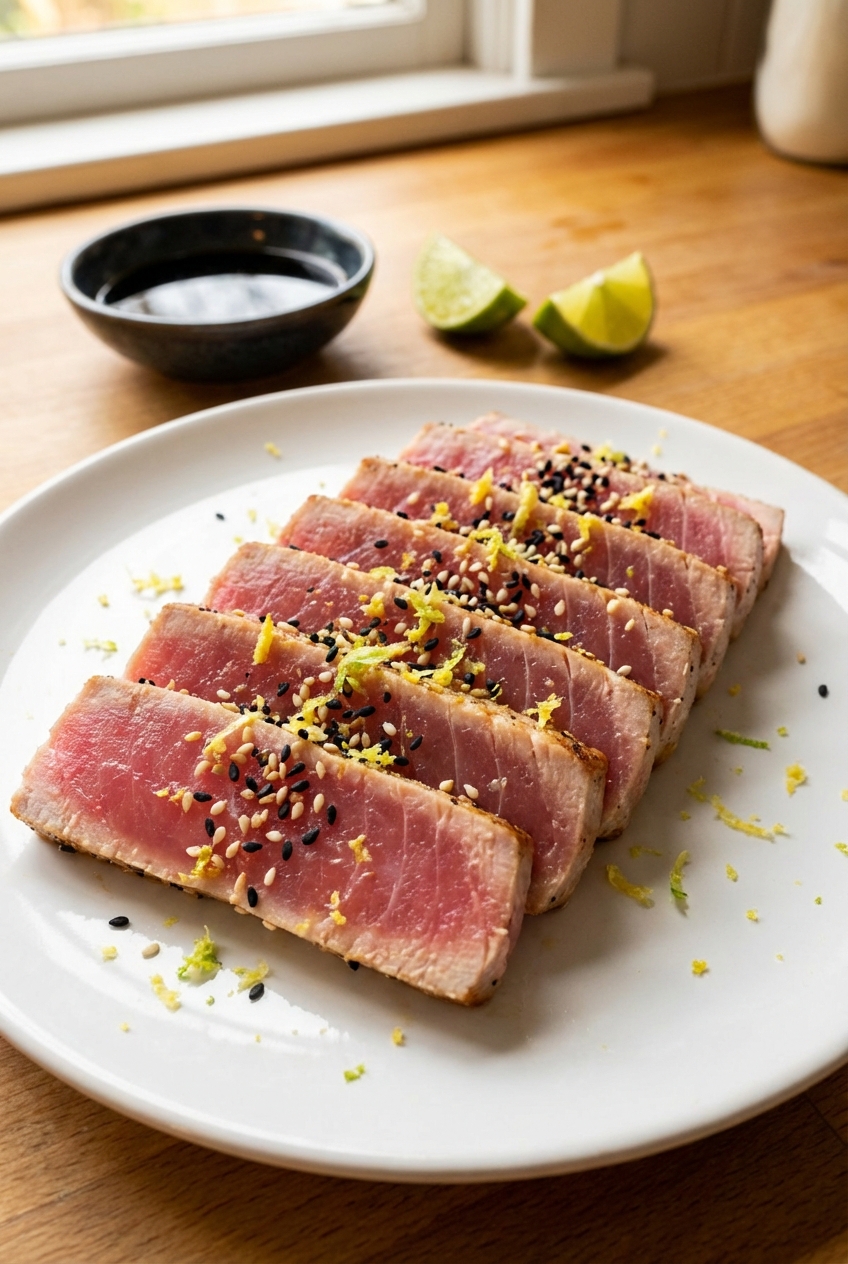
If you want something that feels restaurant-smart but cooks like a weeknight, this citrus-kissed ahi tuna is the move. We are talking: a quick, high-heat sear for those crisp edges, a cool pink center, and a punchy drizzle that tastes like you actually planned dinner.
The flavor is clean and bold at the same time. Citrus brightens everything up, soy brings the savory backbone, and a tiny hit of honey rounds it out so it tastes balanced instead of sharp. The best part is how little you have to do. Season, sear, slice, sauce. You are basically five minutes away from feeling fancy.
Quick safety note: This recipe is written for a rare to medium-rare center. If you prefer fully cooked, just sear a bit longer and use the visual cue that the center is no longer translucent.