Mom's Best Recipes
Recipe

Classic Chess Pie Recipe: Citrus-Kissed

A classic Southern chess pie with a bright citrus lift, a caramelized top, and a custardy center that slices clean. Pantry-friendly, no-fuss, and wildly good with coffee.

Author By Matt Campbell
4.8
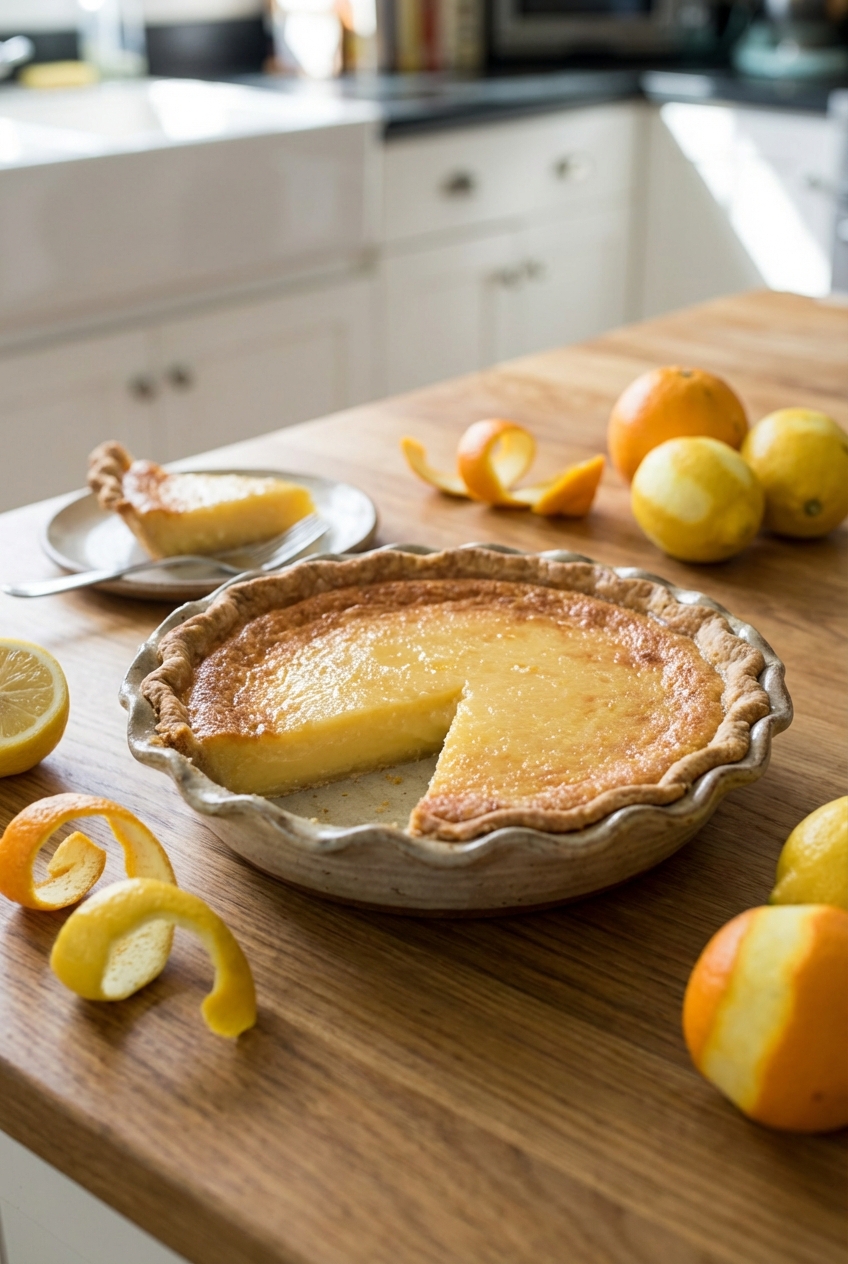
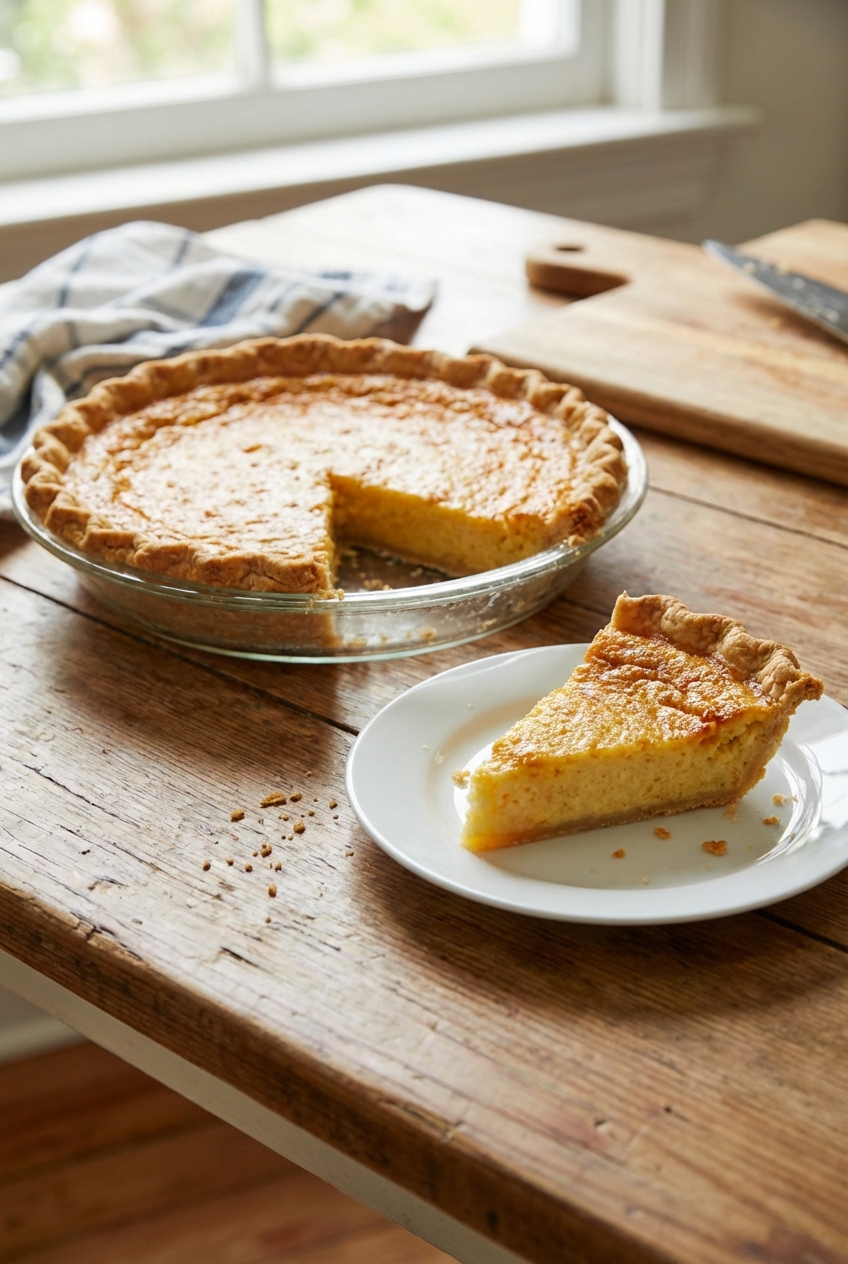
A golden citrus-kissed chess pie in a fluted pie dish on a wooden table, with a slice removed showing a glossy custard center and a few lemon and orange peels nearby

Chess pie is one of those old-school desserts that feels like it has always been there, quietly holding it down at potlucks and holiday tables. It is simple, sturdy, and honestly a little magical: you whisk a handful of pantry staples into a sweet custard, bake it until the top turns bronzed and crackly, and suddenly you have a pie that tastes way more intentional than the effort you put in.

This version is my go-to when I want that classic “buttery sugar hug” flavor, but with a little sparkle. A hit of lemon and orange zest gives the filling a citrusy high note that cuts the sweetness and keeps every bite lively. It is still rich. It is still cozy. It just wakes up a bit, like the pie had a good night’s sleep and a squeeze of fresh air.

Quick heads up: chess pie is meant to be sweet. The citrus helps, but it is still very much dessert dessert.
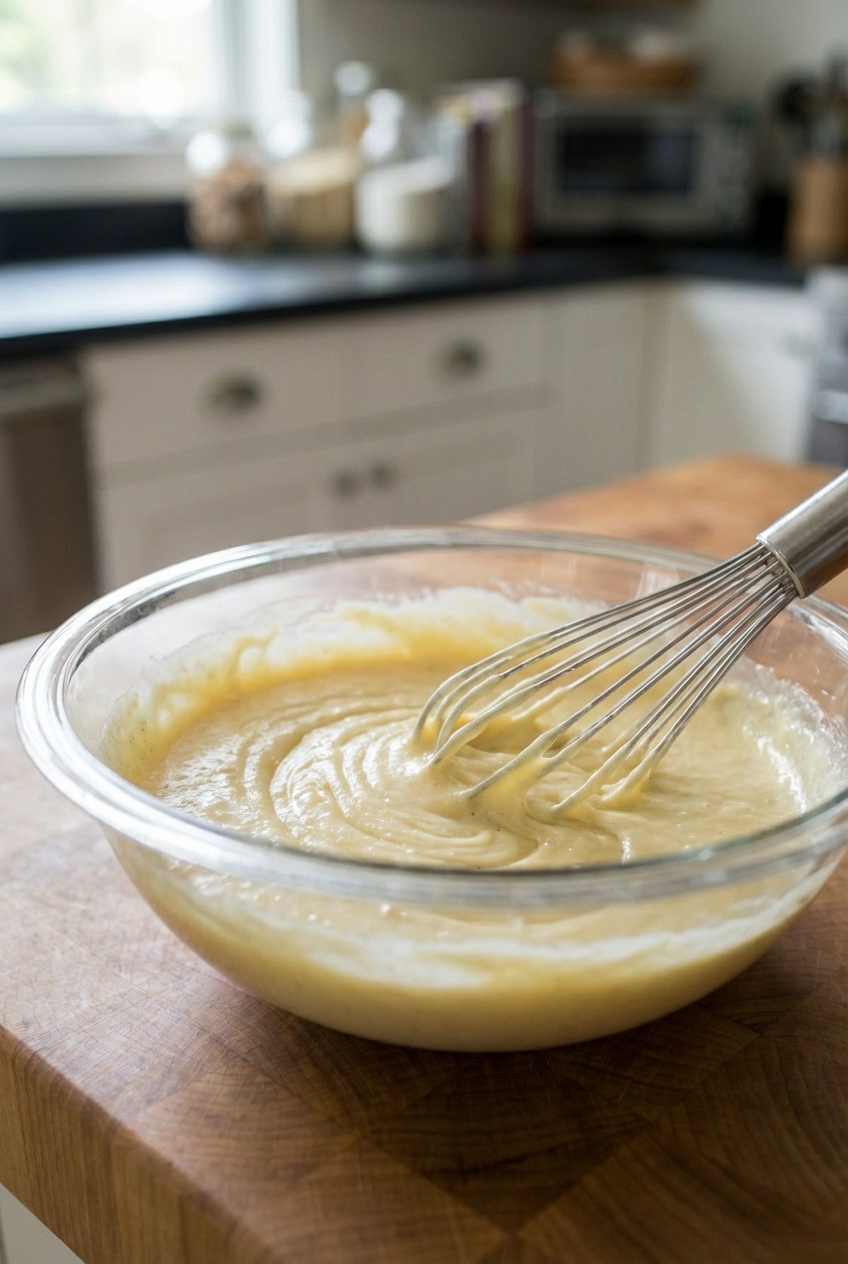
A close-up photo of a whisk blending pale yellow chess pie filling in a clear glass bowl on a kitchen counter

Why It Works

  • Custardy, not runny: A spoon of cornmeal and a careful bake give you that classic chess pie texture that sets up cleanly.
  • Bright citrus balance: Lemon juice plus lemon and orange zest bring a fresh edge that keeps the sweetness from feeling heavy.
  • Crackly top, crisp crust: Baking until the center is just barely wobbly helps you get the signature shiny top without overcooking the custard.
  • Accessible ingredients: No specialty items, no complicated technique, and you can use a store-bought crust without losing the vibe.

Pairs Well With

Storage Tips

Let it cool first. Chess pie finishes setting as it cools, so give it at least 2 hours at room temp before storing.

  • Refrigerator: Cover the pie dish tightly with plastic wrap or foil and refrigerate for up to 4 days (for best quality). For the cleanest slices, chill it overnight.
  • Freezer: Wrap individual slices in plastic wrap, then stash in a freezer bag. Freeze up to 2 months (for best quality). Thaw in the fridge overnight. Note: the texture can soften a bit after freezing, but the flavor holds up.
  • To serve: This pie is great cold, but you can also let slices sit at room temp for 20 to 30 minutes to soften the butter flavor. If you warm it, go gentle: 10 to 15 seconds per slice in the microwave is plenty.

Common Questions

Why is it called chess pie?

No one has a single confirmed origin, and there are a few competing theories (you might hear “just pie,” “chest pie,” or even “cheese pie”). What matters is the style: a simple Southern custard pie made with pantry basics, baked until it sets and gets that signature crackly top.

How do I know when chess pie is done?

The edges should look set and slightly puffed, and the center should have a small wobble when you gently nudge the pie. If the whole pie jiggles like liquid, bake longer. If you want a more precise cue, the center should read about 165 to 175°F on an instant-read thermometer.

Do I have to use cornmeal?

It is traditional and helps the filling set with a subtle texture. If you are not into it, swap the cornmeal for 1 tablespoon all-purpose flour. The pie will still work, just a little smoother.

Can I use bottled lemon juice?

You can for the juice portion in a pinch, but fresh citrus is highly recommended here because the zest is where the bright, fragrant flavor lives. If you do not have fresh lemons to zest, the pie will still be good, just less “citrus-kissed.”

Should I blind bake the crust?

If you want extra insurance against a soggy bottom, yes. A quick 10 minute par-bake helps a lot, especially with a homemade crust. If you are using a sturdy store-bought crust and your oven runs hot, you can usually skip it.

I love recipes like this because they are equal parts “grandma’s pantry” and “I had a random idea and it worked.” The first time I added orange zest to chess pie, it was purely a kitchen rummage moment. I had lemons, an orange rolling around in the fruit bowl, and a strong craving for something sweet that did not require a whole personality shift into Pastry Person.

The result tasted familiar but brighter, like the classic pie put on a clean shirt and opened the windows. Now it is my default when I need a dessert that feels comforting and a little special, even if dinner was just pasta and vibes.