What makes this playdough smell so fresh?
Two small things: lemon juice (it also helps preserve the dough a bit) and citrus zest for that bright, clean scent. It’s subtle, not perfumey.
Can I make this without cream of tartar?
Yes. Cream of tartar helps with elasticity and shelf life, but you can still make good playdough without it. If you skip it, increase the lemon juice to 2 tablespoons total (instead of 1 tablespoon) or use 2 tablespoons white vinegar total. The dough may be a little less stretchy and might dry out faster over time.
My playdough is sticky. What did I do wrong?
Usually it just needs a little more cooking or a little more flour while kneading. Put it back in the pan for 30 to 60 seconds, stirring, until it forms a ball. Then knead in flour 1 teaspoon at a time (you can go up to 1 tablespoon if it’s really sticky) until it behaves.
My playdough is crumbly or dry. Can I fix it?
Absolutely. Knead in 1 teaspoon warm water at a time. If it is really dry, add a touch of oil too. Give it a full minute of kneading before adding more.
What food coloring works best?
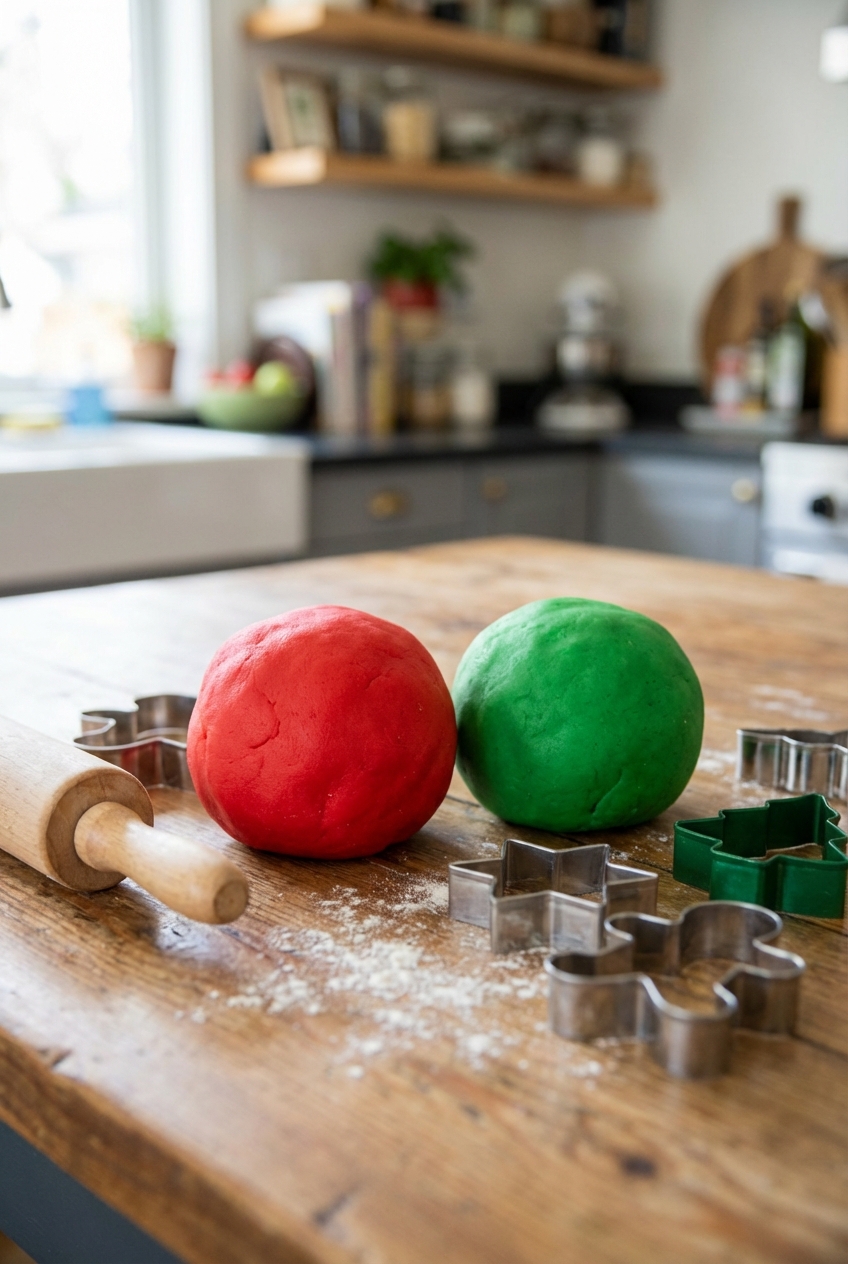
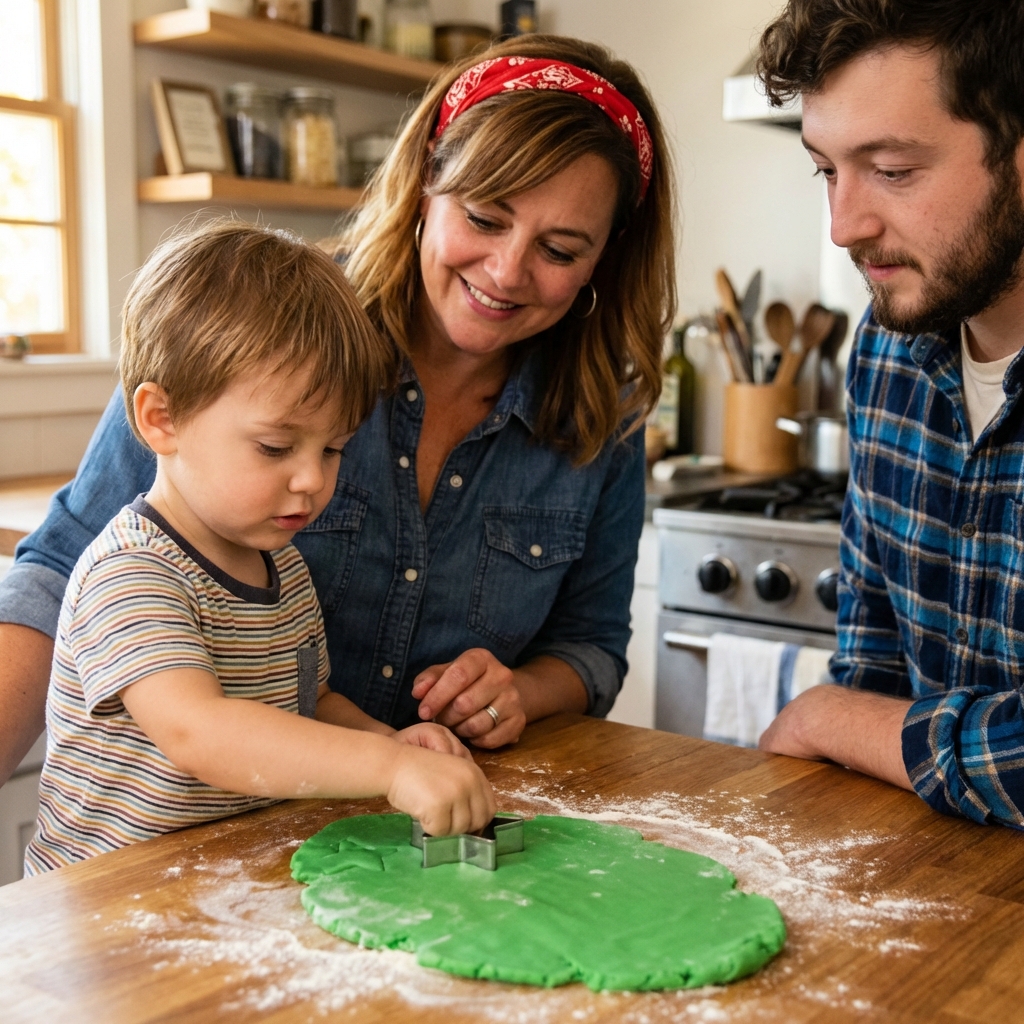
Gel food coloring gives the brightest color with the least liquid. Liquid coloring works fine too, just expect slightly softer dough. Wear gloves if you want to keep your hands from turning Grinch-green.
Is this safe for toddlers (or pets)?
The ingredients are common pantry items, but it is still not edible. Supervise toddlers who mouth everything and skip optional fragrance add-ins. Also, this dough is very salty, so keep it away from pets (especially dogs) and discard it if a large amount is eaten.
You mentioned “ornaments.” Will these harden like salt dough?
Think of these as temporary ornaments or decorations that are best enjoyed while soft. You can let shapes air-dry for a day or two, but they may crack, soften in humidity, or get funky over time. For long-lasting, hard ornaments, use a true salt dough (see recommendations).